Artwork
Frances Arnold
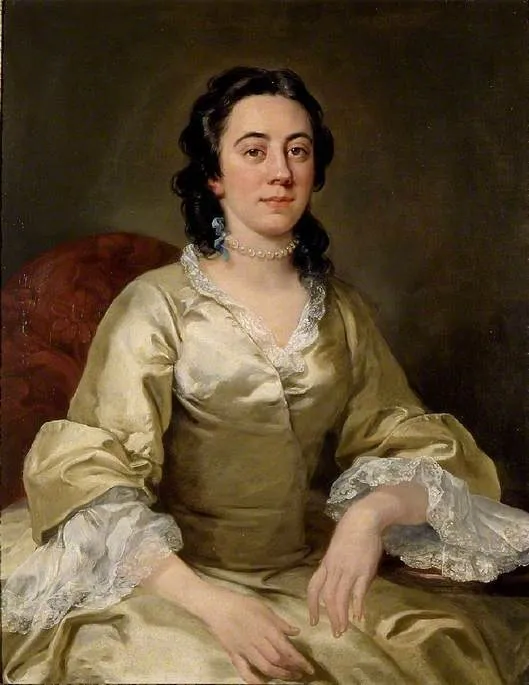
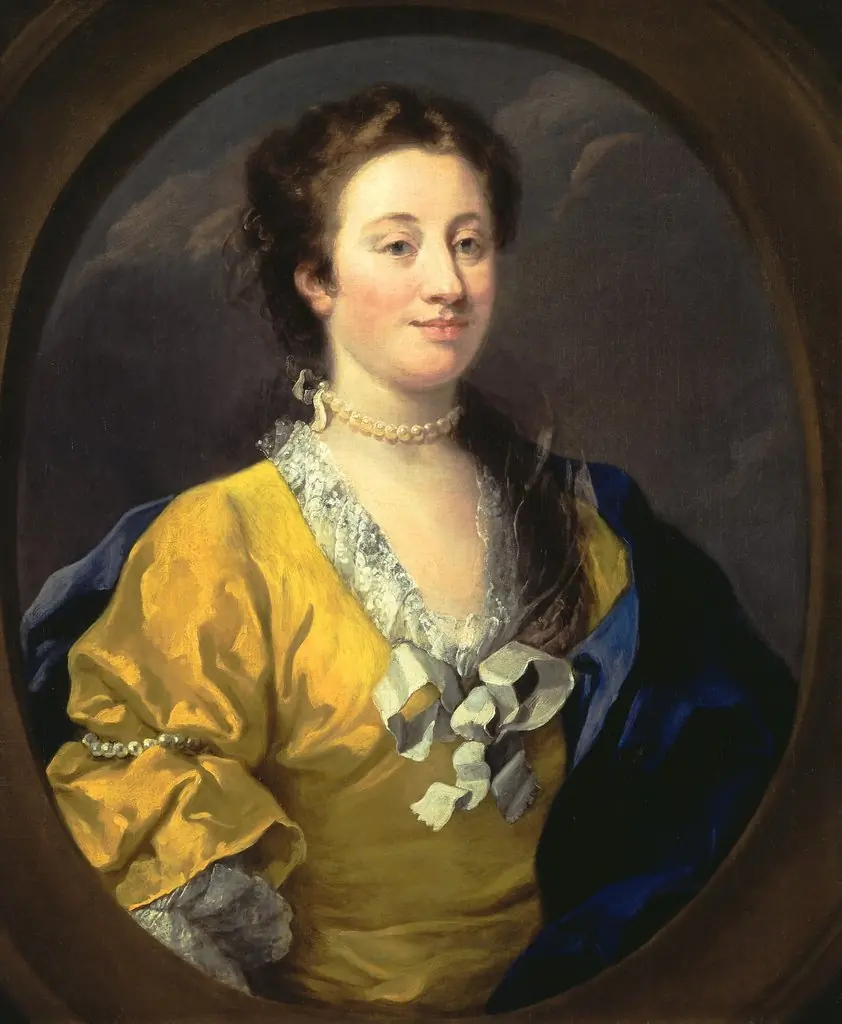
Frances Arnold is an oil painting by William Hogarth. It dates from 1739 and is held in the collection of the Fitzwilliam Museum.
About this work
Overview
Painted in 1739, this oil portrait depicts Frances Arnold, a woman of modest social standing, rendered by the English artist William Hogarth.
Painted in 1739, this oil portrait depicts Frances Arnold, a woman of modest social standing, rendered by the English artist William Hogarth. The work belongs to Hogarth’s early period of portraiture, before he gained wider recognition for his narrative satires. It reflects his technical precision and interest in capturing individual character through quiet, intimate compositions rather than grandeur.
Subject & Meaning
Frances Arnold is portrayed with calm composure, her direct gaze inviting a sense of personal connection. Her attire—light fabric, lace trim, and a simple pearl necklace—suggests genteel modesty rather than aristocratic opulence. The relaxed posture and unadorned setting imply an emphasis on sincerity over status, aligning with Hogarth’s broader interest in portraying middle-class life with psychological depth.
Technique & Style
Hogarth employs soft brushwork to render fabric textures and the subtle sheen of pearls, while the muted brown background isolates the figure without distraction. The lighting is even and naturalistic, enhancing the three-dimensionality of her form. His attention to detail in the curls of her hair and the fold of her dress demonstrates a disciplined approach rooted in observation, characteristic of his training as an engraver.
History & Provenance
The painting’s early ownership is undocumented, but it remained within British collections through the 19th century. It was acquired by its current institution in the mid-20th century. Unlike Hogarth’s more famous series, this portrait was not widely reproduced or publicly exhibited during his lifetime, contributing to its relative obscurity until later scholarly interest in his portraiture.
Context
In early 18th-century England, portraiture was increasingly accessible to the emerging middle class. Hogarth, himself from a modest background, often depicted subjects outside the aristocracy, reflecting changing social dynamics. This portrait aligns with a broader trend of personal, less formal likenesses that valued individual presence over inherited status.
Legacy
Though not among Hogarth’s most celebrated works, this portrait contributes to understanding his development as an artist before his satirical narratives. It exemplifies his ability to convey psychological presence through restraint, influencing later British portraitists who favored authenticity over idealization. The painting remains a quiet testament to his skill in capturing everyday dignity.
Artist & collection
Artist
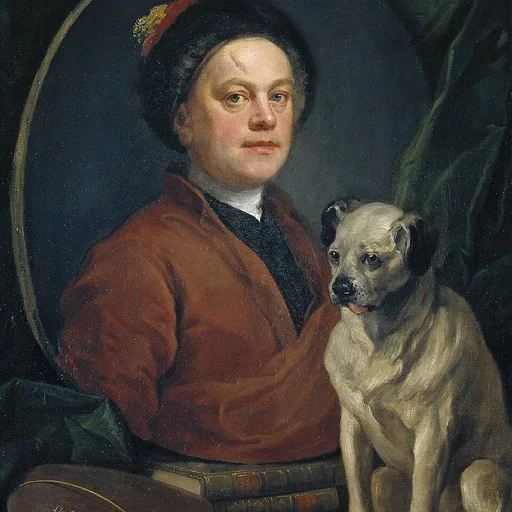
William Hogarth (; 10 November 1697 – 26 October 1764) was an English painter, engraver, satirist, cartoonist and writer.

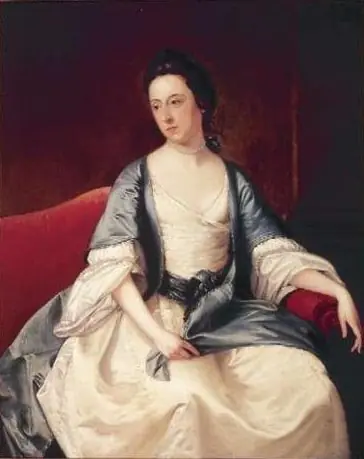 Anne Borrow (d.1799)
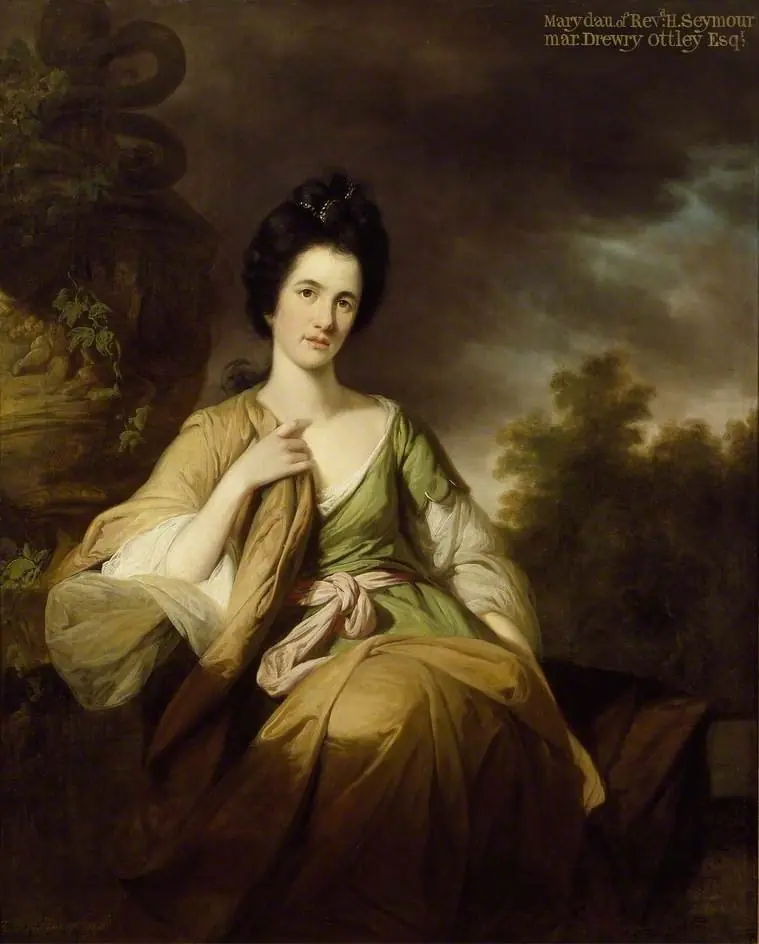 Mrs Drewry Ottley
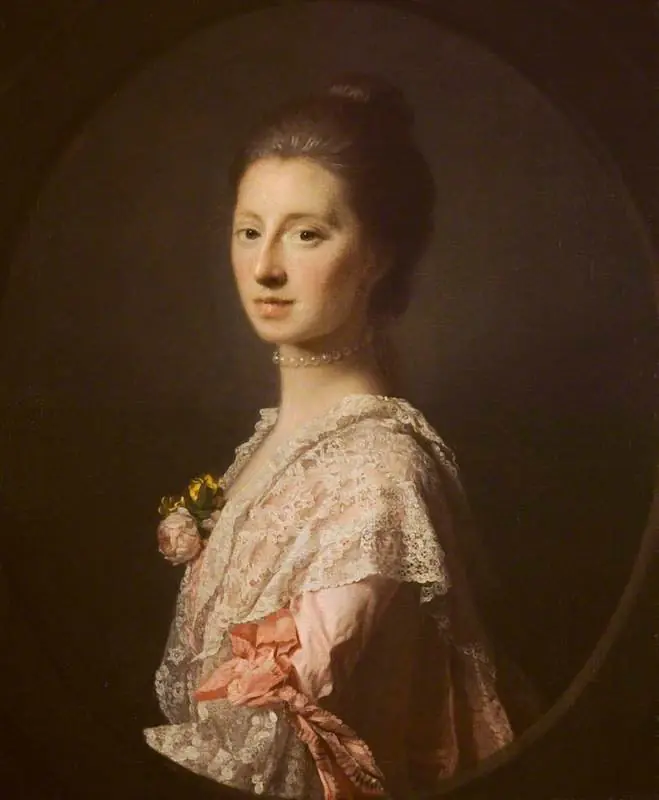 Mrs Anna Bruce of Arnot (died 1810)
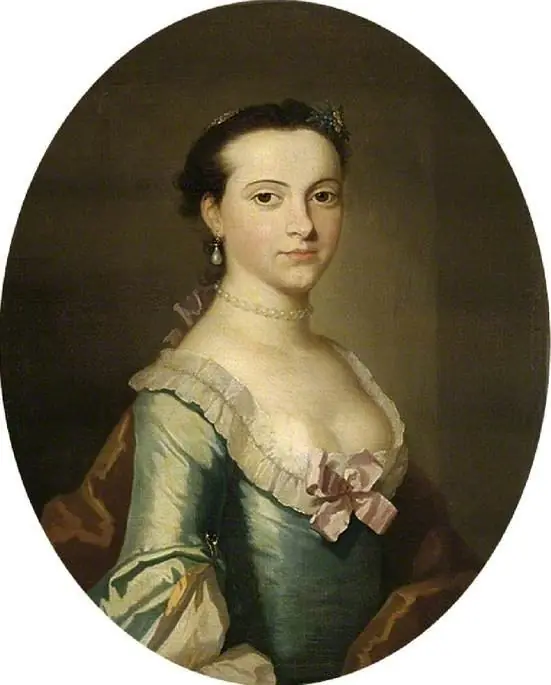 Mrs. Susannah Hope
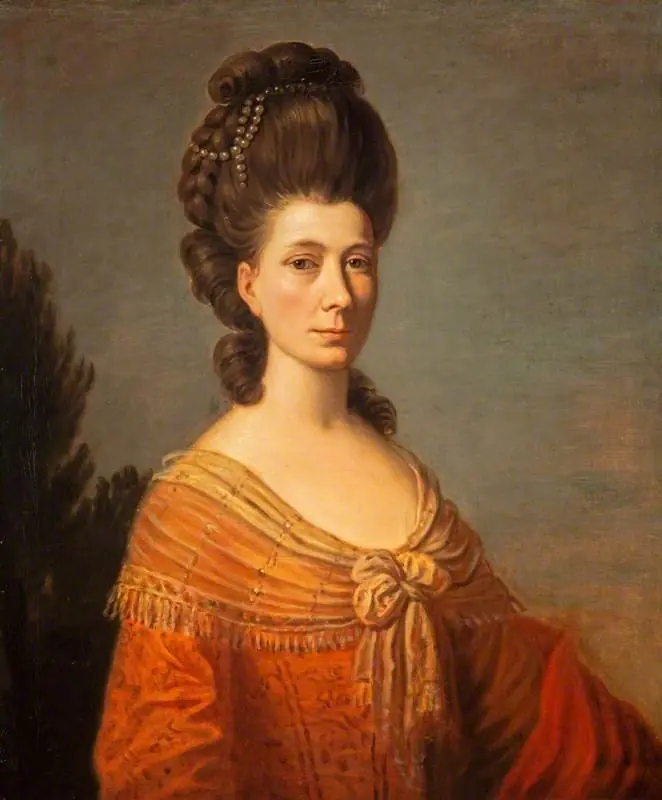 Mrs James Tassie, probably Ann Harker (1730 - 1790)
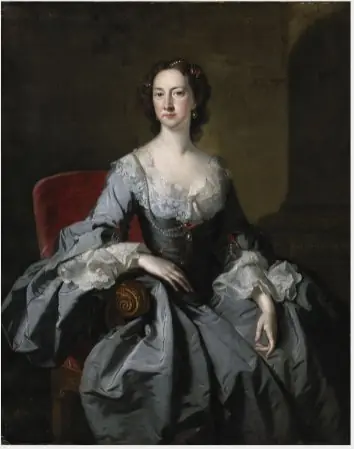 Portrait of Diana, Countess of Mountrath (1696-1766), Wife of the 6th Earl
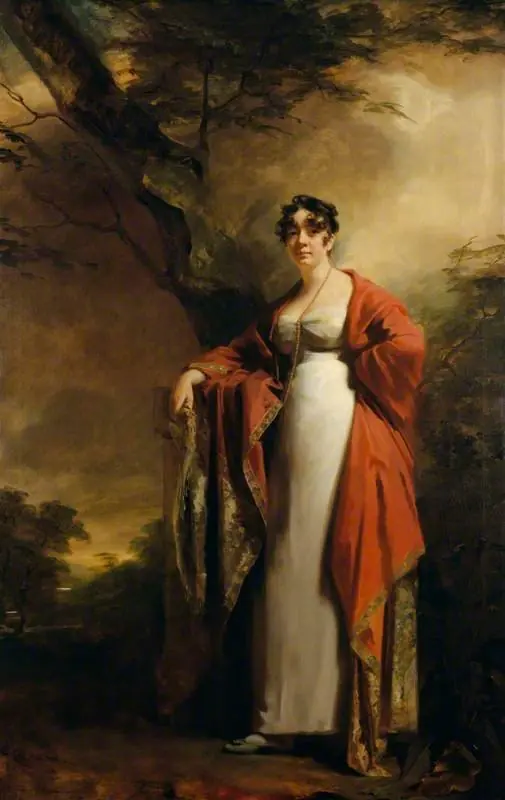 Frances Harriet Wynne, Mrs Hamilton of Kames (1786 - 1860)
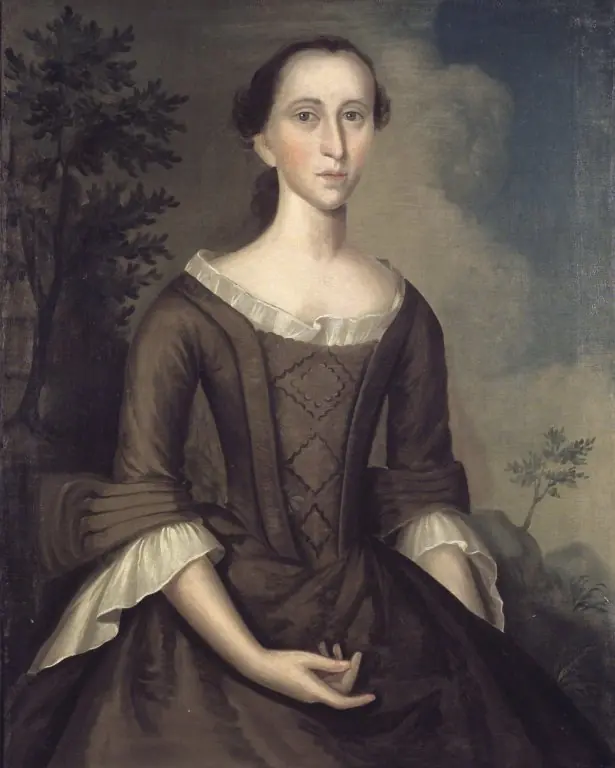 Mrs. John Haskins (née Hannah Upham)
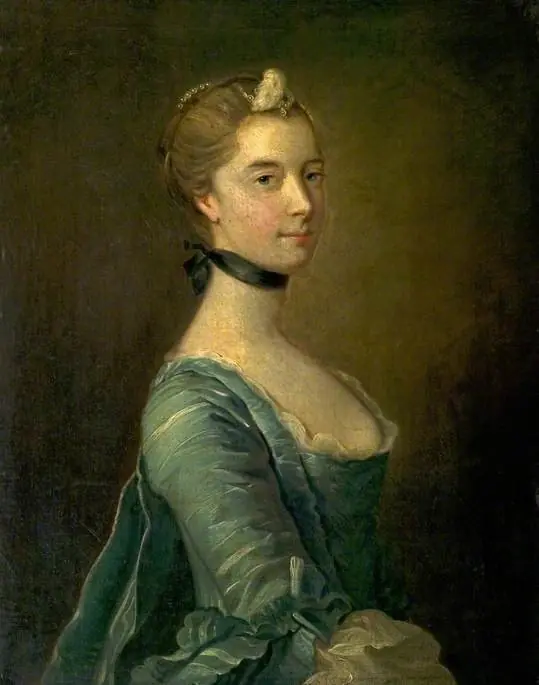 Portrait of an Unknown Woman (possibly Laura Walpole)
 Portrait of Maria Gunning, Countess of Coventry (1733-1760), Wife of the 6th Earl
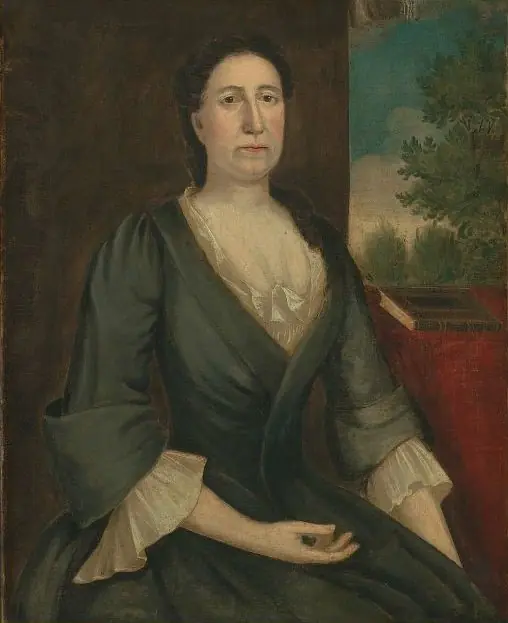 Mrs. William Foye (Elizabeth Campbell)
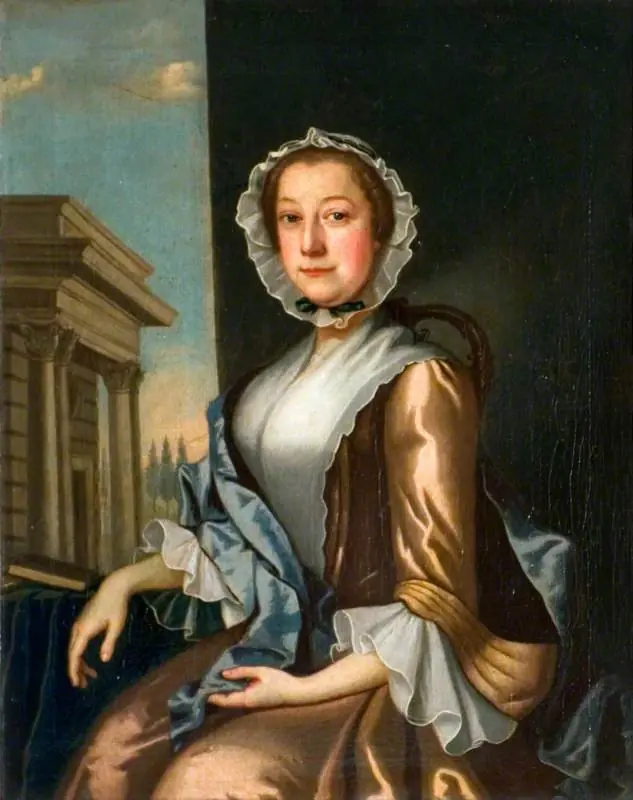 Elizabeth (1727–1782), Wife of Thomas Nickleson