Artwork
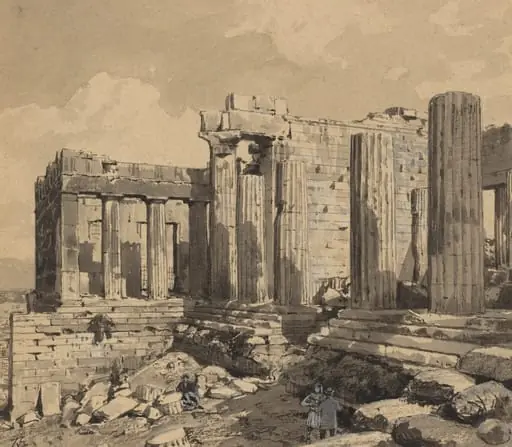
The Parthenon from the East
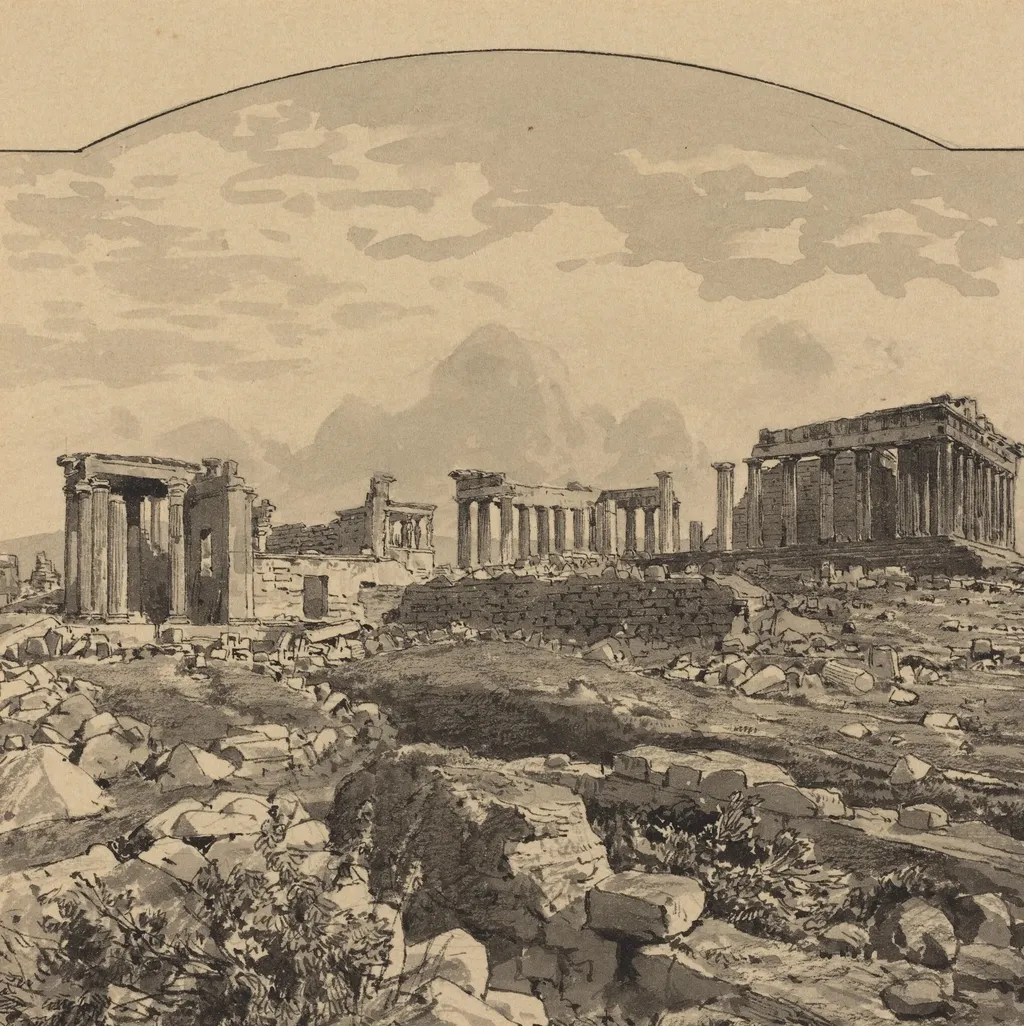
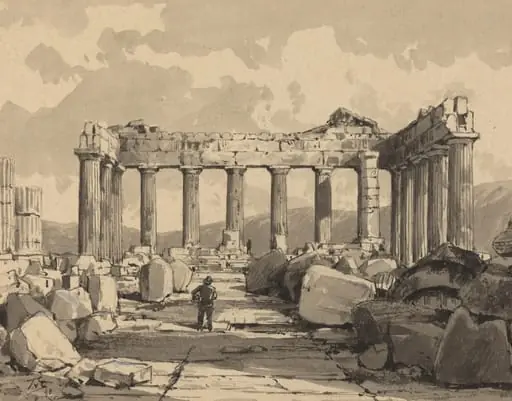
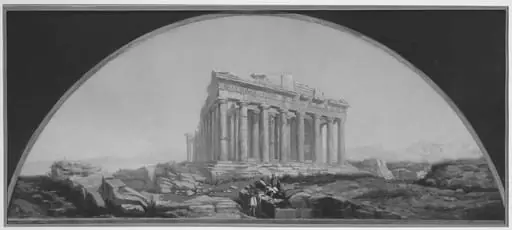
The Parthenon from the East is an ink drawing by the Impressionist artist Themistocles von Eckenbrecher. It dates from 1890 and is held in the collection of the National Gallery of Art.
About this work
Overview
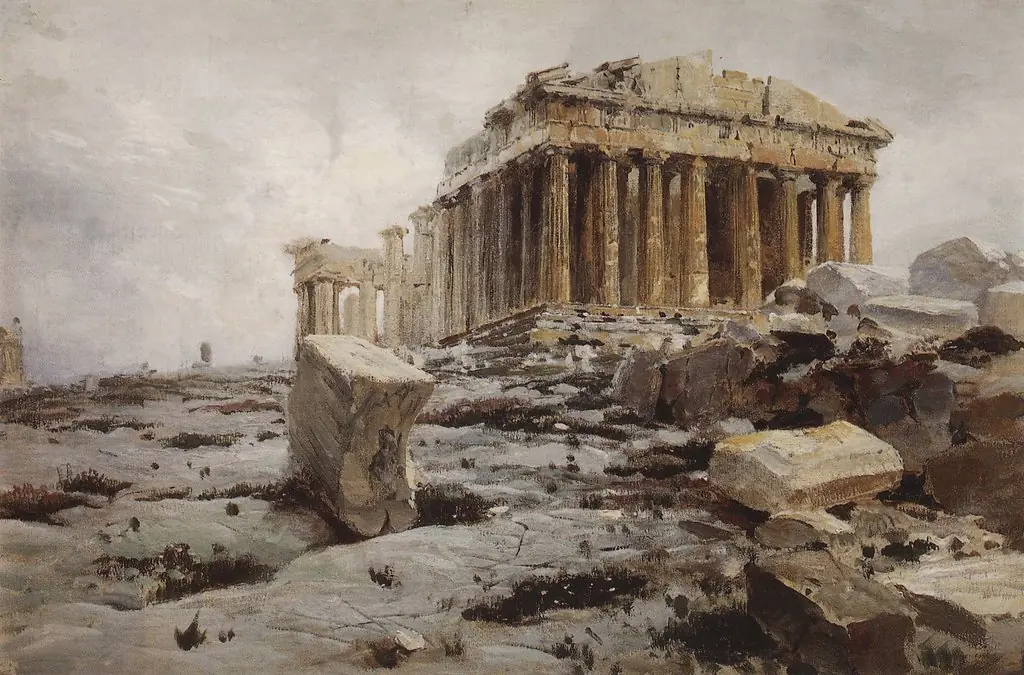
Themistocles von Eckenbrecher’s 1890 drawing, *The Parthenon from the East*, presents a meticulous view of the ancient temple as seen from its eastern façade. Executed in a combination of pen, black ink, watercolor, black chalk and graphite, the work exemplifies the late‑Romantic interest in historic architecture rendered with atmospheric precision.
Subject & Meaning
The composition isolates the Parthenon’s iconic columns and pediments, emphasizing their geometric clarity against a softened sky. By choosing an eastern perspective, the artist invites contemplation of the monument’s enduring presence, aligning the structure with Romantic ideals of timeless beauty and the sublime qualities of antiquity.
Technique & Style
Von Eckenbrecher integrates line work in pen and ink with washes of watercolor, while black chalk and graphite reinforce edges and add tonal depth. This layered approach produces crisp outlines alongside muted colour fields, generating a sense of spatial recession and tactile texture that is characteristic of Romantic landscape drawing.
History & Provenance
Born in Athens to German parents, von Eckenbrecher built a reputation for landscape and marine subjects before turning to architectural studies. The 1890 drawing reflects his later career, when he merged his travel experience with a scholarly interest in classical sites, a practice common among European artists documenting historic ruins.
Artist & collection

Artist
Karl Paul Themistokles von Eckenbrecher (17 November 1842, Athens – 4 December 1921, Goslar) was a German landscape and marine painter, in the late Romantic style.