Artwork
Self-Portrait
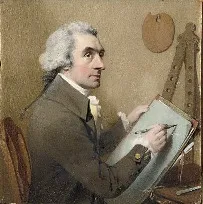
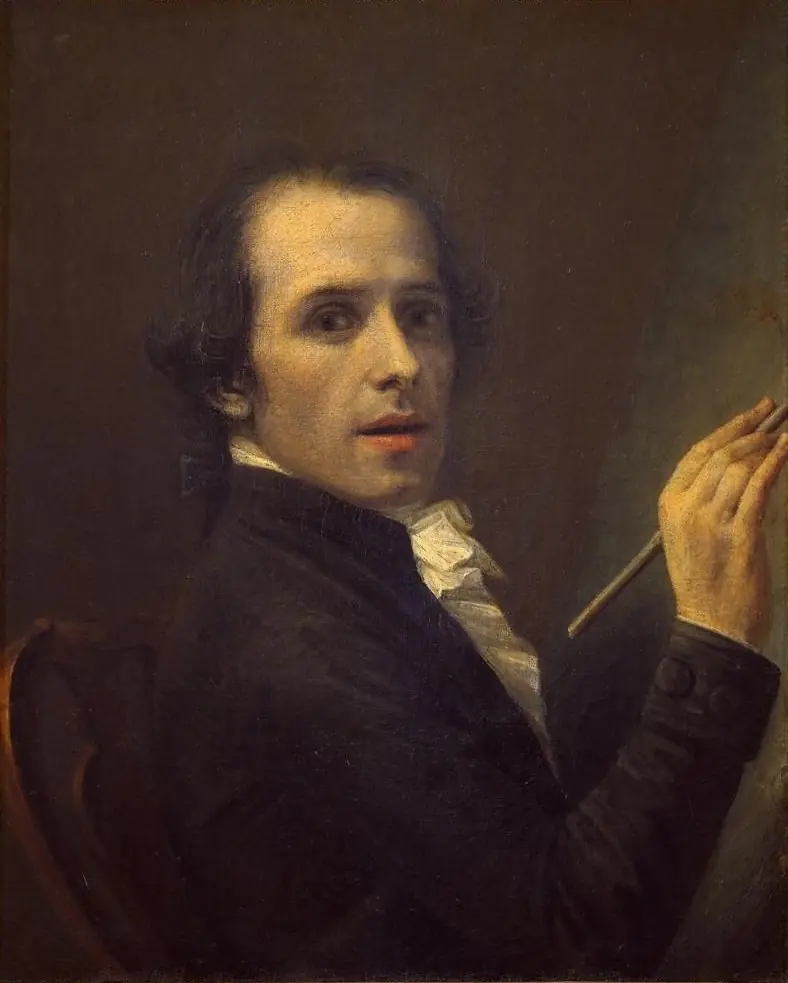
Self-Portrait is a watercolor painting by the Rococo painting artist William Pether. It dates from 1775 and is held in the collection of the Art Gallery of Ontario.
About this work
Overview
Executed in a refined, intimate scale typical of portrait miniatures, it captures Pether at work, surrounded by the tools of his trade.
This small portrait on ivory, completed in 1775, is a self-representation by William Pether, an English artist active in mezzotint engraving and decorative arts. Executed in a refined, intimate scale typical of portrait miniatures, it captures Pether at work, surrounded by the tools of his trade. The medium—ivory—was prized for its smooth, luminous surface, allowing subtle gradations of tone. The work resides in the Art Gallery of Ontario’s collection.
Subject & Meaning
Pether portrays himself seated, holding a palette and pencil, suggesting a pause in the act of creation. His attire—a dark jacket, white shirt, and yellow cravat—reflects modest professional dress of the period. The empty chair beside him may imply the presence of an unseen observer or the artist’s reflection on his role. The composition conveys quiet focus rather than grandeur, emphasizing the introspective nature of artistic labor.
Technique & Style
Rendered in the Rococo idiom, the portrait favors delicate lines and soft modeling over dramatic contrast. The ivory support enabled fine detail and a luminous skin tone, while the warm beige background enhances the figure’s presence without distraction. Though not overtly using chiaroscuro, the work relies on subtle tonal shifts to model form, consistent with the restrained elegance of 18th-century miniature painting traditions.
History & Provenance
Created in 1775, the portrait likely served as a personal statement or professional calling card for Pether, who was known for his reproductive engravings and porcelain designs. Its survival in good condition suggests it was carefully preserved, possibly within the artist’s circle. It entered the Art Gallery of Ontario’s collection through documented acquisition, though its earlier ownership prior to the 20th century remains unrecorded.
Context
In mid-18th-century England, self-portraits on ivory were uncommon among engravers, who typically worked in print. Pether’s choice of medium reflects both the prestige of miniature painting and his engagement with fine art traditions beyond commercial engraving. The portrait aligns with a broader trend of artists asserting their identity through personal imagery, even within trades dominated by reproduction.
Legacy
Though Pether is primarily remembered for his mezzotints, this portrait offers a rare glimpse into his personal artistic presence. It stands as a quiet testament to the dignity of craft in an era when engravers were often seen as technicians rather than creators. The work contributes to understanding how artists in secondary media asserted their place within the visual culture of their time.
Artist & collection
Artist
William Pether (c. 1739 – 19 July 1821) was primarily an English mezzotint engraver, but also decorated porcelain, made oil paintings and pastel drawings, and invented gadgets.

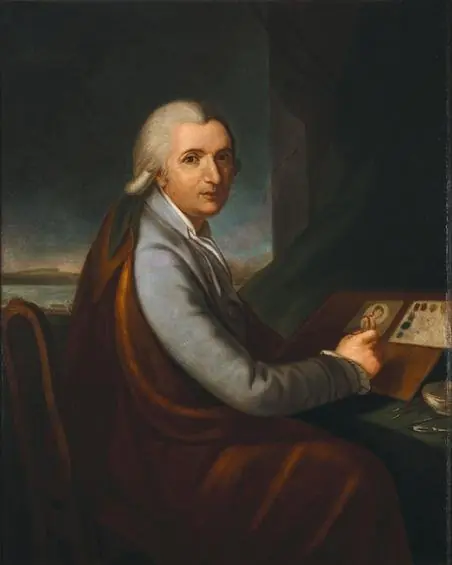 Autorretrato de Pedro Alexandrino de Carvalho
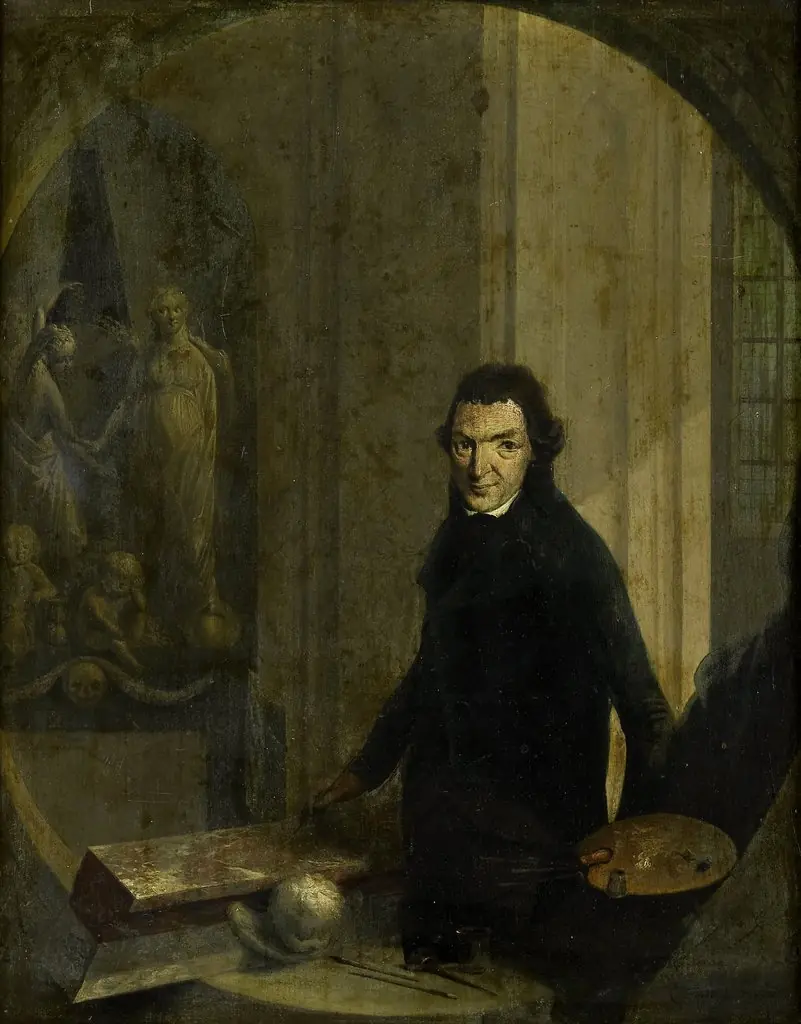 Self-Portrait
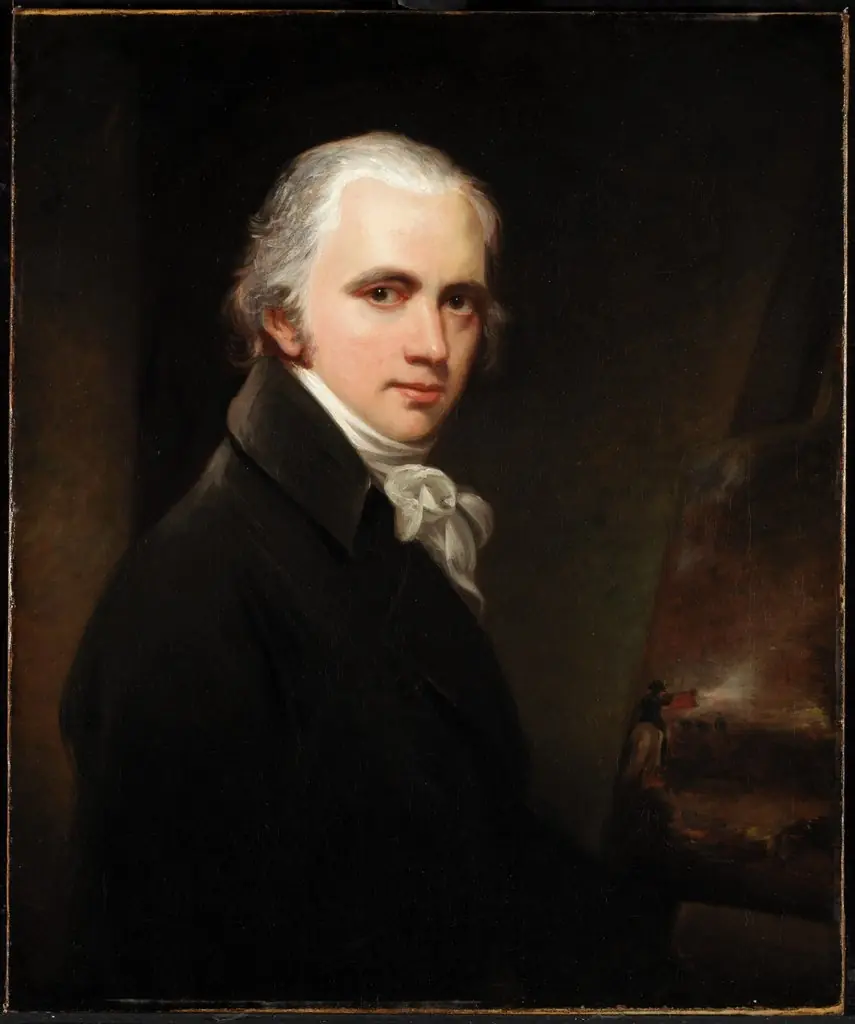 Self Portrait
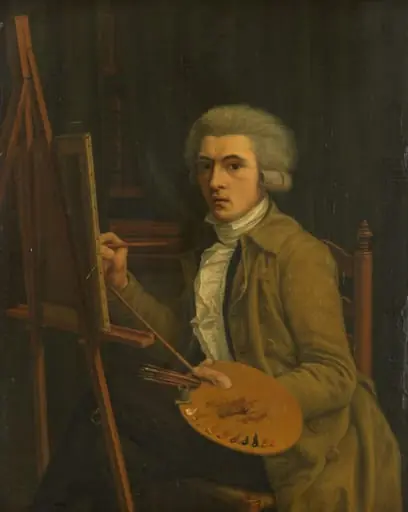 Portrait of a Painter, probably the Artist himself
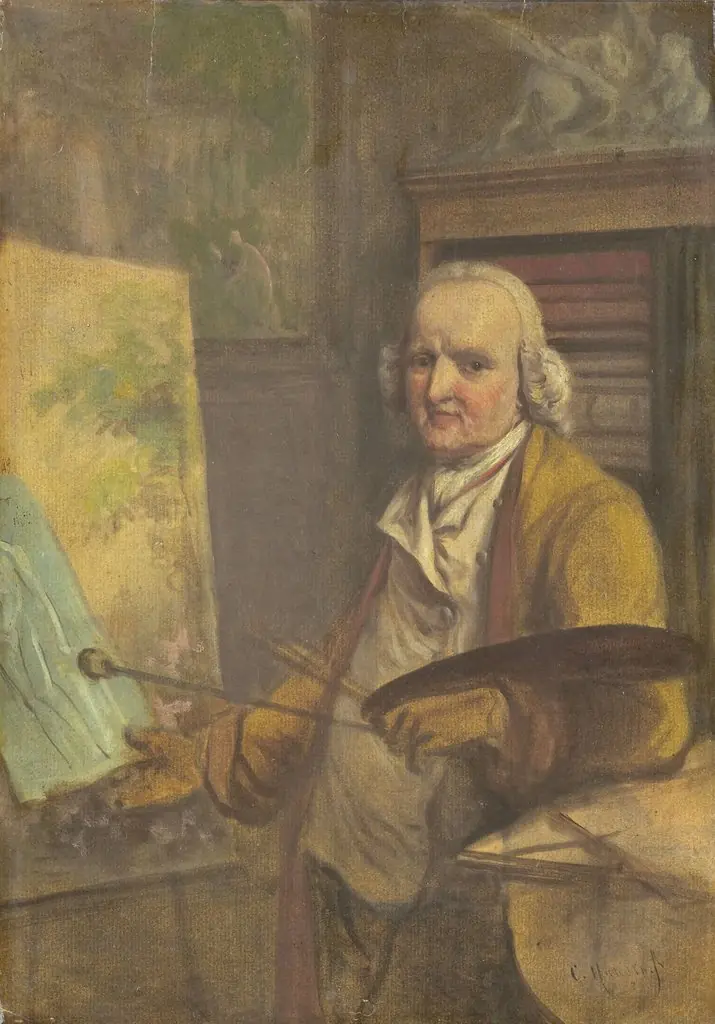 Self-Portrait
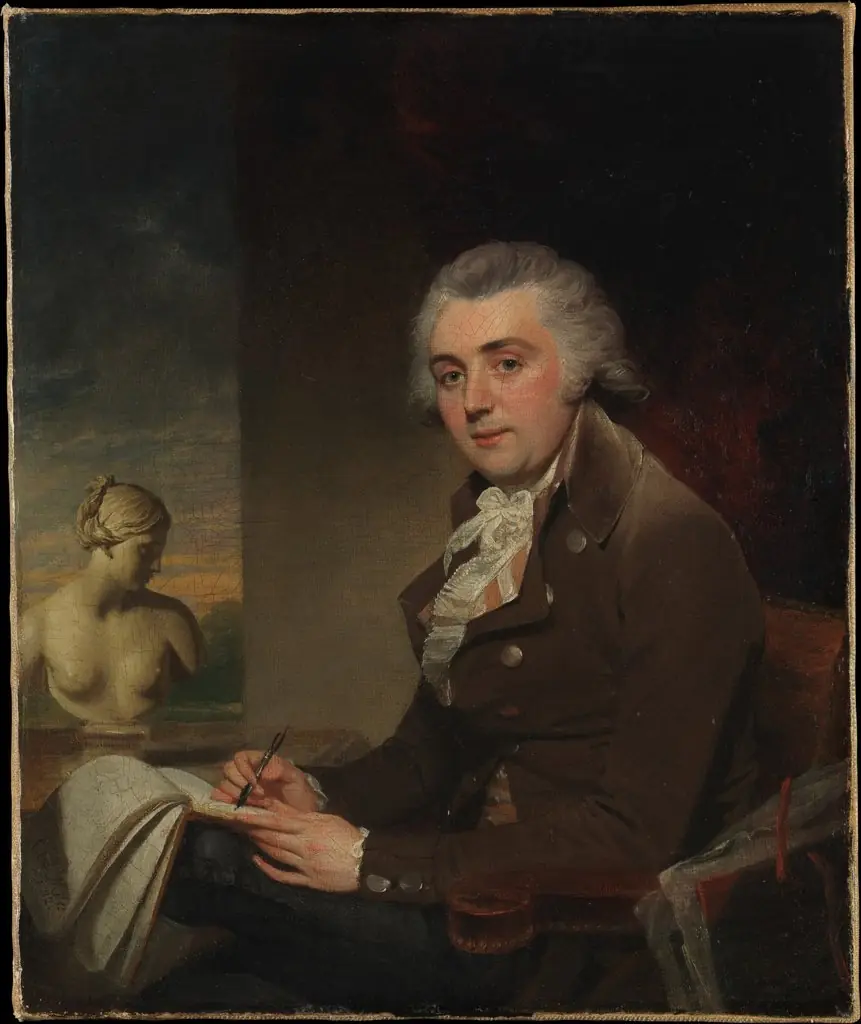 Edward Miles (1752–1828)
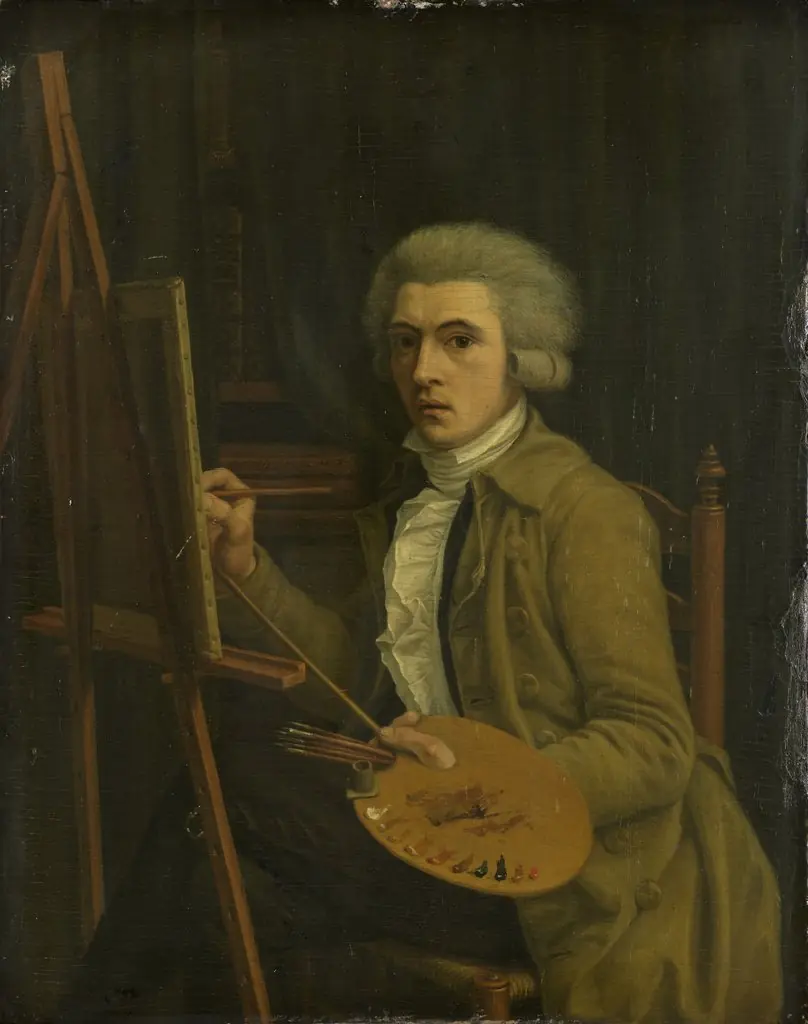 Portrait of a Painter, probably the Artist himself
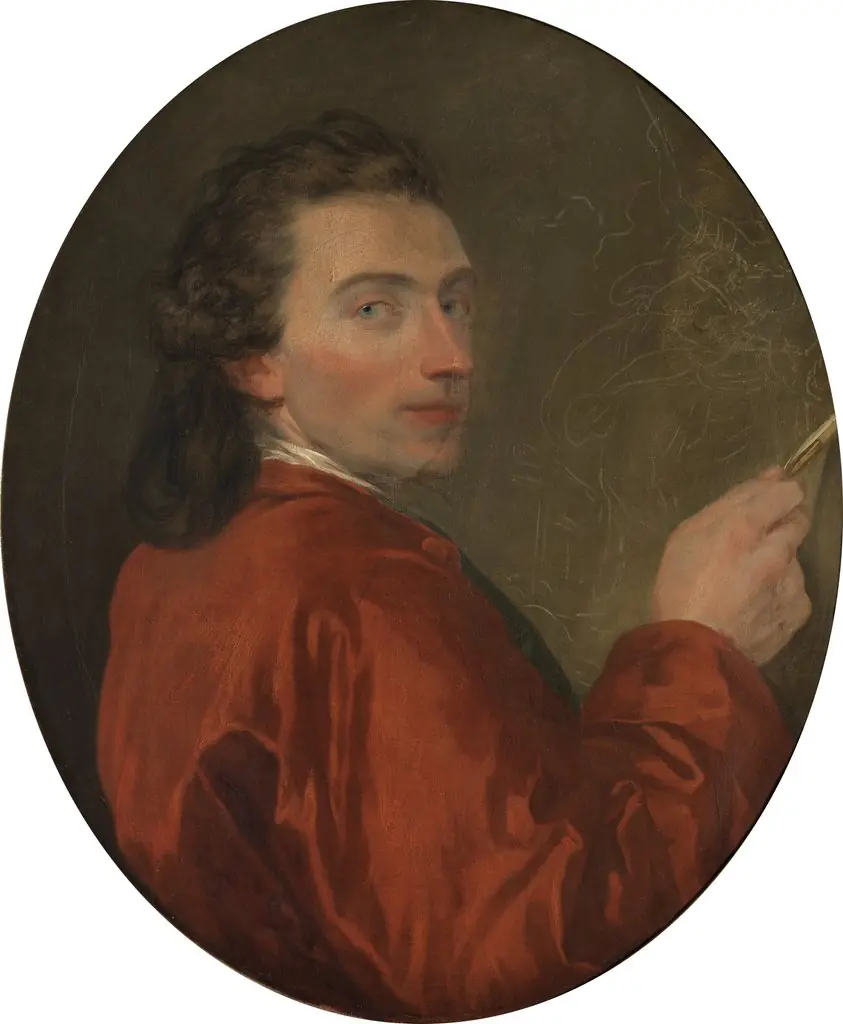 Self-portrait
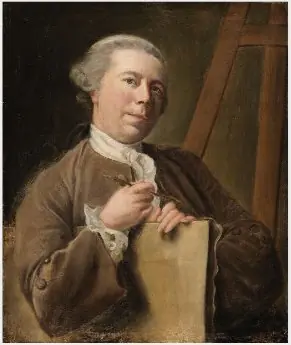 Self-Portrait with an Easel
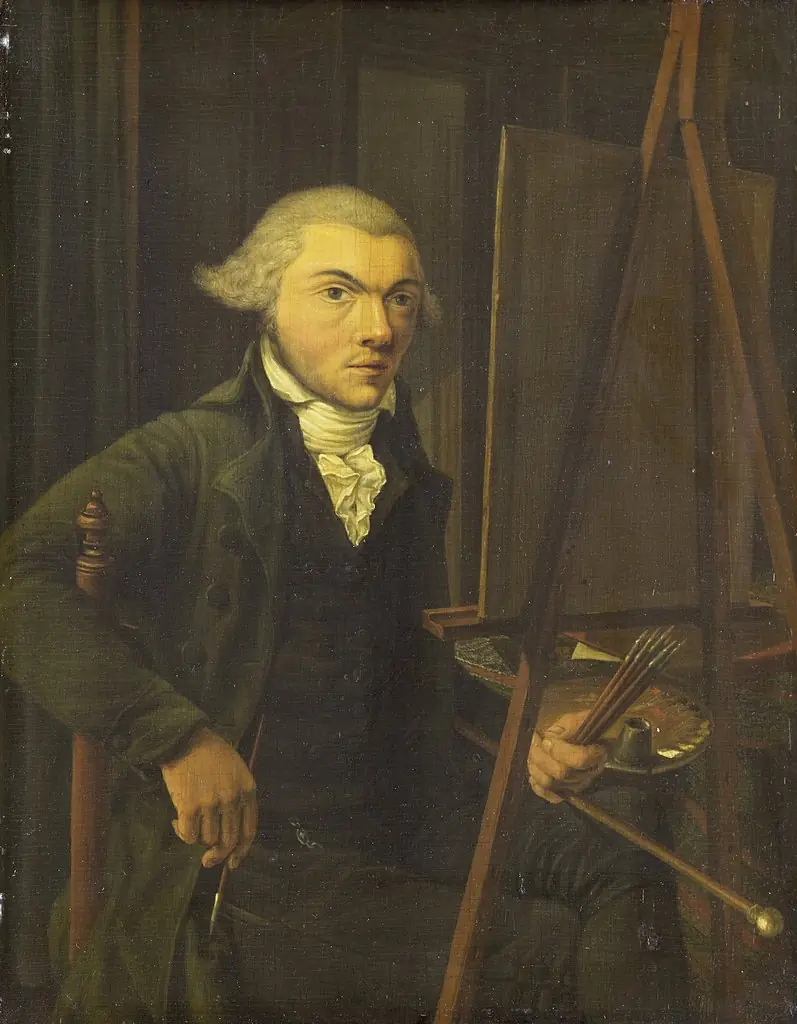 Portrait of a Painter, probably Harmanus Uppink
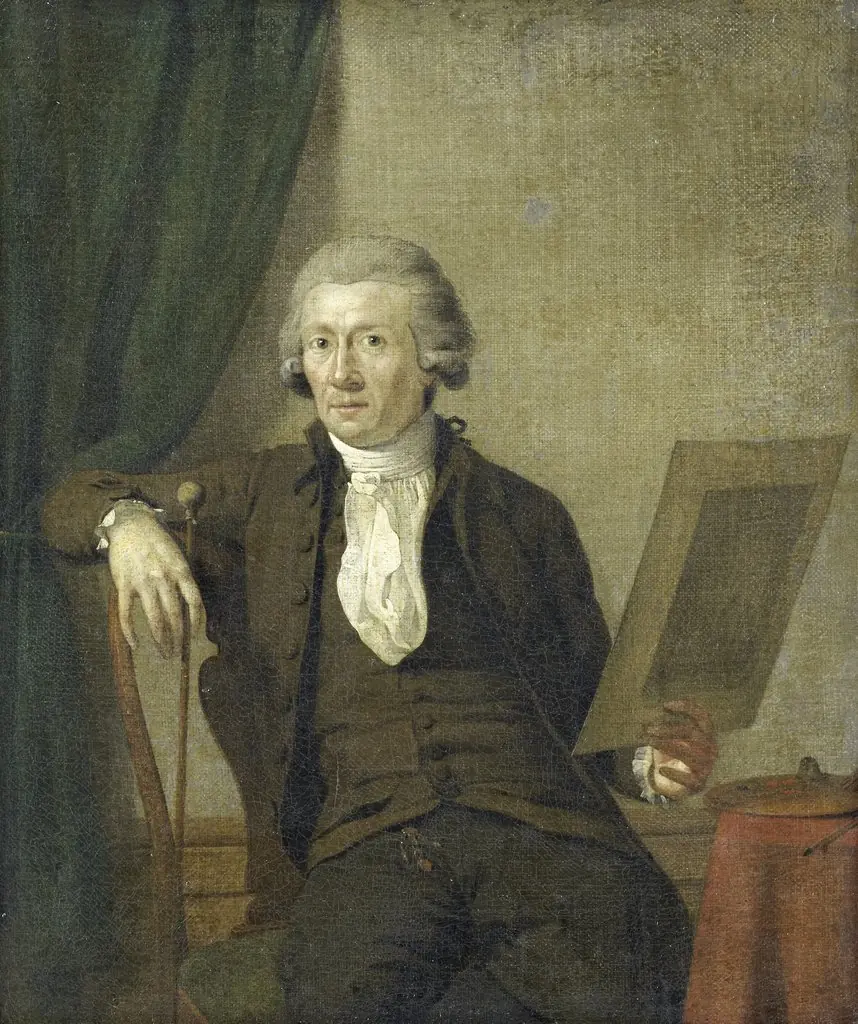 Portrait of Egbert van Drielst, Painter
 Self-portrait