Artwork
Corsica e Satiro
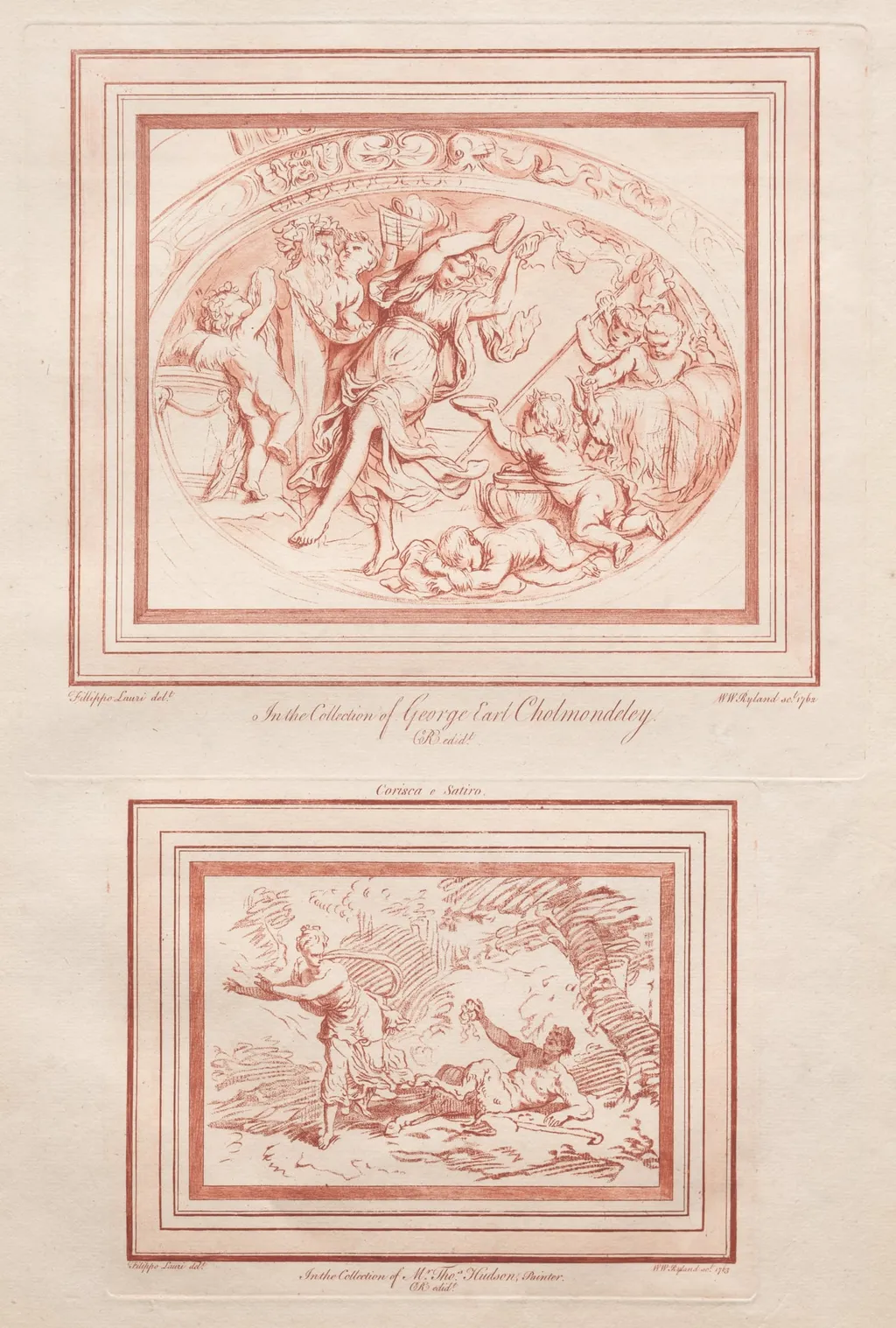
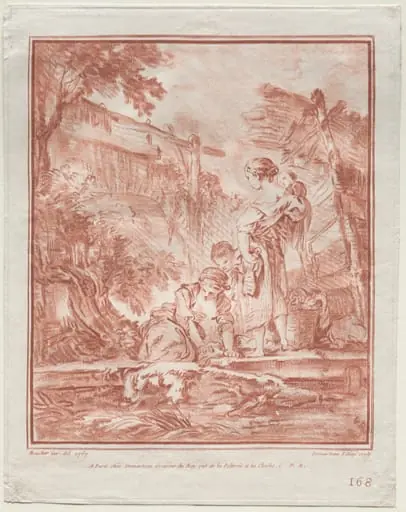
Corsica e Satiro is a print by the Romanticist artist William Ryland. It dates from 1762 and is held in the collection of the Cleveland Museum of Art.
About this work
This painting shows a satyr—a goat-legged man—resting by a tree in a quiet English park.
This painting shows a satyr—a goat-legged man—resting by a tree in a quiet English park. A woman in a white dress sits beside him, holding a small book. Soft morning light filters through the leaves.
Ryland painted this scene just before he vanished. He left London in 1783 and was never seen again. Some say he drowned at sea, others claim he fled debts.
Look up the same artist next: William Ryland (British, 1732–1783).
Overview
Corsica e Satiro is a print by William Ryland, created in 1762. It is currently held at The Cleveland Museum of Art.
Subject & Meaning
The print depicts a satyr, a mythological creature with goat-like features, resting in a serene English park setting alongside a woman in a white dress who holds a small book. The scene is bathed in soft morning light filtering through the trees.
History & Provenance
Ryland produced this work nearly two decades before his disappearance from London in 1783, after which his whereabouts remained unknown. Various theories have been proposed to explain his vanishing, including drowning at sea or fleeing to escape debts.
Artist & collection

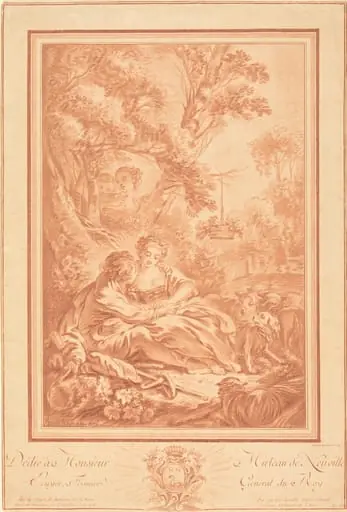 Two Lovers Seated at the Foot of a Large Tree, Surprised by Two Girls
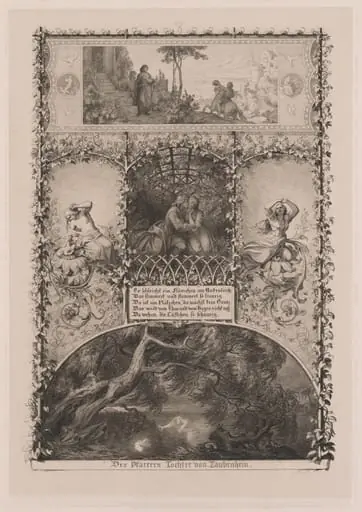 Des Pfarrers Tochter von Taubenhein (The Parson's Daughter from Taubenhain)
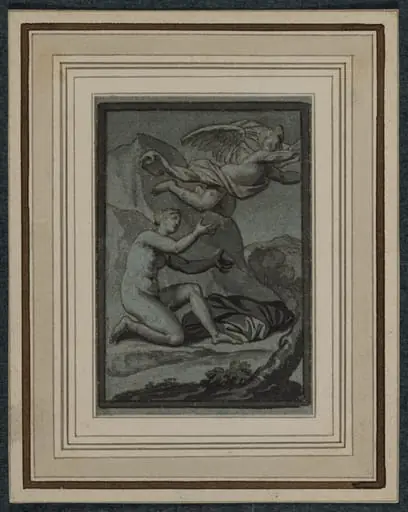 Mythological Scene
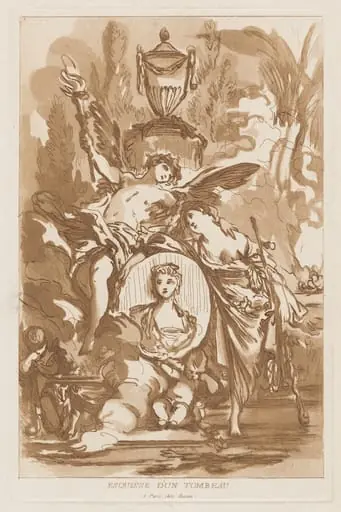 Esquisse d’un tombeau (Sketch for a Tomb)
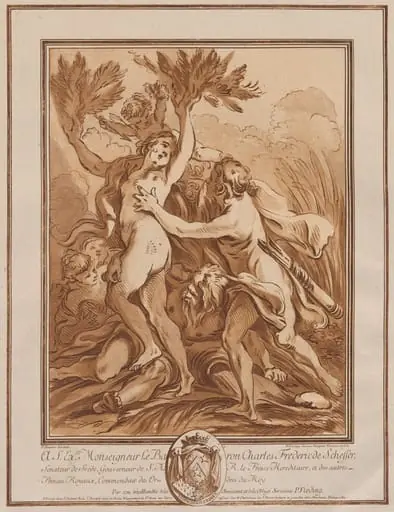 Apollo and Daphne
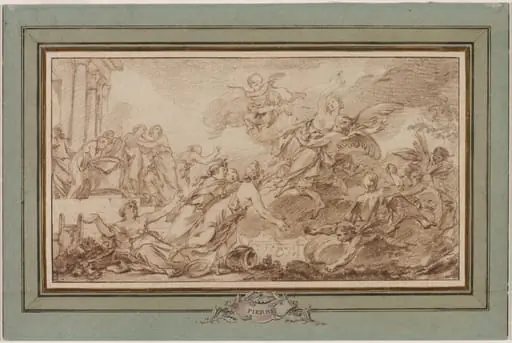 Boreas Abducting Oreithyia
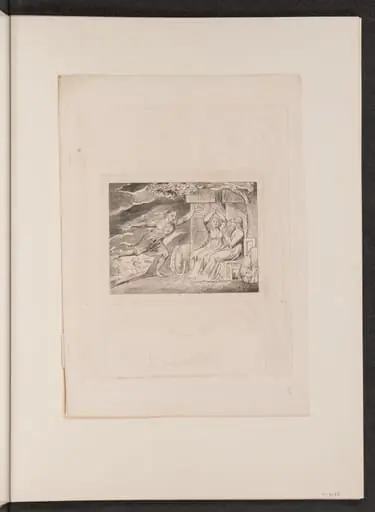 The Messengers Tell Job of His Misfortunes
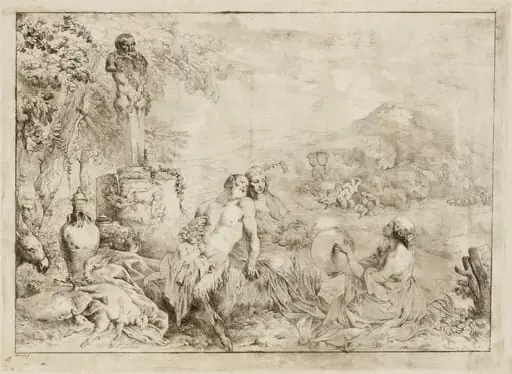 Landscape with a Satyr Family and Classical Sculpture
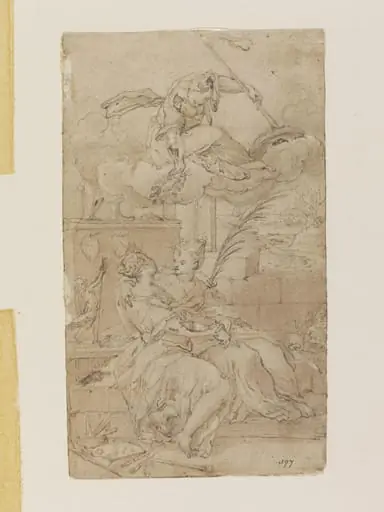 Allegory of the Union of Painting and Sculpture
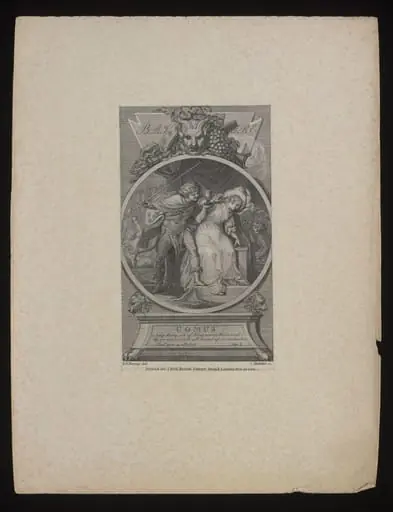 H Beard Print Collection
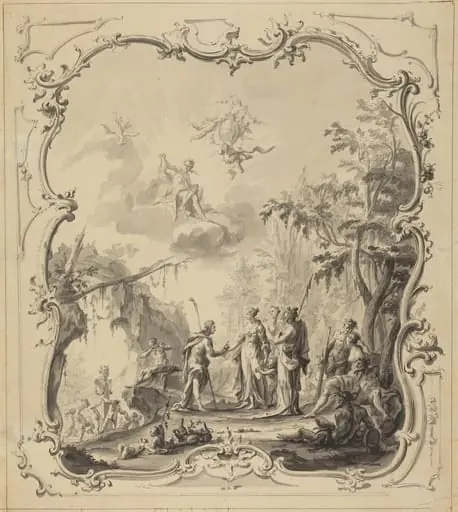 The Judgment of Paris
 The Washerwoman