Artwork
The Clyde from the series The Arteries of Great Britain
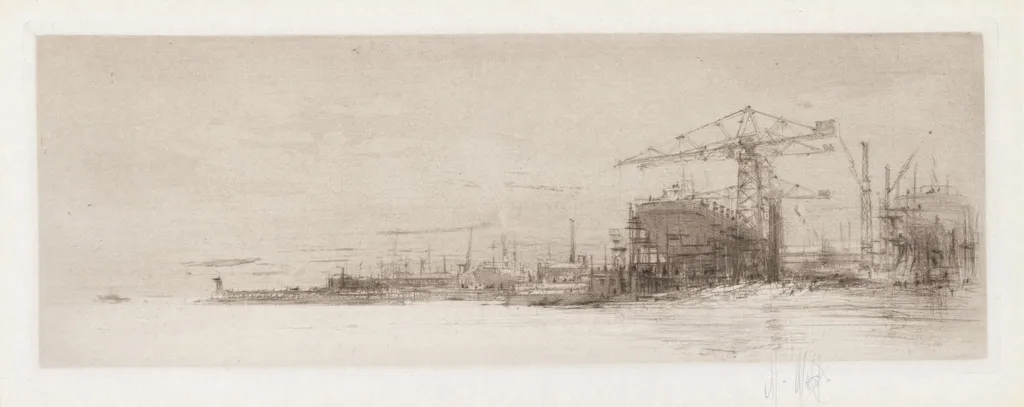
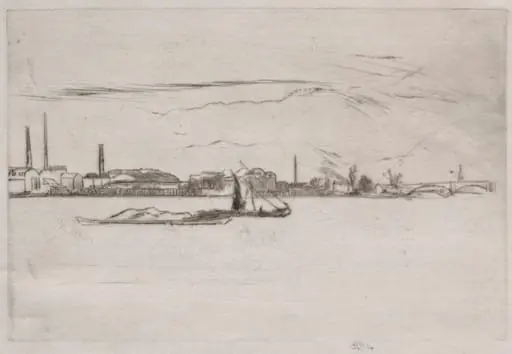
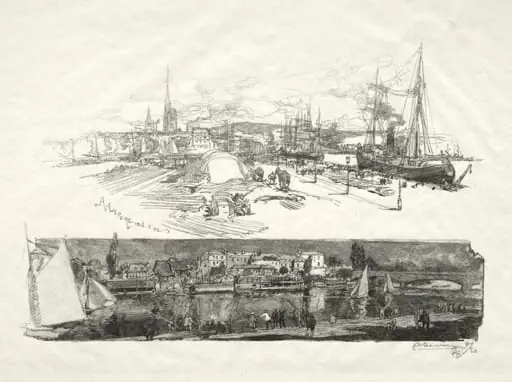
The Clyde from the series The Arteries of Great Britain is a print by William Walcot. It dates from 1922 and is held in the collection of the Cleveland Museum of Art.
About this work
Overview
Created in 1922 by William Walcot, this print is one of twelve in the series The Arteries of Great Britain, which examines the nation’s commercial waterways.
Created in 1922 by William Walcot, this print is one of twelve in the series The Arteries of Great Britain, which examines the nation’s commercial waterways. Executed as a pen-and-ink sketch, it captures the industrial activity along the River Clyde. The work is held in the collection of The Cleveland Museum of Art, where it serves as a documentary record of early 20th-century British maritime industry.
Subject & Meaning
The scene depicts a bustling shipyard with towering cranes, partially built vessels, and stacked cargo. Rather than idealizing the harbor, Walcot emphasizes the disorder and energy of industrial labor. The title, referencing arteries, frames the Clyde as a vital conduit of national commerce, suggesting that economic lifeblood flowed through such sites of production and transport.
Technique & Style
Walcot employed rapid, expressive pen lines to convey movement and density without fine detail. The sketch-like quality suggests on-site observation, prioritizing the impression of activity over precision. Ink washes and varied line weights create depth and texture, allowing the viewer to perceive the scale of machinery and the clutter of the yard through suggestion rather than rendering.
History & Provenance
The print was produced as part of a commissioned series documenting Britain’s key waterways for economic and cultural study. It entered The Cleveland Museum of Art’s collection in the 20th century, likely through acquisition or donation. Its preservation reflects interest in British industrial art and the role of printmaking in recording modern labor landscapes.
Context
In the early 1920s, Britain’s shipbuilding industry, centered on the Clyde, was still a global leader despite postwar economic strain. Walcot’s series emerged amid broader efforts to document national infrastructure, aligning with contemporary movements that valued industrial realism. The work reflects a cultural moment when engineering and labor were seen as defining features of British identity.
Legacy
The Arteries of Great Britain series remains a modest but significant record of Britain’s industrial geography. Walcot’s approach influenced later documentary artists who favored immediacy over polish. While not widely exhibited, the work continues to inform studies of 20th-century British printmaking and the visual representation of labor in the industrial age.
Artist & collection

Artist
William Walcot RE was a Russian-Scottish architect, graphic artist and etcher, notable as a architect of refined Art Nouveau in Moscow, Russia.

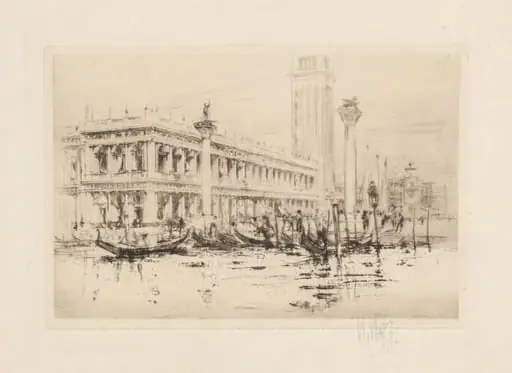 The Venice Set: The Library of St. Mark’s
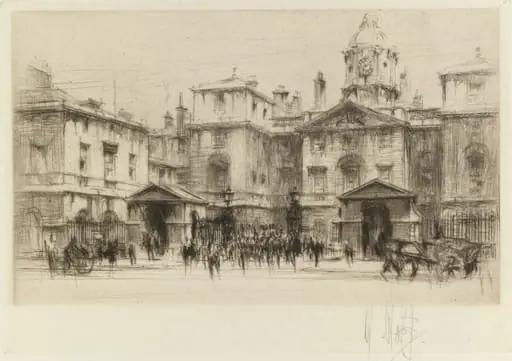 London Set: Horseguards
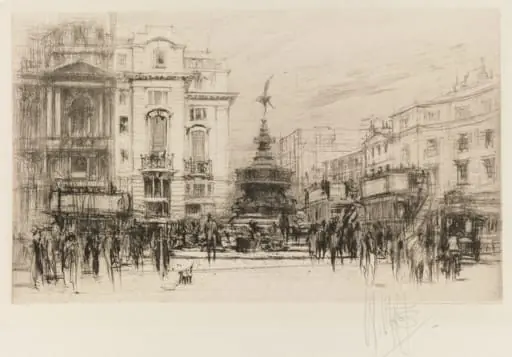 London Set: Piccadilly Circus (with Criterion Theatre)
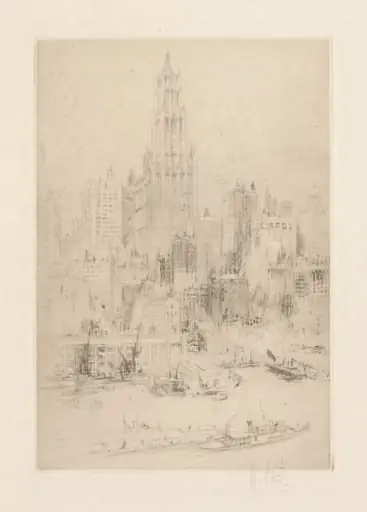 Downtown Manhattan from the East River, with the Woolworth Building
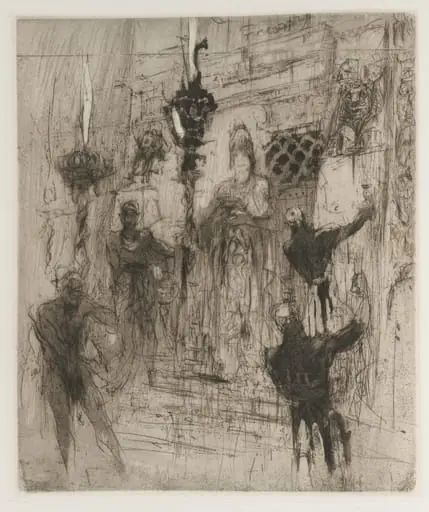 Herodias
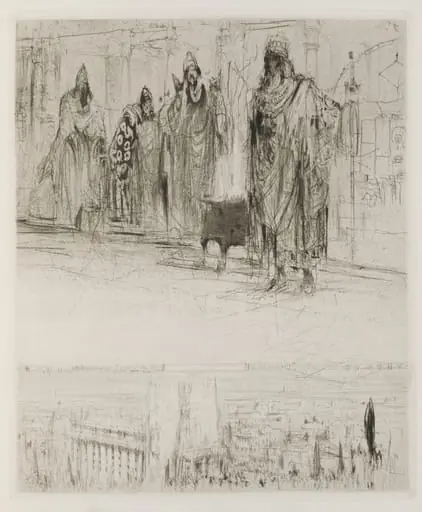 Herodias: Page 13, The tetrarch was awaited by several Galileans, the master of scribes, the chief of the land steward, the manager of the salt mines, and a Jew from Babylon commanding his troops on horse
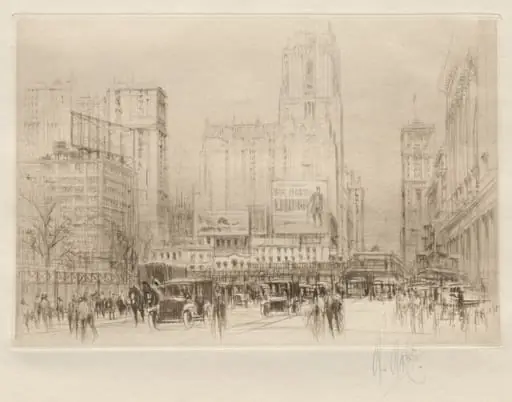 Forty-second Street NY
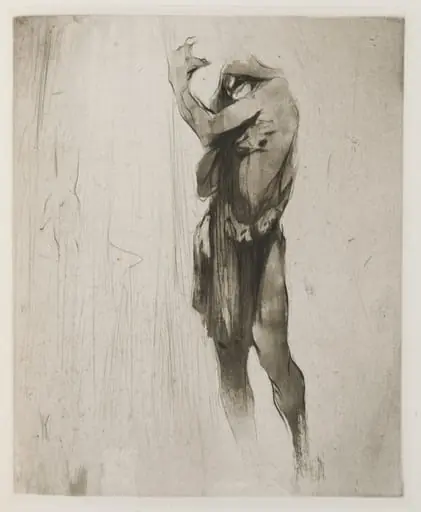 Herodias: Page 27, The voice rose: Woe to thee, Pharisees and Sadducees, race of vipers, bursting with pride!