Artwork
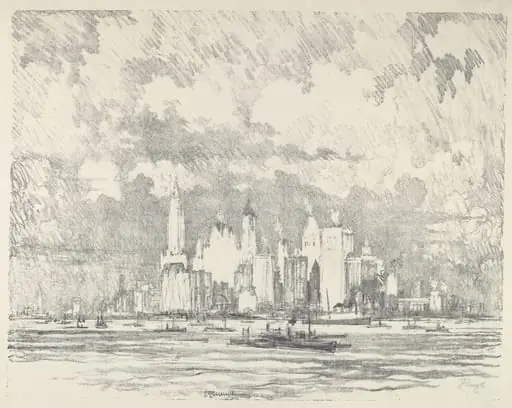
Downtown Manhattan from the East River, with the Woolworth Building
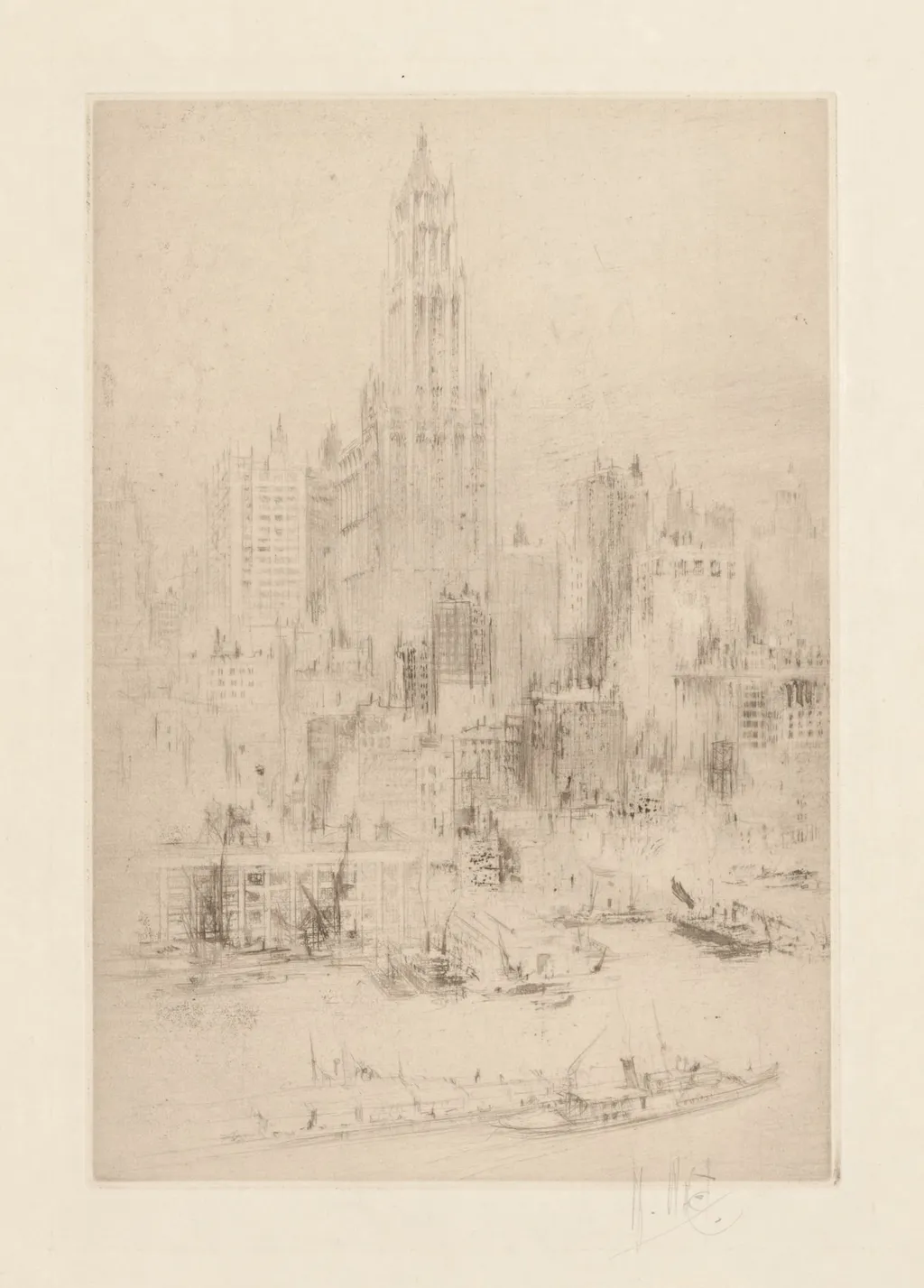
Downtown Manhattan from the East River, with the Woolworth Building is a print by William Walcot. It dates from 1924 and is held in the collection of the Cleveland Museum of Art.
About this work
Overview
Executed in a precise, linear style, the work reflects early 20th-century interest in architectural modernity and the changing skyline of New York City.
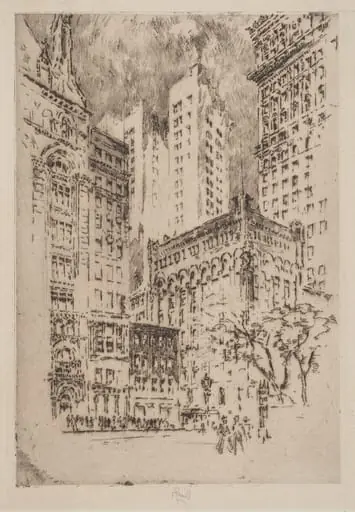
Created in 1924, this print by William Walcot captures a panoramic view of Lower Manhattan as seen from the East River. The composition centers on the Woolworth Building, then the tallest structure in the world, rising above the dense urban fabric. Executed in a precise, linear style, the work reflects early 20th-century interest in architectural modernity and the changing skyline of New York City.
Subject & Meaning
The Woolworth Building dominates the scene as a symbol of commercial ambition and technological progress. Surrounding buildings, ships, and the river suggest the rhythm of urban life. Walcot’s focus on the skyline, rather than human activity, conveys a sense of impersonal grandeur, emphasizing the city as a constructed environment shaped by industry and finance.
Technique & Style
Walcot employed etching and drypoint to achieve fine, intricate lines that define the building’s ornate façade and the reflective surface of the water. The contrast between sharp architectural details and softer atmospheric tones creates depth. His approach blends architectural precision with subtle tonal gradations, characteristic of early modernist printmaking.
History & Provenance
The print was produced during a period of rapid skyscraper construction in New York and entered The Cleveland Museum of Art’s collection shortly after its creation. It reflects the museum’s early interest in American graphic arts and urban themes. No significant changes in ownership are documented prior to its acquisition by the museum.
Context
In the 1920s, New York’s skyline became a cultural touchstone, representing economic power and modernity. Walcot, a British-born artist based in London, was drawn to American architecture as a subject of international significance. His prints of New York were part of a broader European fascination with the city’s vertical expansion during the postwar era.
Legacy
Walcot’s print remains a documented example of how European artists interpreted American urban development. While not widely known today, it contributes to the historical record of early 20th-century architectural representation in print media, offering insight into how cities were visually framed during a time of unprecedented growth.
Artist & collection

Artist
William Walcot RE was a Russian-Scottish architect, graphic artist and etcher, notable as a architect of refined Art Nouveau in Moscow, Russia.

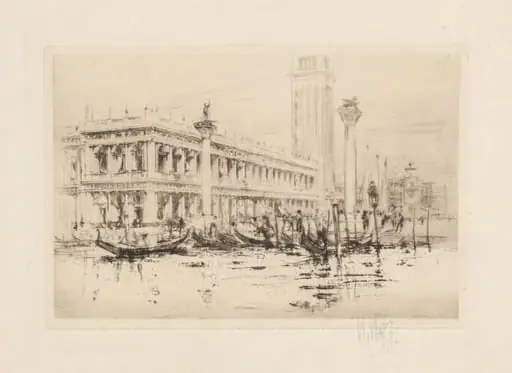 The Venice Set: The Library of St. Mark’s
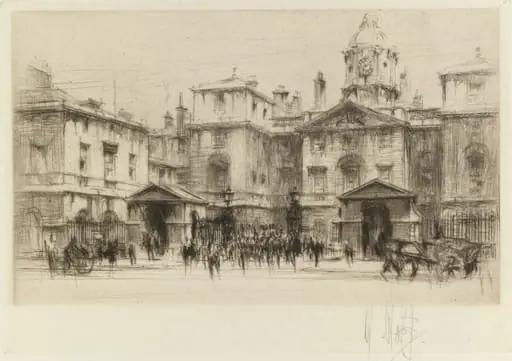 London Set: Horseguards
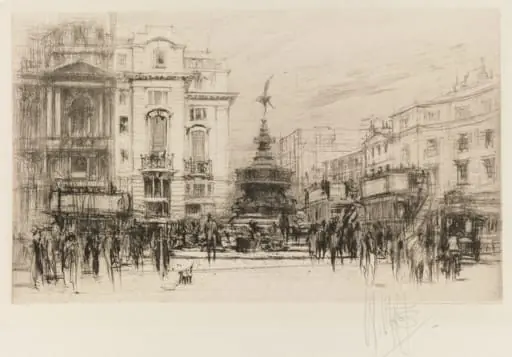 London Set: Piccadilly Circus (with Criterion Theatre)
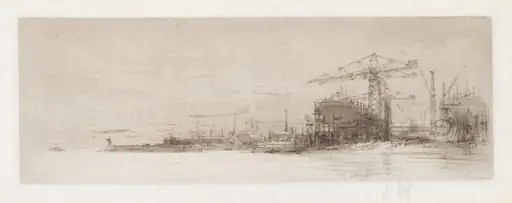 The Clyde from the series The Arteries of Great Britain
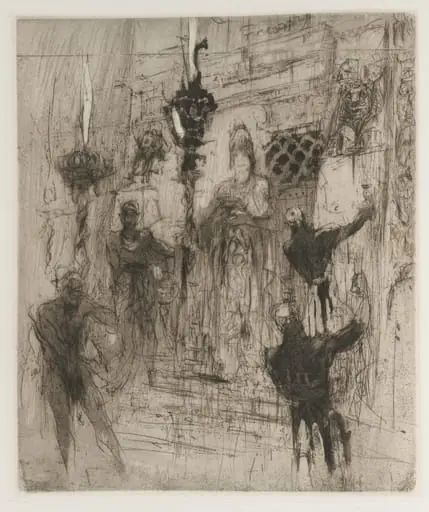 Herodias
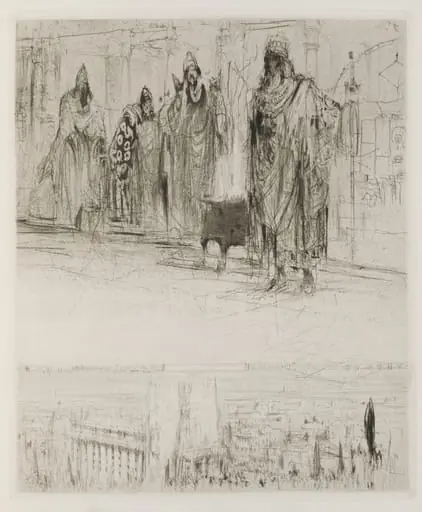 Herodias: Page 13, The tetrarch was awaited by several Galileans, the master of scribes, the chief of the land steward, the manager of the salt mines, and a Jew from Babylon commanding his troops on horse
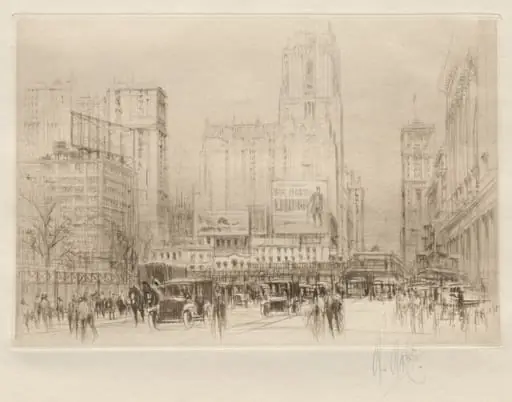 Forty-second Street NY
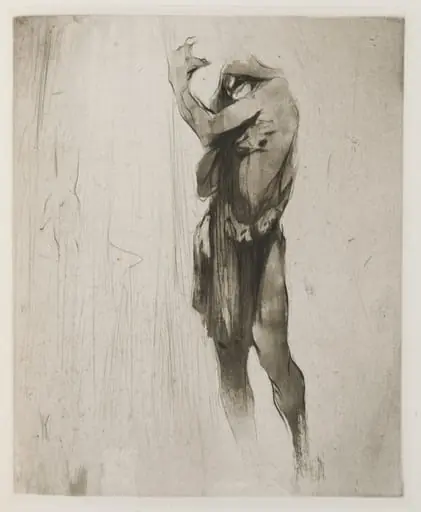 Herodias: Page 27, The voice rose: Woe to thee, Pharisees and Sadducees, race of vipers, bursting with pride!