Artwork
Le Départ d'Israélites pour la Terre sainte (scène algérienne)
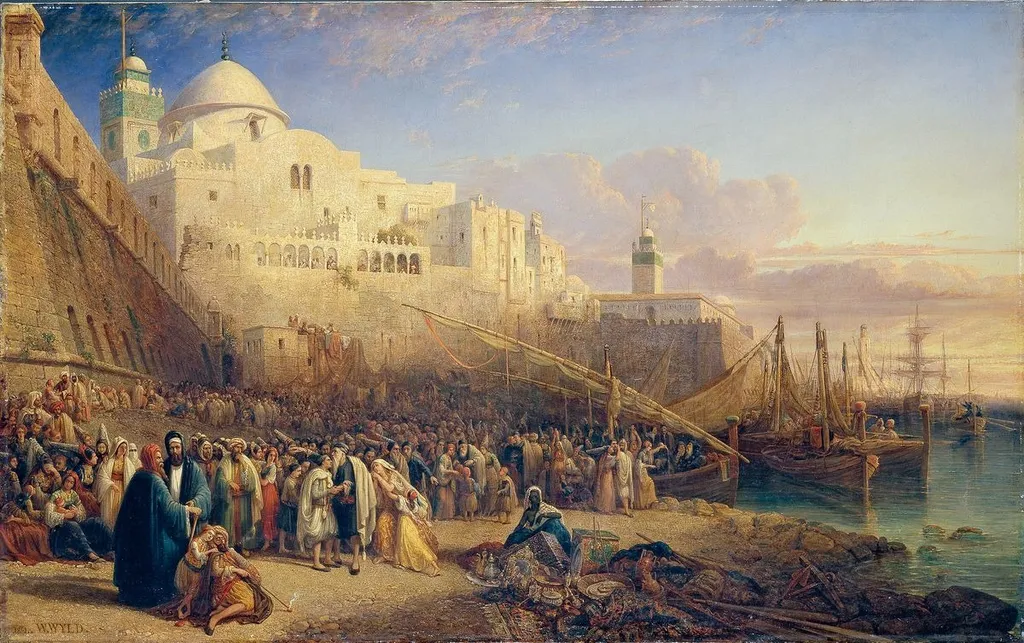
Le Départ d'Israélites pour la Terre sainte (scène algérienne) is an oil painting by Wyld. It dates from 1841 and is held in the collection of the Museum of Fine Arts of Lyon.
About this work
Overview
Though Wyld was primarily known for his watercolor landscapes and his ties to French artistic circles, this work stands as a rare narrative scene in his oeuvre.
Painted in 1841 by the English artist William Wyld, this oil on canvas depicts a moment of departure in an Algerian harbor. Though Wyld was primarily known for his watercolor landscapes and his ties to French artistic circles, this work stands as a rare narrative scene in his oeuvre. It is part of the permanent collection at the Museum of Fine Arts in Lyon, where it has remained since its creation.
Subject & Meaning
The painting portrays a group of Jewish emigrants preparing to depart for the Holy Land, set against the backdrop of an Algerian coastal town. The figures, dressed in regional attire, are arranged in a dynamic, everyday composition—some seated, others standing or moving with belongings. The scene suggests a pilgrimage or migration, blending religious aspiration with the mundane reality of travel, without overt symbolism or idealization.
Technique & Style
Wyld employs a clear, observational style typical of 19th-century topographical painting. The brushwork is precise but not overly detailed, favoring atmospheric clarity over dramatic effect. The blue sky and white architecture create a luminous contrast, while the harbor’s boats and clustered figures are rendered with careful attention to spatial depth and movement, reflecting his background in landscape observation.
History & Provenance
Created during Wyld’s time in France, the painting was completed before his participation in the 1855 Exposition Universelle. It entered the collection of the Museum of Fine Arts of Lyon shortly after its completion and has remained there since. Its Algerian setting reflects contemporary European interest in North African subjects, though Wyld’s personal connection to the region remains undocumented.
Context
In the 1840s, European artists increasingly turned to North Africa as a subject, drawn by its perceived exoticism and the region’s recent colonization by France. Wyld’s depiction of Jewish emigrants in Algeria aligns with broader 19th-century narratives of displacement and pilgrimage, though it avoids religious polemic. The painting reflects a moment when Orientalist themes were gaining traction in French and British art.
Legacy
While not widely exhibited or studied today, the painting remains a quiet example of cross-cultural observation in 19th-century European art. Wyld’s choice to frame a Jewish departure within an Algerian context—rather than the Levant—hints at the fluidity of geographic and cultural identity in colonial-era imagery. It endures as a modest but distinctive record of its time.
Artist & collection
Artist
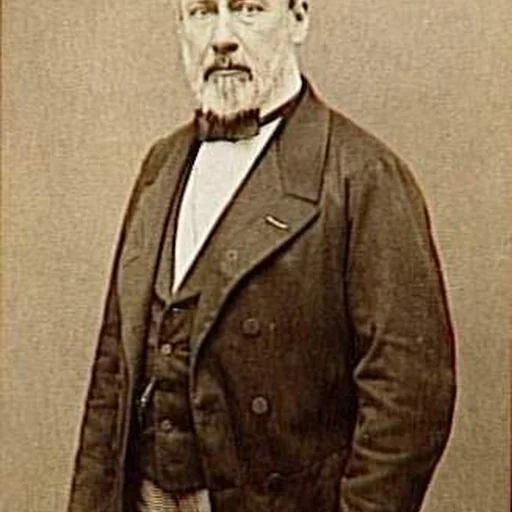
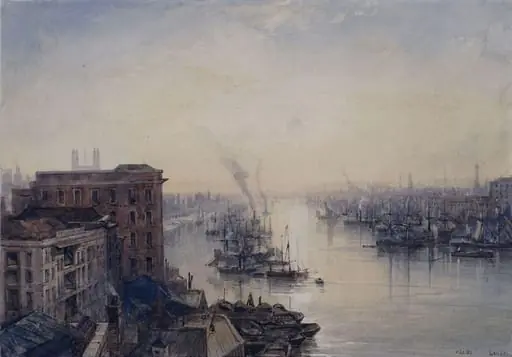
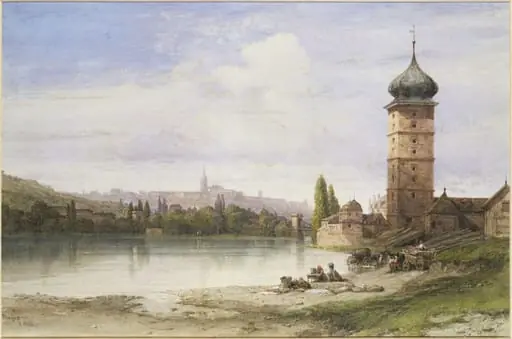
William Wyld (1806 in London – 25 December 1889 in Paris) was an English wine merchant and landscape painter, mainly in watercolour, who mostly lived in France, and mixed in French artistic circles.

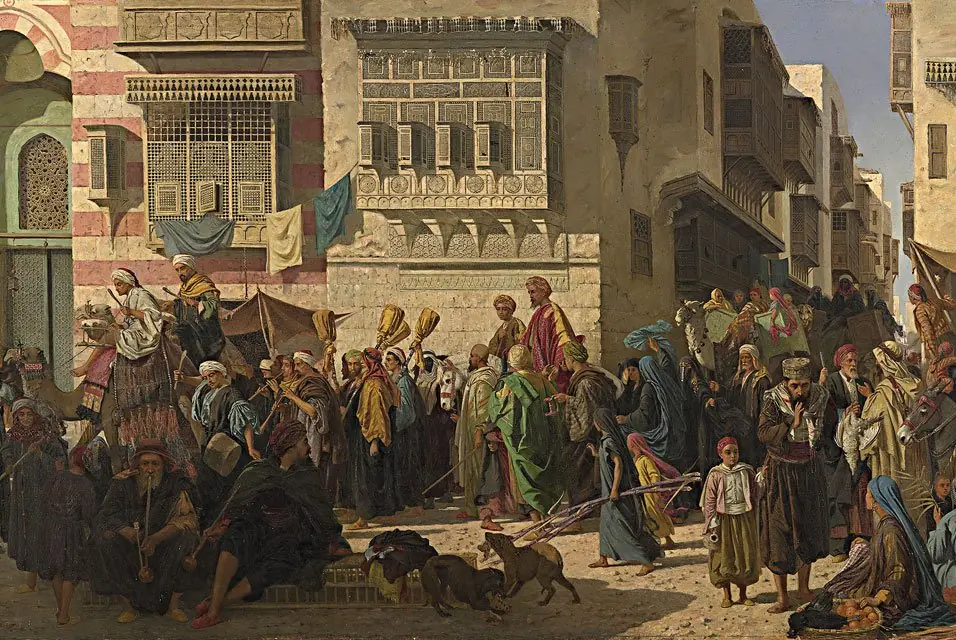 A Sheikh and his son entering Cairo on their return from a pilgrimage to Mecca
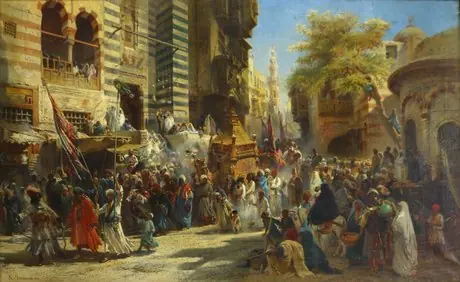 Muhammed's carpet moving from Mecca to Cairo
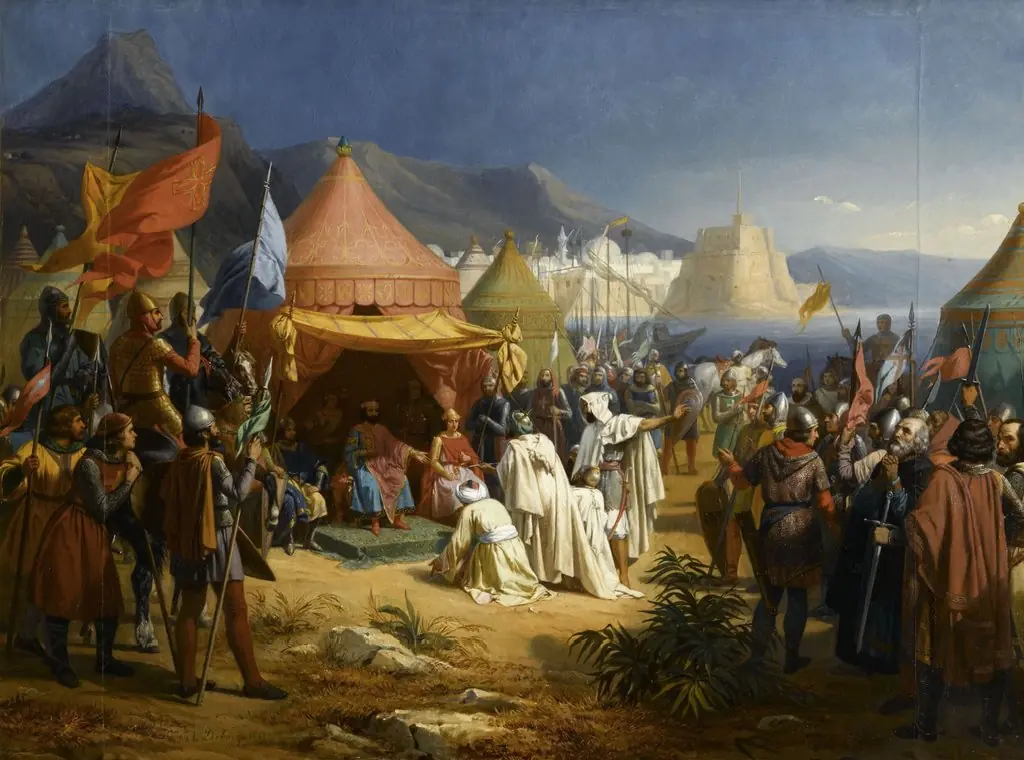 Conquest of Tripoli
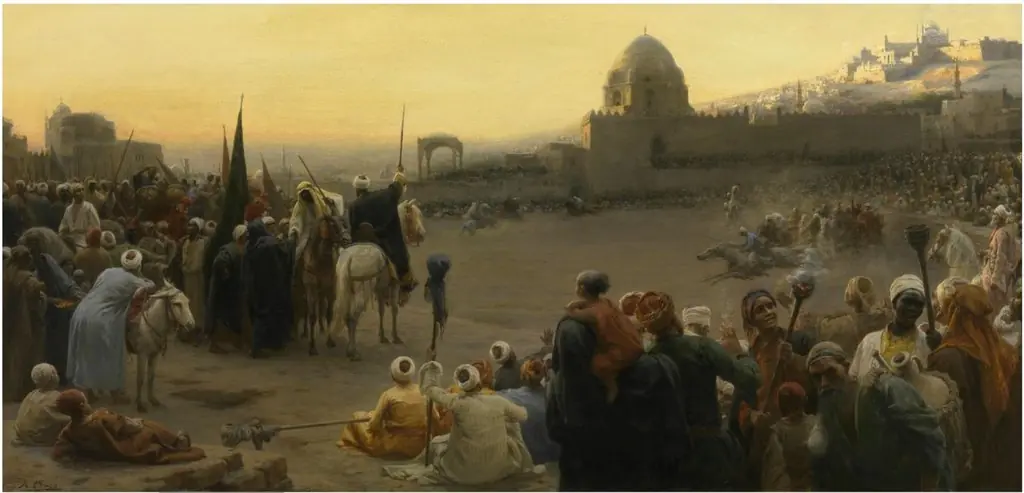 Fantasia in Egypt
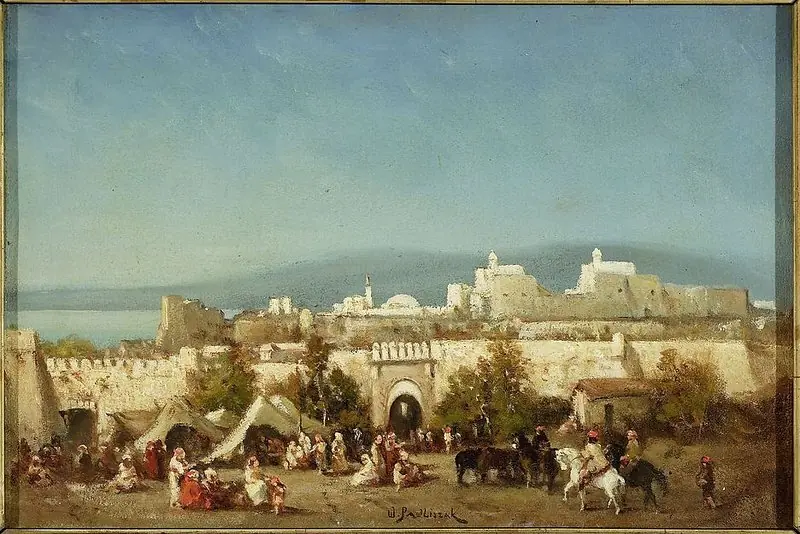 Southern landscape with staffage
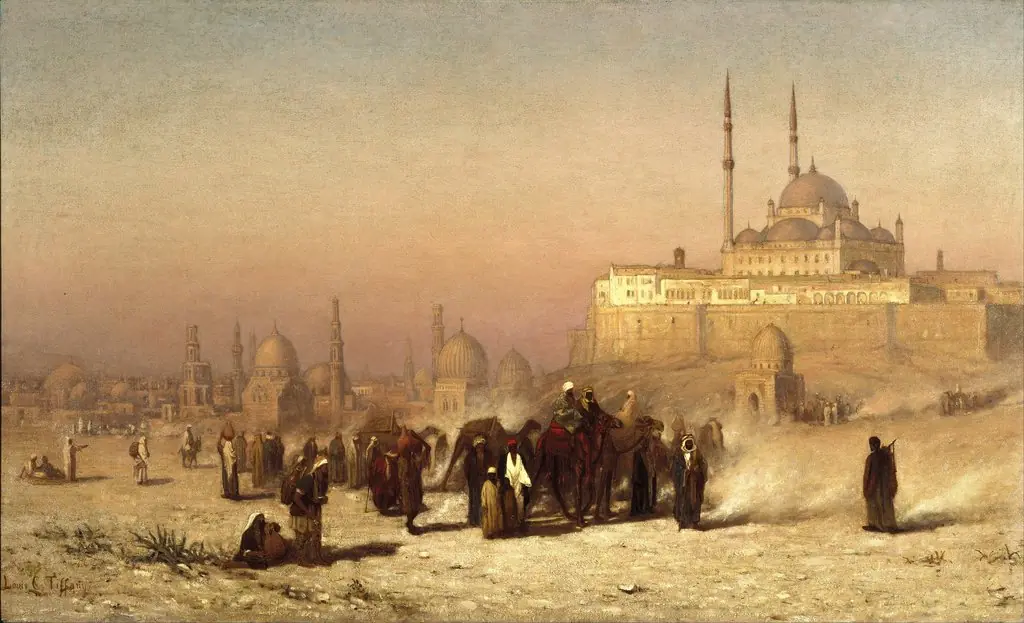 On the Way between Old and New Cairo, Citadel Mosque of Mohammed Ali, and Tombs of the Mamelukes
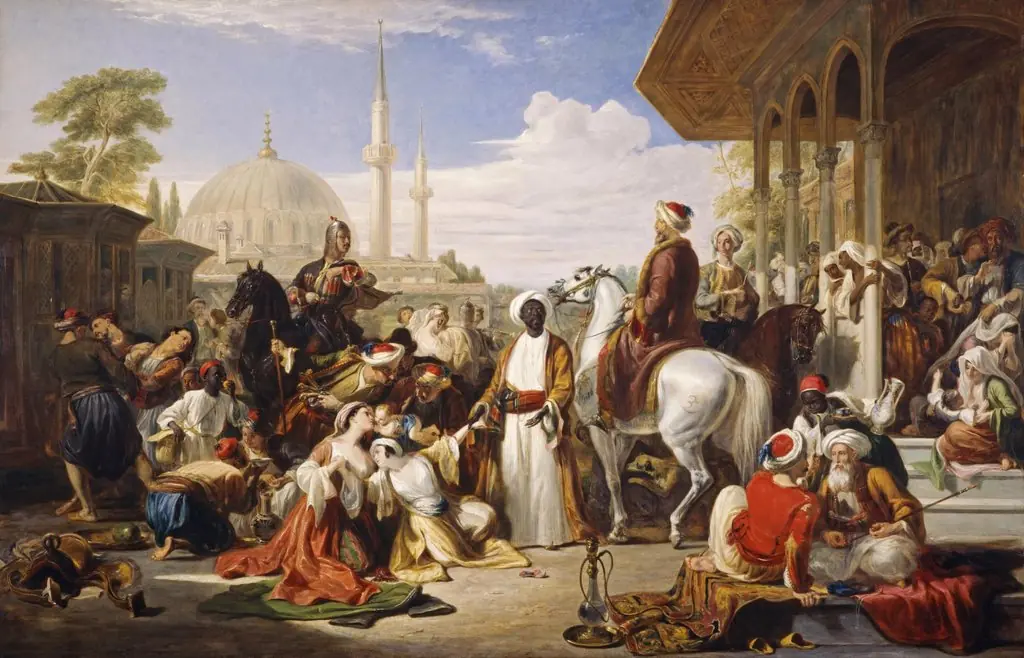 The Slave Market, Constantinople
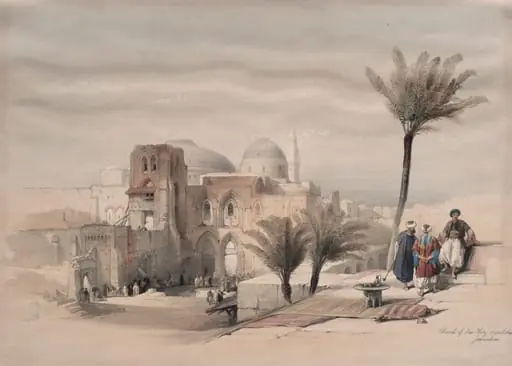 Church of the Holy Sepulchre, Jerusalem
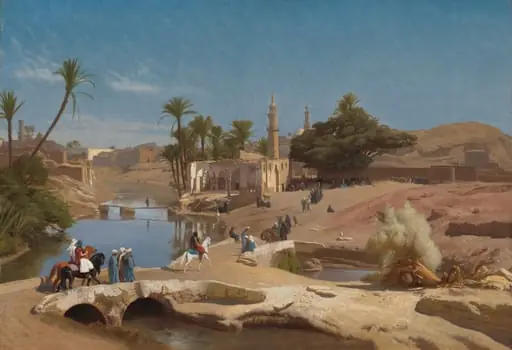 View of Medinet El-Fayoum
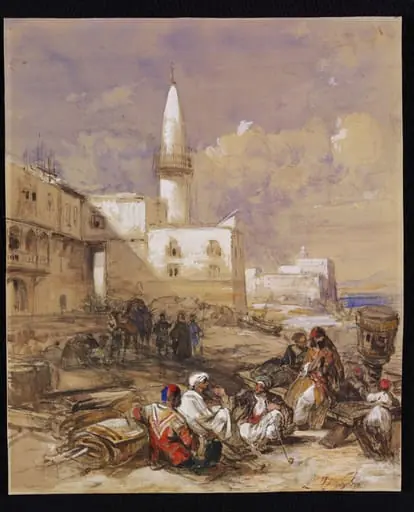 The Quay at Suez
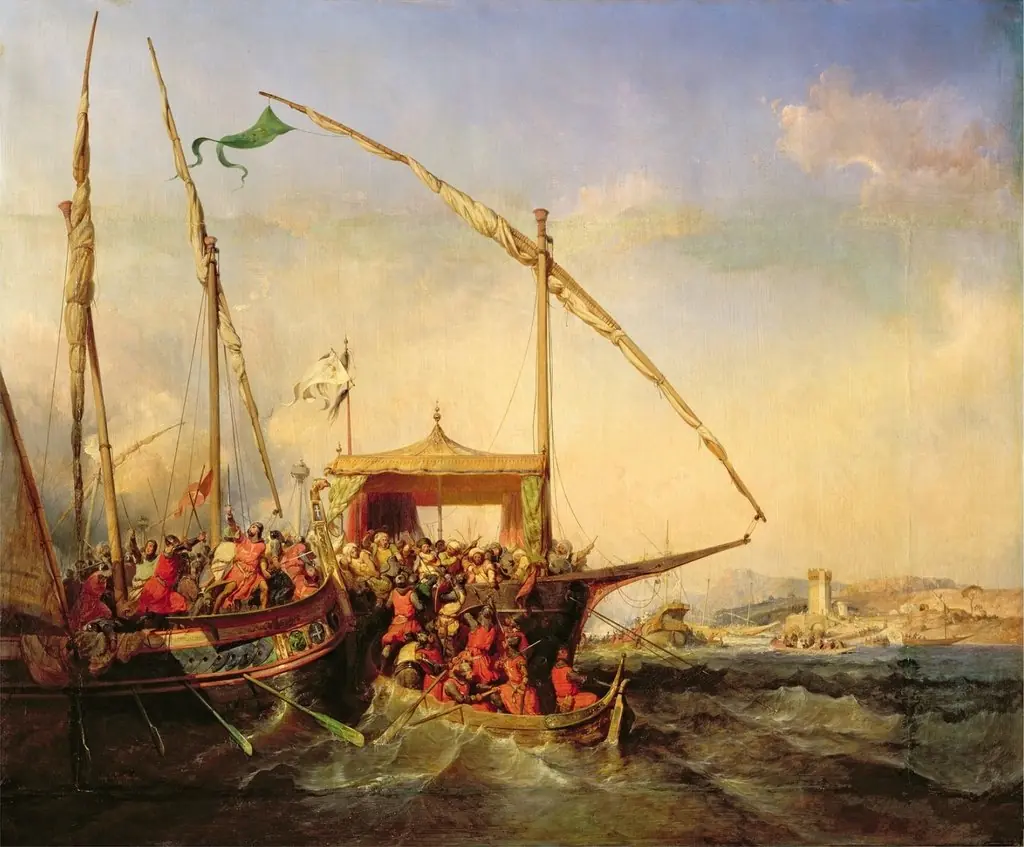 Naval Battle of Imbre in 1346
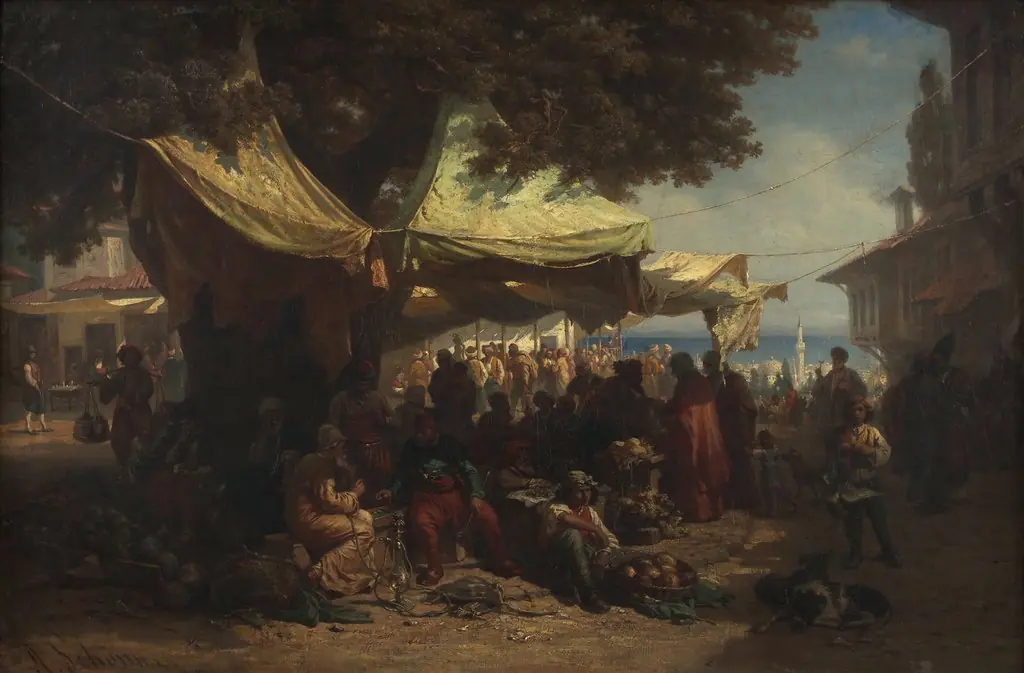 Constantinople Market