Artwork
A Castle on a Cliff
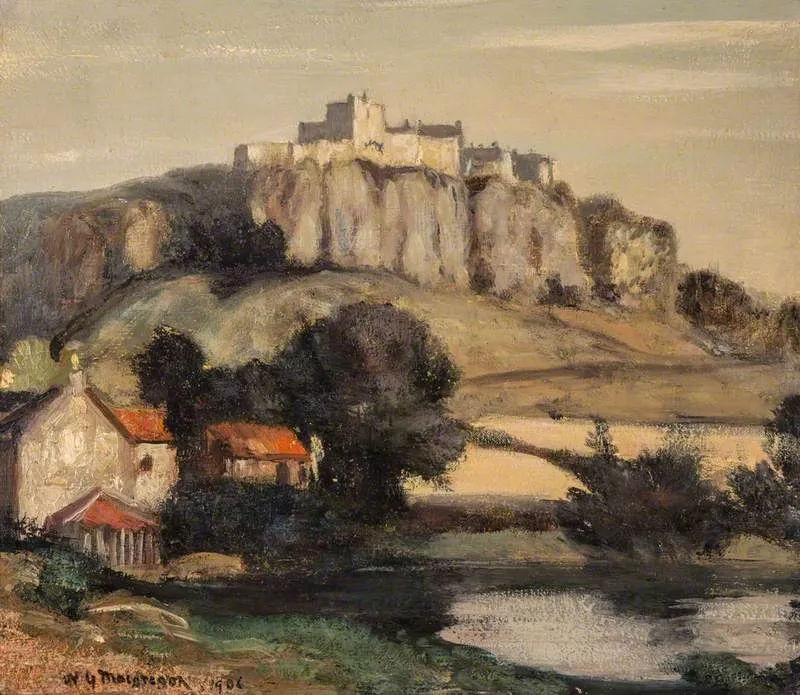
A Castle on a Cliff is an oil painting by the Post-Impressionist artist William York Macgregor. It dates from 1906 and is held in the collection of the National Galleries Scotland.
About this work
Overview
The work is part of the Scottish National Gallery’s collection, representing a quiet moment in the transition toward modern landscape painting in Scotland.
Painted in 1906 by Scottish artist William York MacGregor, *A Castle on a Cliff* is an oil-on-canvas landscape that reflects the evolving sensibilities of late 19th-century Scottish art. MacGregor, associated with the Glasgow Boys, moved beyond traditional academic approaches to embrace a more personal, atmospheric style. The work is part of the Scottish National Gallery’s collection, representing a quiet moment in the transition toward modern landscape painting in Scotland.
Subject & Meaning
The painting presents a solitary castle perched on a rugged cliff overlooking water, with a modest red-roofed cottage in the foreground. Rather than emphasizing historical grandeur, MacGregor focuses on the harmony between human habitation and natural terrain. The composition suggests contemplation rather than narrative, inviting quiet observation of place rather than dramatizing its past. The absence of figures enhances the sense of stillness and timelessness.
Technique & Style
MacGregor employed loose, textured brushwork and a restrained palette dominated by warm golds, earth tones, and muted greens. The castle’s stonework is suggested through layered strokes rather than precise detail, while foliage is rendered with soft, rhythmic touches. This approach aligns with post-impressionist tendencies—prioritizing mood and light over topographical accuracy. The surface retains a tactile quality, emphasizing the artist’s hand and the materiality of paint.
History & Provenance
Created in 1906, the painting entered the Scottish National Gallery’s collection shortly after its completion. MacGregor, a respected figure in Scottish art circles, was known for his consistent output and commitment to painting from direct observation. While not widely exhibited during his lifetime, the work has remained in public hands since its acquisition, reflecting its enduring place within the national artistic record.
Context
MacGregor worked alongside the Glasgow Boys, a group that challenged academic conventions by painting outdoors and capturing everyday Scottish scenes with fresh observation. Though less radical than some peers, his landscapes contributed to a broader shift toward naturalism and emotional resonance. *A Castle on a Cliff* reflects this movement’s interest in light, atmosphere, and the quiet dignity of the Scottish countryside.
Legacy
The painting endures as a representative example of MacGregor’s mature style and the quieter side of the Glasgow Boys’ legacy. It does not seek to shock or revolutionize but instead offers a measured, lyrical vision of landscape. Its continued presence in the Scottish National Gallery underscores its role in documenting a generation’s evolving relationship with place, light, and the natural world.
Artist & collection
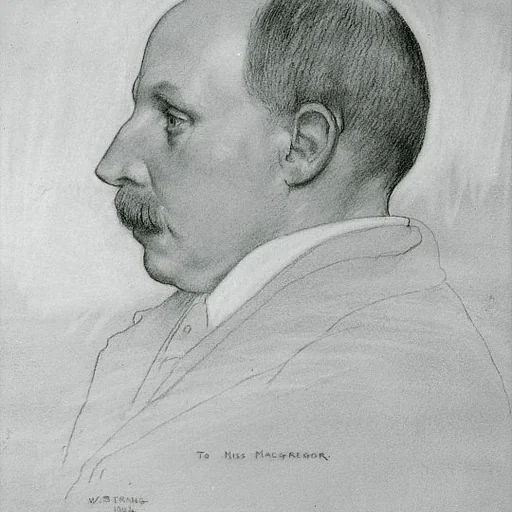
Artist
William York MacGregor (14 October 1855 – 28 September 1923) was a Scottish landscape painter, and leading figure of the Glasgow Boys.

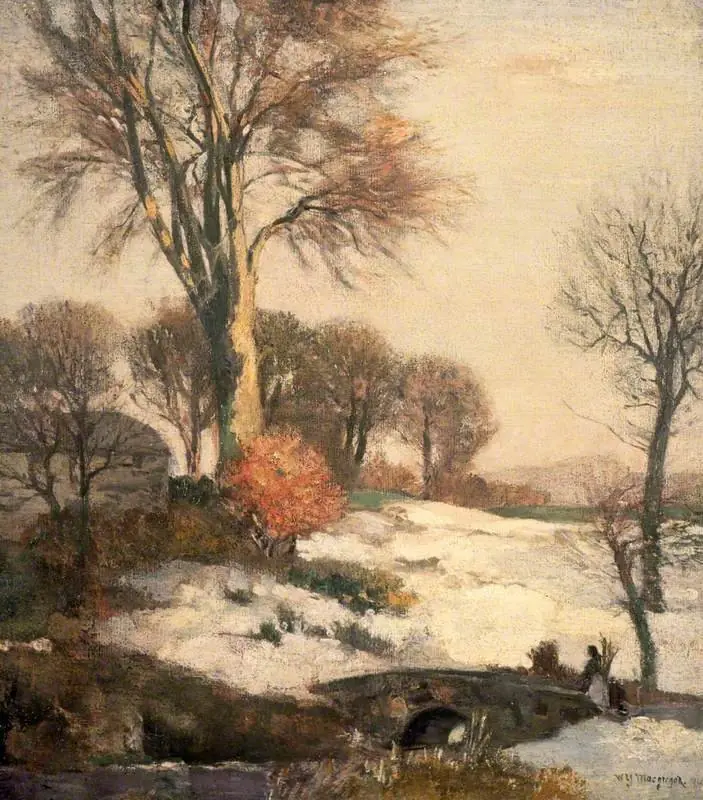
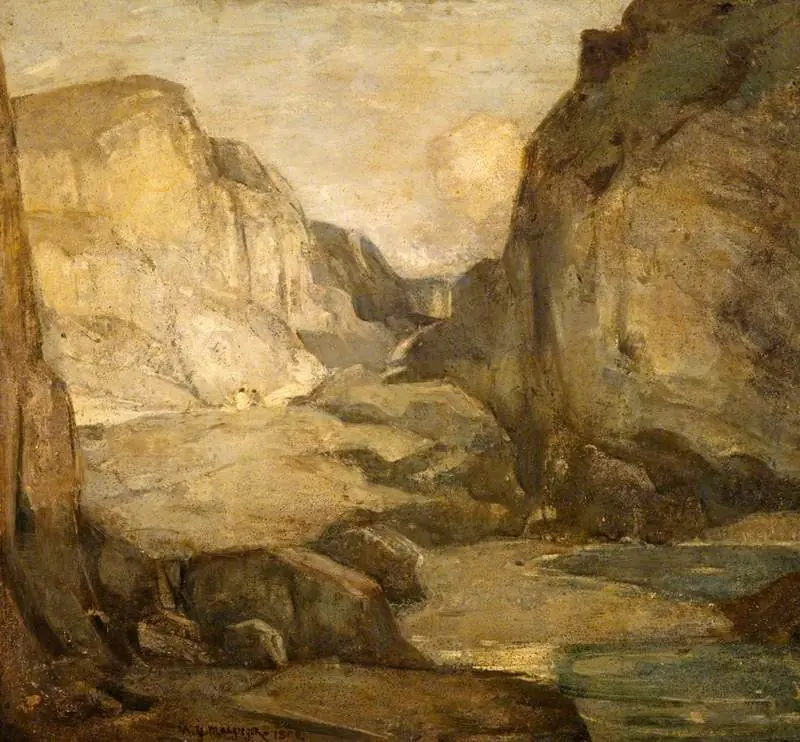
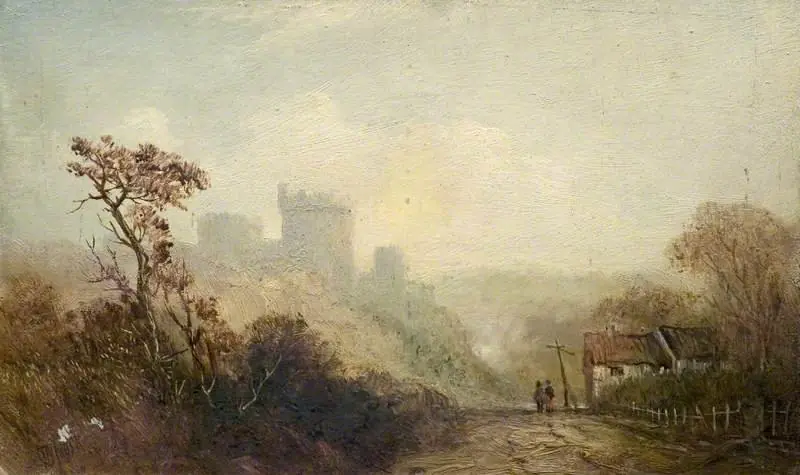 Castle Landscape*
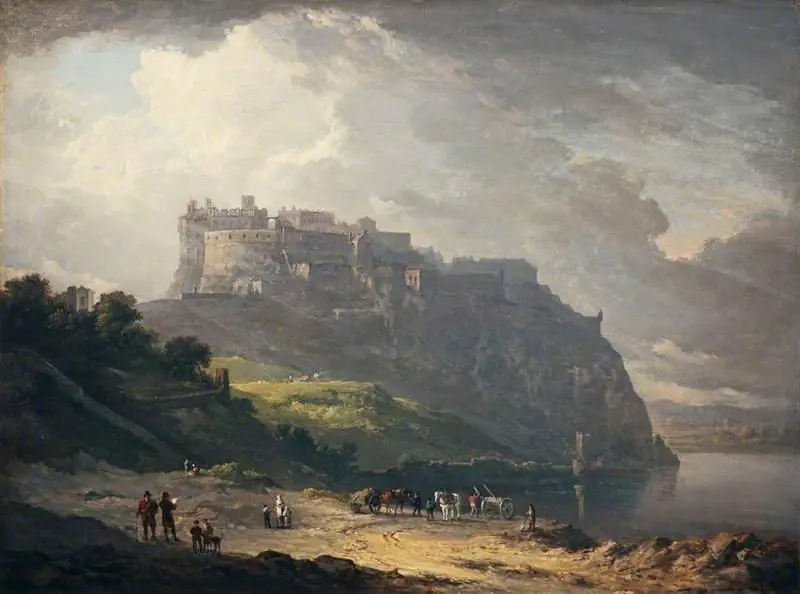 Edinburgh Castle and the Nor' Loch
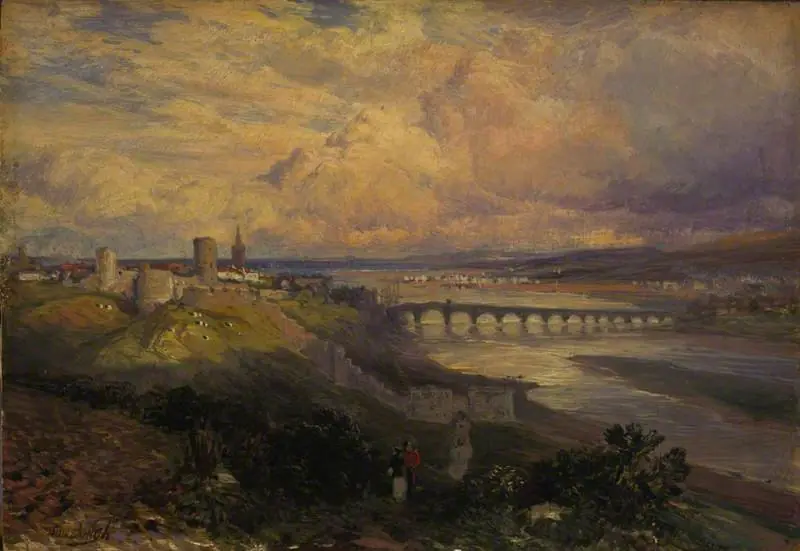 Berwick-on-Tweed
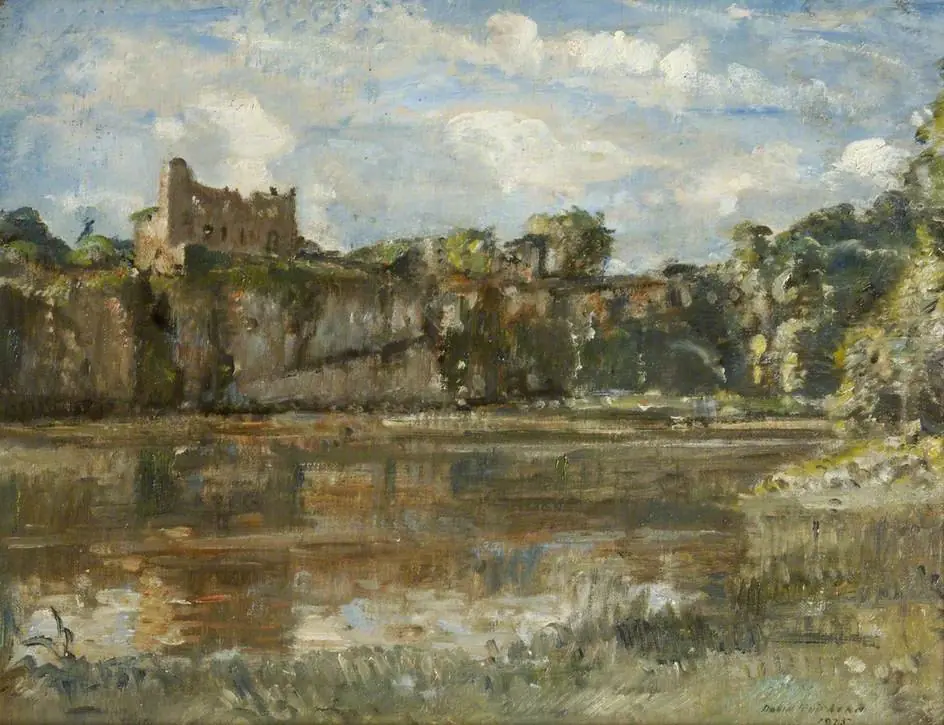 Chepstow Castle
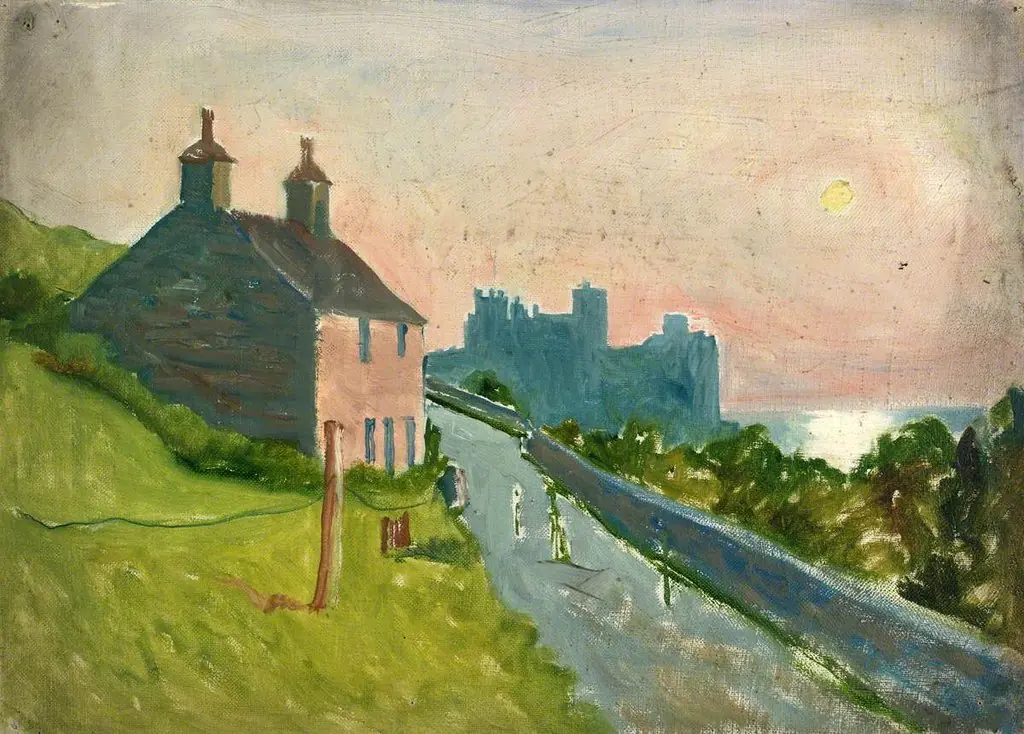 Harlech
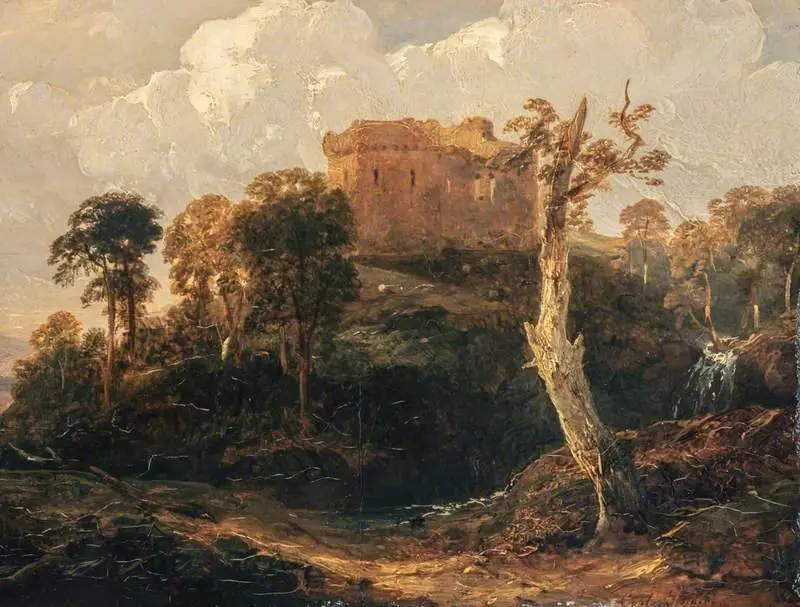 Newark Castle
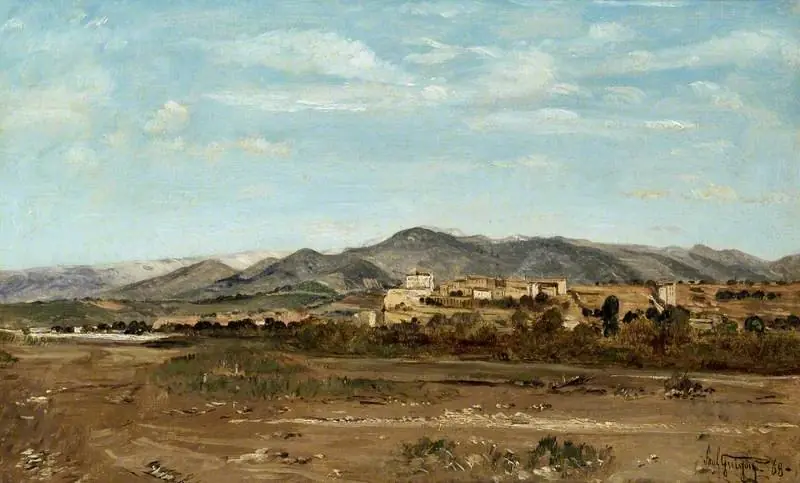 Village of Lauris, in Vaucluse on the Banks of the River Durance
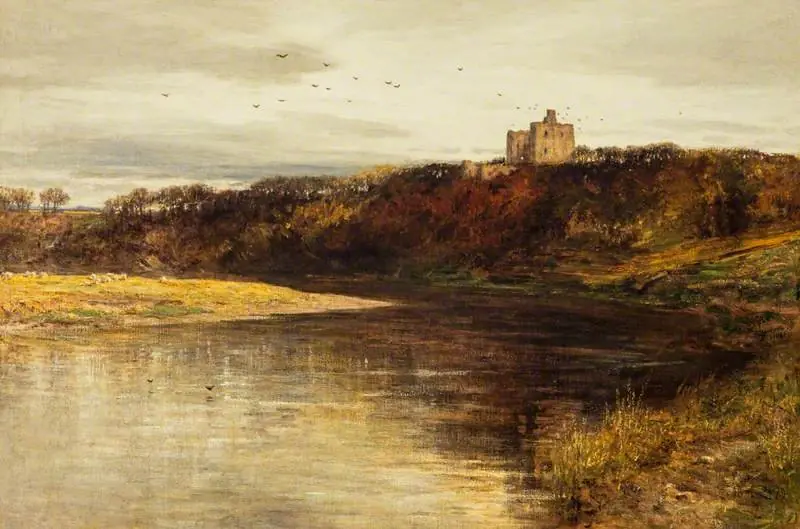 Norham Castle
 Dryslyn Castle, in the Vale of Towy, South Wales
 Bernkastel on the Moselle
 The Vale of Dedham from Langham
 The Castle on the Rock