Artwork
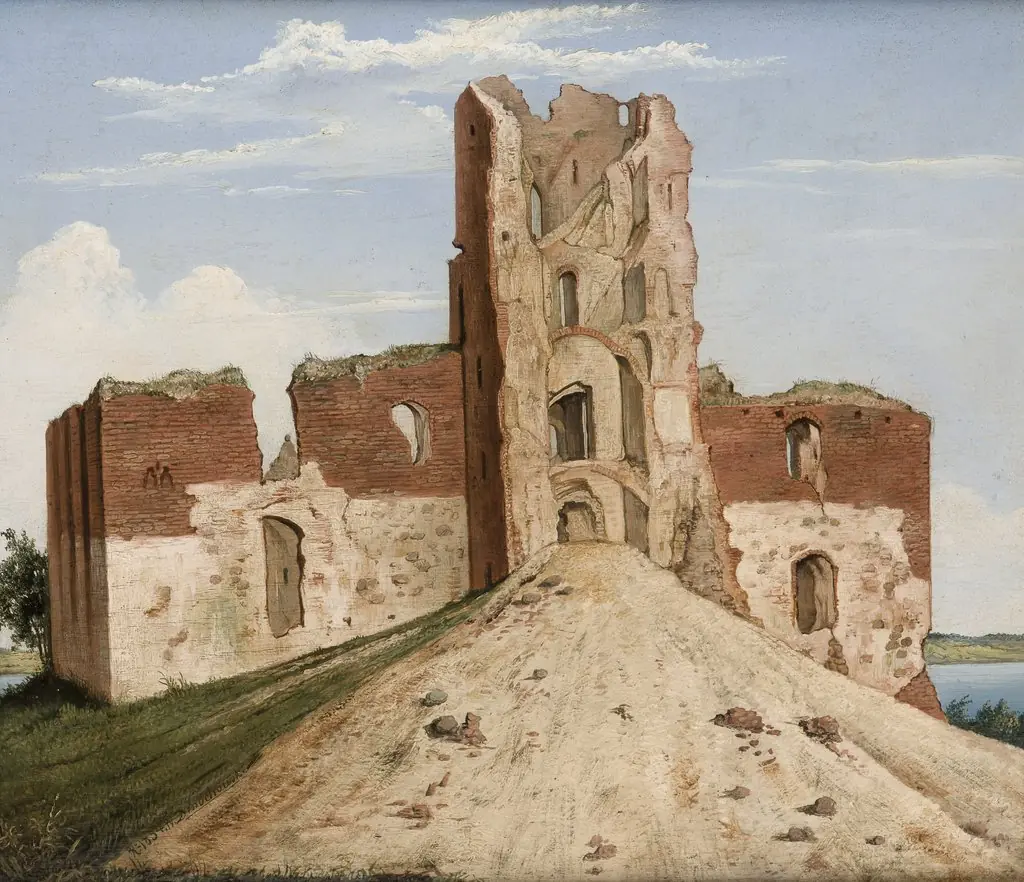
Ruins of the Miedniki Castle
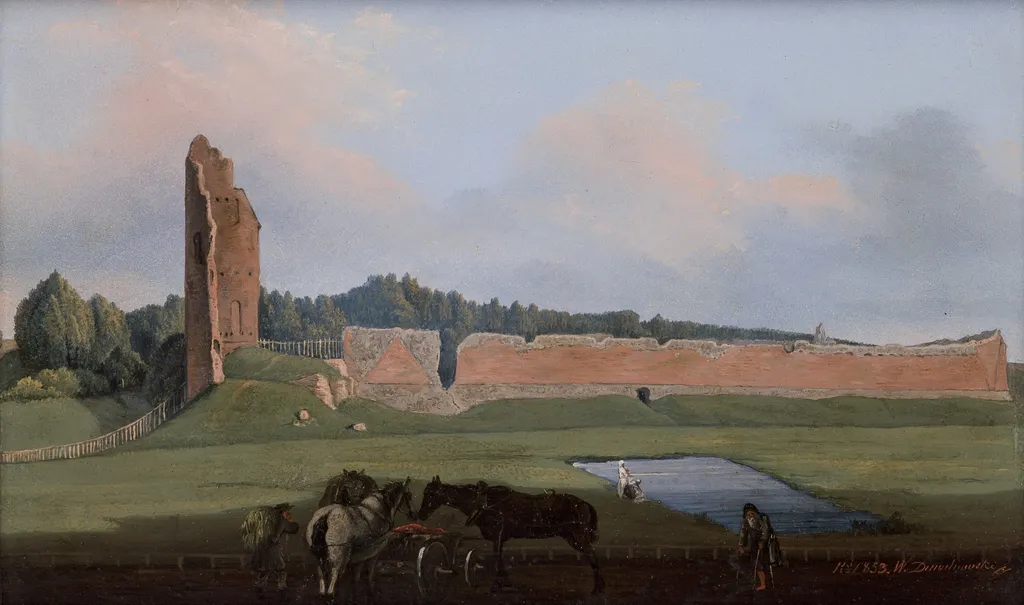
Ruins of the Miedniki Castle is an oil painting by Wincenty Dmochowski. It dates from 1853 and is held in the collection of the National Museum in Kraków.
About this work
Overview
This piece aligns with Romantic-era sensibilities, focusing on quiet decay and the passage of time rather than overt drama.
Painted in 1853 by Wincenty Dmochowski, *Ruins of the Miedniki Castle* is an oil-on-canvas work that captures the remnants of a once-grand structure in the Lithuanian countryside. Dmochowski, active within the Russian Empire’s cultural sphere, was known for his scenic designs and landscape paintings. This piece aligns with Romantic-era sensibilities, focusing on quiet decay and the passage of time rather than overt drama.
Subject & Meaning
The painting presents the skeletal remains of Miedniki Castle, its red-brick walls and slender tower rising above a tranquil rural scene. A horse-drawn cart and three figures—a woman near a pond, two men at work—introduce human presence without narrative urgency. The ruins serve not as monuments to loss, but as quiet witnesses to history, their stillness contrasting with the gentle activity of daily life around them.
Technique & Style
Dmochowski employed a restrained palette of earthy greens, browns, and soft blues to evoke atmospheric harmony. Brushwork is deliberate but unobtrusive, favoring tonal gradations over sharp detail. The composition balances architectural ruin with natural elements, placing the castle in the middle distance while foreground figures anchor the scene in ordinary reality. This approach reflects Romanticism’s preference for mood over spectacle.
History & Provenance
The painting entered the collection of the National Museum in Kraków in the 19th century, likely through regional acquisitions or donations. Its survival and preservation reflect the museum’s early interest in documenting cultural heritage across the former Polish-Lithuanian Commonwealth. Dmochowski’s connection to Vilnius and his role as a scenographer suggest the work may have originated from a broader effort to record regional architecture.
Context
Created during a period of political fragmentation after the November Uprising, the painting resonates with contemporary reflections on lost sovereignty and fading aristocratic structures. While not overtly political, its focus on abandoned noble residences aligns with broader cultural trends in Central Europe, where ruins became subtle symbols of historical continuity amid imperial control.
Legacy
Though Dmochowski is not widely known outside regional art histories, *Ruins of the Miedniki Castle* remains a representative example of 19th-century Polish-Lithuanian landscape painting. It contributes to a visual record of vernacular architecture and rural life under imperial rule, offering insight into how artists of the time engaged with memory, place, and quiet decay.
Own this work as a print
Artist & collection

Artist
Wincenty Dmochowski or Dmóchowski (Lithuanian: Vincentas Dmachauskas, Belarusian: Vincent Dmachoŭski; born 1805/1807, Naharodavičy, Dzyatlava District, died 6 March 1862, Vilnius) was a painter who lived in the Russian…

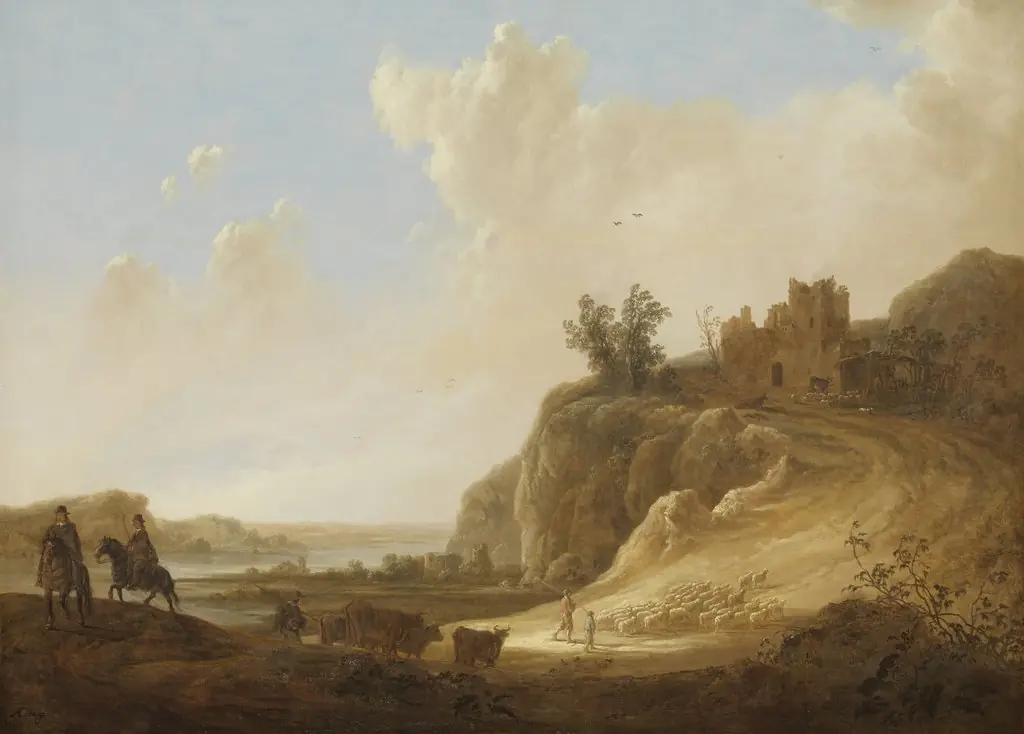 Mountainous landscape with the ruins of a castle
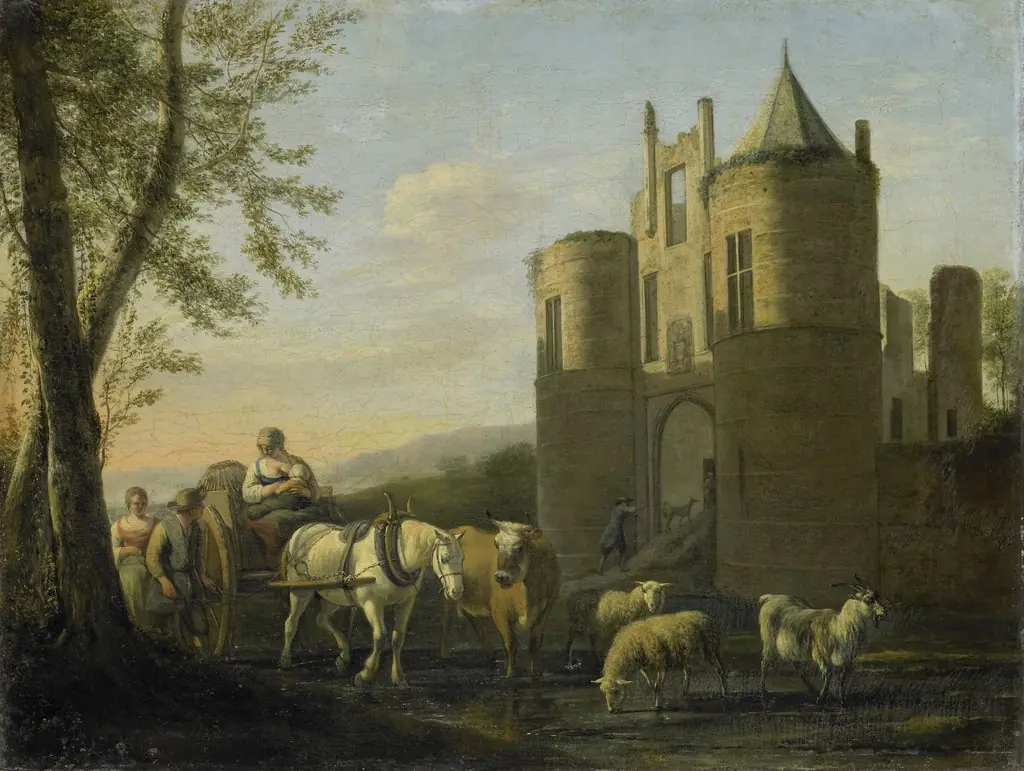 The main gate to Egmond Castle
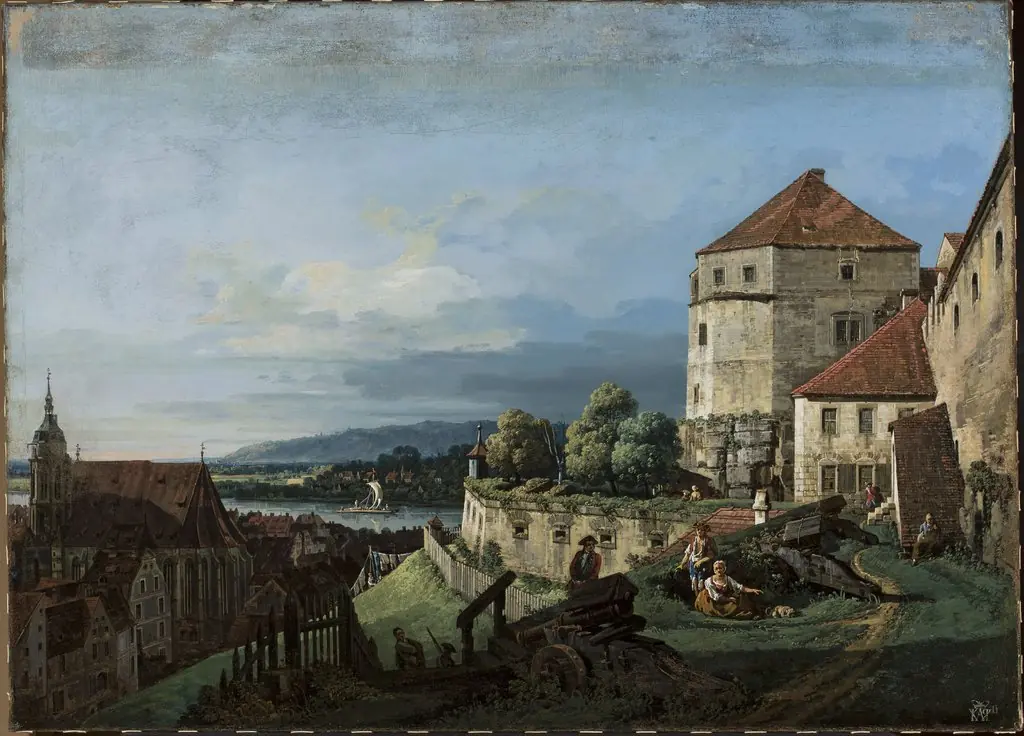 View of Pirna in Saxony
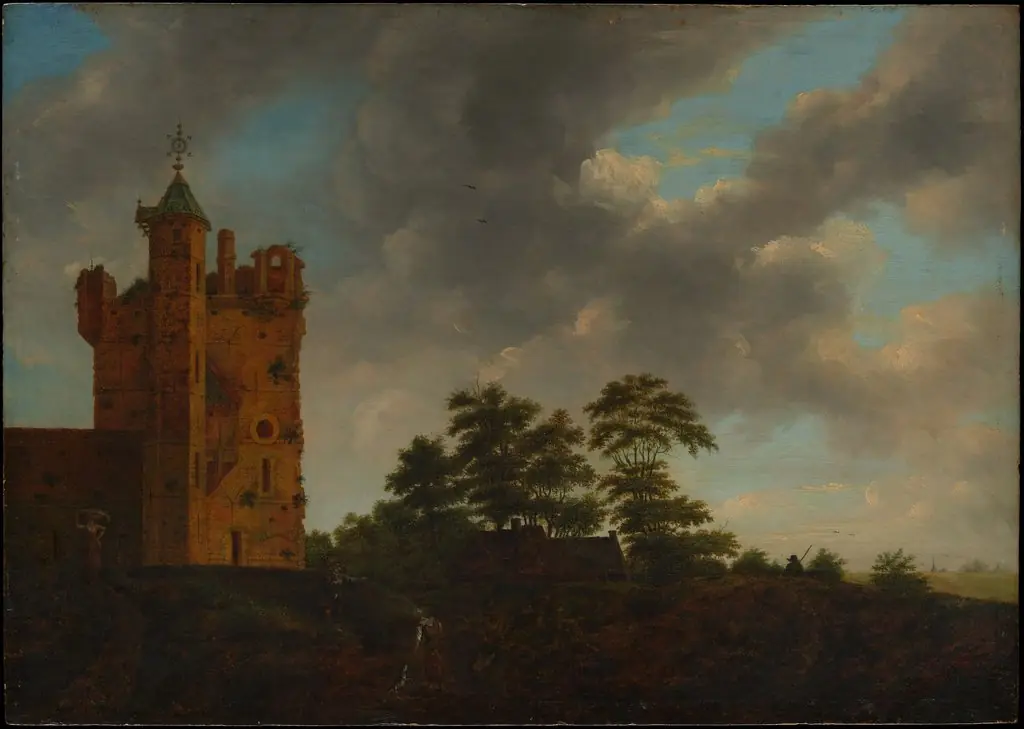 The Old Castle
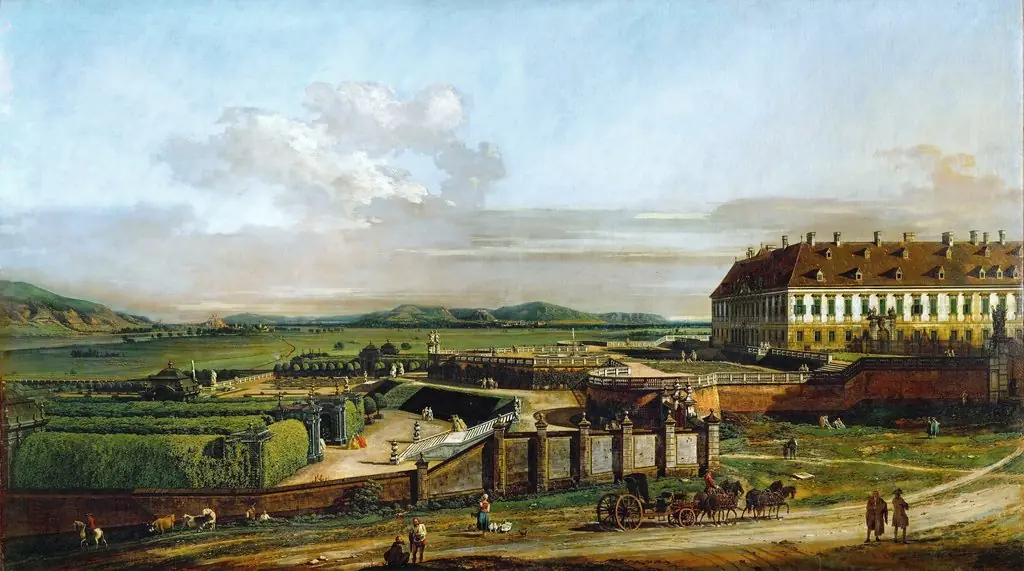 Schlosshof Castle as
 Castle Campbell, looking down Glen Devon, Clackmannanshire
 Teylingen Castle
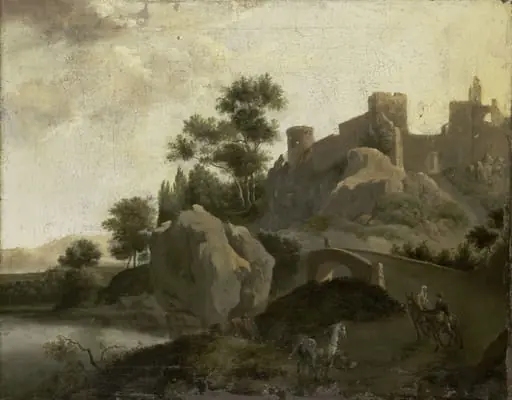 Italian Landscape
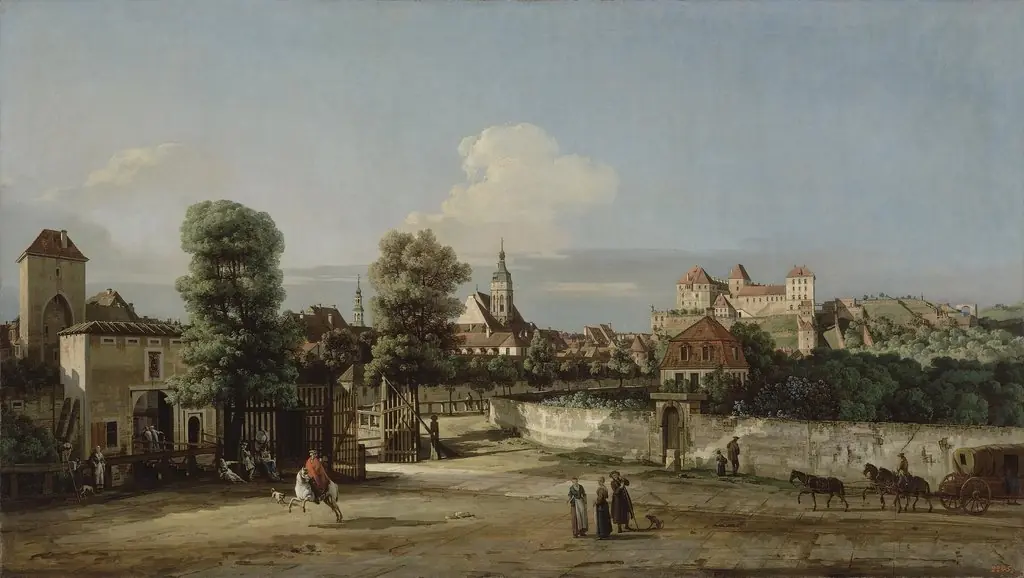 View of Pirna from the West, from the Corner of Wide Street
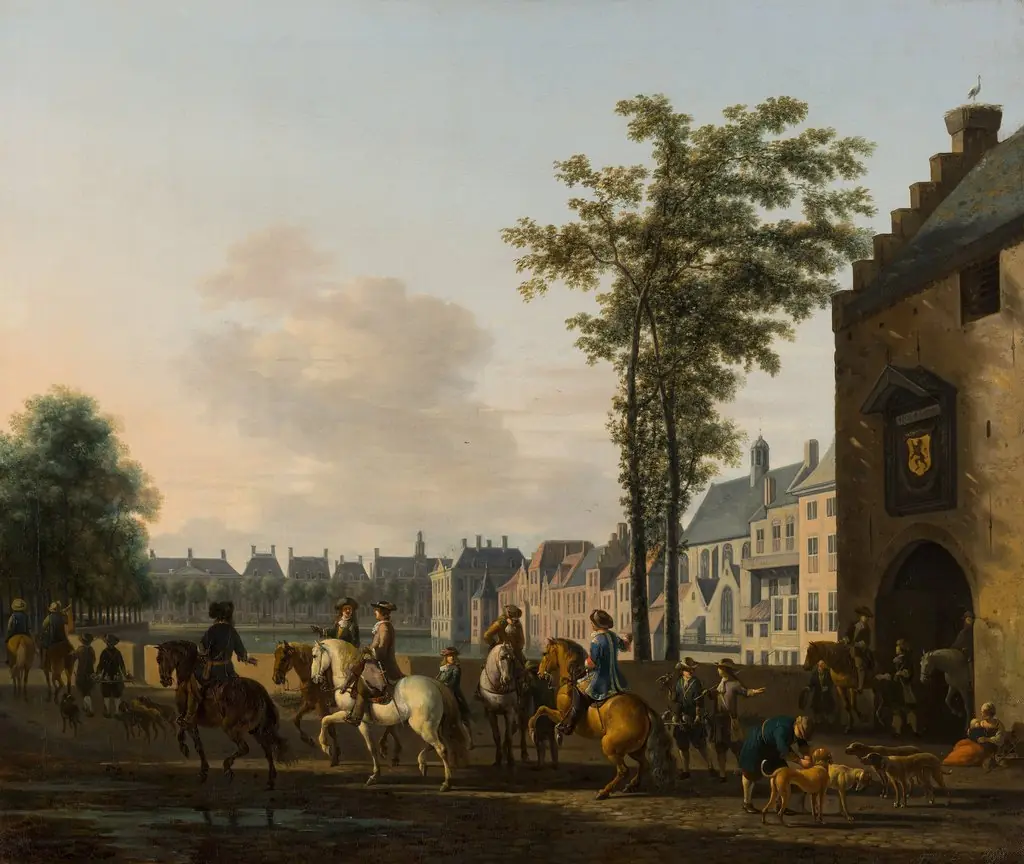 A hunting party near the Hofvijver in The Hague, seen from the South
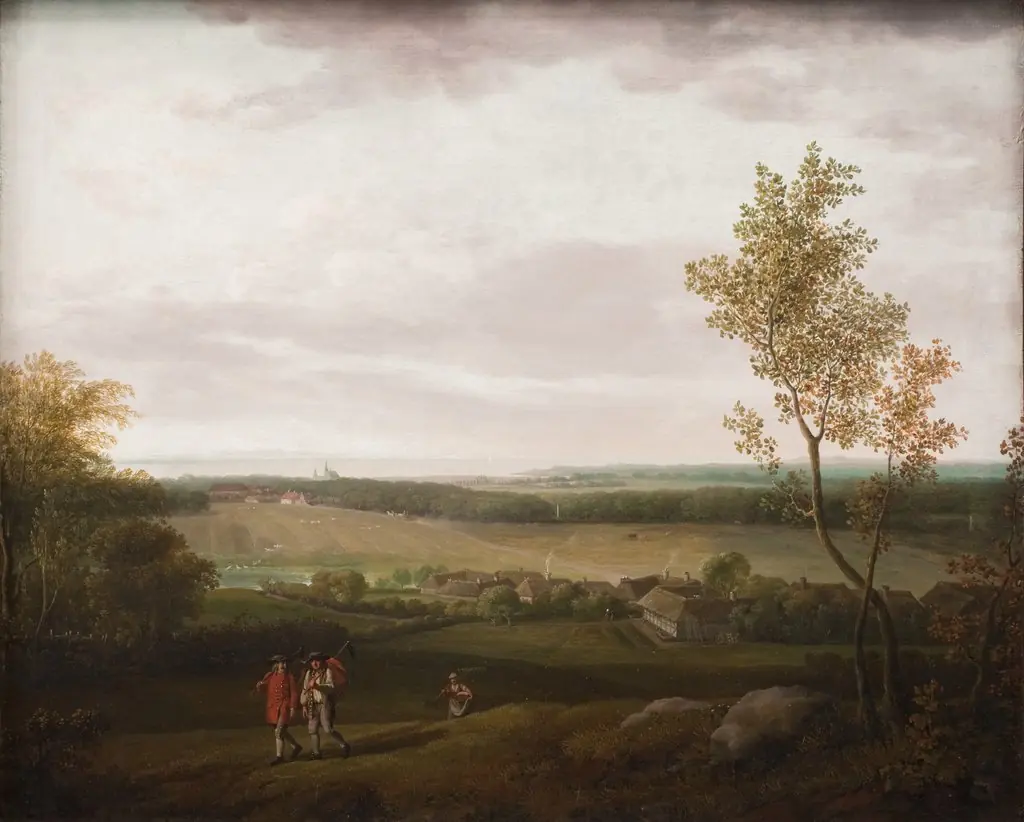 View of the Country near Jægerspris