Artwork
Fly Fishing
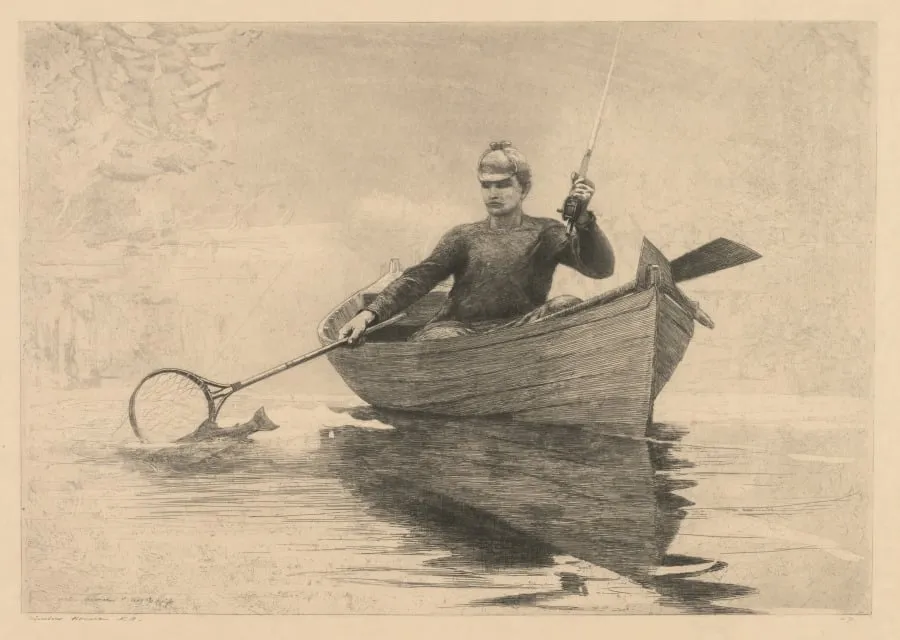
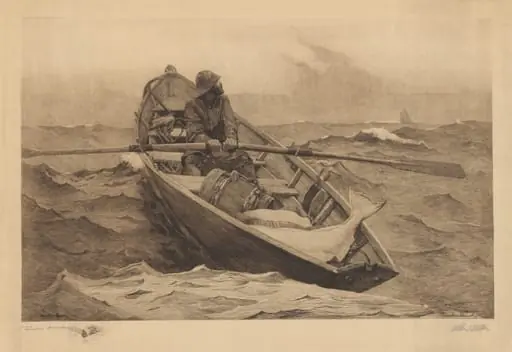
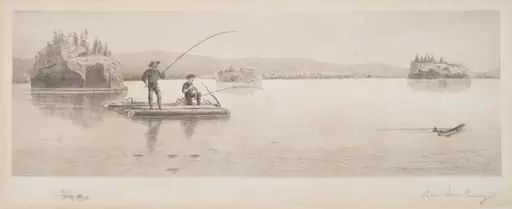
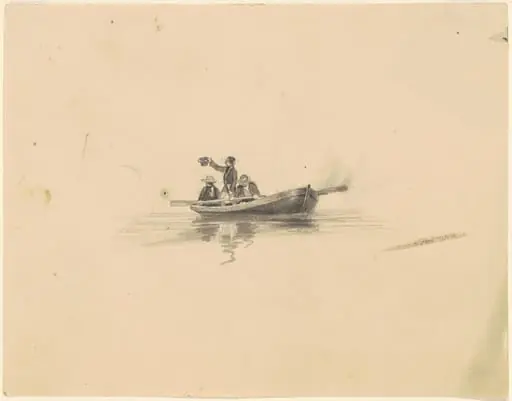
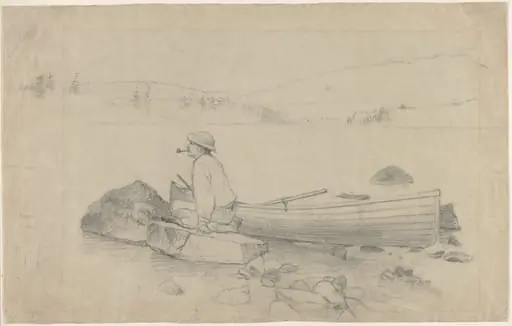
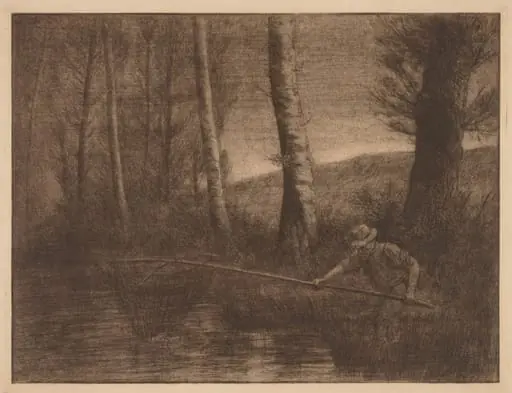
Fly Fishing is a print by the Impressionist artist Winslow Homer. It dates from 1889 and is held in the collection of the Cleveland Museum of Art.
About this work
Overview
Fly Fishing is a print created by Winslow Homer in 1889, featuring a lone angler in a serene setting. This work exemplifies Homer's shift towards depicting rural life and outdoor activities, characteristic of his later period.
Subject & Meaning
The print portrays a solitary figure in a small, woven boat, engaged in fly fishing. The subject's focus on the quiet, individual pursuit of angling conveys a sense of tranquility and connection with nature.
Technique & Style
Executed with loose, sketchy lines, the print captures the subtle movement of calm water. The prominent rendering of the figure and boat against a faint background reflects Homer's Realist approach, emphasizing everyday life's simplicity.
History & Provenance
Created in 1889, Fly Fishing represents Homer's later artistic phase, marked by a focus on rural themes and outdoor labor. Originally a painter in oil and watercolor, this print showcases his ability to adapt techniques to a different medium.
Context
Fly Fishing is set against the backdrop of 19th-century American art, where Homer was a leading figure. The work's themes of solitude and outdoor activity resonate with the era's appreciation for nature and the simple life.
Legacy
Fly Fishing contributes to Homer's legacy as a versatile artist, influencing subsequent generations with its blend of Realist detail and serene, naturalistic scenes. The piece's style encourages viewers to explore the broader Realist movement.
Artist & collection
Artist
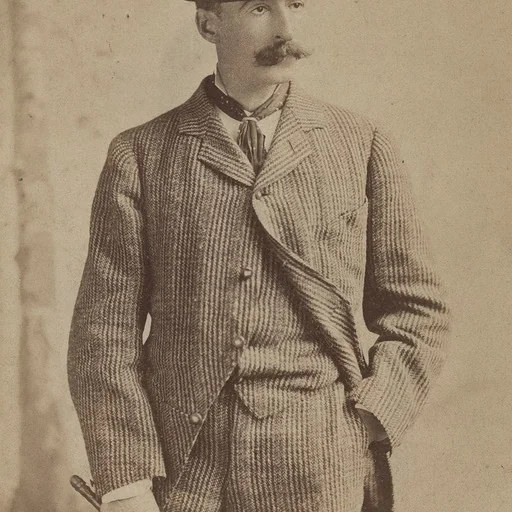
Winslow Homer (February 24, 1836 – September 29, 1910) was an American landscape painter and illustrator, best known for his marine subjects.