Artwork
The Picket of the Tenth Indiana Regiment discovering the Approach of the Rebels at Mill Spring, Kentucky
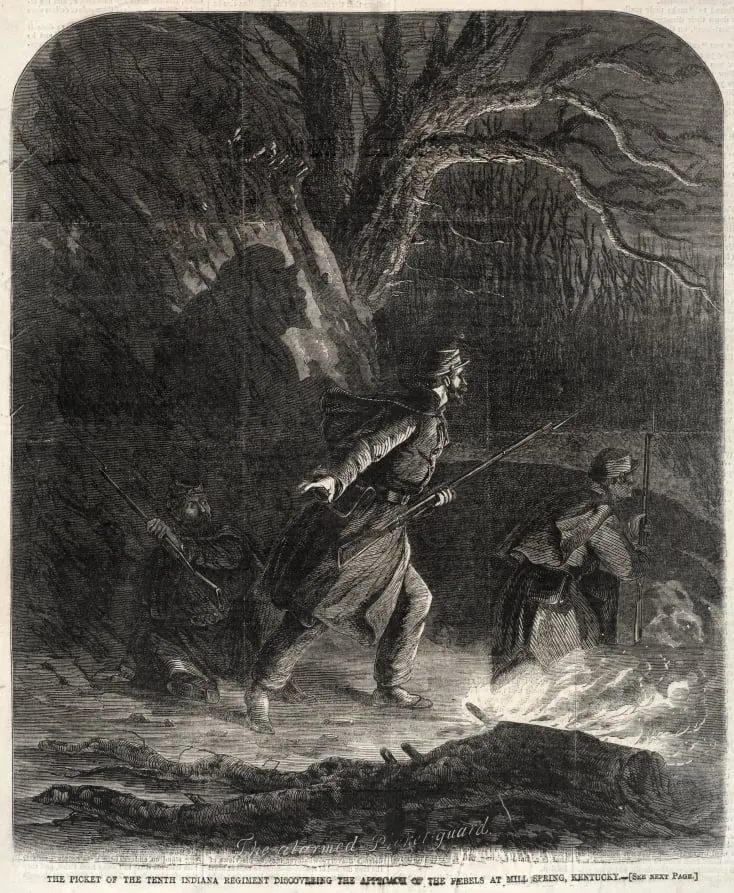
The Picket of the Tenth Indiana Regiment discovering the Approach of the Rebels at Mill Spring, Kentucky is a print by the Impressionist artist Winslow Homer. It dates from 1862 and is held in the collection of the Cleveland Museum of Art.
About this work
Overview
Executed in black and white, the image reflects Homer’s early work as a magazine illustrator, prioritizing narrative clarity and atmospheric tension over color.
Created in 1862, this print by Winslow Homer captures a quiet moment of vigilance during the American Civil War. It illustrates Union soldiers from the Tenth Indiana Regiment on night watch near Mill Spring, Kentucky, as they detect the presence of approaching Confederate forces. Executed in black and white, the image reflects Homer’s early work as a magazine illustrator, prioritizing narrative clarity and atmospheric tension over color.
Subject & Meaning
The scene portrays three soldiers in a wooded setting, frozen in alertness as they spot an unseen threat. The central figure raises his rifle, signaling danger, while the others remain poised, one crouching with gear, the other standing guard. The absence of visible enemies heightens suspense, emphasizing the psychological strain of wartime surveillance. The flickering fire suggests a temporary refuge, contrasting with the looming uncertainty of the dark forest.
Technique & Style
Homer employs stark tonal contrasts to model form and depth, using chiaroscuro to isolate figures against the dense night. Fine linework defines uniforms and foliage, while areas of deep shadow swallow the background, enhancing the sense of isolation. The composition is tightly framed, directing attention to the soldiers’ gestures and the unseen threat beyond the frame. The medium—likely a wood engraving—allowed for precise detail suitable for mass reproduction in illustrated periodicals.
History & Provenance
Homer produced this image during his time as a war correspondent for Harper’s Weekly, embedded with Union troops in early 1862. The scene is based on firsthand observation near Mill Spring, Kentucky, following a skirmish in January of that year. The print was published shortly after the event, serving as both documentation and public commentary. Its original context was journalistic, not gallery-bound, and it circulated widely among Northern audiences.
Context
In early 1862, the Civil War was still in its initial phase, with skirmishes like Mill Spring offering critical intelligence on Confederate movements. Civilian audiences relied on illustrated newspapers for visual accounts of the conflict, making Homer’s work a key conduit between front-line experience and home-front perception. His focus on ordinary soldiers—rather than grand battles—reflected a growing interest in the human dimension of war.
Legacy
This print marks a transitional phase in Homer’s career, bridging commercial illustration and later fine art. While he would become known for marine scenes and oil paintings, this early work demonstrates his capacity to convey emotional gravity through restrained composition. It remains a significant example of Civil War visual journalism, preserving the quiet intensity of soldierly vigilance in a conflict that reshaped American identity.
Artist & collection
Artist
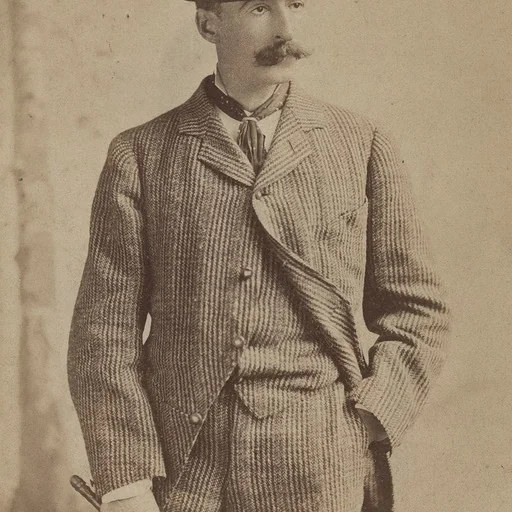
Winslow Homer (February 24, 1836 – September 29, 1910) was an American landscape painter and illustrator, best known for his marine subjects.

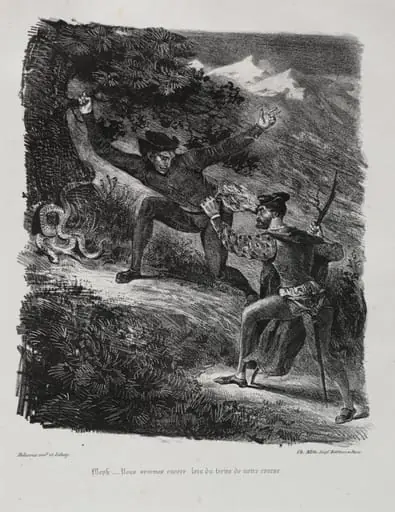 Illustrations for Faust: Faust and Méphistophélés in the mountains of the Hartz
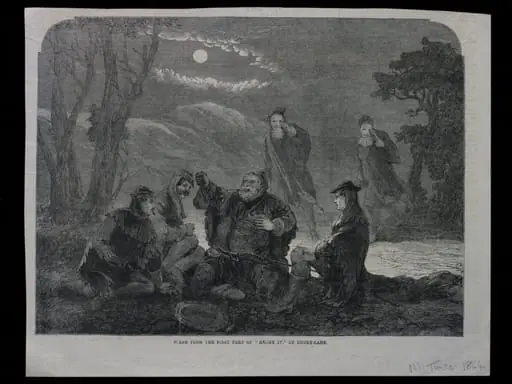 H Beard Print Collection
 The Sepulchre
 Campaign Sketches: A Pass Time
 Brûleurs de Fougères
 With the Desert Column, 1885 Supper time.
 H Beard Print Collection
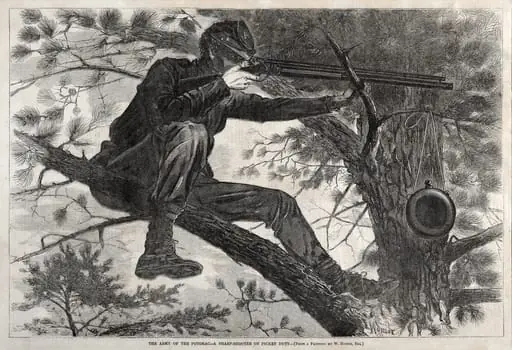 The Army of the Potomac - A Sharpshooter on Picket Duty
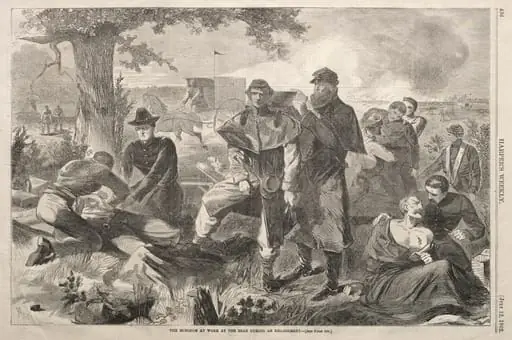 The Surgeon at Work at the Rear during an Engagement
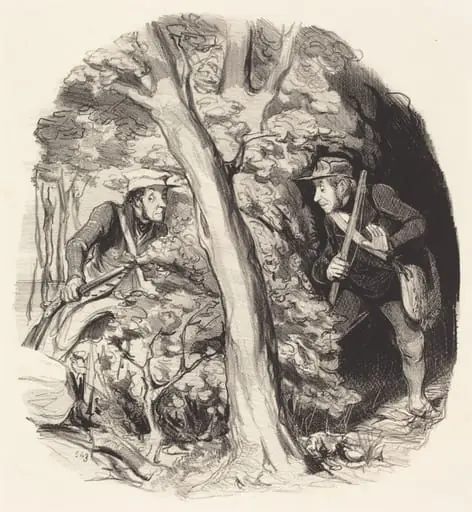 La Rencontre sous bois
 The Law is too Slow
 The Army of the Potomac - A Sharp-Shooter on Picket Duty