Artwork
The Sepulchre
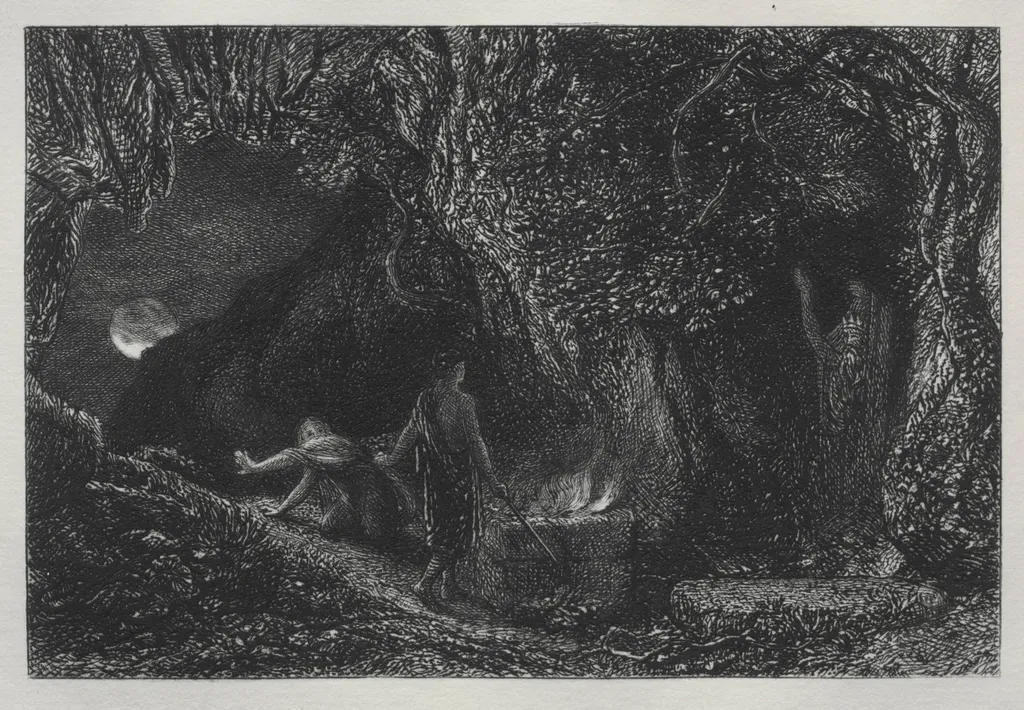
The Sepulchre is a print by the Impressionist artist Samuel Palmer. It is held in the collection of the Cleveland Museum of Art.
About this work
Overview
Samuel Palmer’s print *The Sepulchre* was issued in 1883, two years after the artist’s death, and derives from a design he had prepared earlier in his career. The work presents a nocturnal landscape dominated by a large, somber tomb‑like structure, illuminated by a soft moonlight that creates a tranquil yet enigmatic mood.
Subject & Meaning
At the centre of the composition a solitary figure stands before the sepulchre, poised in a reflective stance amid surrounding trees. The quiet night scene, with its gentle lunar glow, suggests contemplation of mortality and the passage of time, inviting viewers to consider the relationship between humanity and the enduring landscape.
Technique & Style
Palmer employs a pronounced chiaroscuro, contrasting deep shadows with the luminous moonlight to model forms and give the scene a palpable depth. The etching’s tonal range and atmospheric effects echo his Romantic sensibility, emphasizing the emotional resonance of the natural setting over precise detail.
History & Provenance
The print was produced posthumously from Palmer’s own preparatory drawing, reflecting the artist’s lasting influence on British printmaking. It entered the market shortly after its release and has since been held in several public collections, illustrating the continued interest in his late‑period works.
Context
Palmer, a leading figure in the British Romantic movement, is best known for visionary pastoral scenes that blend observation with imagination. *The Sepulchre* aligns with his later fascination with night‑time landscapes and the spiritual qualities of the English countryside, themes that recur throughout his oeuvre.
Artist & collection
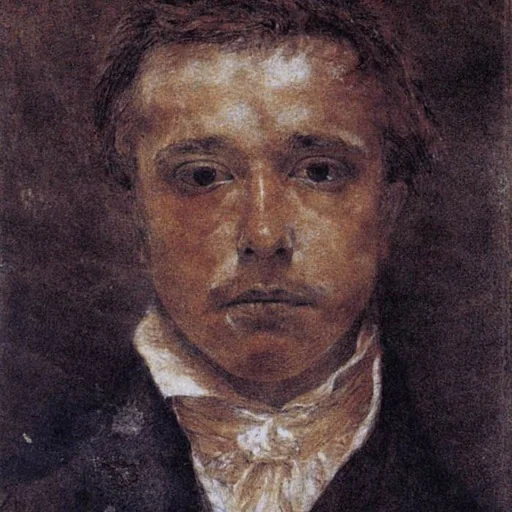
Artist
Samuel Palmer Hon.RE (Hon. Fellow of the Society of Painter-Etchers) (27 January 1805 – 24 May 1881) was a British landscape painter, etcher and printmaker. He was also a prolific writer. Palmer was a key figure in…

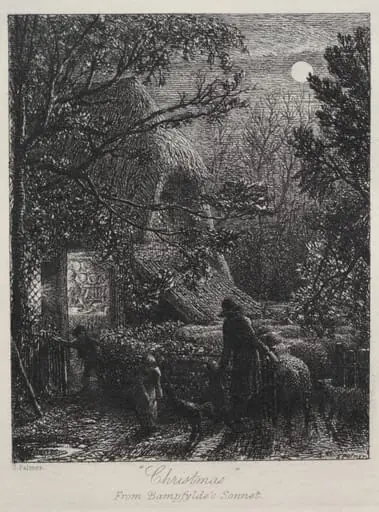 Christmas (Folding the Last Sheep)
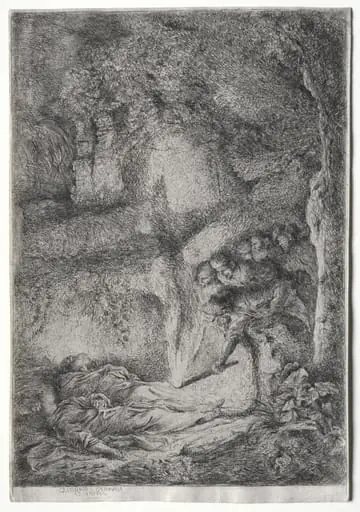 The Discovery of the Bodies of Saints Peter and Paul
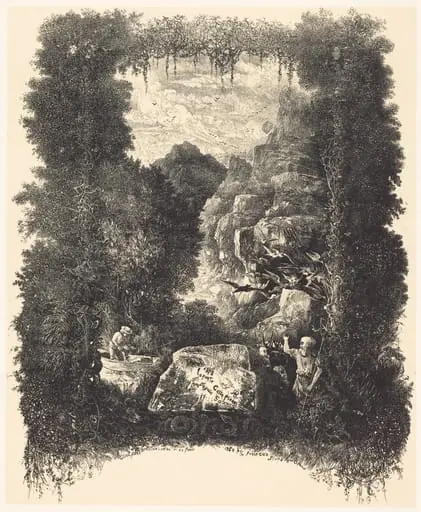 Frontispiece
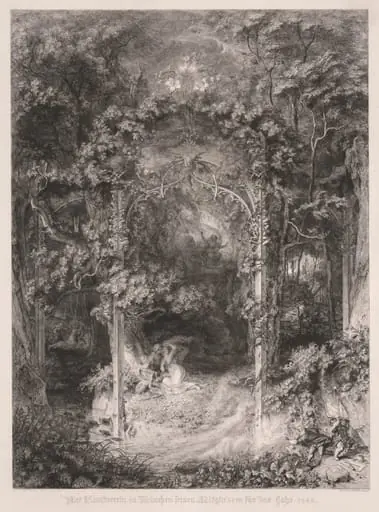 The Forest Maiden
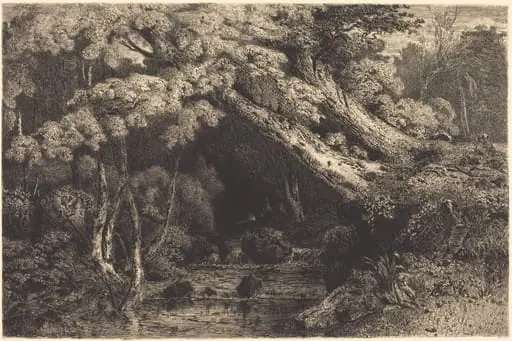 Saint-Pierre Stream near Pierrefond (Ruisseaude Saint-Pierre, pres Pierrefond)
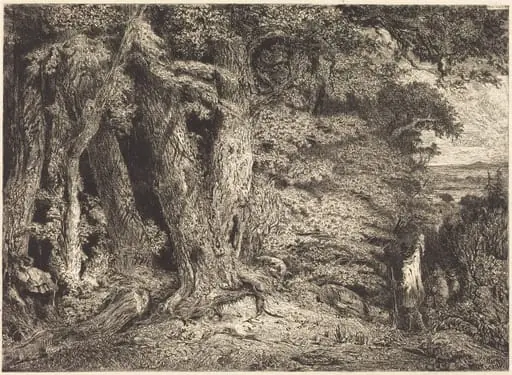 Entrance to the Forest
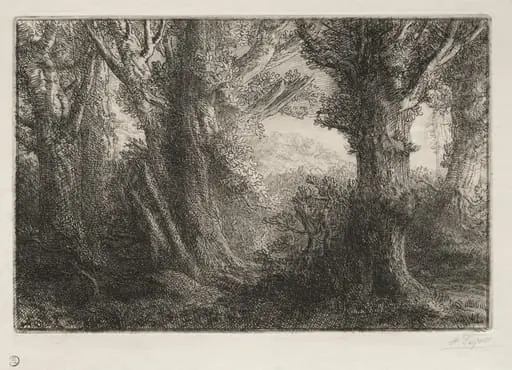 In the Forest at Conteville
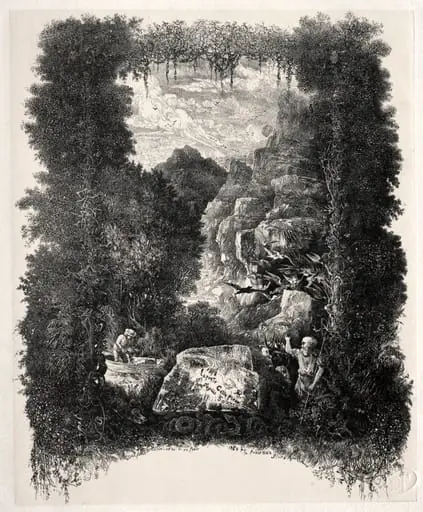 First frontispiece for Fables and Fairy-Tales by Thierry-Faletans
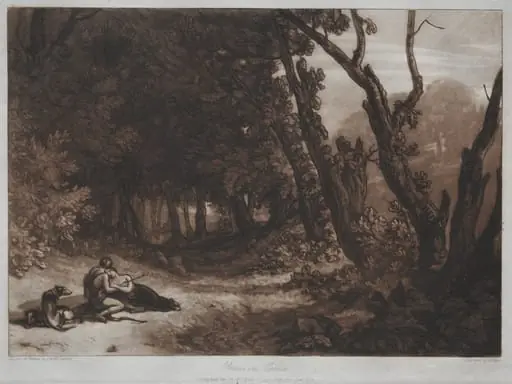 Liber Studiorum: Procris and Cephalus
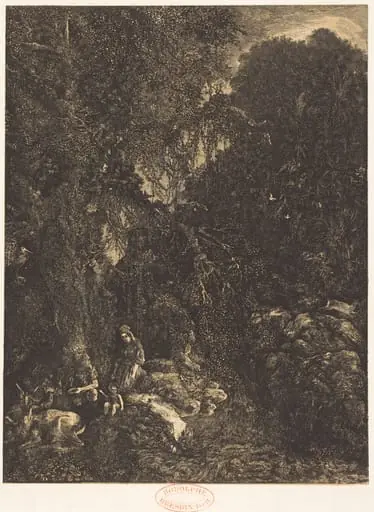 The Holy Family with the Does
 The Morning of Life
 The Homeward Star