Artwork
Solitude
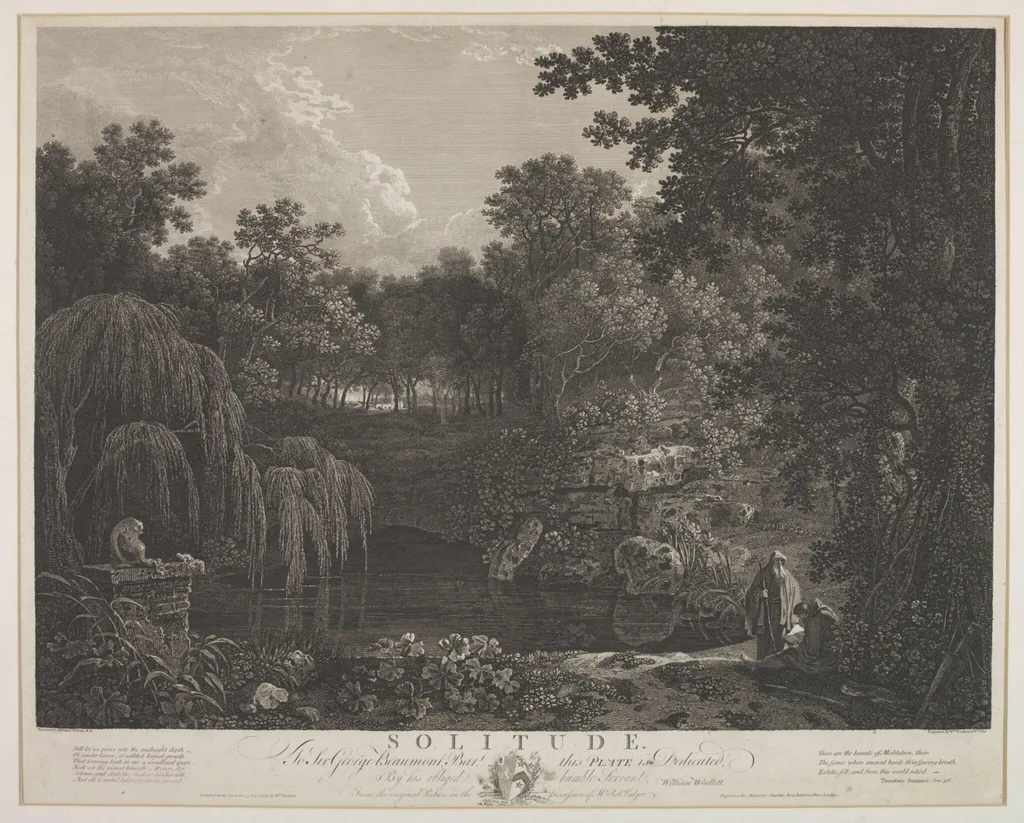
Solitude is a print by the Romanticist artist William Woollett. It dates from 1772 and is held in the collection of the Victoria and Albert Museum.
About this work
Overview
Solitude is a 1772 print created by William Woollett, based on a design by Royal Academy member Richard Wilson, to illustrate James Thomson's poem Summer.
Subject & Meaning
The print depicts a serene garden scene with a pond, trees, and sparse figures, conveying a sense of peaceful isolation. Contrasting dark clouds and light patches in the sky enhance the contemplative atmosphere, underscored by the title's emphasis on solitude.
Technique & Style
Woollett employed shading techniques, notably chiaroscuro, to achieve depth and a calm yet mysterious ambiance in the scene. This is evident in the interplay of light and dark, drawing the viewer into the tranquil setting.
History & Provenance
Designed by Richard Wilson and engraved by William Woollett in 1772, Solitude was created for James Thomson's poem Summer, highlighting the collaborative nature of the work within 18th-century artistic and literary circles.
Context
As an illustration for Thomson's Summer, Solitude reflects the era's appreciation for nature and poetic themes. The use of chiaroscuro aligns with broader artistic trends of the time, emphasizing emotional depth through light and shadow.
Legacy
While specific lasting impacts of Solitude on subsequent art are not prominently documented, it represents a notable example of 18th-century printmaking and the intersection of art and literature during that period.
Artist & collection

 Trees by a River
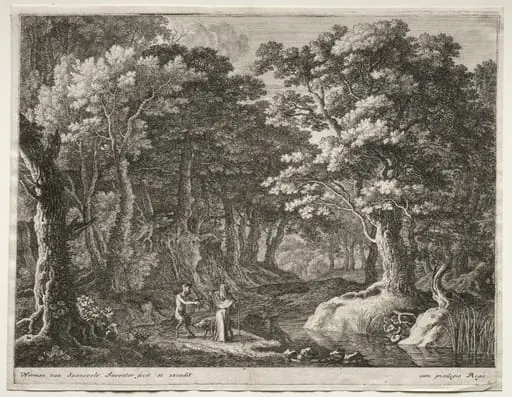 The Penitents: The Temptation of St. Anthony
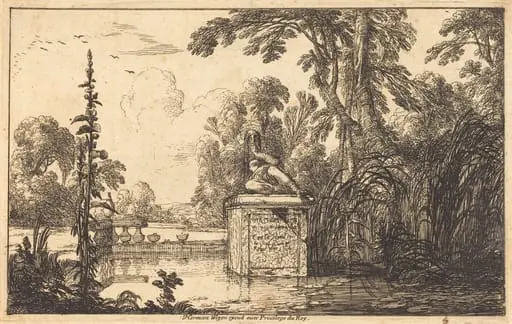 Pool in a Formal Garden
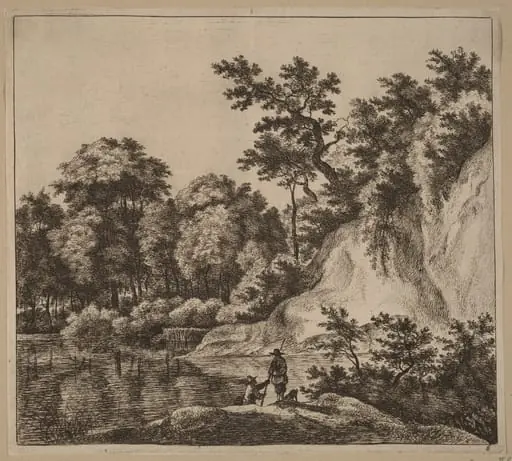 Landscape with River and Rock
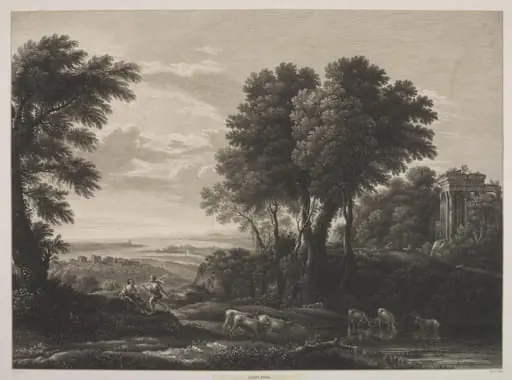 Mercury and Argus
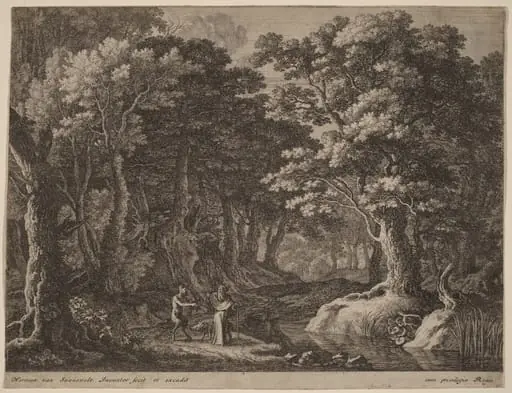 Devil Tempting St. Anthony
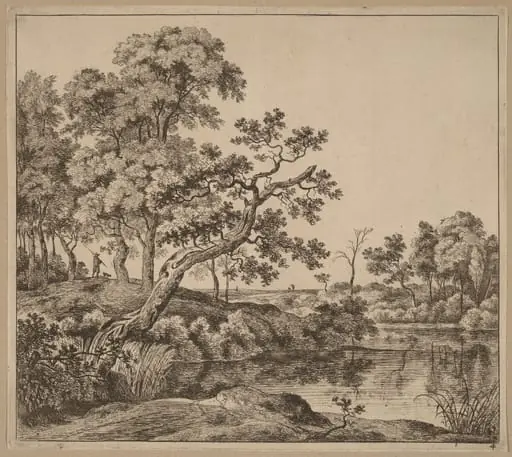 Landscape with a Bending Tree
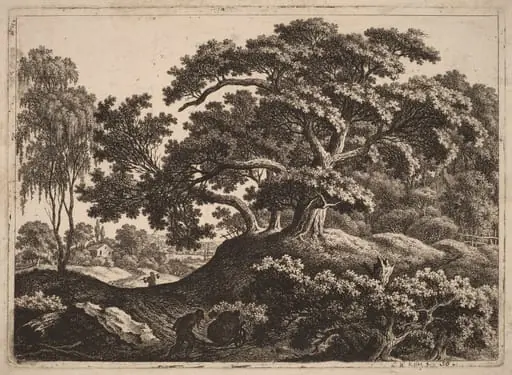 Landscape with Man Pushing a Cart
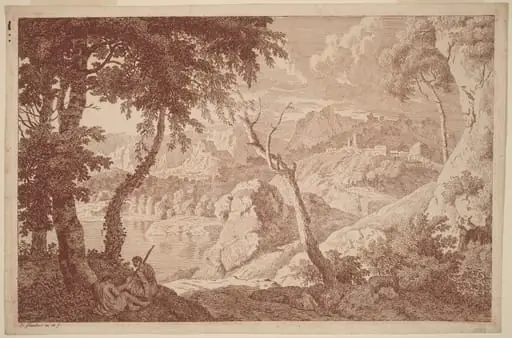 Mountain Landscape with Two Men Resting
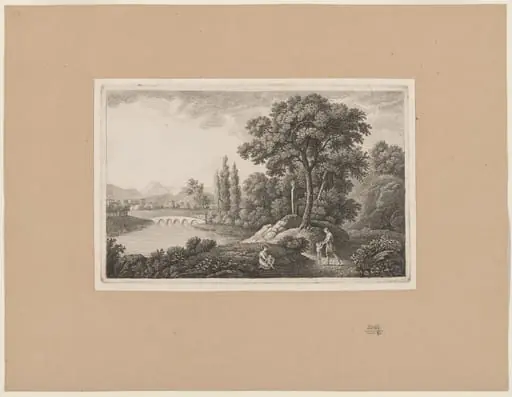 Classical Landscape with a Family by a River
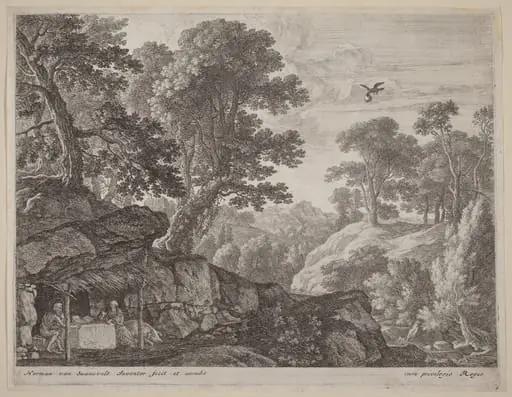 Saint Paul and Saint Anthony by the Entrance to the Cave