Artwork
Untitled
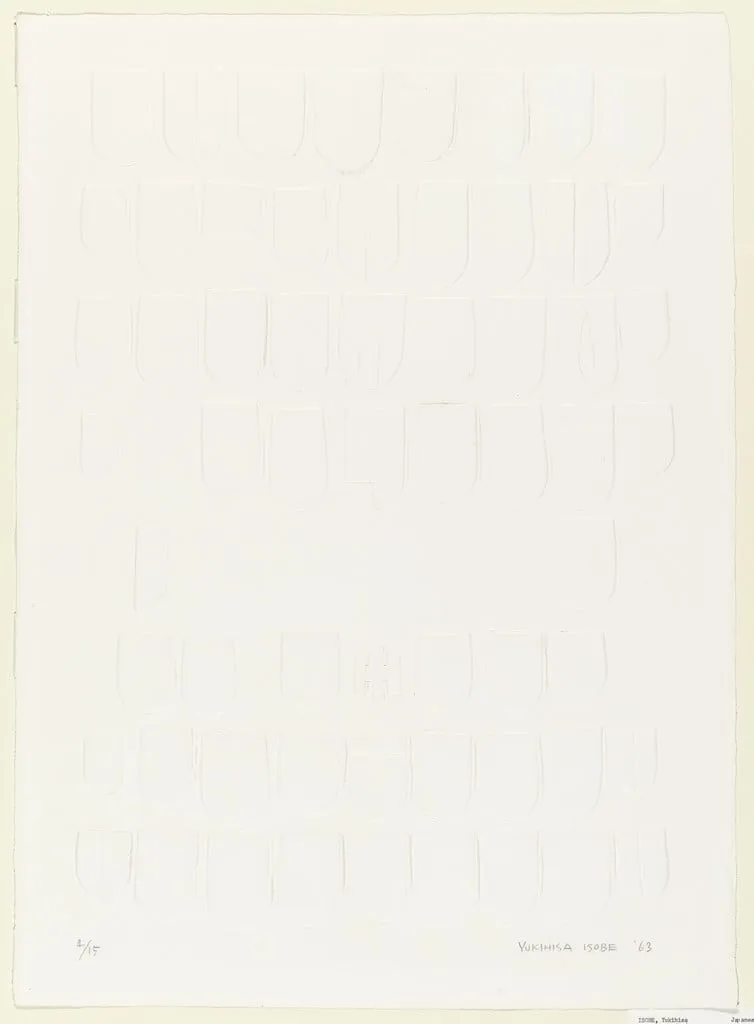
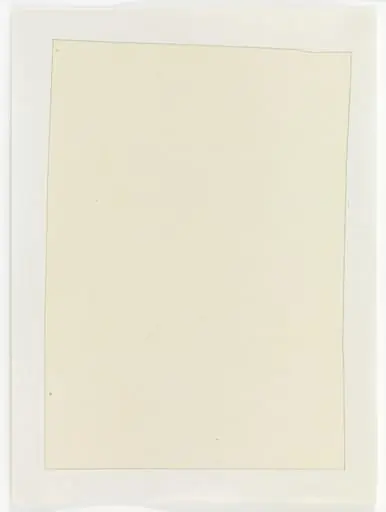
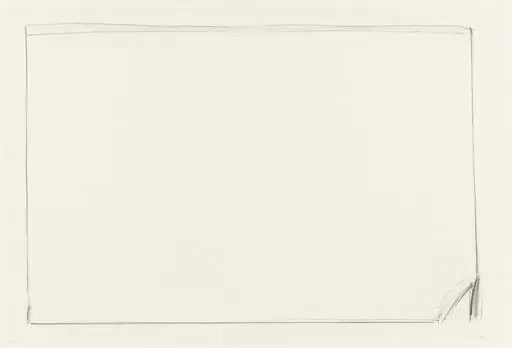
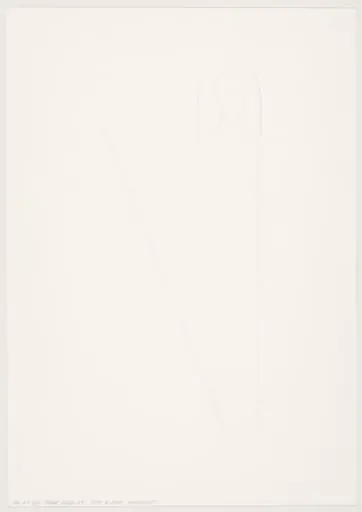
Untitled is an ink print by Yukihisa Isobe. It dates from 1963 and is held in the collection of the Museum of Modern Art.
About this work
Overview
Created in 1963 by Japanese artist Yukihisa Isobe, this print is an inkless intaglio, a technique that relies on texture and pressure rather than ink to produce subtle surface impressions. The work belongs to Isobe’s early period, before his relocation to New York in 1965, when he was engaged with experimental printmaking in post-war Japan. It is now part of The Museum of Modern Art’s collection.
Subject & Meaning
The absence of ink and form invites contemplation of absence itself, aligning with broader minimalist tendencies in 1960s Japanese art.
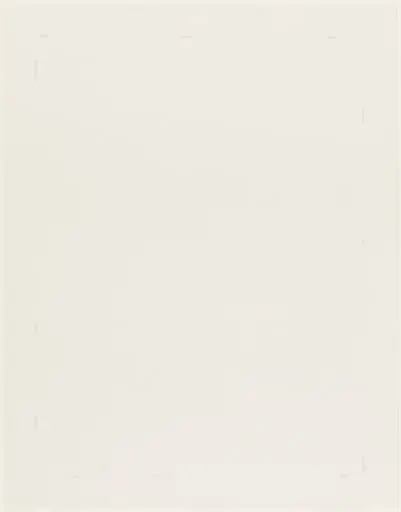
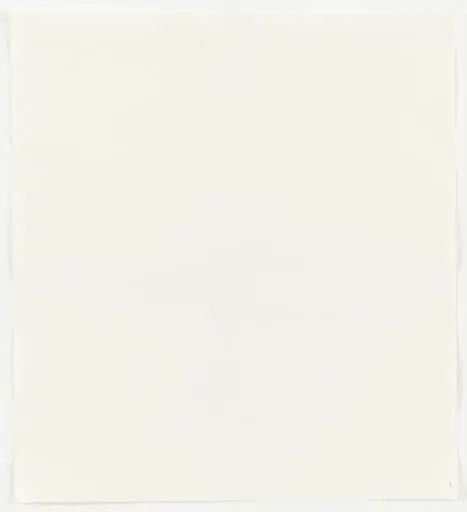
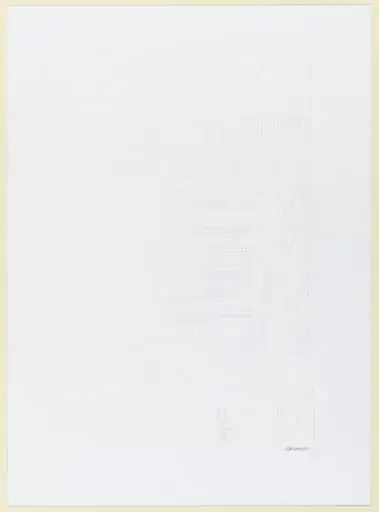
The composition resists narrative or symbolic interpretation. Faint, irregular lines appear scattered across the surface, avoiding structure or legibility. Their delicacy suggests an emphasis on process over representation—drawing as an act of presence rather than communication. The absence of ink and form invites contemplation of absence itself, aligning with broader minimalist tendencies in 1960s Japanese art.
Technique & Style
Using inkless intaglio, Isobe incised the plate without ink, relying on the physical texture of the paper to capture the faint ridges and depressions left by the tool. The resulting marks are barely visible, resembling pencil scratches or whisper-thin scars on the surface. This method prioritizes tactility and subtlety, rejecting bold contrast in favor of near-invisibility, a radical departure from traditional printmaking norms.
History & Provenance
Isobe produced this work during a brief but intense phase of print experimentation in Tokyo, before his move to New York shifted his artistic focus toward urban design and environmental planning. The print remained in private hands until acquired by The Museum of Modern Art, where it now serves as a rare example of his pre-1965 print practice and the experimental spirit of Japan’s post-war avant-garde.
Context
Emerging in the early 1960s, Isobe’s work reflects the broader Japanese avant-garde’s rejection of Western artistic conventions. Artists of this period explored materiality, impermanence, and non-representational forms, often influenced by Zen aesthetics and the trauma of wartime destruction. Inkless intaglio, as used here, aligned with a desire to strip art down to its most elemental gestures.
Legacy
Though Isobe later abandoned printmaking for urban planning, this work endures as a quiet testament to his early engagement with material limits and perceptual subtlety. It contributes to a broader recognition of Japanese experimental printmaking in the post-war era, influencing later artists interested in the quiet potential of absence and minimal mark-making.
Artist & collection
Artist
Yukihisa Isobe (磯辺行久, Isobe Yukihisa) (born 1935) is a Japanese artist whose practice has been shaped by his professional interest for ethical ecology.