Artwork
Pescadores junto a un puerto
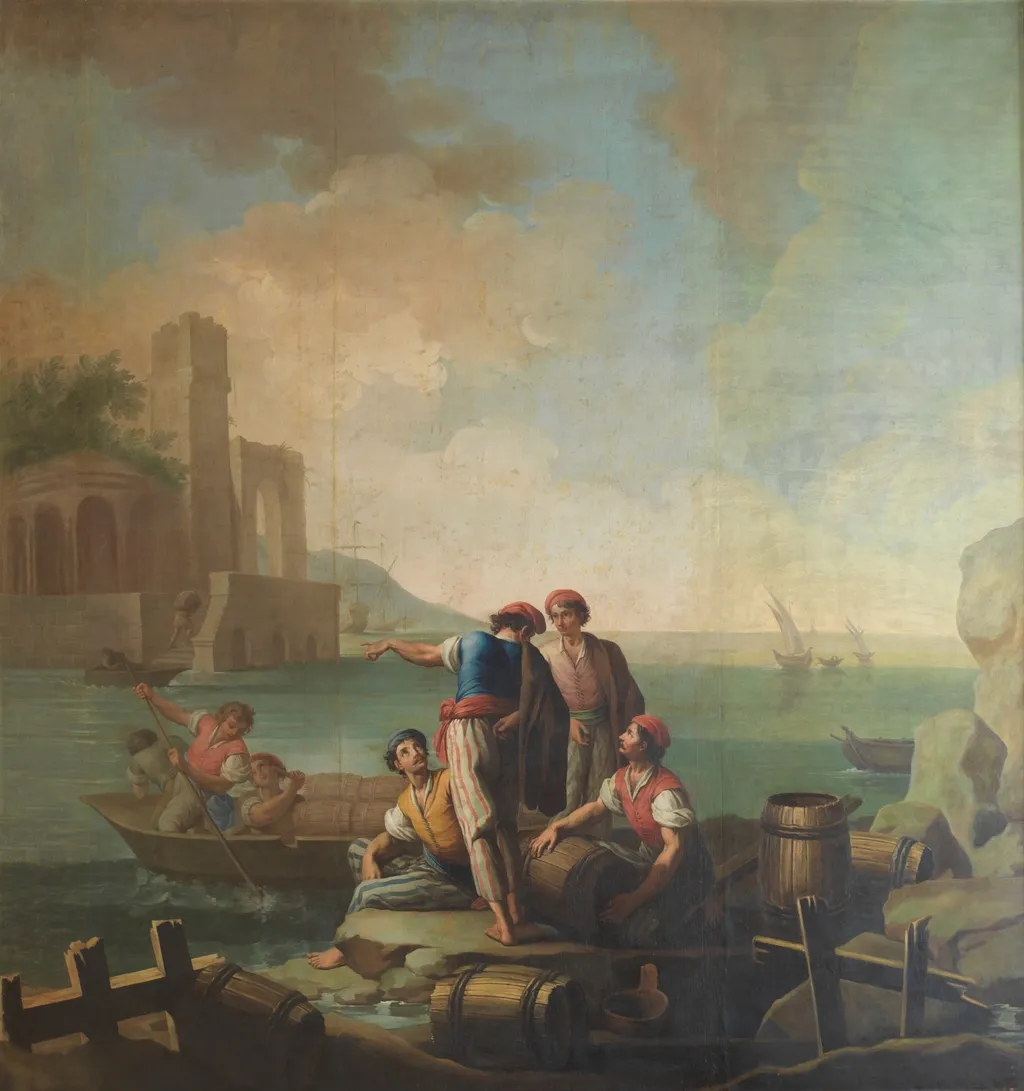
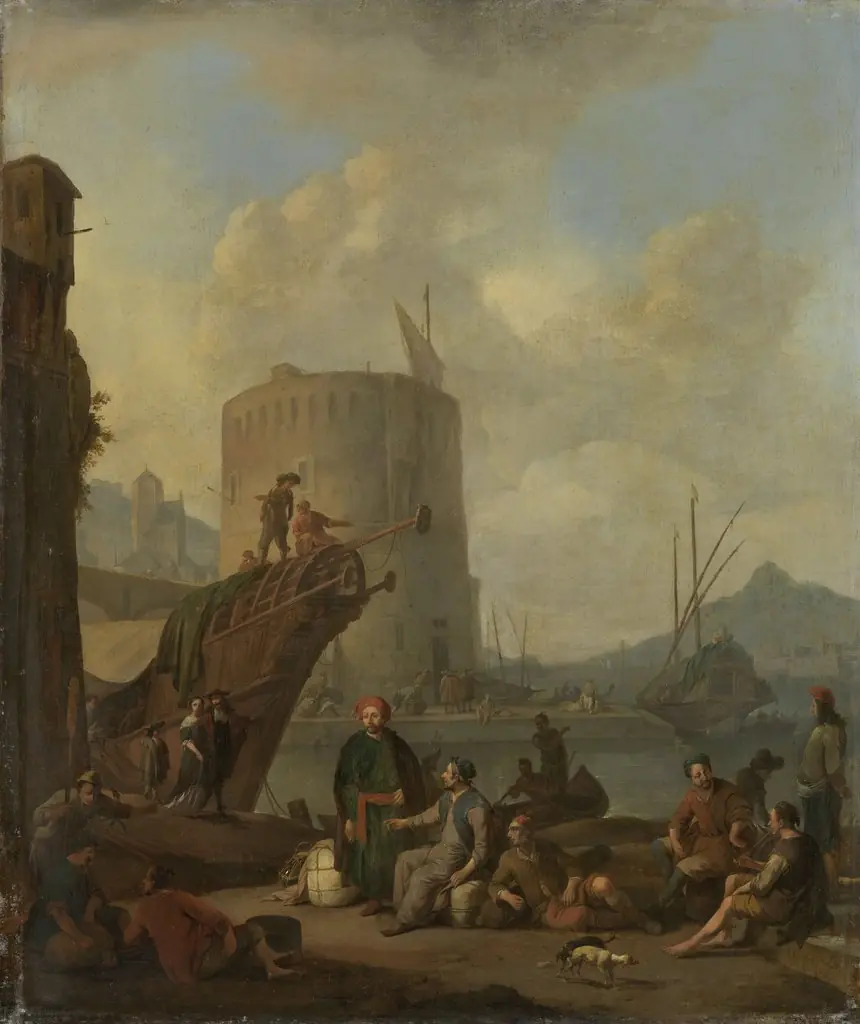
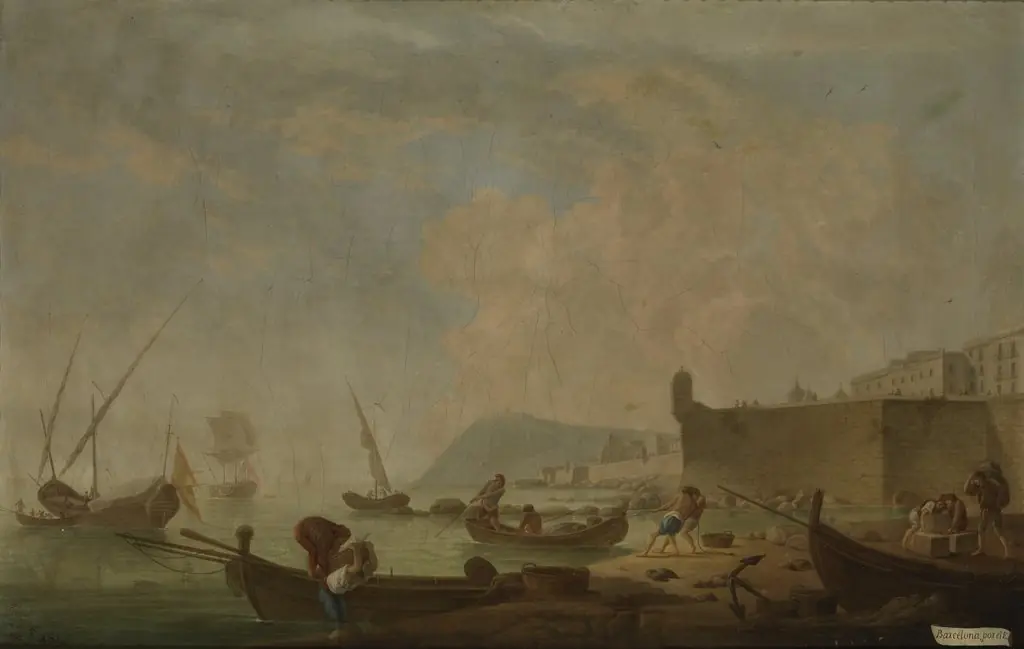
Pescadores junto a un puerto is an oil painting by the Rococo painting artist Zacarías González Velázquez. It dates from 1793 and is held in the collection of the Museo del Prado.
About this work
Overview
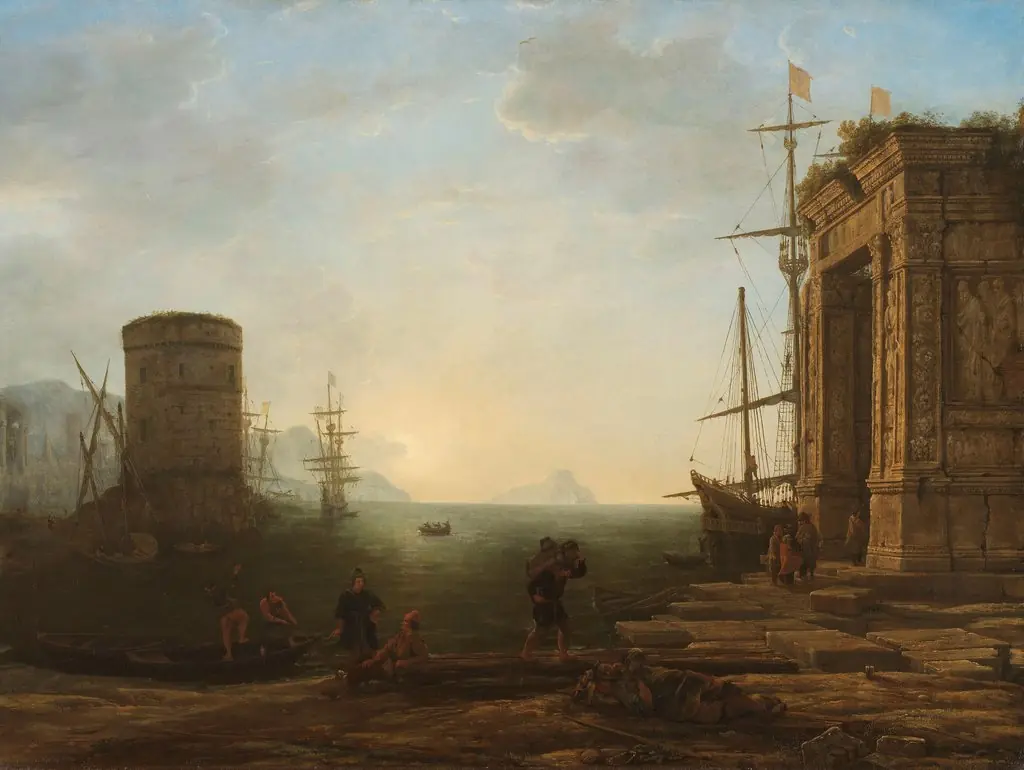
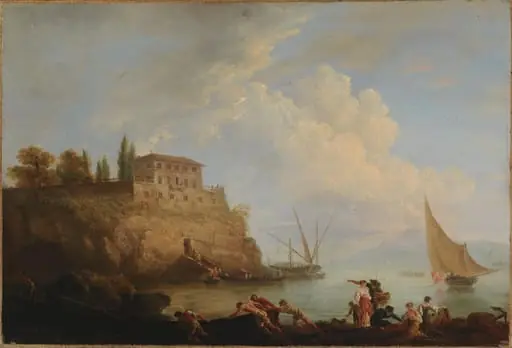
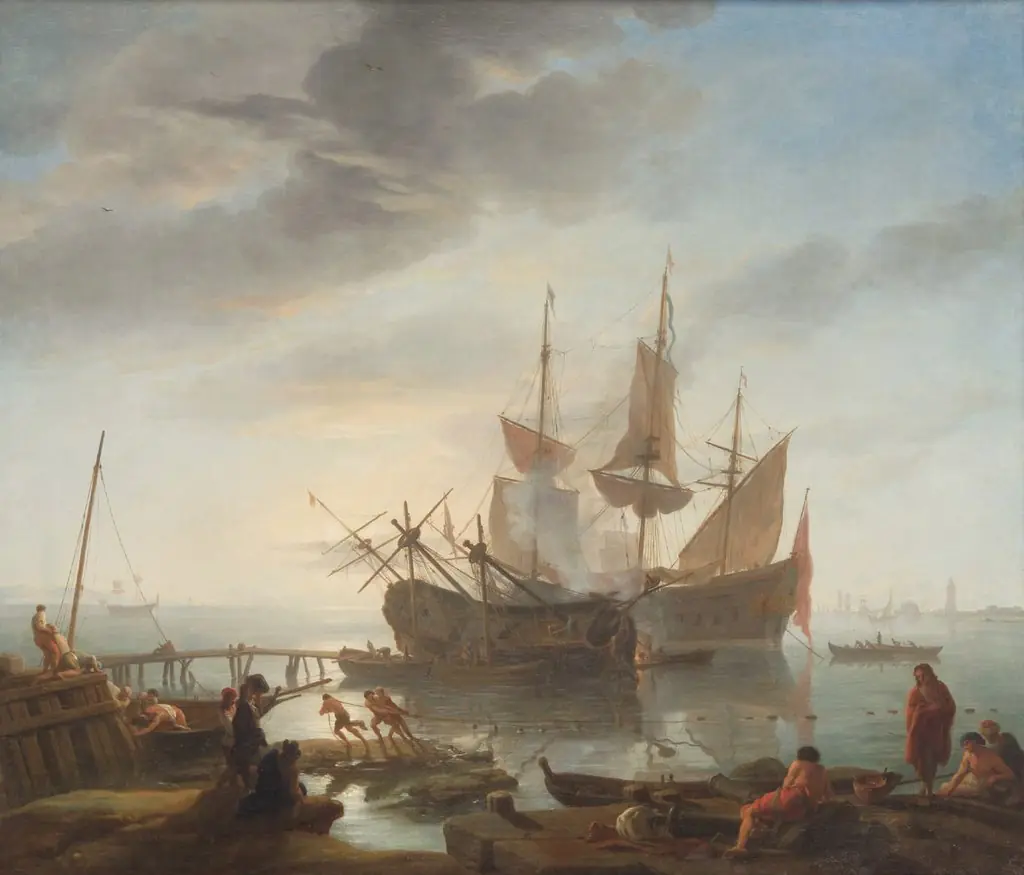
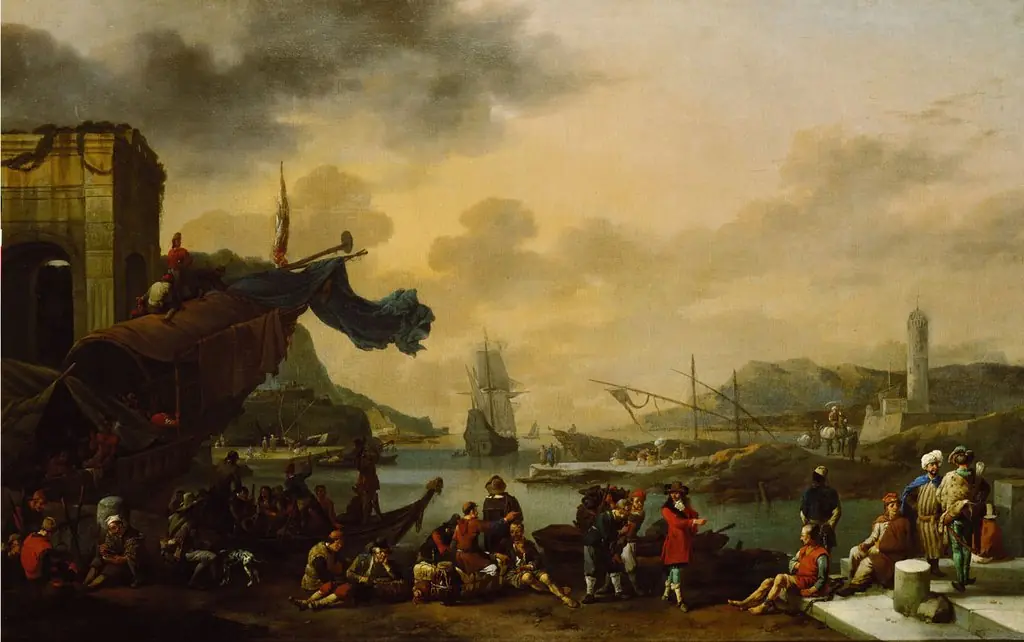
Painted in 1793 by Spanish artist Zacarías González Velázquez, this oil on canvas depicts a quiet coastal scene of fishermen near a harbor. Though known primarily for portraiture and religious subjects, González Velázquez turned here to everyday labor, capturing a moment of stillness amid activity. The work resides in the Museo del Prado, where it stands as a rare example of his secular output.
Subject & Meaning
The presence of a weathered stone structure and a weathered statue implies decay and time, grounding the scene in realism rather than romance.
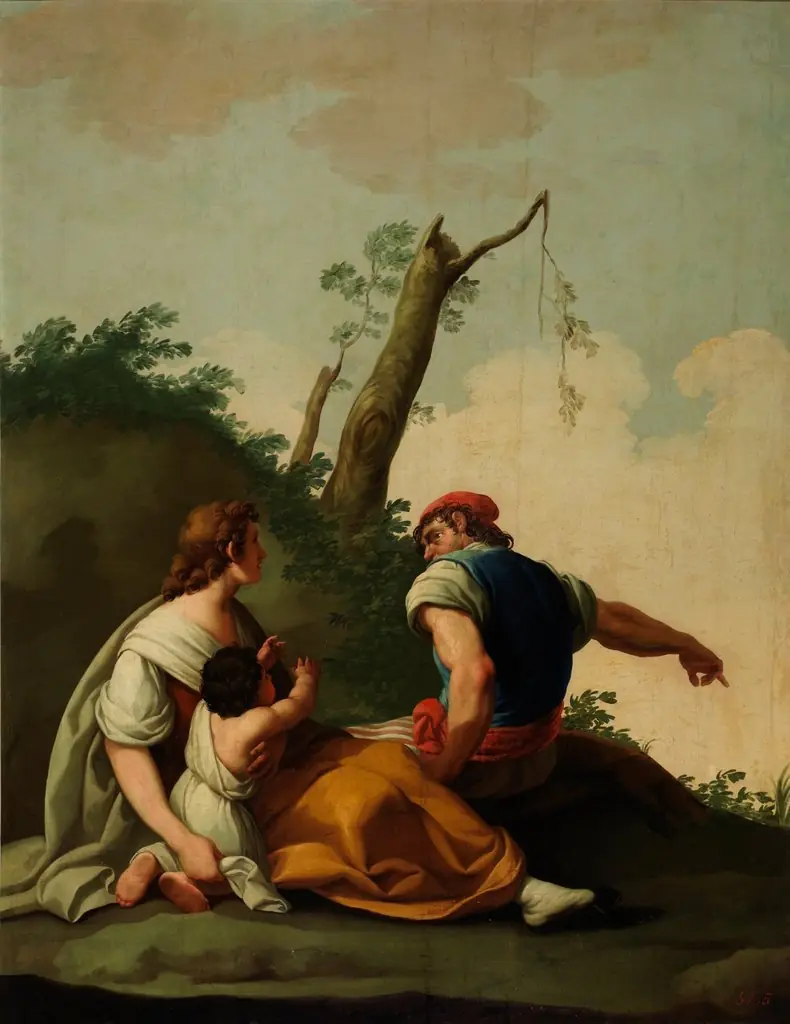
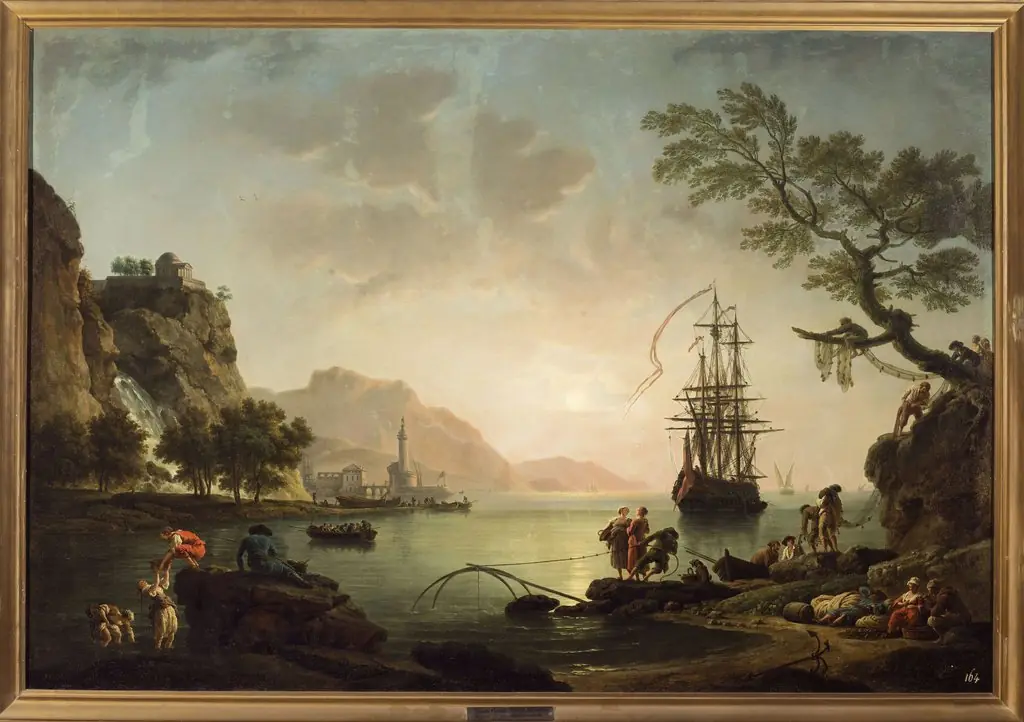
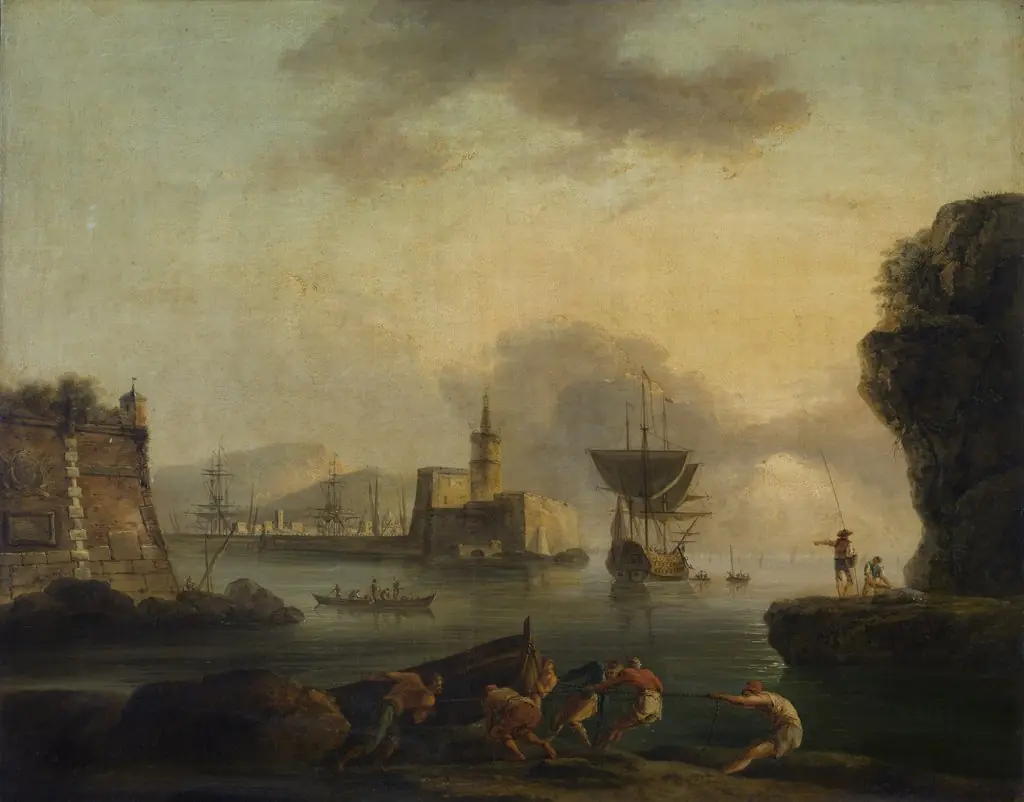
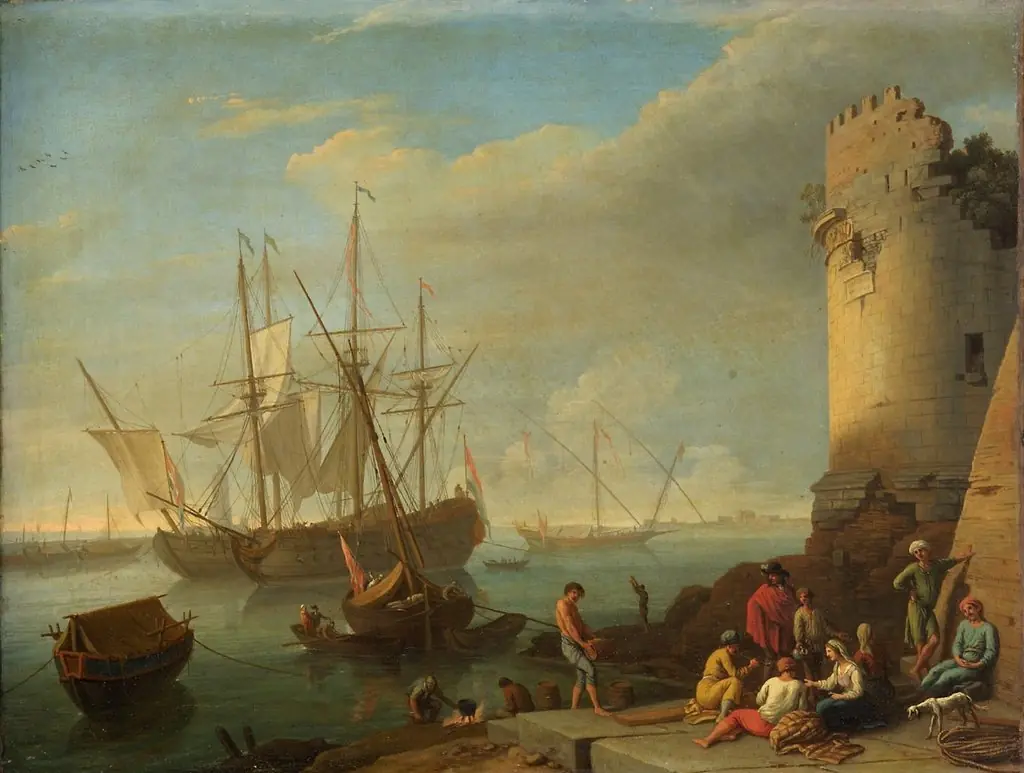
The painting portrays five figures engaged in post-fishing tasks: one gestures toward the water, others attend to ropes and barrels. The setting suggests a working harbor, not a festive or idealized landscape. The presence of a weathered stone structure and a weathered statue implies decay and time, grounding the scene in realism rather than romance. The focus on labor, not heroism, reflects a quiet dignity in ordinary life.
Technique & Style
González Velázquez employs subtle contrasts of light and shadow to model forms, drawing attention to faces and fabric without dramatic intensity. The soft, diffused sky and gentle highlights on clothing suggest a restrained use of chiaroscuro, more aligned with late Baroque naturalism than the ornamental flair of Rococo. Brushwork is controlled, with attention to texture in stone, wood, and fabric, enhancing tactile realism.
History & Provenance
Completed in 1793, the painting entered the Museo del Prado’s collection in the 19th century, likely through royal or state acquisition. Its attribution to González Velázquez is consistent with his known output and period style. Unlike his more celebrated portraits, this work received little public attention during his lifetime, remaining a quiet study of coastal life within the broader context of Spanish academic painting.
Context
In late 18th-century Spain, artistic patronage favored religious and royal imagery. Scenes of common labor were uncommon, especially in oil. González Velázquez’s choice to depict fishermen reflects a growing interest in vernacular subjects, influenced by Enlightenment ideals and the rise of secular observation. The painting aligns with broader European trends toward realism, even as it avoids overt political or social commentary.
Legacy
Though not widely exhibited or studied, the painting contributes to understanding the range of González Velázquez’s practice beyond portraiture. It offers insight into how Spanish artists engaged with everyday life during a period of artistic transition. Its preservation in the Prado ensures its role as a modest but authentic record of coastal labor in late Bourbon Spain.
Own this work as a print
Artist & collection
Artist
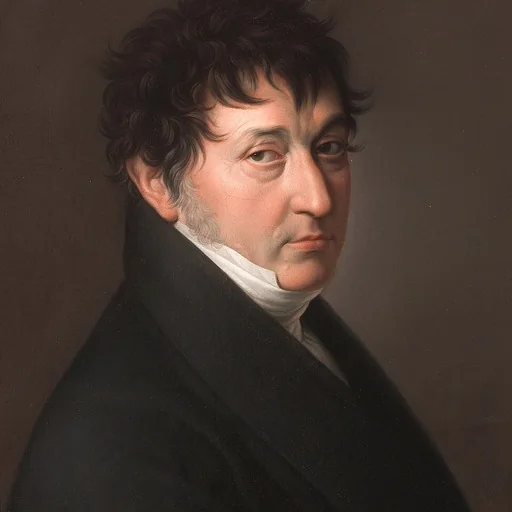
Zacarías González Velázquez (5 November 1763 – 31 January 1834) was a Spanish painter; known primarily for his portraits and religious works.