Artwork
La prueba de fuego. San Francisco tendido sobre las brasas
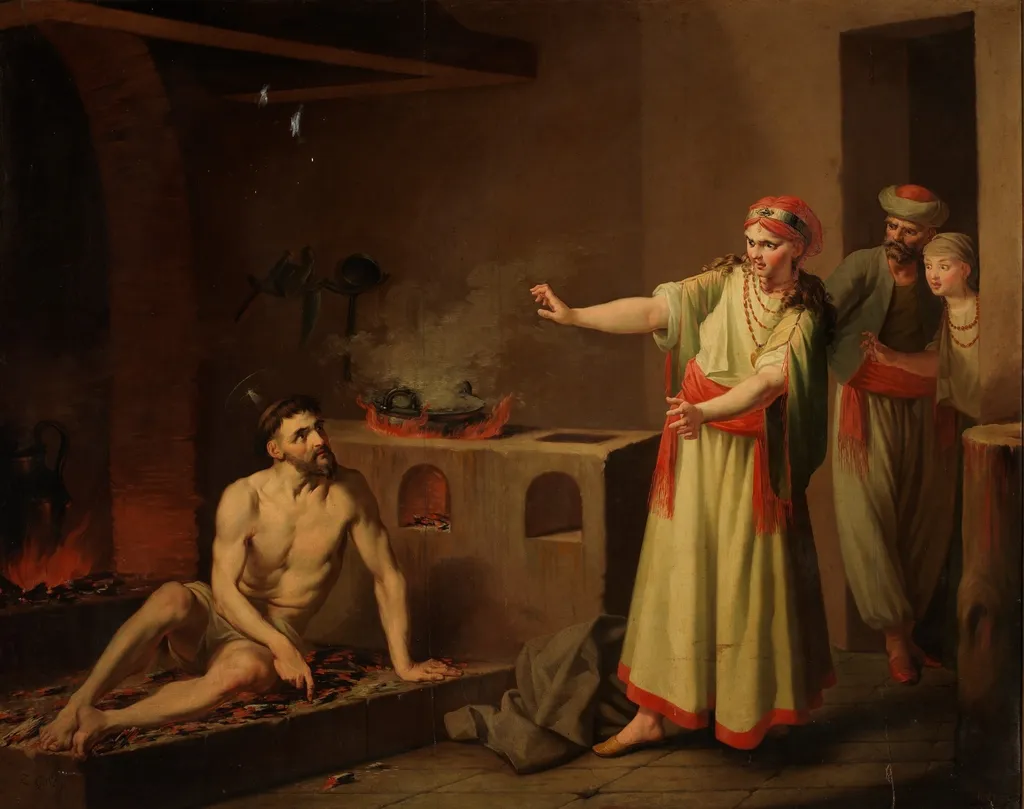
La prueba de fuego. San Francisco tendido sobre las brasas is an oil painting by the Rococo painting artist Zacarías González Velázquez. It dates from 1794 and is held in the collection of the Museo del Prado.
About this work
Overview
Painted in 1794 by Spanish artist Zacarías González Velázquez, this oil-on-canvas work depicts a moment of spiritual trial.
Painted in 1794 by Spanish artist Zacarías González Velázquez, this oil-on-canvas work depicts a moment of spiritual trial. It is part of the Museo del Prado’s collection and reflects the artist’s engagement with religious themes. Though rooted in the late Baroque tradition, its composition and lighting show transitional tendencies toward Romantic sensibility, diverging from the lighter tones typical of Rococo.
Subject & Meaning
The scene illustrates Saint Francis of Assisi enduring a test of faith by lying upon burning coals. A woman, likely an angelic or divine figure, gestures toward him, while he looks upward in submission. Two additional figures in the background, including one holding a child, observe the event. The composition emphasizes spiritual endurance, framing the saint’s suffering as a moment of divine validation rather than physical torment.
Technique & Style
González Velázquez employs chiaroscuro to model forms and heighten emotional intensity. The fire in the corner casts sharp contrasts across the figures, defining their volumes and directing focus to the saint’s prone body. The drapery of the central woman’s dress flows with controlled elegance, while the dim interior space enhances the scene’s solemnity. Brushwork remains precise, avoiding the ornamental excesses of Rococo in favor of restrained drama.
History & Provenance
Commissioned during the late 18th century, the painting entered the Museo del Prado’s holdings in the 19th century as part of Spain’s national collection of religious art. It was likely created for a monastic or ecclesiastical setting, reflecting the continued demand for devotional imagery under Bourbon patronage. Its survival through the secularization of church properties underscores its recognized artistic and spiritual value.
Context
In late 18th-century Spain, religious painting remained a dominant genre despite Enlightenment pressures. González Velázquez, trained in the Royal Academy, balanced traditional iconography with emerging naturalism. This work aligns with a broader trend of depicting saints in moments of physical trial, reinforcing Catholic doctrine during a period of political and religious upheaval across Europe.
Legacy
Though not widely reproduced, the painting exemplifies the persistence of devotional themes in Spanish art beyond the Rococo period. Its restrained emotional tone and technical discipline influenced later religious painters in Madrid. Today, it serves as a quiet testament to the enduring role of visual narrative in Catholic piety during a time of institutional change.
Own this work as a print
Artist & collection
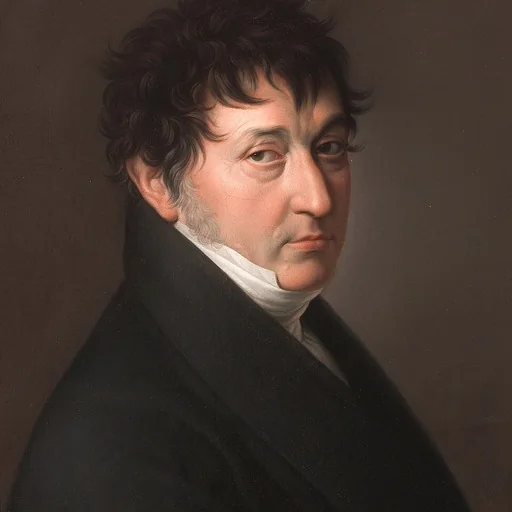
Artist
Zacarías González Velázquez (5 November 1763 – 31 January 1834) was a Spanish painter; known primarily for his portraits and religious works.

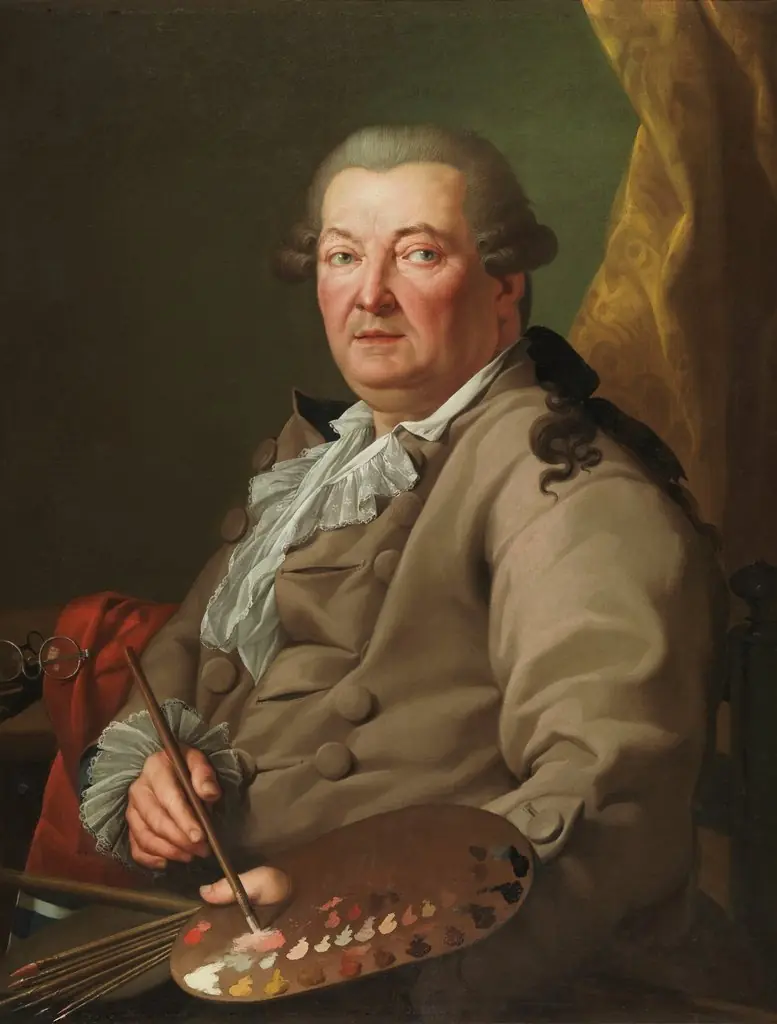
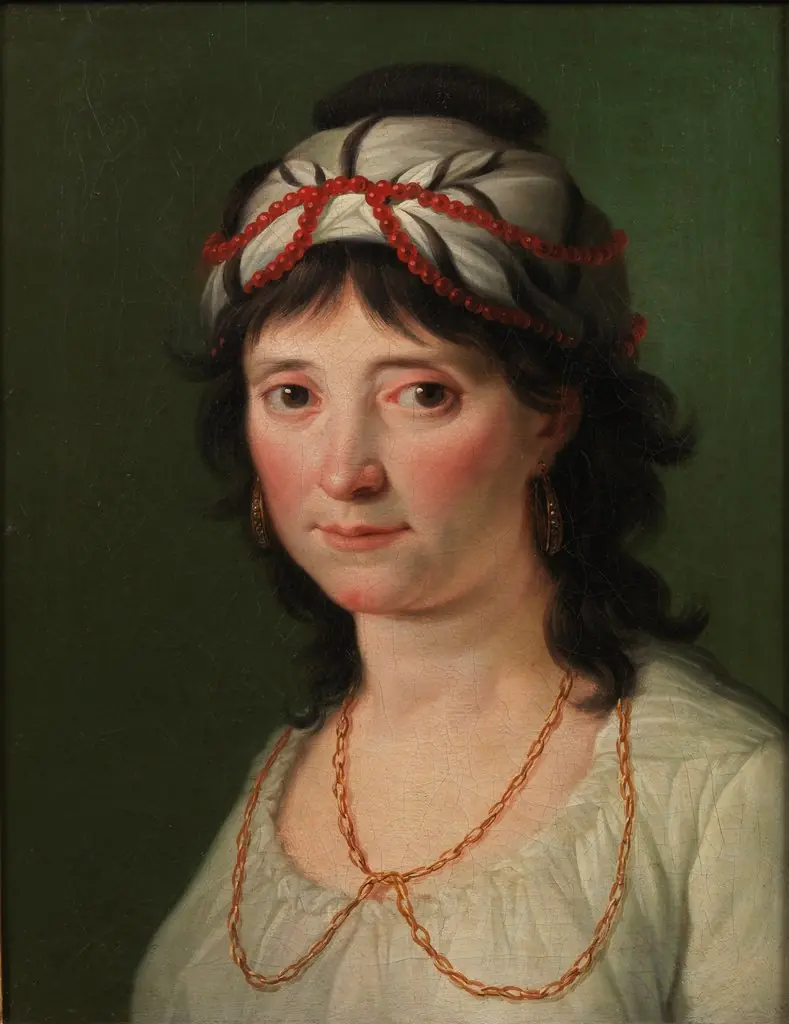
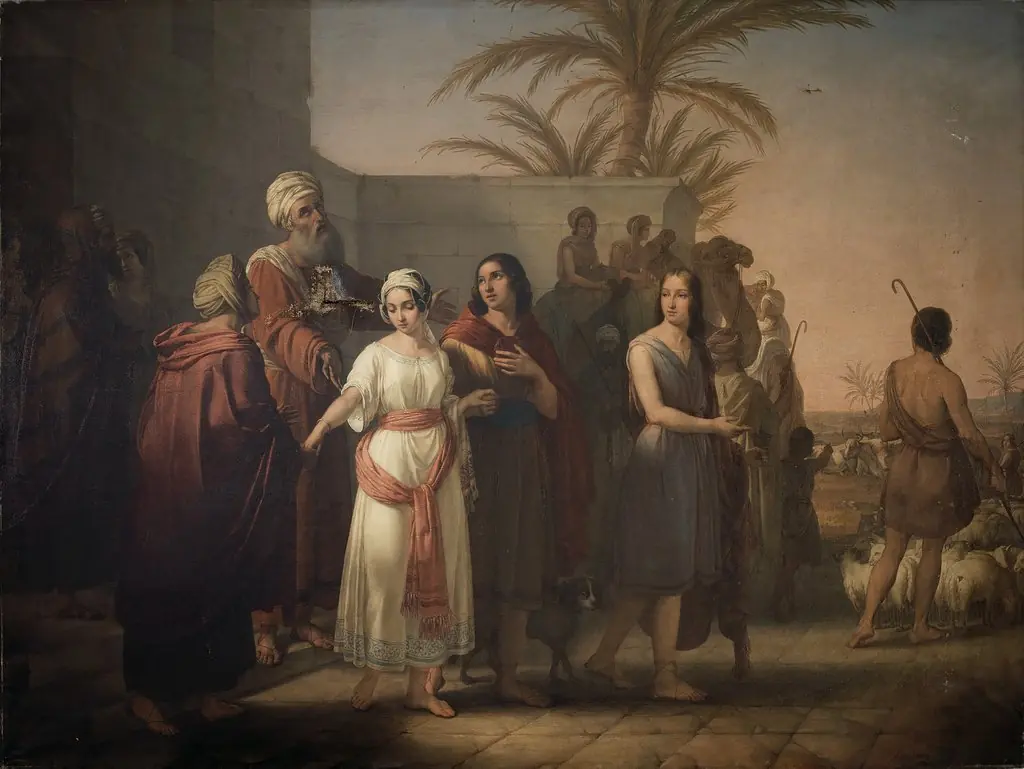 Tobias and his wife say goodbye to his in-laws in order to return to his father
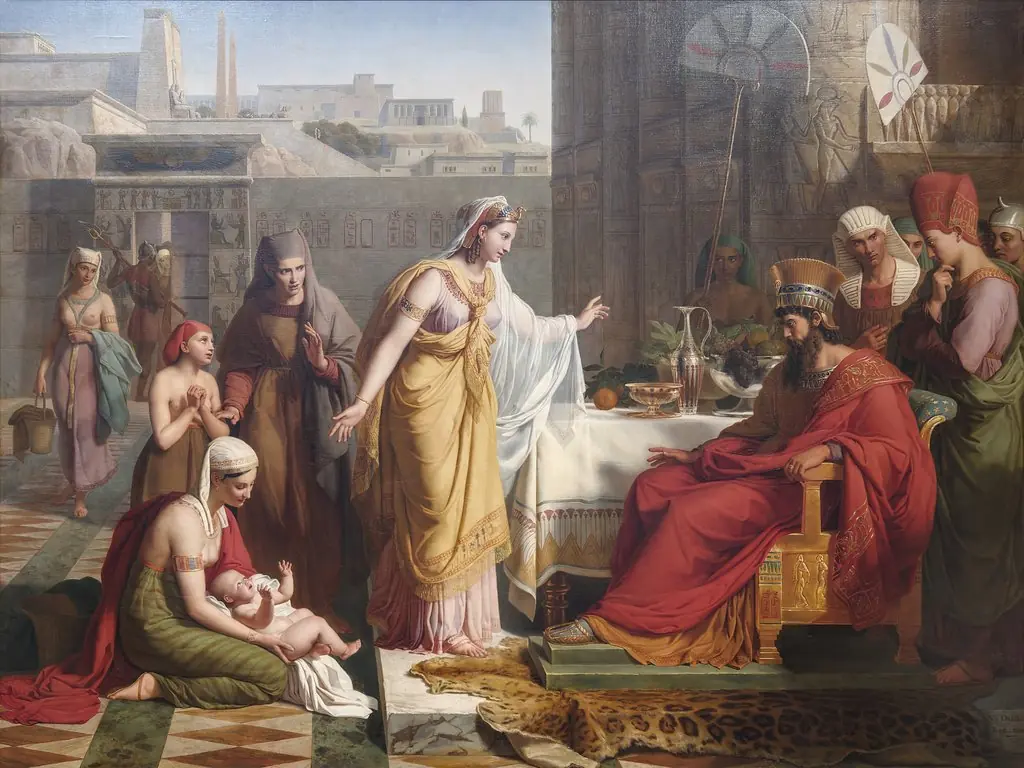 Moïse enfant présenté à Pharaon
 Bashi-Bazouk Singing
 The Denial of Saint Peter
 Mucius Scaevola Confronting King Porsenna
 Assayer at Work in the Mint, Calcutta
 An Interesting Game
 Mercury and Proserpina
 The Butcher shop
 The Magnanimity of Lycurgus
 Lust for Gold
 Het vertrek van de verloren zoon