Artwork
Passion Set: Burial of Christ
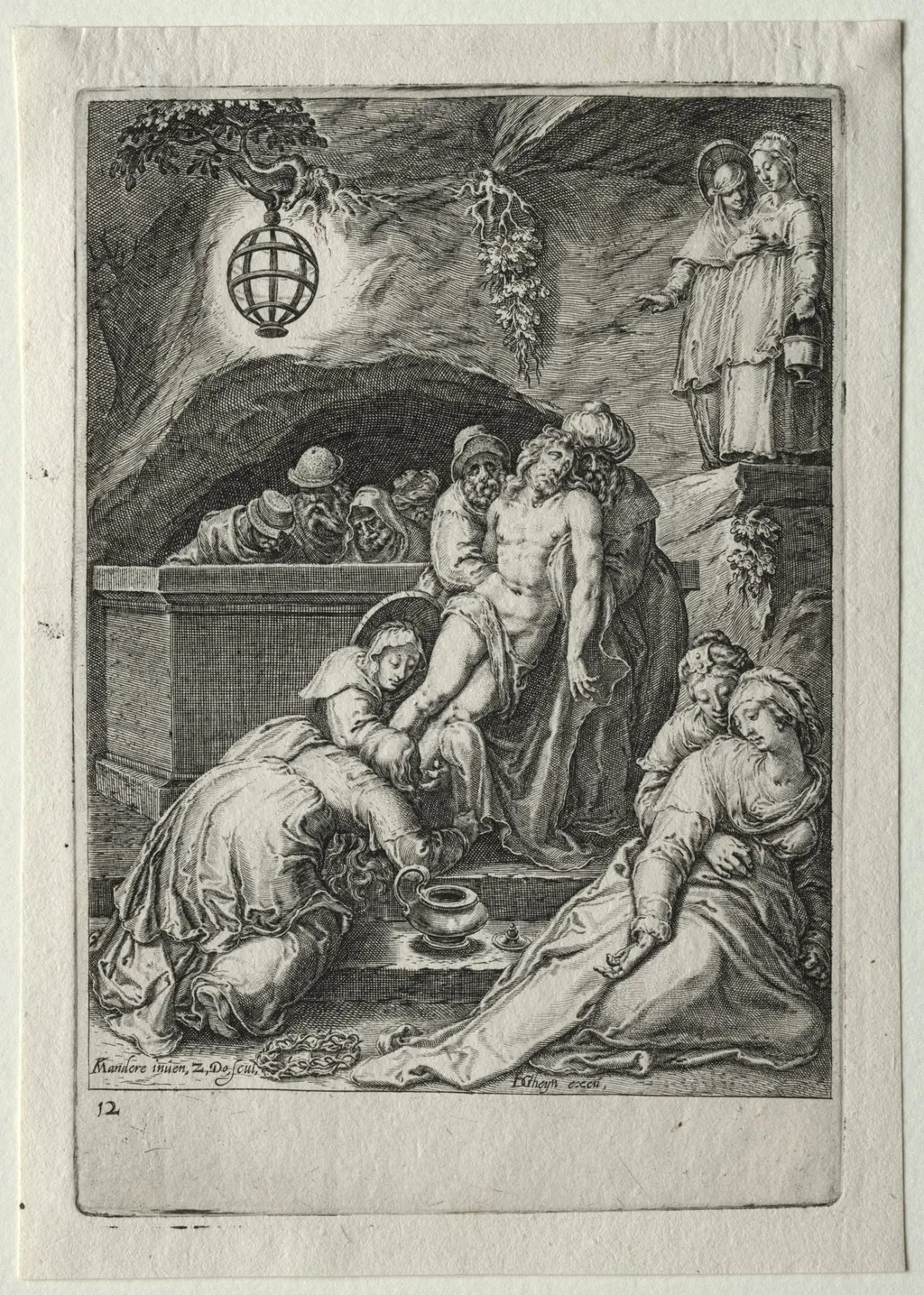
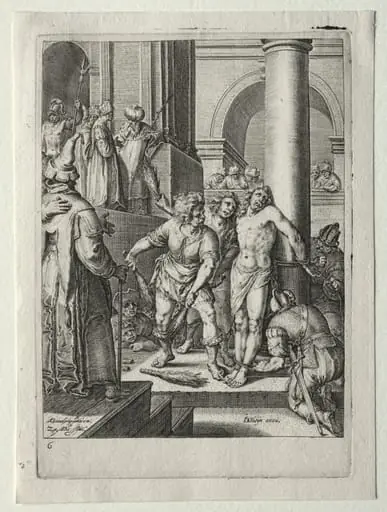
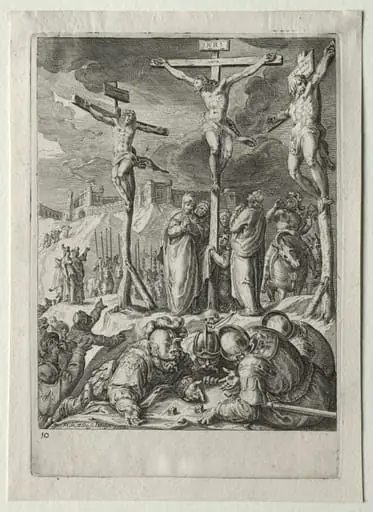
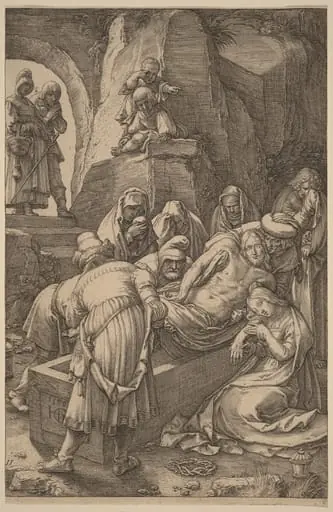
Passion Set: Burial of Christ is a print by Zacharias Dolendo. It dates from 1597 and is held in the collection of the Cleveland Museum of Art.
About this work
Overview
Active during the late Renaissance, he was known for his refined line work and technical discipline.
Zacharias Dolendo, a Dutch engraver born in Leiden in 1561, produced the engraving 'Burial of Christ' in 1597 as part of a larger series depicting scenes from the Passion of Christ. Active during the late Renaissance, he was known for his refined line work and technical discipline. This print, held by the Cleveland Museum of Art, reflects his engagement with religious narrative and his skill in translating emotional gravity into the medium of engraving.
Subject & Meaning
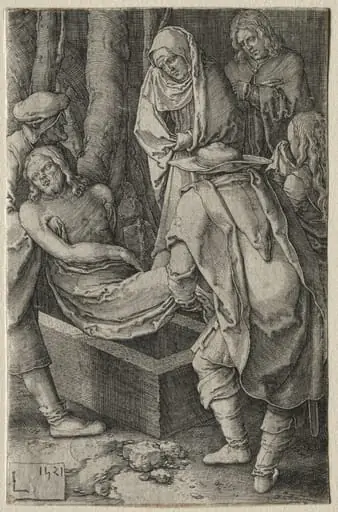
The scene captures the quiet solemnity of Christ’s burial, with figures gathered around his body in a moment of stillness and grief. No grand gestures dominate; instead, the composition emphasizes reverence and intimacy. The absence of overt drama invites contemplation, aligning with devotional practices of the time that valued inner reflection over theatricality. The focus on human response to sacred loss underscores the spiritual weight of the moment.
Technique & Style
Dolendo employed fine, controlled lines to model form and depth, using hatching and cross-hatching to build tonal variation. His handling of light and shadow creates a sense of volume and spatial recession, demonstrating an awareness of chiaroscuro principles without full painterly realism. The precision of his engraving technique reflects his training under Jacob De Ghein and his commitment to clarity and detail over expressive flourish.
History & Provenance
The engraving is one of several plates in Dolendo’s Passion series, produced during a period of intense religious printmaking in the Netherlands. Signed with his distinctive cipher, the work circulated among collectors and religious households. The Cleveland Museum of Art acquired it as part of its holdings of Northern Renaissance prints, preserving its place in the history of early modern print culture.
Context
In late 16th-century Holland, religious imagery remained vital despite the Reformation’s iconoclastic tendencies. Engravings like Dolendo’s served as private devotional aids, offering accessible, portable representations of sacred events. His work emerged alongside other Northern artists who adapted Italian compositional ideas to local tastes, blending emotional restraint with technical mastery.
Legacy
Zacharias Dolendo’s prints, though less widely known than those of his contemporaries, exemplify the quiet sophistication of Dutch engraving in the late Renaissance. His precision and compositional restraint influenced later generations of printmakers who valued clarity and emotional subtlety. The survival of his Passion series in institutional collections attests to his enduring contribution to the medium.
Artist & collection
Artist
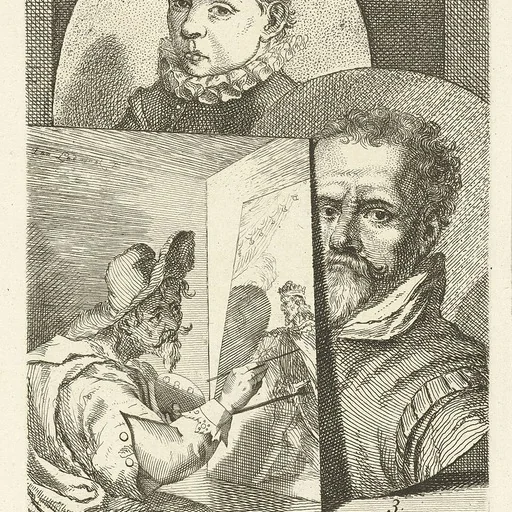
Zacharias Dolendo (1561–1601) was a Dutch engraver. He was the brother of Bartholomeus Dolendo, whom he surpassed both in style and in correctness. He was born at Leyden in 1561, and is said by Huber to have been a…

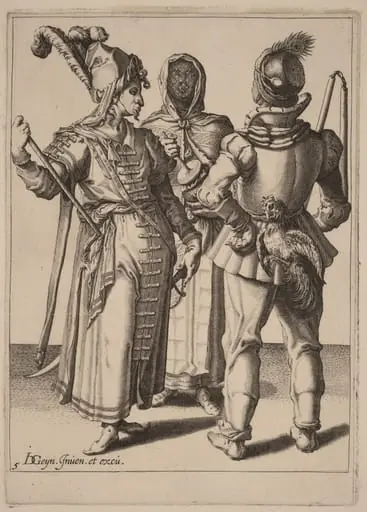 A Grandee, a Peasant, and a Veiled Woman
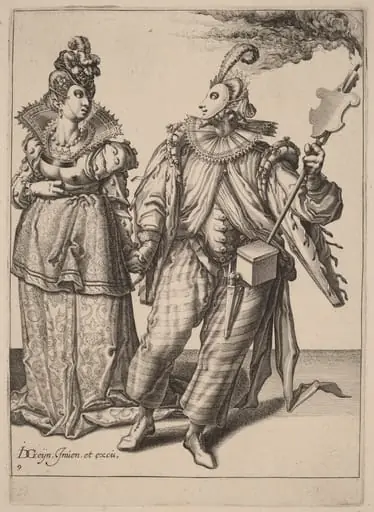 A Woman Led by a Player Holding a Torch
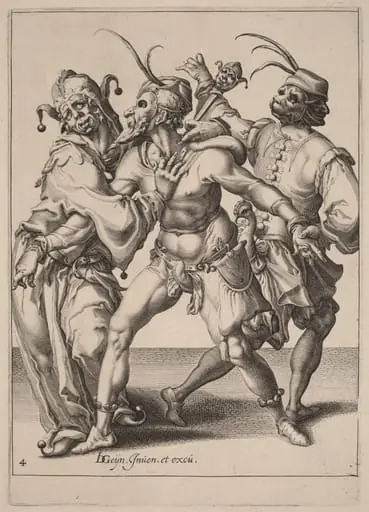 Three Dancing Mummers, Including a Jester
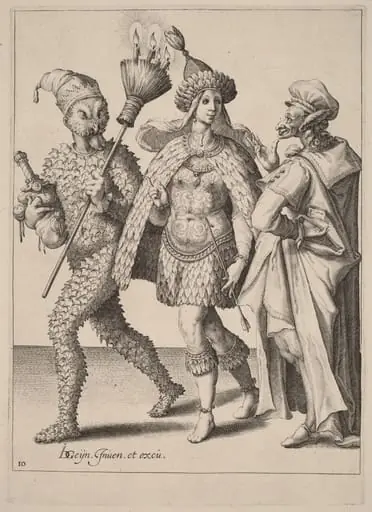 An Old Mummer Addressing a Couple Dressed in Feathers
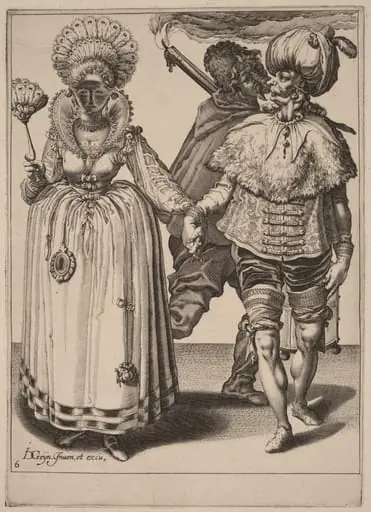 A Man with a Turban Leading a Woman Wearing Peacock Feathers
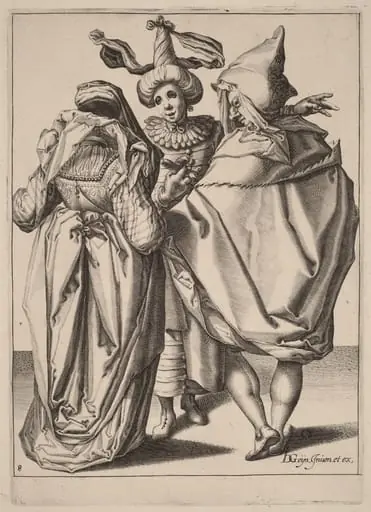 A Couple Addressing a Gesticulating Young Man
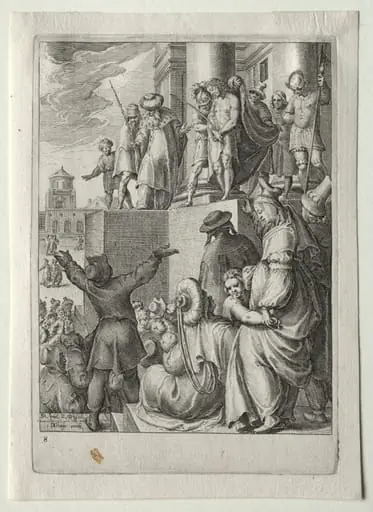 Passion Set: Ecce Homo
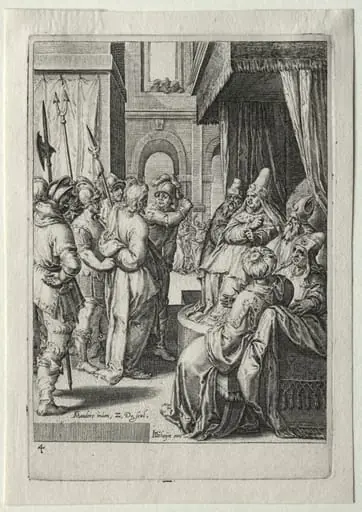 Passion Set: Christ before Herod