Artwork
H Beard Print Collection
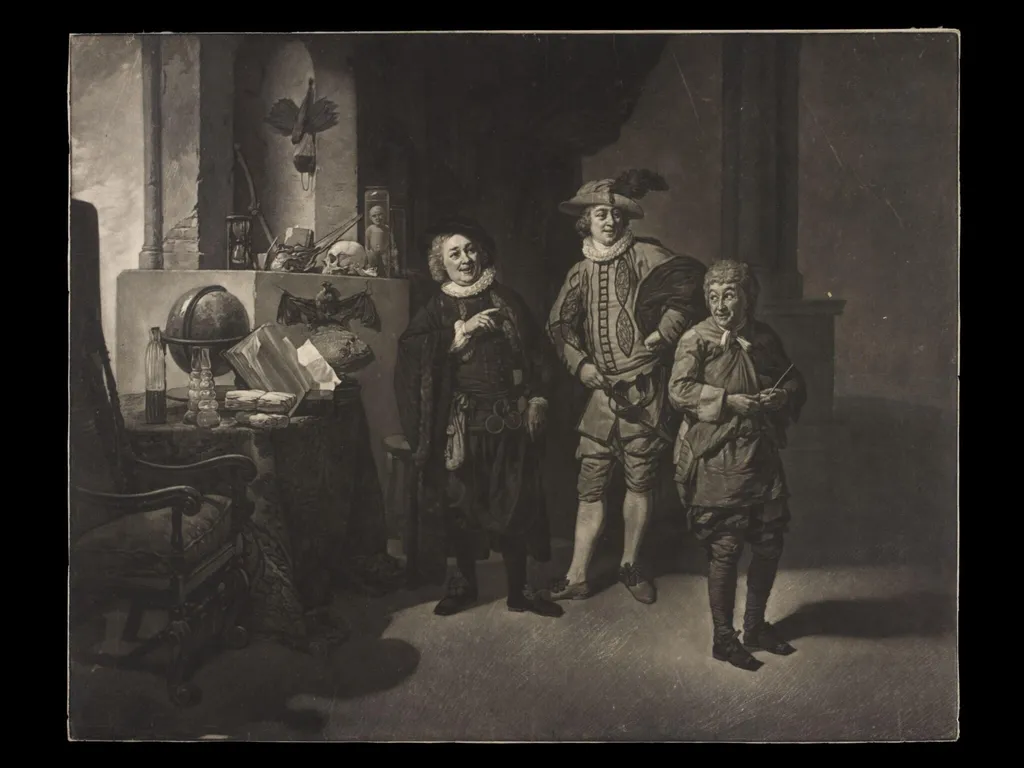
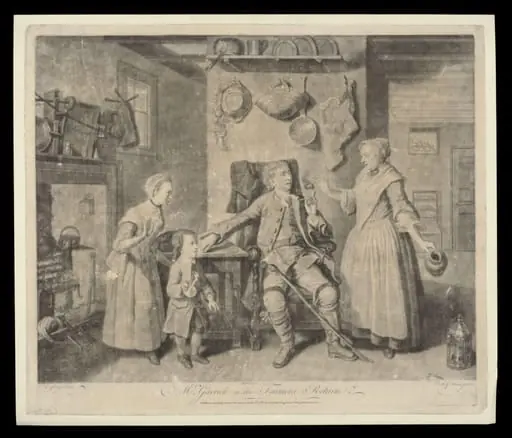
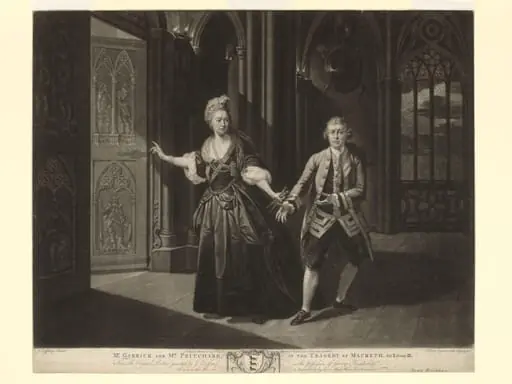
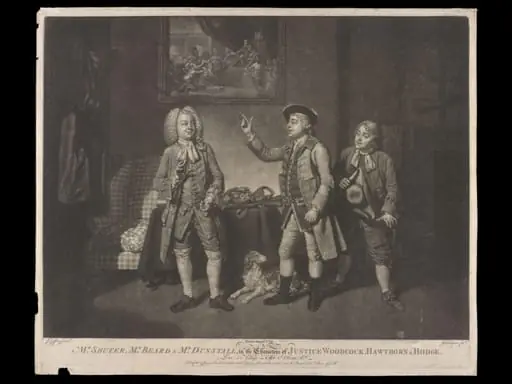
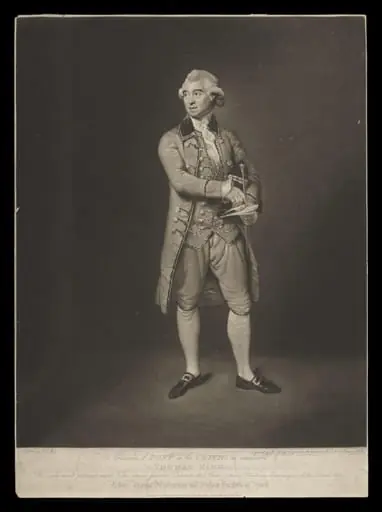
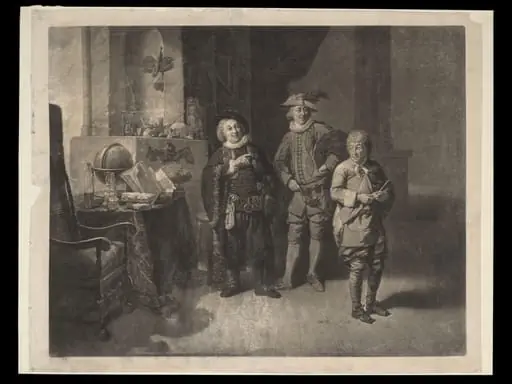
H Beard Print Collection is a print by Johan Joseph Zoffany. It dates from 1850 and is held in the collection of the Victoria and Albert Museum. This print, part of the H.
About this work
Overview
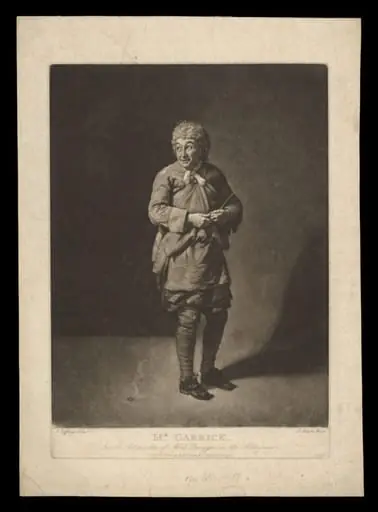
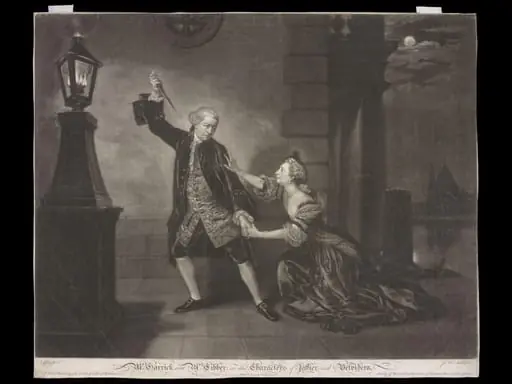
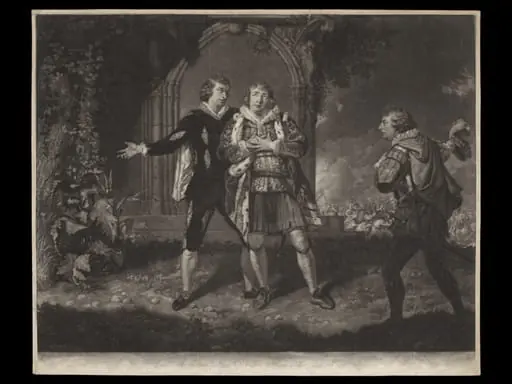
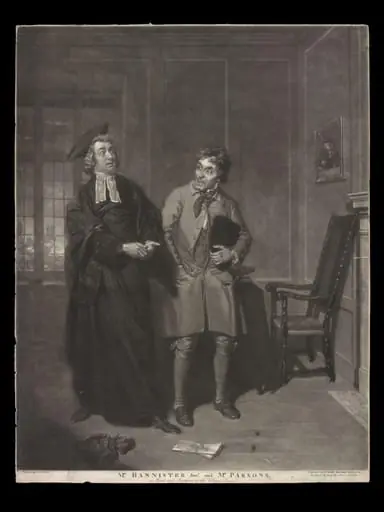
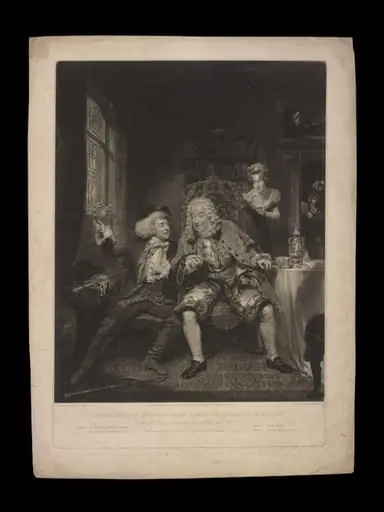
It portrays actor David Garrick as Abel Drugger, flanked by William Burton and John Palmer, in a scene from Act 2, Scene 6.
This print, part of the H. Beard Collection, captures a moment from Ben Jonson’s comedy The Alchemist, performed in the late 18th century. It portrays actor David Garrick as Abel Drugger, flanked by William Burton and John Palmer, in a scene from Act 2, Scene 6. Executed by Johan Joseph Zoffany, the work is a lithographic reproduction intended for public circulation, reflecting the era’s fascination with theatrical performance as popular culture.
Subject & Meaning
The scene depicts Abel Drugger, a gullible tobacconist, caught in the web of con artists pretending to be alchemists. Zoffany’s portrayal emphasizes the absurdity of the characters’ interactions, highlighting the play’s satire of human gullibility and social pretension. By freezing this moment in print, the image preserves the physicality and expression of Garrick’s acclaimed performance, anchoring theatrical history in visual form.
Technique & Style
Zoffany rendered the scene with precise line work and subtle tonal contrasts, characteristic of late 18th-century theatrical portraiture. Figures are arranged in a staged composition, mimicking the spatial dynamics of the stage. Clothing and gestures are rendered with attention to contemporary detail, reinforcing authenticity. The print’s medium—likely a lithograph or engraving—allowed for mass reproduction, making theater accessible beyond the live audience.
History & Provenance
Created in the 1790s, the print entered the H. Beard Collection, a significant assembly of theatrical imagery assembled by a 19th-century British collector. It was later acquired by the Victoria and Albert Museum, where it remains part of its extensive holdings on performance history. Zoffany’s involvement as both painter and printmaker links this work to broader efforts to document and disseminate stage culture during a period of growing public interest in theater.
Context
During the late 1700s, London’s theater scene thrived as a social institution, with actors like Garrick achieving celebrity status. Prints such as this one served as both souvenirs and cultural records, bridging the gap between live performance and domestic consumption. Zoffany’s depictions of actors in character helped shape public perception of theatrical roles, reinforcing the idea of the actor as a skilled interpreter rather than merely a performer.
Legacy
This print contributes to a visual archive of 18th-century British theater, preserving the physicality and staging conventions of its time. Zoffany’s work influenced later artists documenting performance, and the print’s survival in the V&A underscores its value as historical evidence. It remains a reference point for scholars studying the intersection of theater, portraiture, and print culture in the Georgian era.
Artist & collection
Artist
Dry, finely etched prints of 18th‑century London life fill Zoffany’s work. Look for the crisp outlines and cross‑hatched shadows in prints dated 1766, 1772, and 1776—these scenes capture tailors’ shops, book stalls in…

 H Beard Print Collection
 Bildhaueratelier
 Konversationsstück
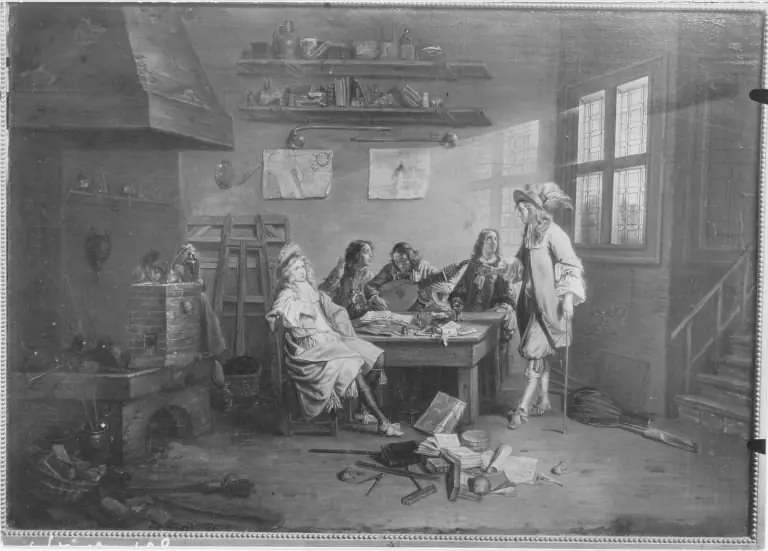 Musikgesellschaft
 H Beard Print Collection
 H Beard Print Collection
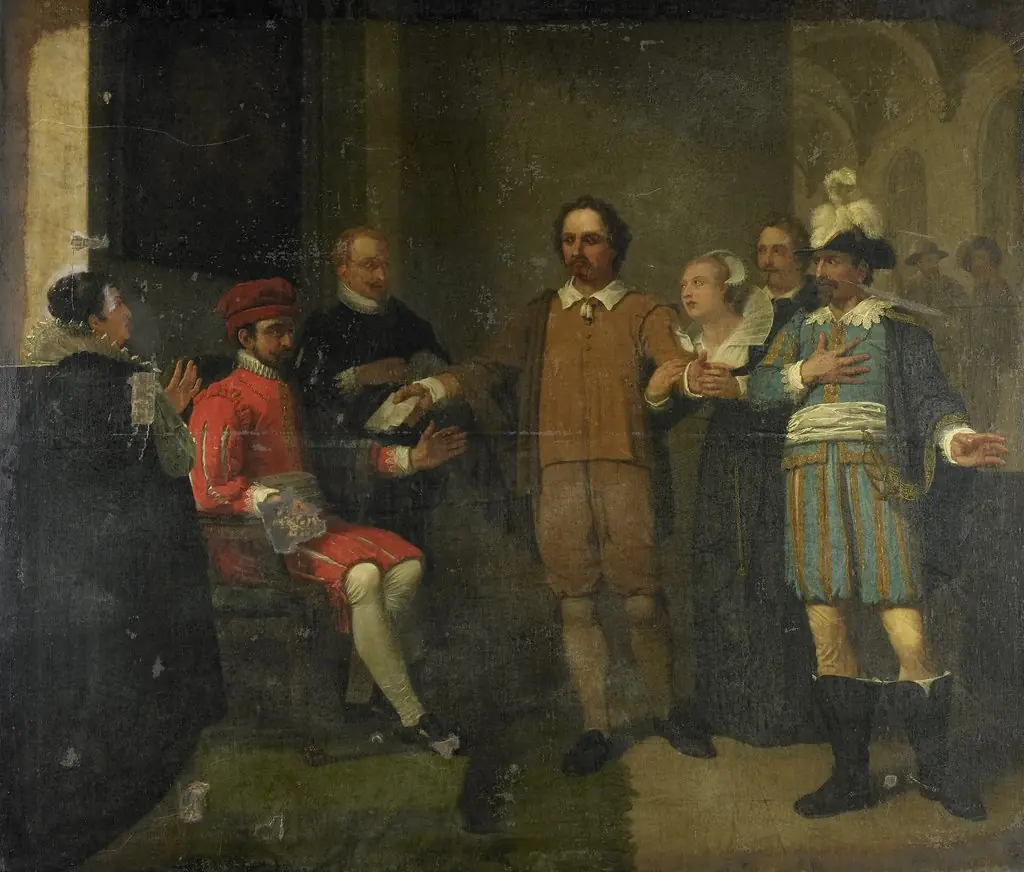 Jacob Simonsz de Rijk Secures from Spanish Governor-General Requesens the Release of Marnix van Sint Aldegonde
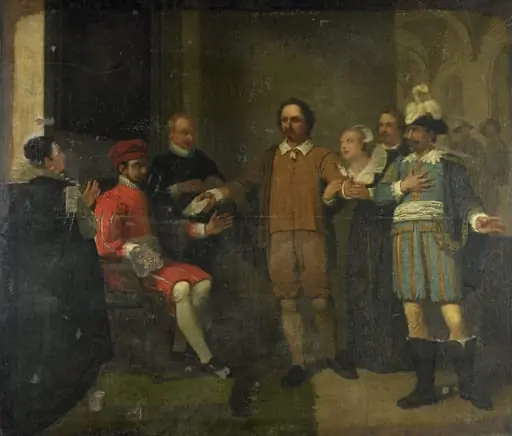 Jacob Simonsz de Rijk getting the Spanish Governor-General Requesens to Release Marnix van Sint Aldegonde, 1575
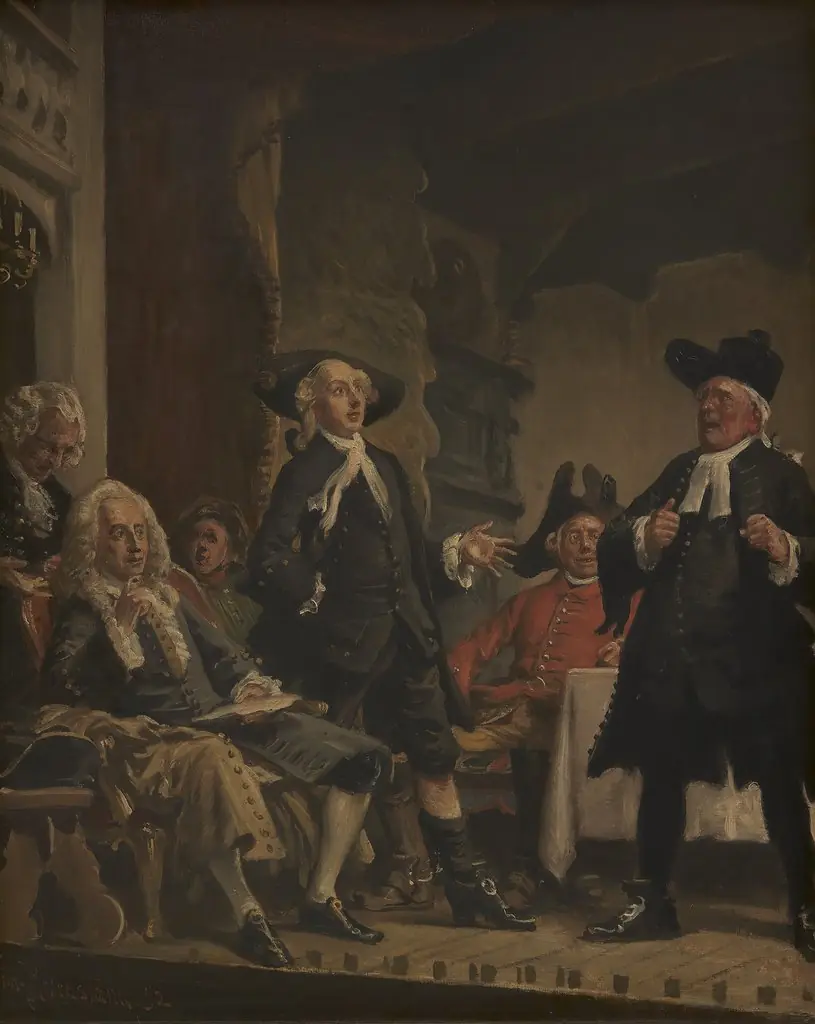 Holberg overværer en prøve på Erasmus Montanus
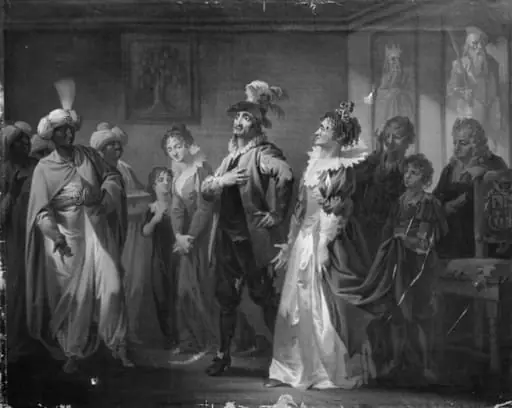 Don Ranudo de Colibrados, V. akt, 4. scene
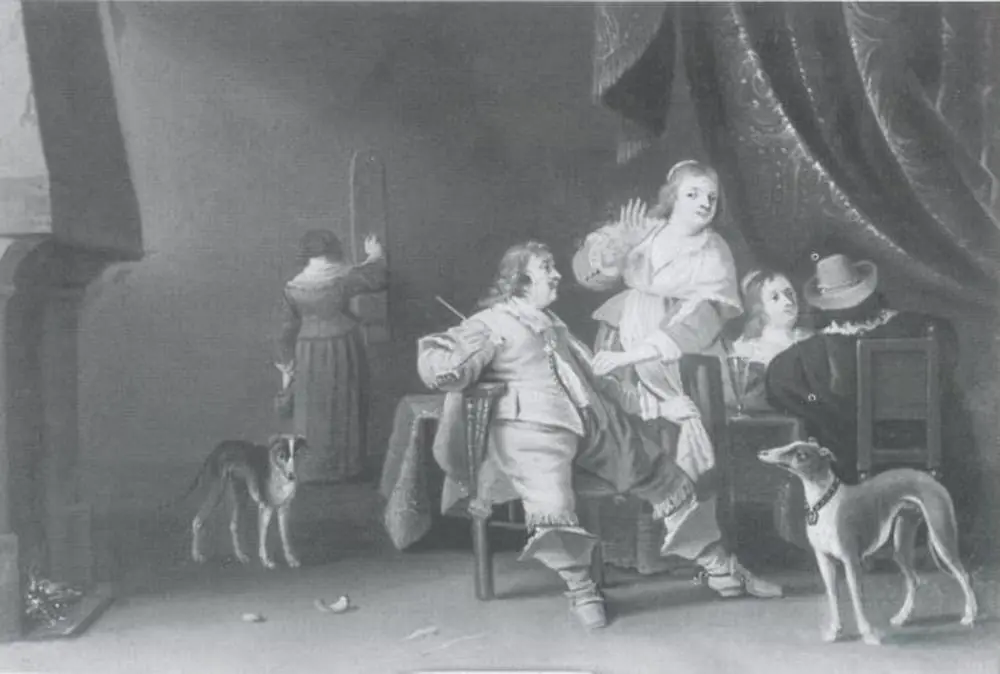 Merry Company
 H Beard Print Collection