Artwork
Narcissus jonquilla (siv-narcis)
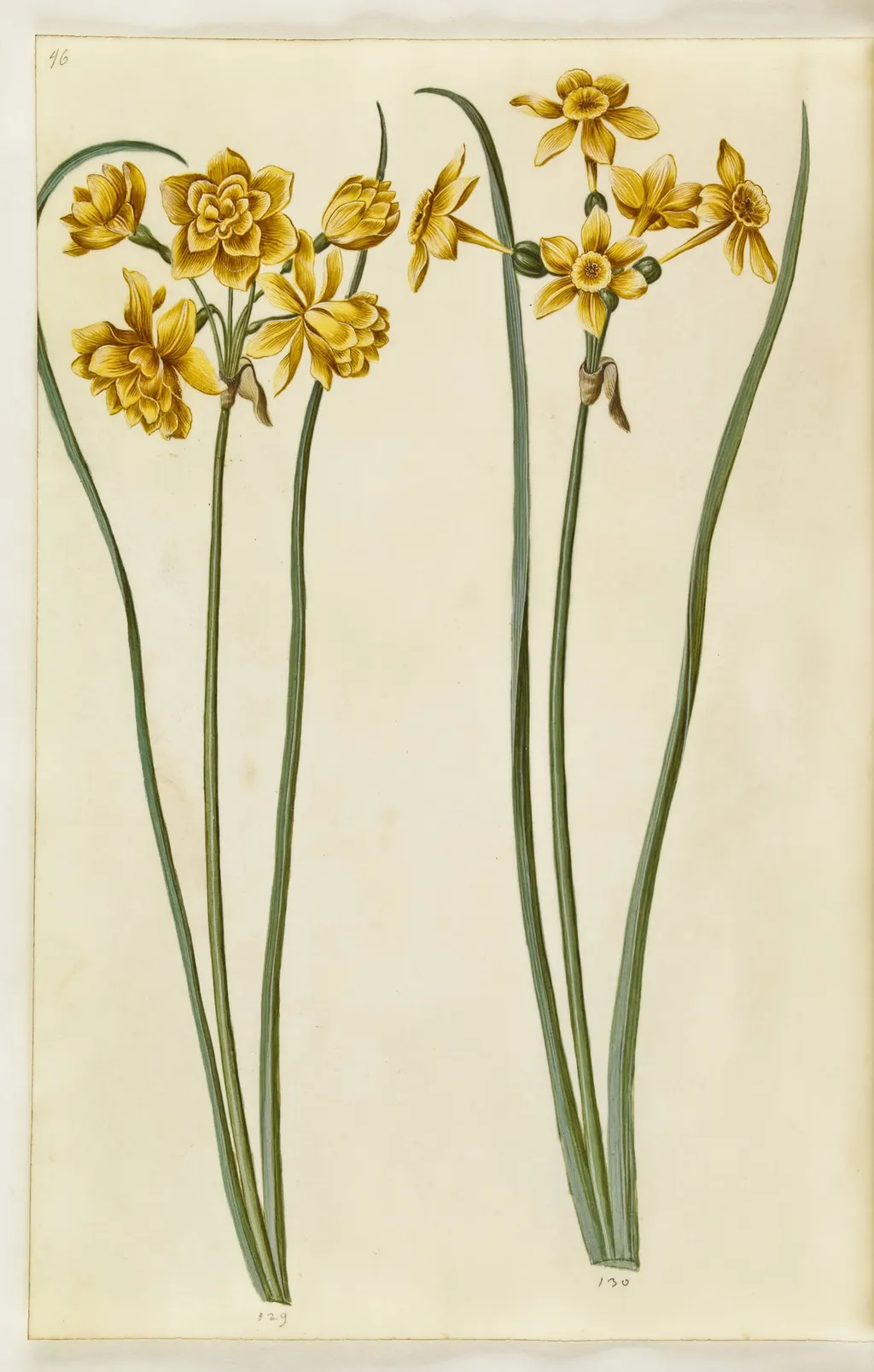
Narcissus jonquilla (siv-narcis) is an unspecified work on paper by Unknown. It dates from 1650 and is held in the collection of the Statens Museum for Kunst. This artwork, dated around 1650, depicts five Narcissus jonquilla flowers rendered in watercolor.
About this work
Overview
This artwork, dated around 1650, depicts five Narcissus jonquilla flowers rendered in watercolor. Attributed to 35199_person, it is part of the collection at the Museum of Ethnography. The composition isolates the blooms against a pale, unadorned background, emphasizing botanical precision over decorative context. The technique suggests a study intended for observation rather than ornamentation.
Subject & Meaning
The subject is a species of daffodil native to southern Europe, known for its early spring bloom. The painting captures the plant in a moment of quiet vitality, without symbolic or mythological references. Its focus on natural form reflects a growing interest in scientific documentation during the mid-seventeenth century, valuing accuracy over allegory.
Technique & Style
The artist employed fine brushwork and translucent watercolor layers to render delicate petal textures and subtle gradations in yellow. Veins on the petals and the slight curvature of the stems are rendered with meticulous attention. The plain background enhances the clarity of form, a method common in botanical illustrations of the period designed for identification and study.
History & Provenance
The work entered the Museum of Ethnography’s collection as part of a broader archive of natural history studies. Its origin as a private specimen recording is likely, given its intimate scale and lack of ornamental framing. No documentation of its early ownership survives, but its style aligns with Flemish and Dutch botanical traditions of the mid-1600s.
Context
Created during a period of expanding botanical inquiry, this piece reflects the era’s shift toward empirical observation. Artists and naturalists collaborated to document flora with increasing detail, often for use in herbals or private collections. Such works were not merely artistic but served as visual records in a time before photography.
Legacy
The painting contributes to a tradition of scientific illustration that influenced later botanical art. Its restrained aesthetic and focus on structural accuracy set a standard for plant depiction in academic and museum contexts. Though unsigned and unassuming, it remains a quiet example of how art supported the advancement of natural science.
Artist & collection

 Domestic Scene
 Giacomo and Cardinal Marco, investing Andrea, Abbot of San Zeno, with his Benefice
 The Nymph of Fontainebleau
 Portrait of a Woman
 Madonna and Child with Saints in the Enclosed Garden
 Venus and Minerva
 Family Group of Four on Sofa
 Wall painting from Room H of the Villa of P. Fannius Synistor at Boscoreale
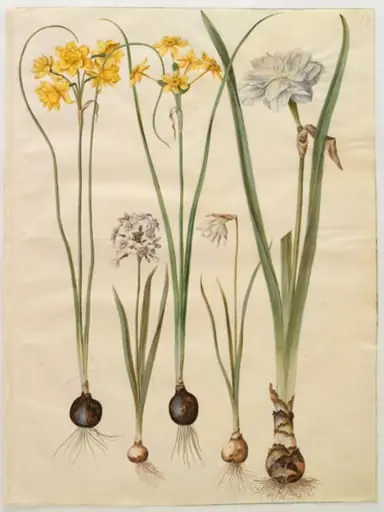 Narcissus jonquilla (siv-narcis); Narcissus tazetta (tazet); Narcissus pseudonarcissus moschatus (moskus-narcis); Narcissus poeticus (pinselilje)
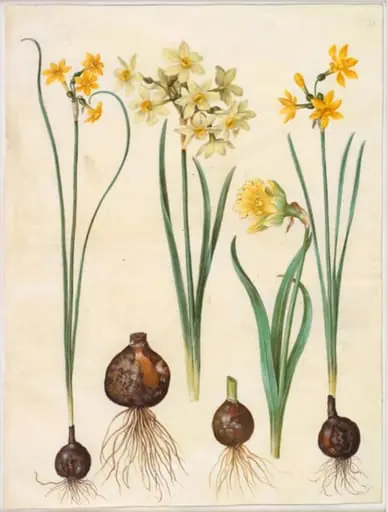 Narcissus jonquilla (siv-narcis); Narcissus tazetta aureus (guld-tazet); Narcissus pseudonarcissus bicolor (tofarvet påskelilje)
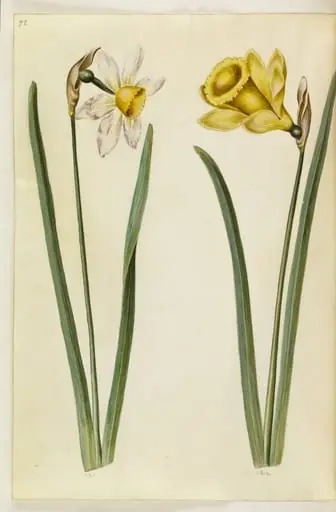 Narcissus ×incomparabilis (have-narcis); Narcissus pseudonarcissus (påskelilje)
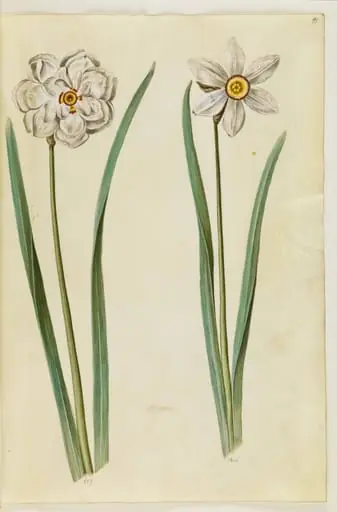 Narcissus poeticus (pinselilje)
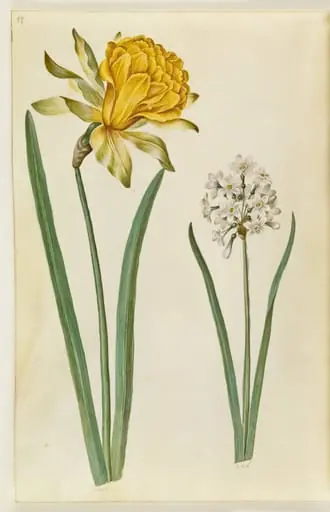 Narcissus pseudonarcissus (påskelilje); Narcissus tazetta (tazet)
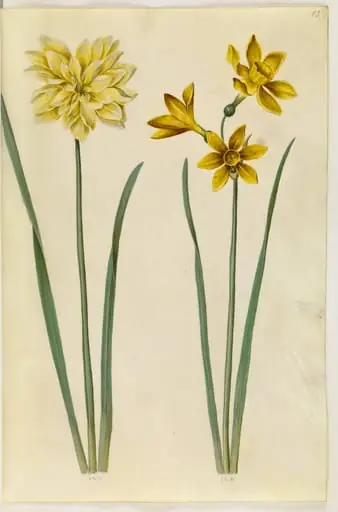 Narcissus pseudonarcissus (påskelilje); Narcissus tazetta aureus (guld-tazet)
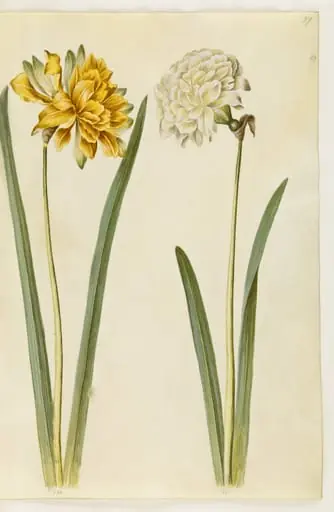 Narcissus pseudonarcissus (påskelilje)
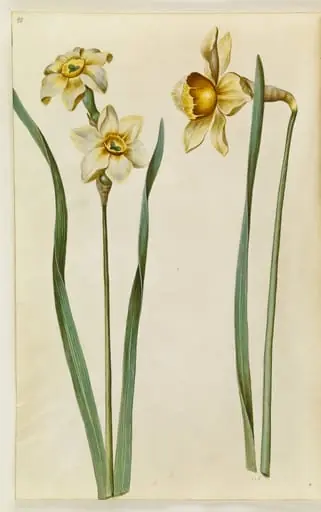 Narcissus ×medioluteus (toblomstret narcis); Narcissus ×incomparabilis (have-narcis)
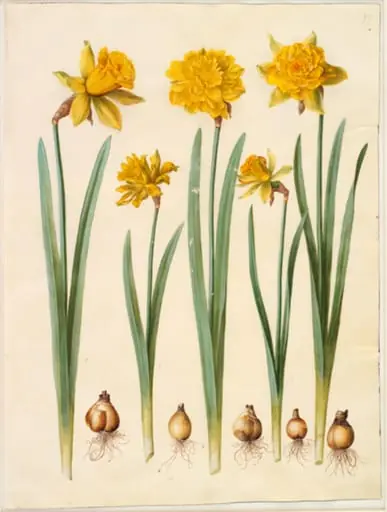 Narcissus pseudonarcissus
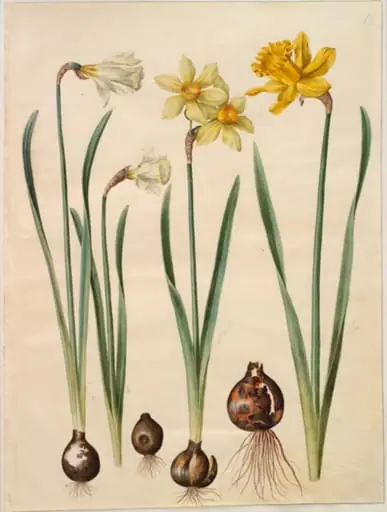 Narcissus pseudonarcissus moschatus (moskus-narcis); Narcissus ×medioluteus (toblomstret narcis); Narcissus pseudonarcissus major (stor påskelilje)
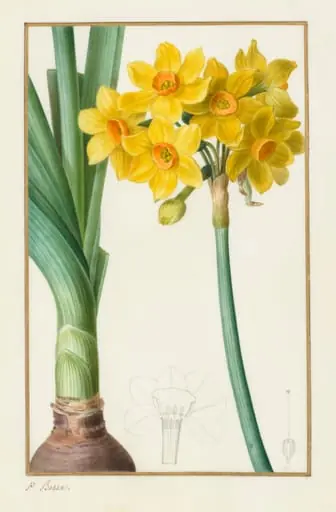 Polyanthus or Cluster Narcissus (Botanical: Narcissus tazetta)