Artwork
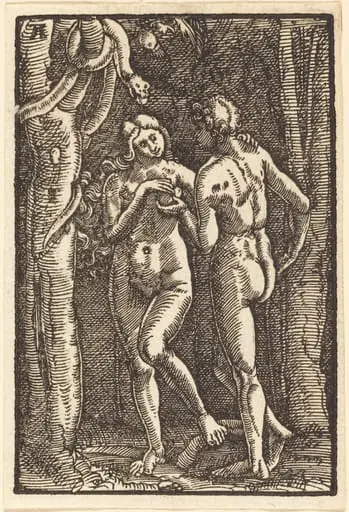
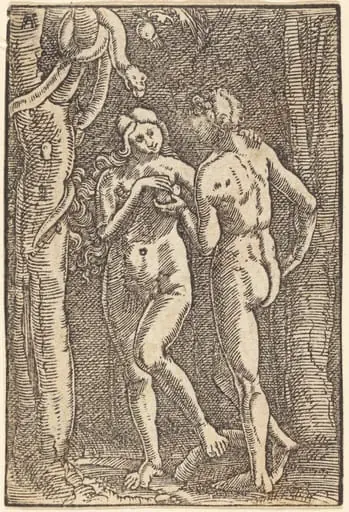
The Fall and Redemption of Man: Adam and Eve Eating the Forbidden Fruit
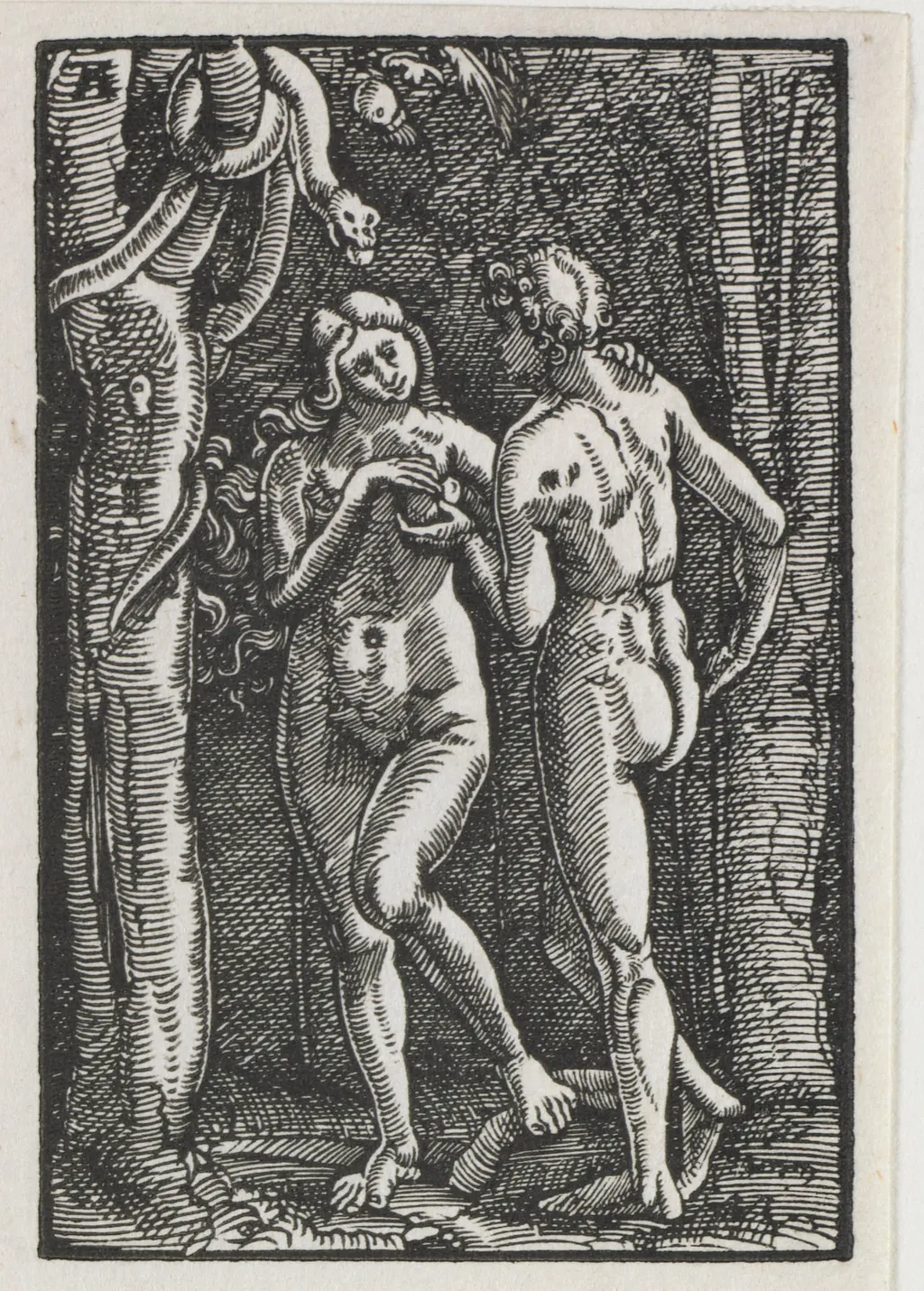
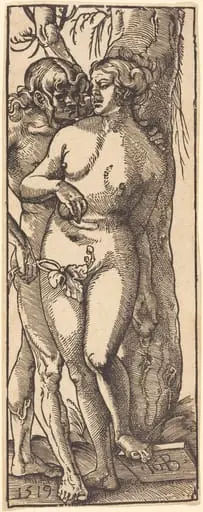
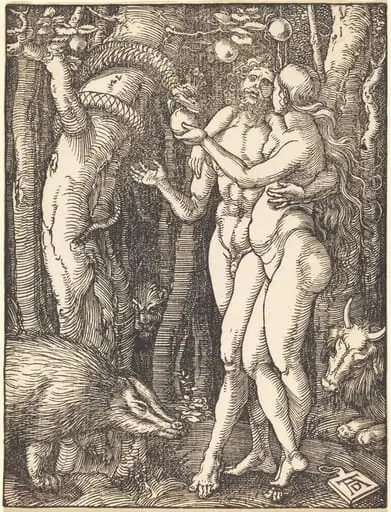
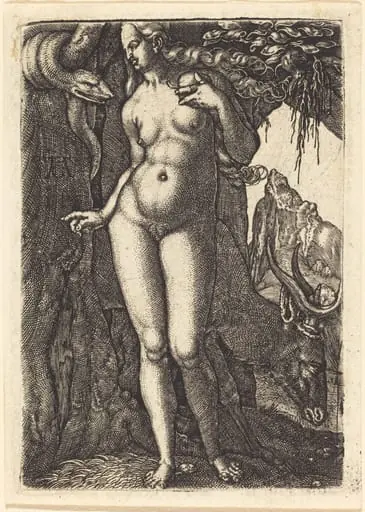
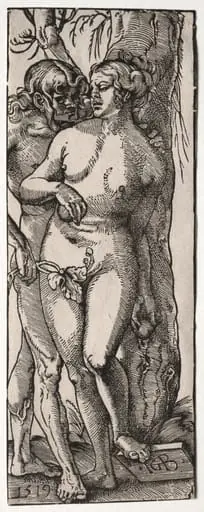
The Fall and Redemption of Man: Adam and Eve Eating the Forbidden Fruit is a print by the Renaissance artist Albrecht Altdorfer. It dates from 1513 and is held in the collection of the Cleveland Museum of Art.
About this work
Overview
The Fall and Redemption of Man: Adam and Eve Eating the Forbidden Fruit is one of eight woodcuts from a 40-piece series illustrating Christian redemption, from original sin to the Last Judgement. The museum's set preserves four prints per sheet, unlike others cut into individual pieces.
Subject & Meaning
This woodcut depicts the pivotal moment of Adam and Eve consuming the forbidden fruit, symbolizing the origin of sin in Christian theology. As part of a larger narrative series, it contextualizes this event within the broader theme of redemption.
Technique & Style
Notably executed in woodcut, a medium less conducive to fine detail than engraving, this series demonstrates technical proficiency. Its miniature scale and precision suggest influence from contemporaneous works, such as Albrecht Dürer's Small Passion (1511), though at a larger size.
History & Provenance
Created by Albrecht Altdorfer by 1513, this series predates Hans Holbein's comparable Dance of Death (c. 1526). The museum's set is distinctive due to its preservation in half-sheets, showing four images per page, unlike fully separated prints.
Context
Part of a 40-image narrative, this woodcut's original presentation in grouped sheets (five sheets of eight images each) reflects a practical approach to printing. The disrupted chronological order across sheets may indicate a focus on efficient production over narrative sequence.
Own this work as a print
Artist & collection
Artist
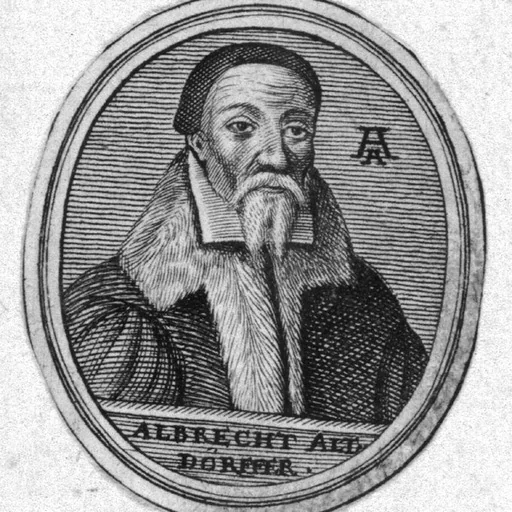
Albrecht Altdorfer (c. 1480 – 12 February 1538) was a German painter, engraver and architect of the Renaissance working in Regensburg. Along with Lucas Cranach the Elder and Wolf Huber he is regarded to be the main…