Artwork
The Fall of Adam and Eve
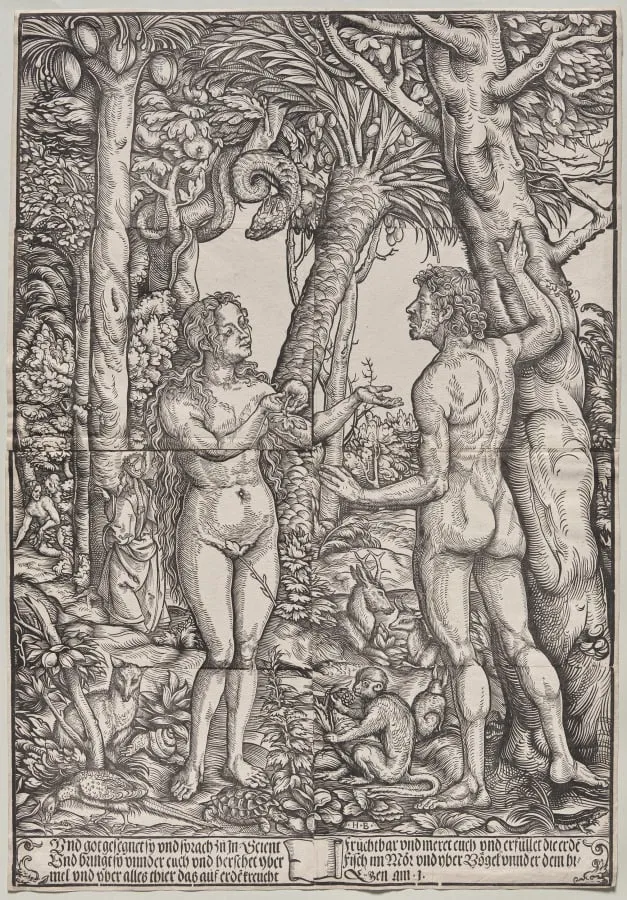
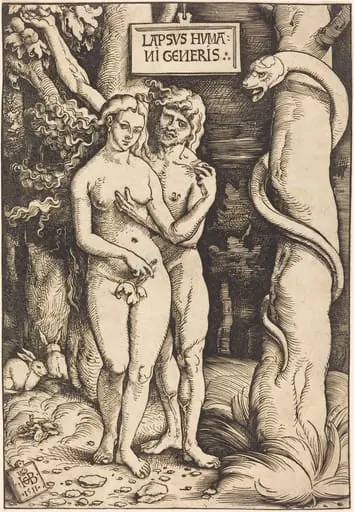
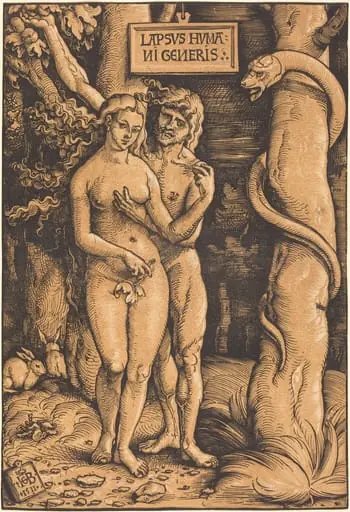
The Fall of Adam and Eve is a print by the Renaissance artist Hans Burgkmair the Elder. It dates from 1525 and is held in the collection of the Cleveland Museum of Art.
About this work
Overview
The Fall of Adam and Eve is a print depicting the biblical narrative of humanity's first transgression, set in a tropical Garden of Eden. The scene features Adam, Eve, a serpent, and a monkey, amidst palm trees, conveying a unique interpretation of the Genesis story.
Subject & Meaning
The print allocates blame for the transgression primarily to Eve, shown persuading Adam to consume the forbidden fruit. A monkey, symbolizing bodily pleasure, mirrors the humans' actions by eating fruit, suggesting an animalistic nature of temptation. Palm trees, despite being symbols of virtue, appear incongruous in this context.
Technique & Style
The artist employs chiaroscuro, a technique utilizing strong contrasts of light and shadow to create depth and emphasize key elements in the scene, a common approach in biblical illustrations of the time.
History & Provenance
Due to their common display method (hung on walls like paintings), prints of this size from the era are rare survivors. Specific historical ownership or creation details of this piece are not provided.
Context
The tropical setting reflects contemporary beliefs about the Garden of Eden's location. The incorporation of palm trees, though symbolic of virtues in devotional literature, contributes to the unusual jungle setting, diverging from the typical European forest depiction.
Artist & collection
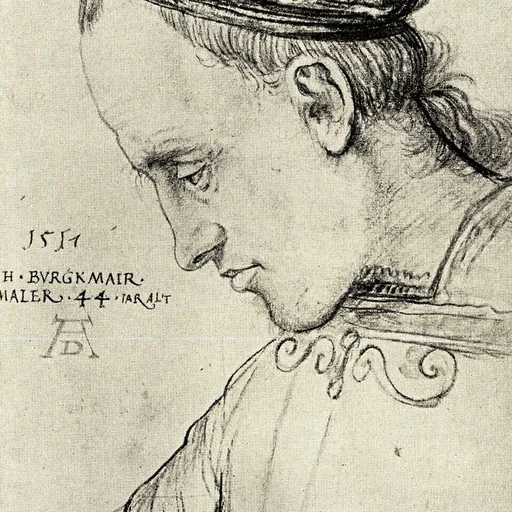
Artist
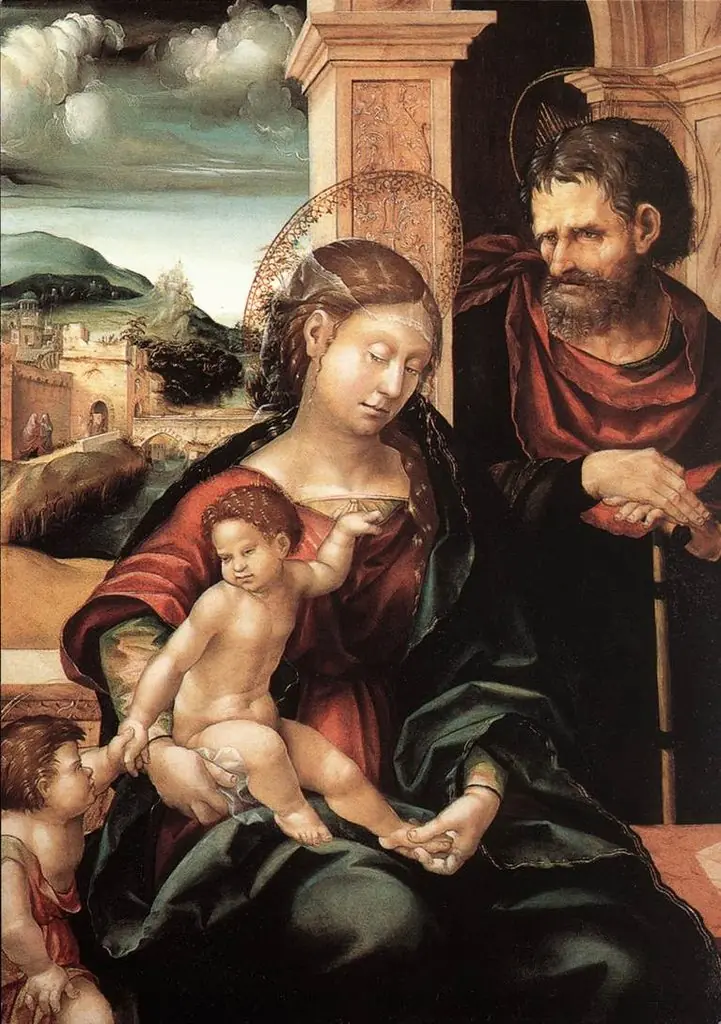
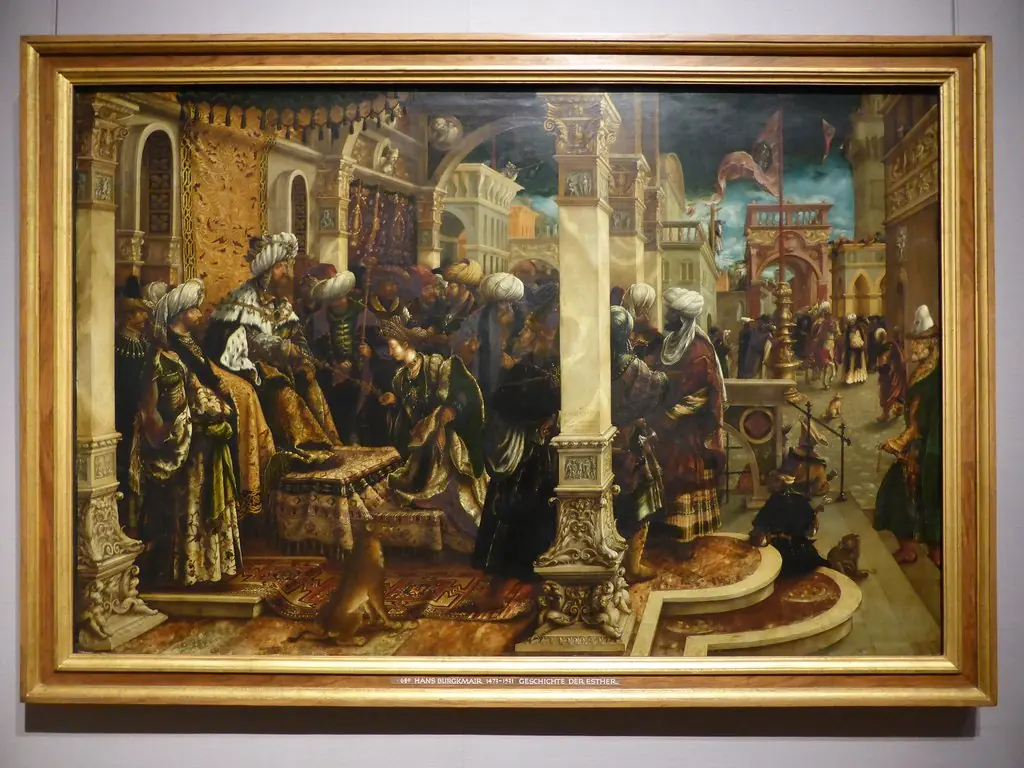
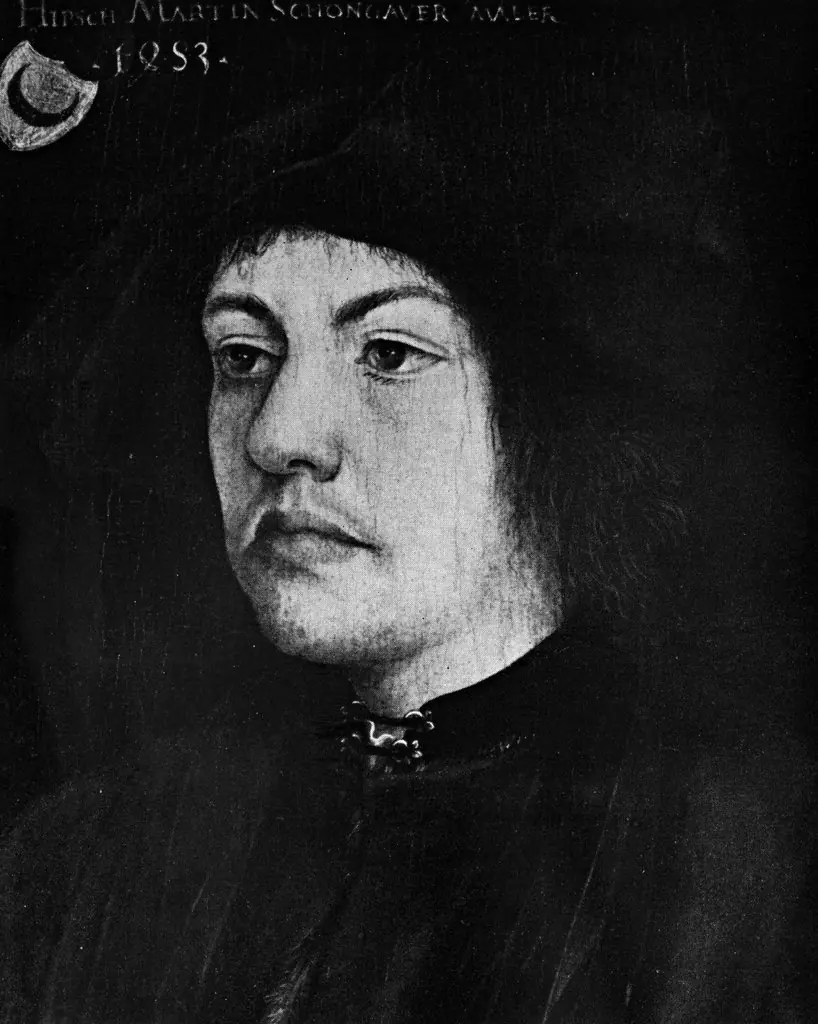
Hans Burgkmair the Elder (1473–1531) was a German artist, born in Augsburg.