Artwork
Noli Me Tangere
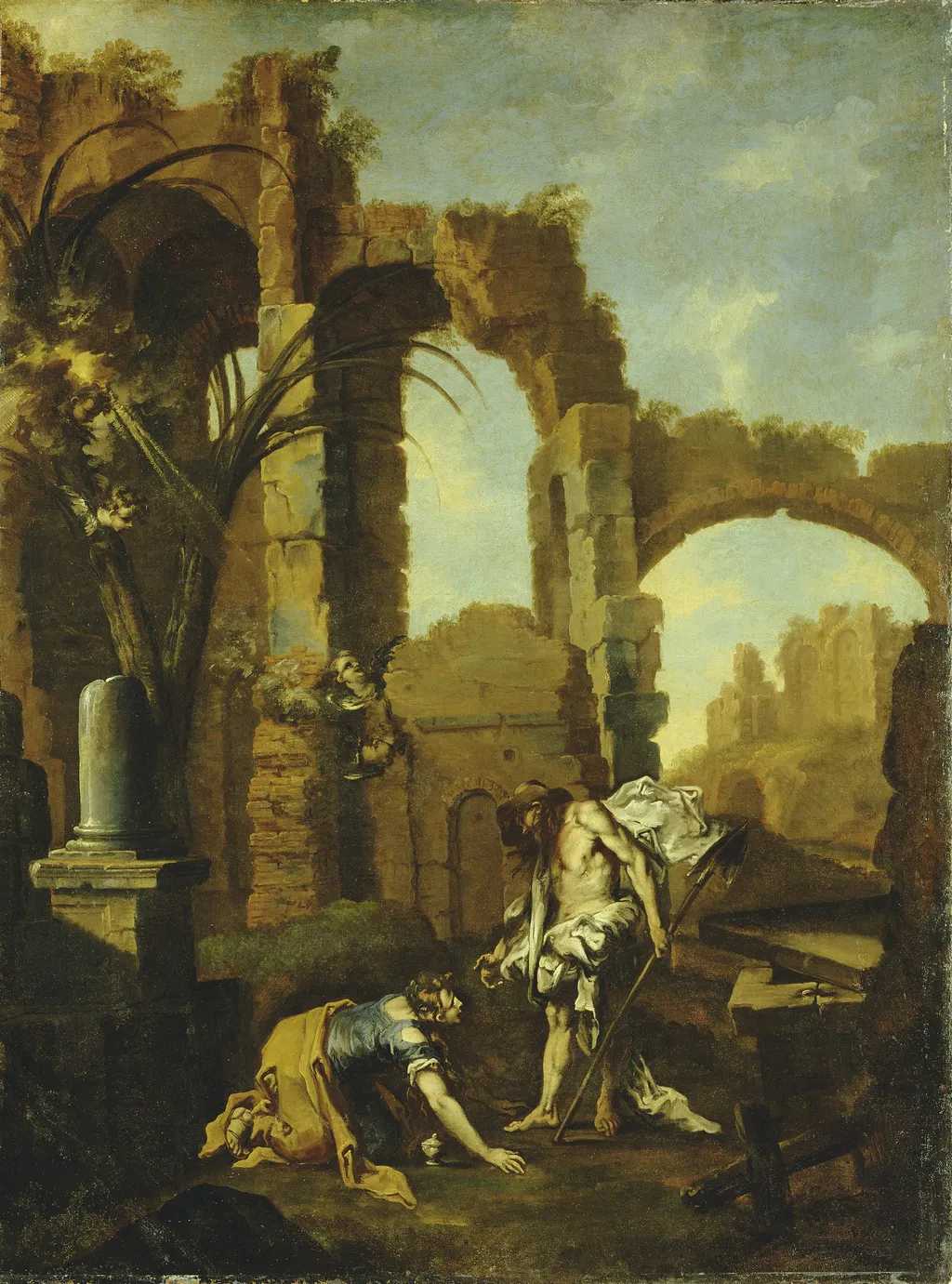
Noli Me Tangere is an oil painting by the Early Baroque Italian artist Alessandro Magnasco. It dates from 1707 and is held in the collection of the J. Paul Getty Museum.
About this work
Overview
Magnasco, active in northern Italy during the late Baroque era, rendered the scene with a distinctive, almost theatrical intensity.
Painted in 1707 by Alessandro Magnasco, *Noli Me Tangere* is an oil-on-canvas work that captures a moment from the Gospel of John. Magnasco, active in northern Italy during the late Baroque era, rendered the scene with a distinctive, almost theatrical intensity. The painting is part of the J. Paul Getty Museum’s collection, where it stands as an example of his idiosyncratic approach to religious subjects, diverging from classical harmony in favor of emotional immediacy and dynamic composition.
Subject & Meaning
The scene illustrates Christ’s appearance to Mary Magdalene after his resurrection, as described in John 20:17. She kneels, reaching toward him, while he gestures gently to stop her, saying, 'Do not touch me.' The moment conveys spiritual transition—earthly contact giving way to divine presence. Magnasco emphasizes the emotional tension between human longing and transcendent distance, using posture and gaze to underscore the sacredness of the encounter without overt symbolism.
Technique & Style
Magnasco employed rapid, expressive brushwork and stark chiaroscuro to model forms and heighten drama. The woman’s dark clothing contrasts sharply with Christ’s luminous white robe, anchoring the viewer’s focus on their interaction. The background, with its fragmented arches and columns, recedes into shadow, enhancing the figures’ isolation. His brushstrokes are loose yet deliberate, avoiding smooth finish in favor of texture and movement, characteristic of his late-Baroque individualism.
History & Provenance
Created in 1707, the painting likely originated in Magnasco’s Milanese or Genoese studio, where he produced religious and genre scenes for private patrons. It entered the J. Paul Getty Museum’s collection in the 20th century, having passed through several private hands in Europe. Its attribution has remained consistent, supported by stylistic analysis and documentation linking it to Magnasco’s known output during the first decade of the 1700s.
Context
In early 18th-century Italy, religious painting was shifting away from High Baroque grandeur toward more intimate, psychologically nuanced expressions. Magnasco’s work stood apart from the prevailing trends, favoring eccentric compositions and emotional rawness over idealized forms. His style reflected broader regional shifts in Lombardy and Liguria, where artists explored personal interpretations of scripture amid economic and cultural uncertainty.
Legacy
Magnasco’s *Noli Me Tangere* exemplifies a distinctive branch of late Baroque painting that prioritized emotional resonance over doctrinal clarity. Though not widely influential in his lifetime, his use of light, gesture, and texture later attracted attention from 19th- and 20th-century scholars seeking alternatives to academic traditions. Today, the painting is studied for its unconventional spirituality and its role in expanding the expressive possibilities of religious narrative in Italian art.
Own this work as a print
Artist & collection
Artist
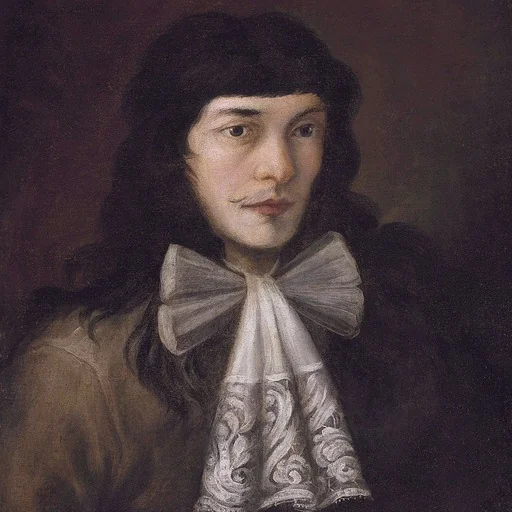
Alessandro Magnasco (February 4, 1667 – March 12, 1749), also known as il Lissandrino, was an Italian late-Baroque painter active mostly in Milan and Genoa.

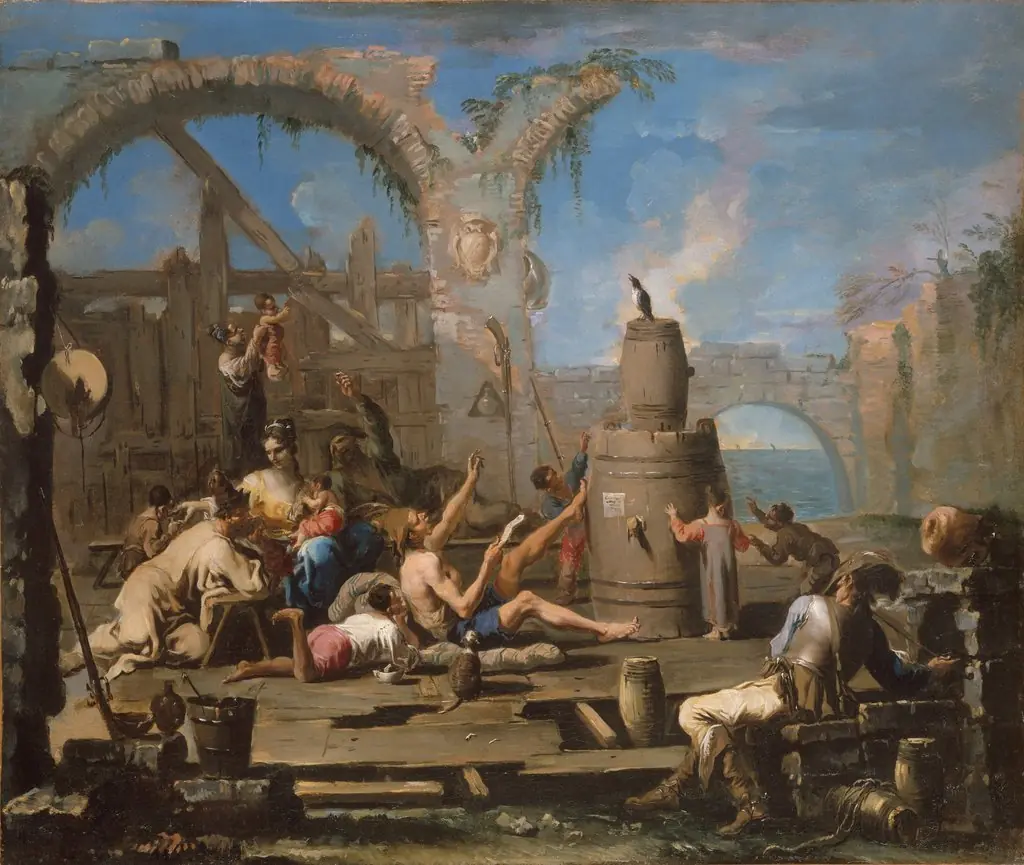
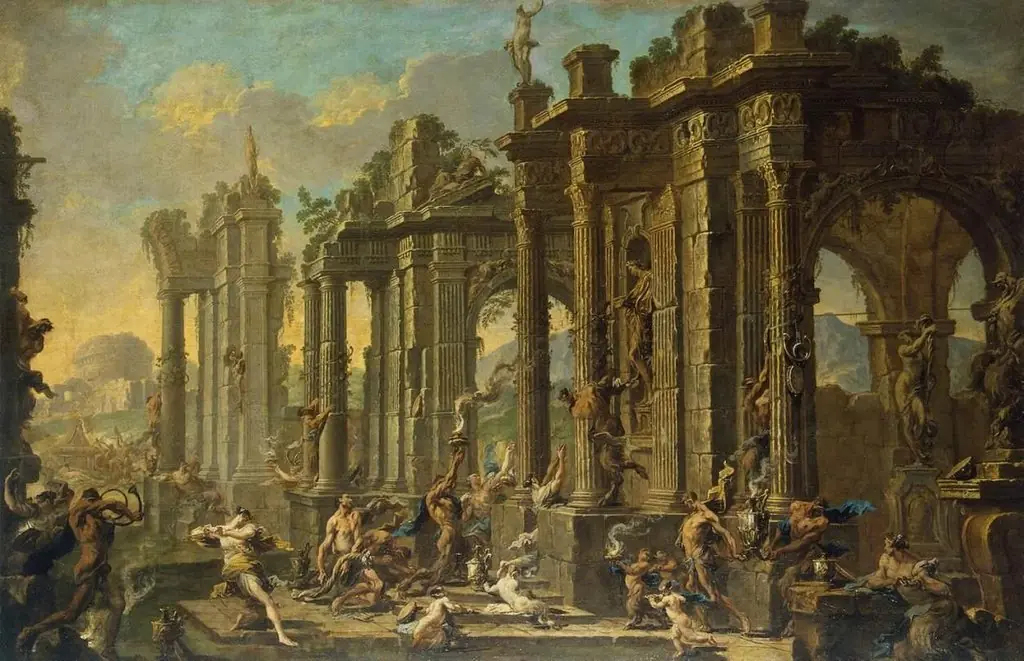
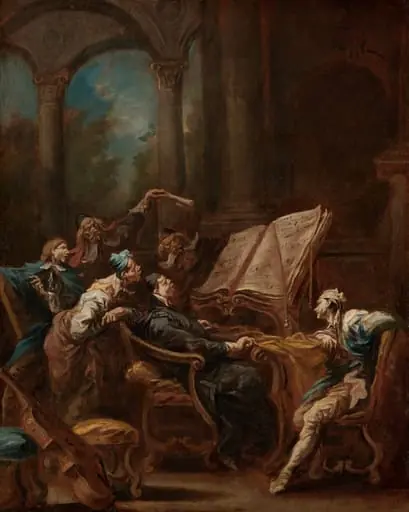
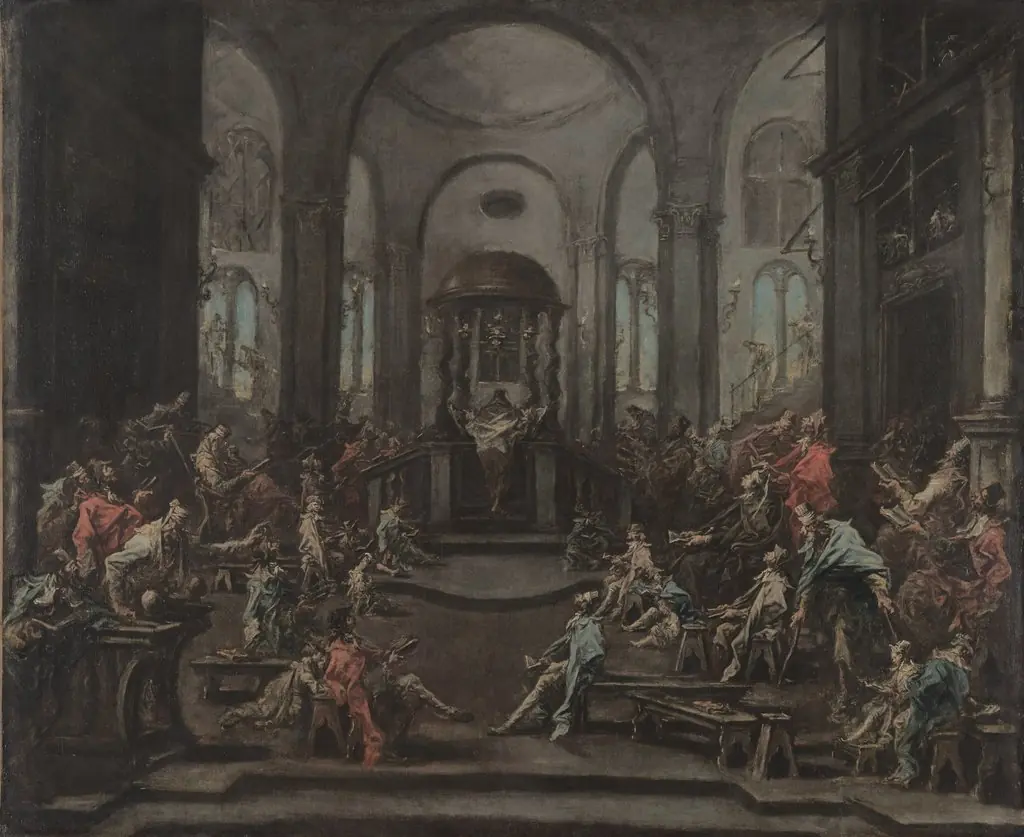
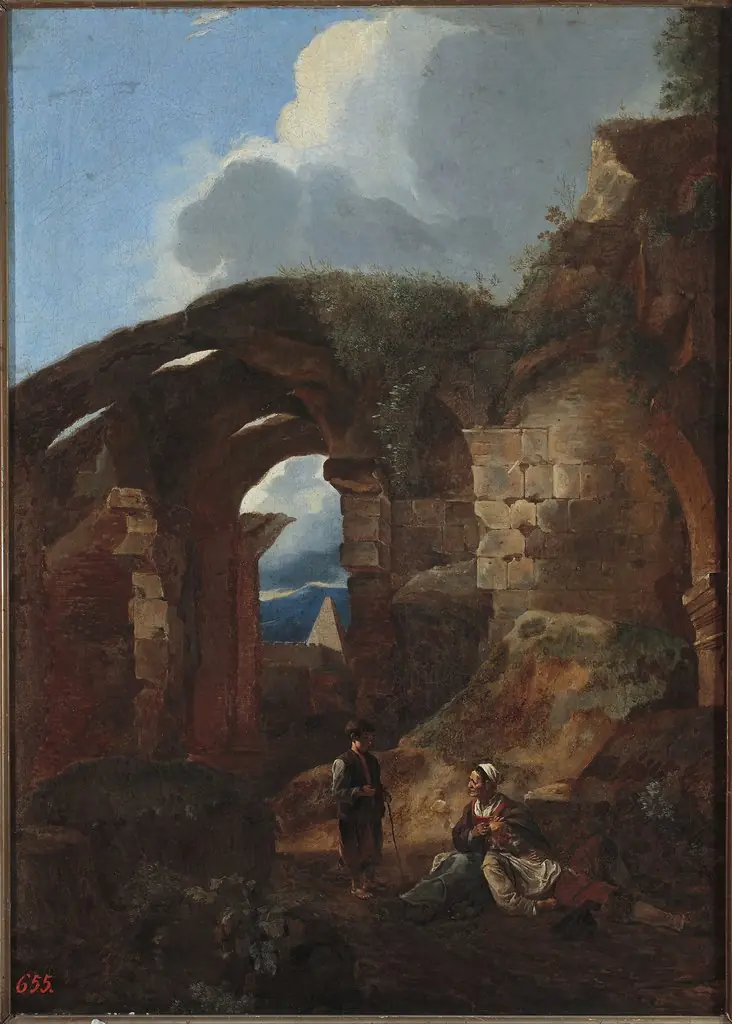 Vagabonds resting in the ruins of the Colosseum
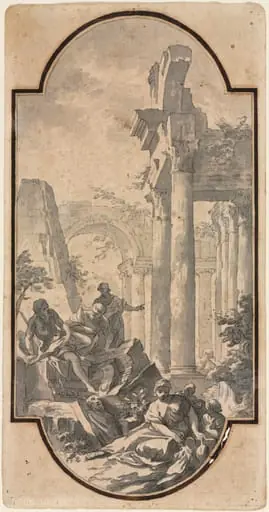 Figures Near the Ruins of a Corinthian Temple (recto)
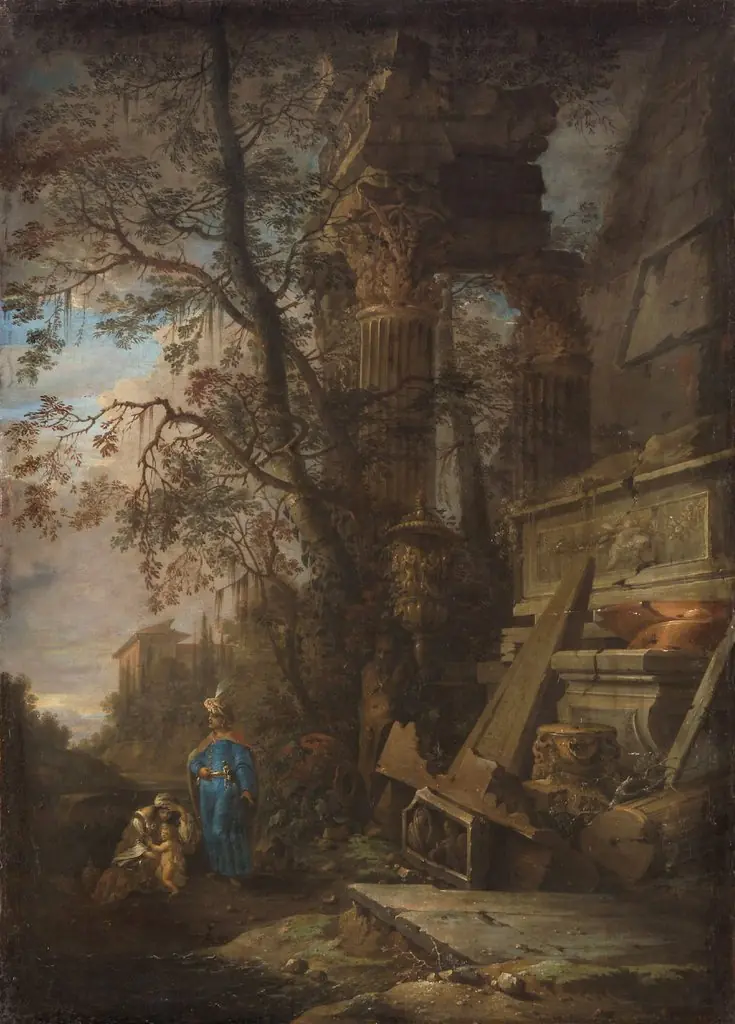 The Repudiation of Hagar
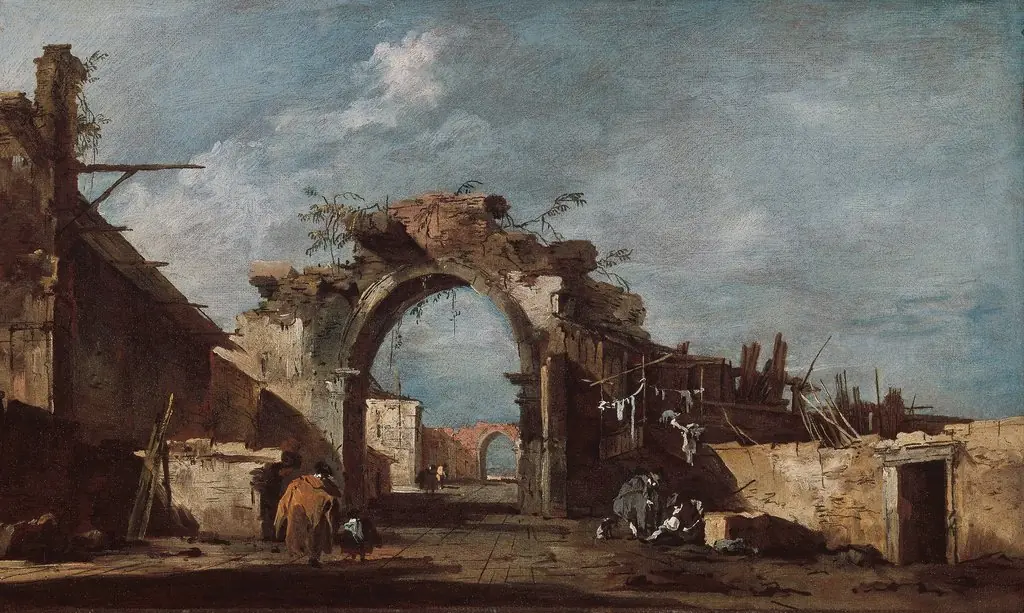 Ruined Archway
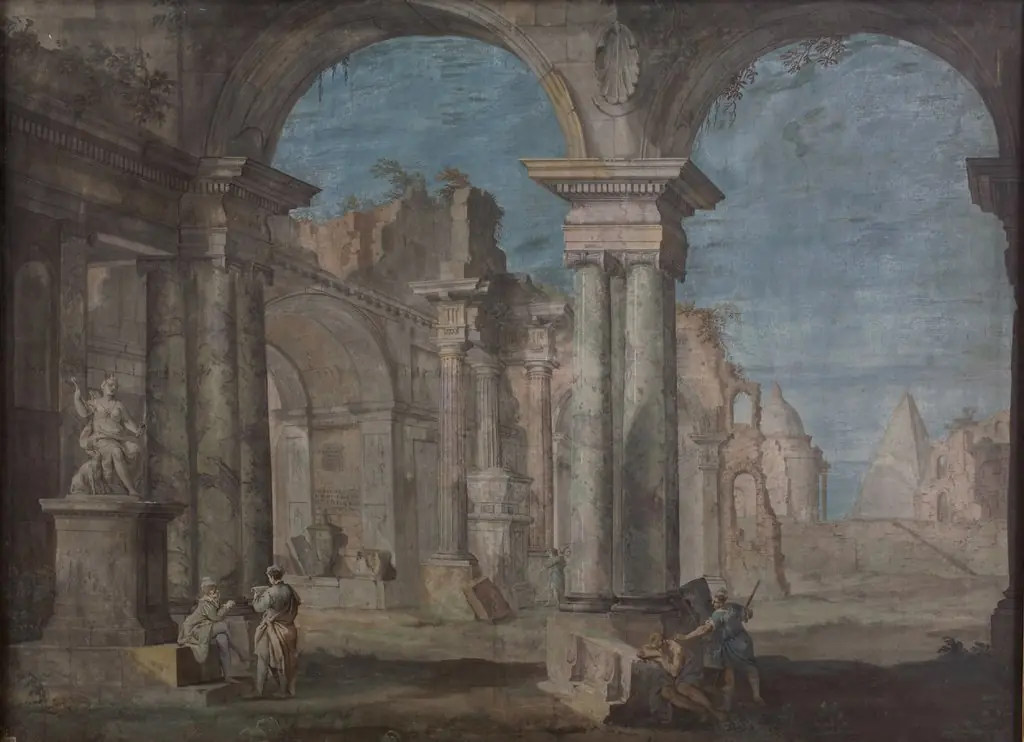 Architekturstück
 Ruined Archway
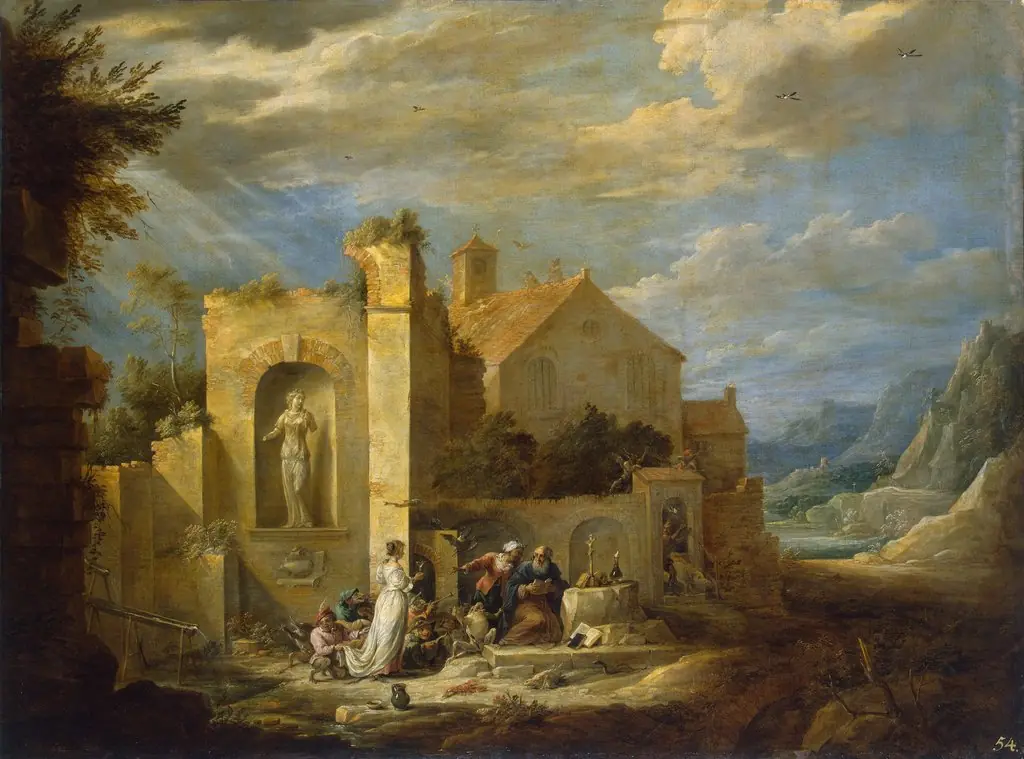 Temptation of St Antony
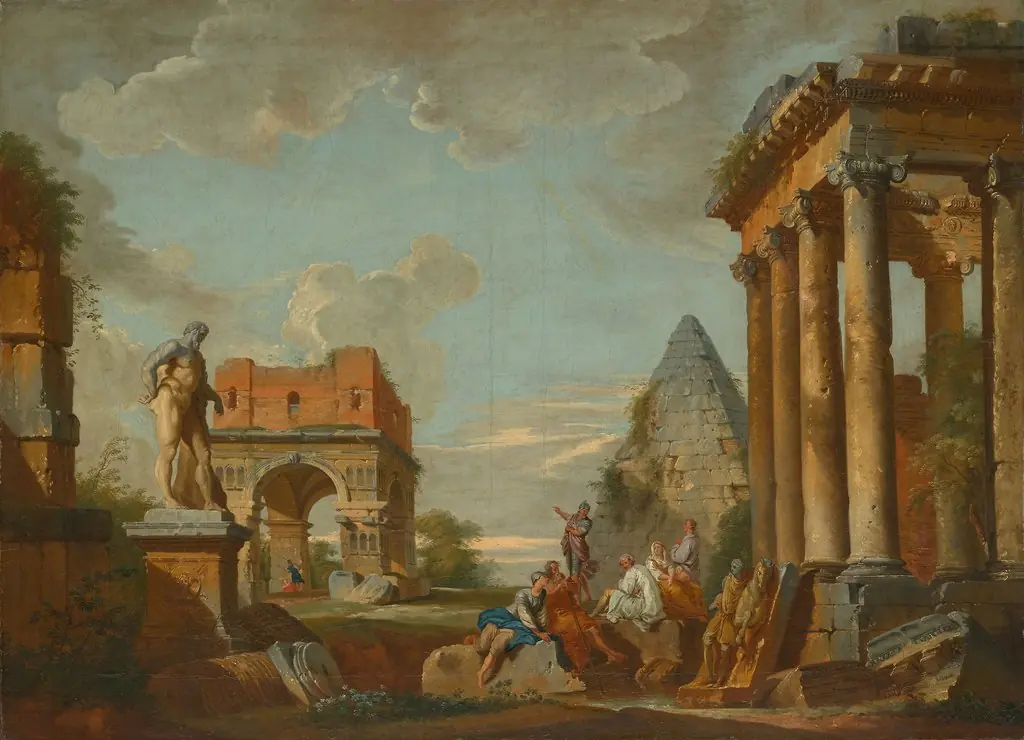 Classical Landscape
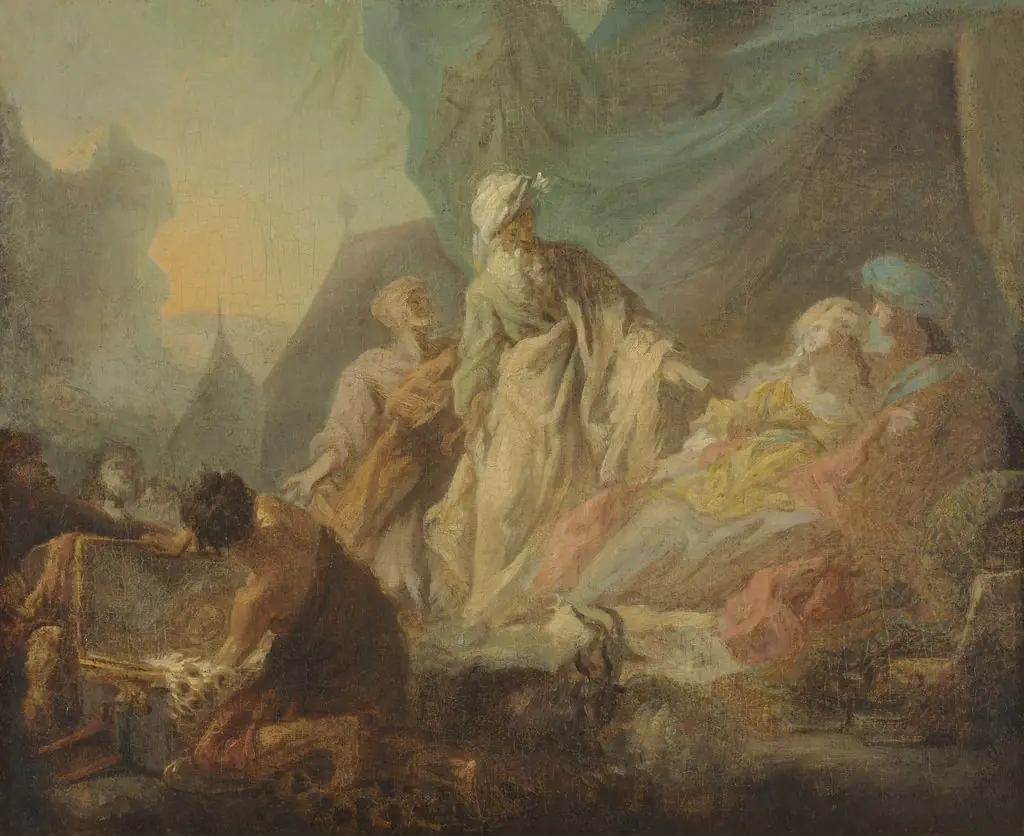 Laban Searching for His Stolen Gods
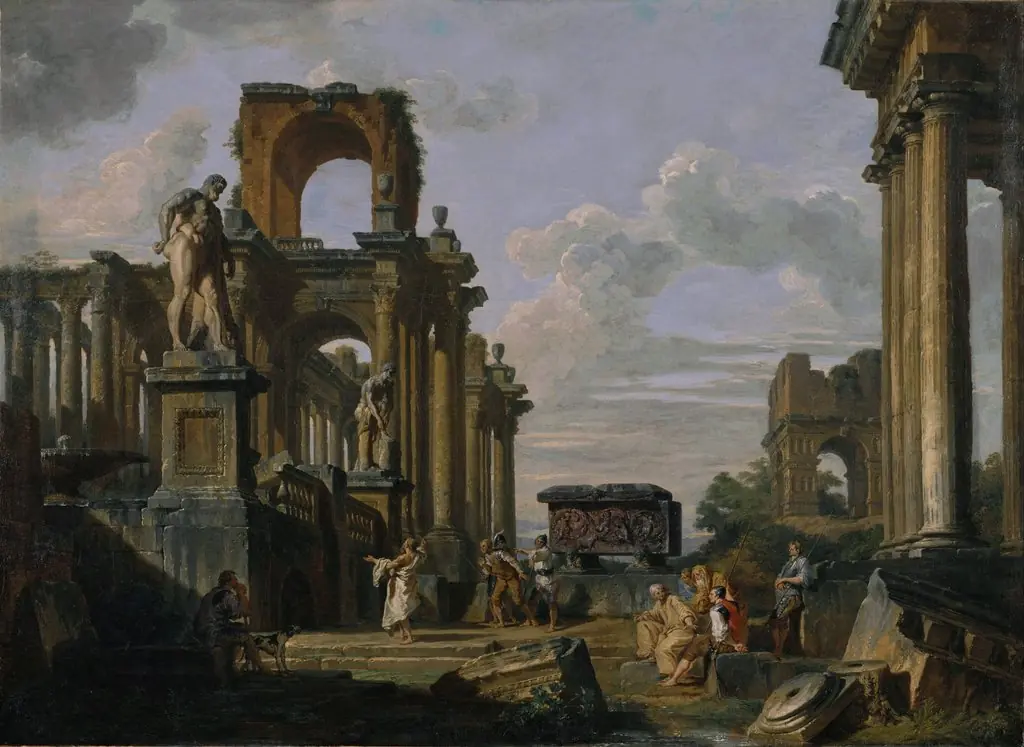 An Architectural Capriccio of the Roman Forum with Philosophers and Soldiers among Ancient Ruins, including the Arch of Janus Quadrifrons, the Sarcophagus of Santa Constanza, the Farnese Hercules and the Cincinnatus
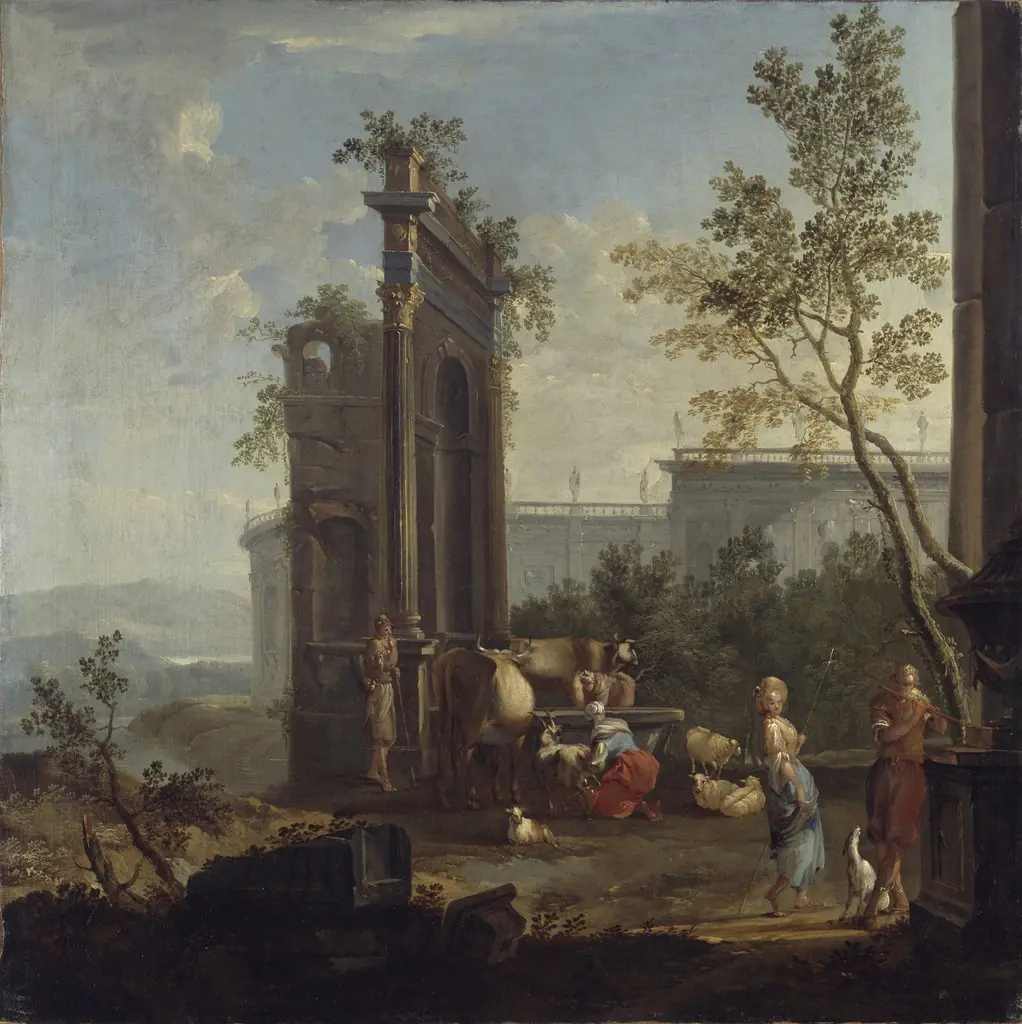 A Capriccio with Pastoral Figures and Animals
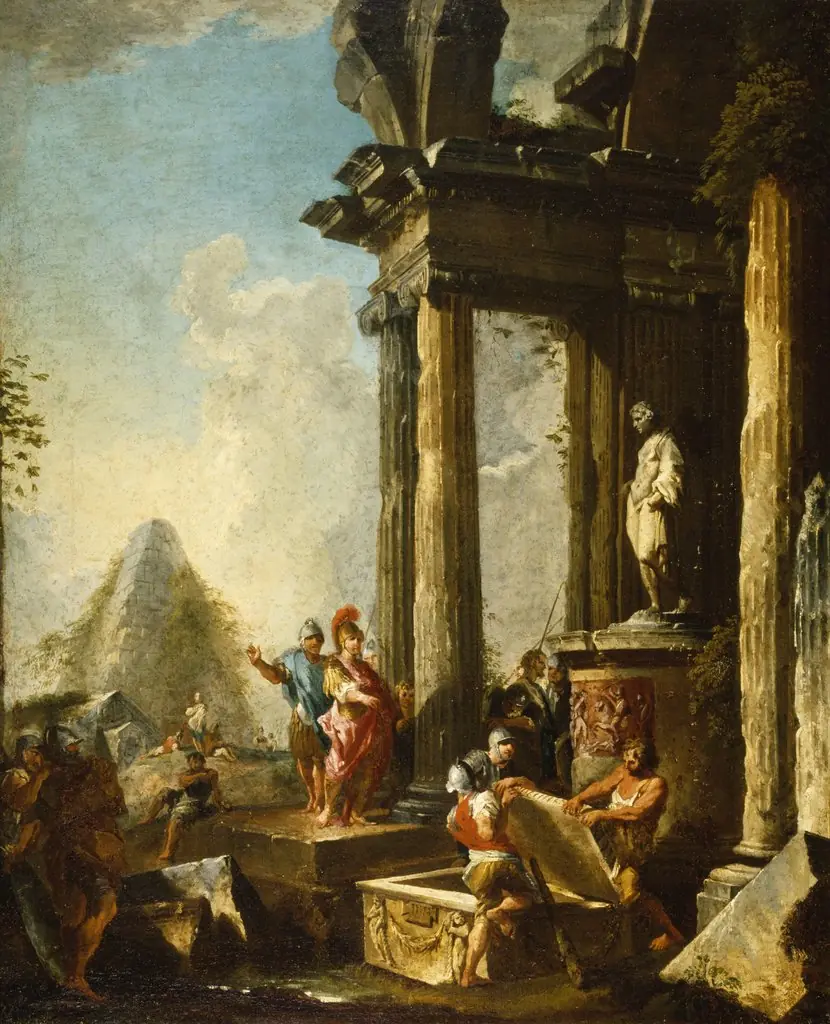 Alexander the Great at the Tomb of Achilles