Artwork
Theodosius Repulsed from the Church by Saint Ambrose
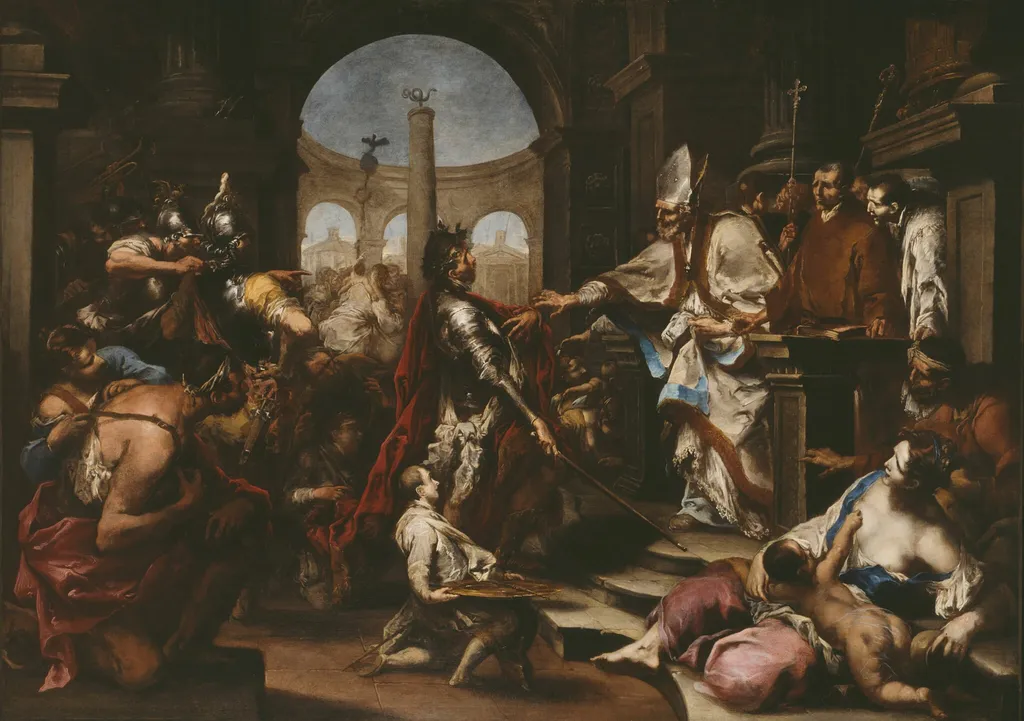
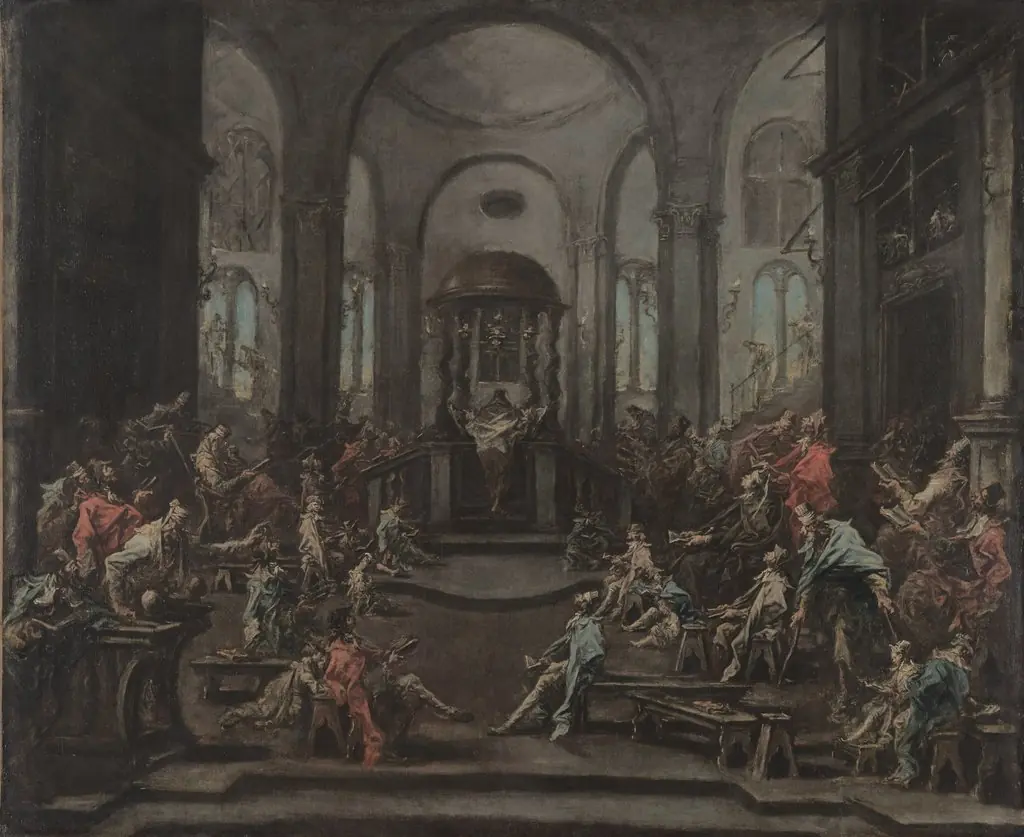
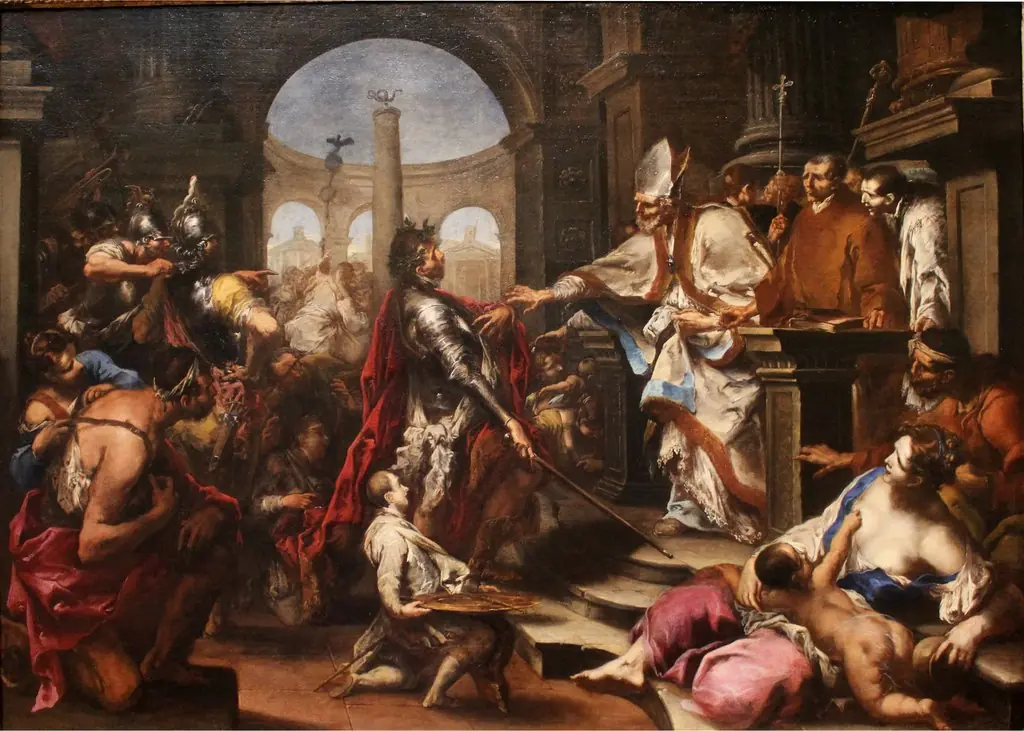
Theodosius Repulsed from the Church by Saint Ambrose is an oil painting by the Baroque artist Alessandro Magnasco. It dates from 1705 and is held in the collection of the Art Institute of Chicago.
About this work
Overview
Magnasco’s dynamic brushwork and dramatic lighting heighten the emotional weight of the confrontation.
An oil on canvas painting by Alessandro Magnasco captures the moment in 390 CE when Saint Ambrose, Archbishop of Milan, barred Emperor Theodosius I from receiving communion. The scene illustrates a rare instance of ecclesiastical authority challenging imperial power, reflecting the growing moral influence of the Church in late antiquity. Magnasco’s dynamic brushwork and dramatic lighting heighten the emotional weight of the confrontation.
Subject & Meaning
The painting portrays the refusal of sacramental rites to the Roman emperor following his order to massacre civilians in Thessalonica after a riot. Ambrose’s stance asserts that even the highest secular ruler must answer to divine law. Theodosius’s posture—hesitant, diminished—signals submission to spiritual authority, underscoring a pivotal moment in the relationship between Church and state in the late Roman world.
Technique & Style
Magnasco employs loose, expressive brushstrokes to convey movement and psychological tension, characteristic of his late Baroque style. Figures are rendered with gestural energy, while the architectural setting, though meticulously detailed, appears stylistically distinct, suggesting collaboration with a specialist in architectural painting. Chiaroscuro intensifies the moral contrast between the figures, isolating Ambrose in light and casting Theodosius in shadow.
History & Provenance
The work was likely created in the early 18th century, during Magnasco’s mature period in Lombardy. Its subject matter resonated with contemporary debates over church autonomy and secular power. While its early ownership is undocumented, it entered public collections in the 19th century, where its historical and stylistic significance attracted scholarly attention.
Context
In 390 CE, Theodosius’s brutal suppression of a civic uprising in Thessalonica triggered widespread condemnation. Ambrose’s public penance demand was unprecedented, establishing a precedent for moral accountability of rulers. Magnasco’s depiction draws from this enduring narrative, reflecting 18th-century interest in historical episodes where religious authority curbed political excess.
Legacy
The painting endures as a visual testament to the evolving power dynamics between ecclesiastical and imperial institutions. Magnasco’s interpretation, though not historically precise in its architecture, captures the symbolic gravity of the moment. It remains a key example of how Baroque artists reimagined late antique events to engage with contemporary moral and political questions.
Own this work as a print
Artist & collection
Artist
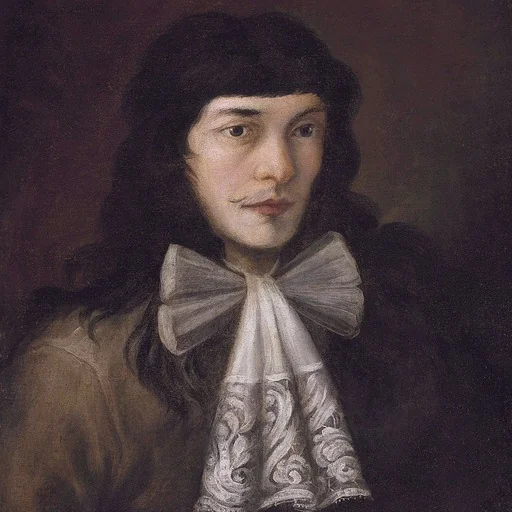
Alessandro Magnasco (February 4, 1667 – March 12, 1749), also known as il Lissandrino, was an Italian late-Baroque painter active mostly in Milan and Genoa.

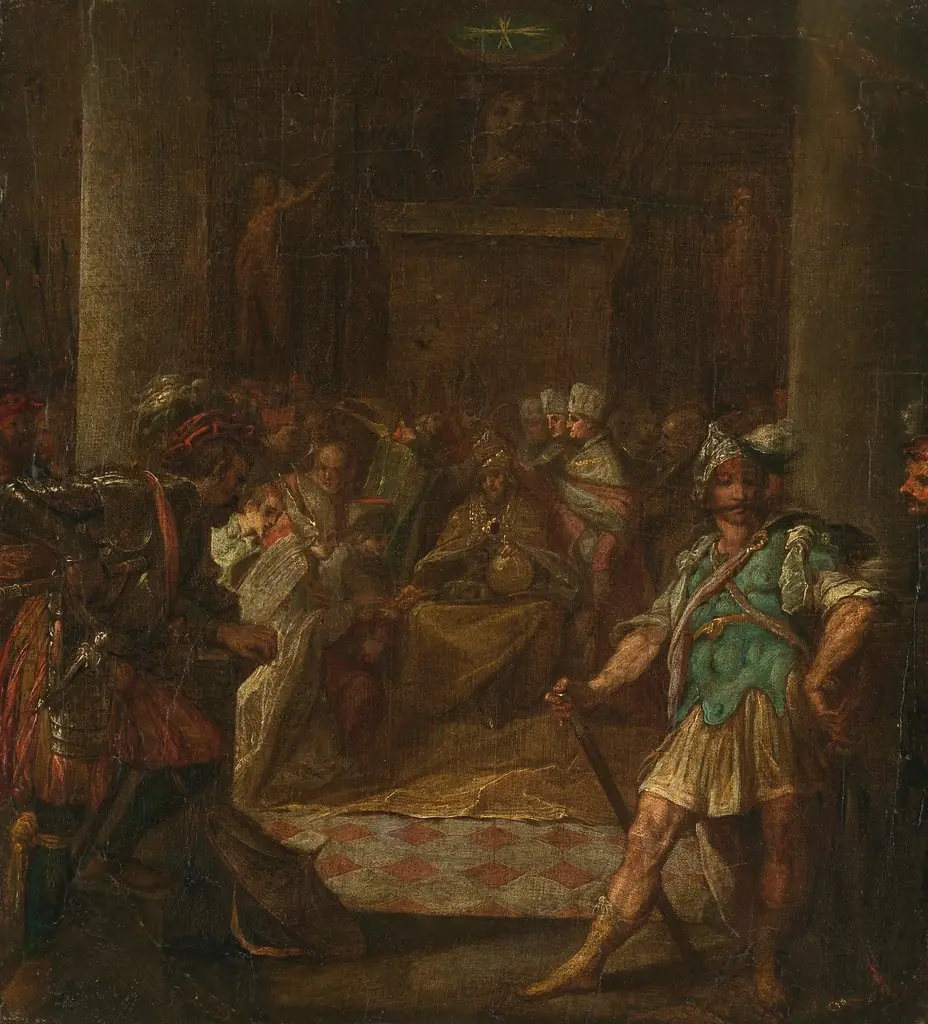 Imperial Coronation
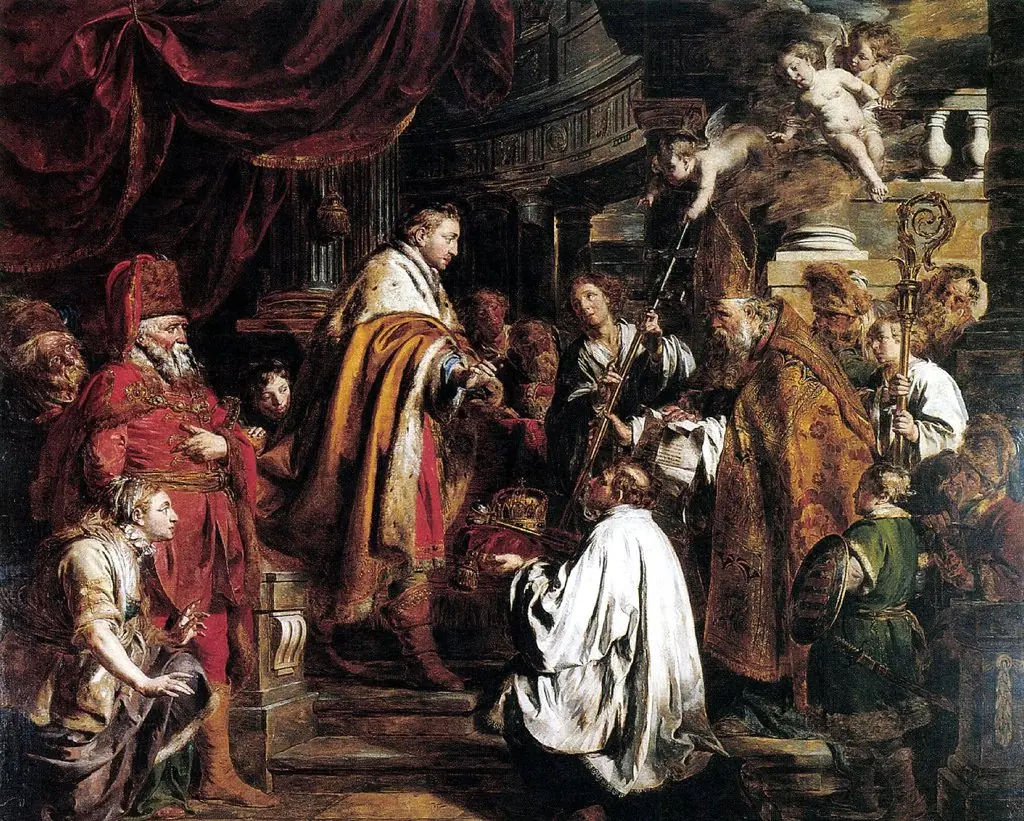 Saint Stephen, king of Hungary Receiving the Legate
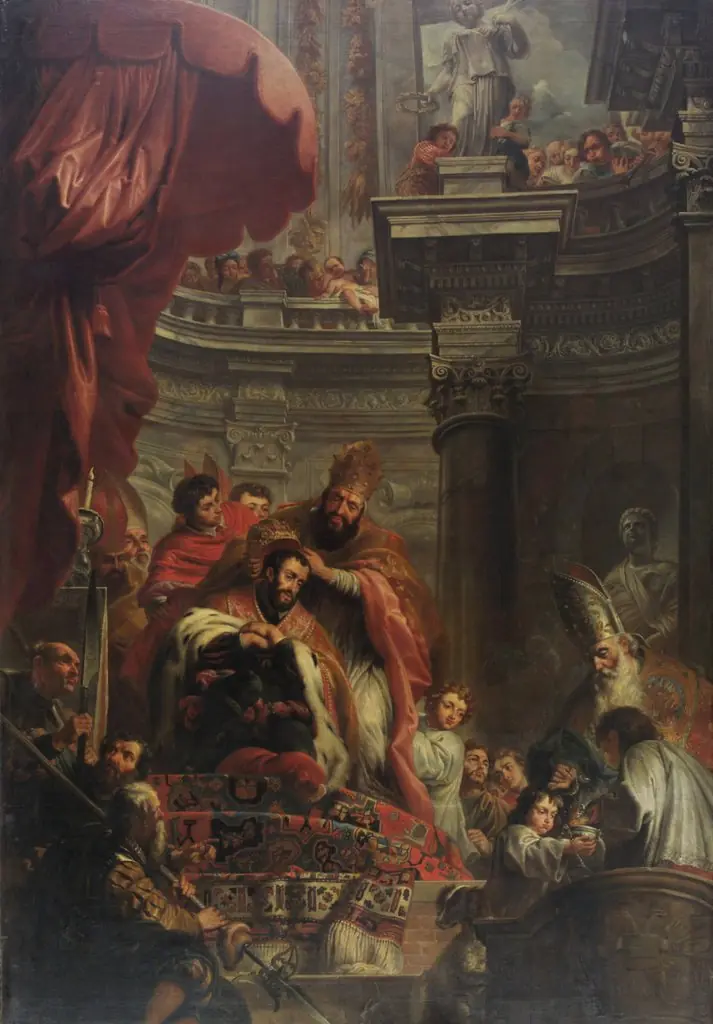 Crowning of Charles V in Bologna
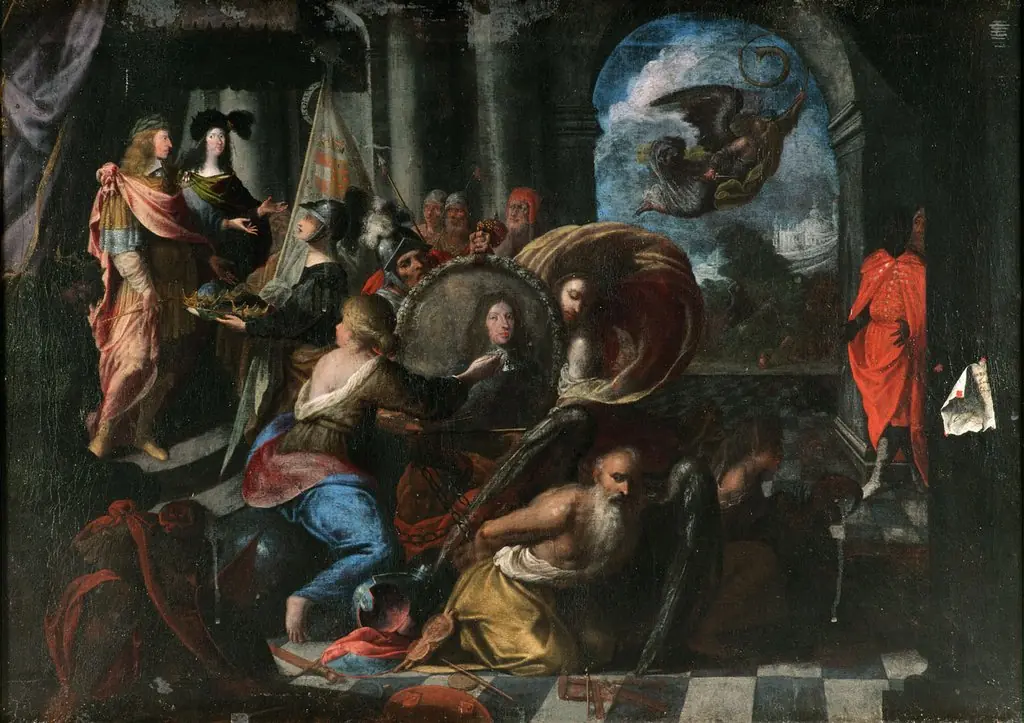 Allegory of the wedding of Archduke Ferdinand Karl and Anna de' Medici
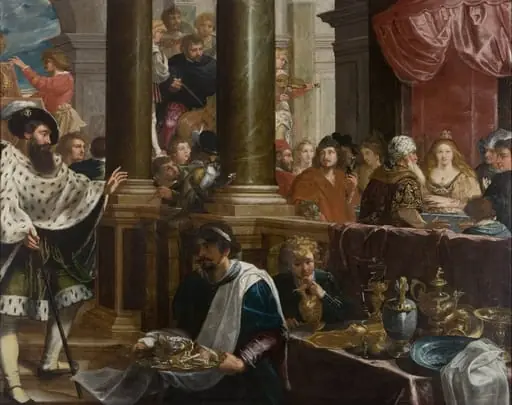 A Feast
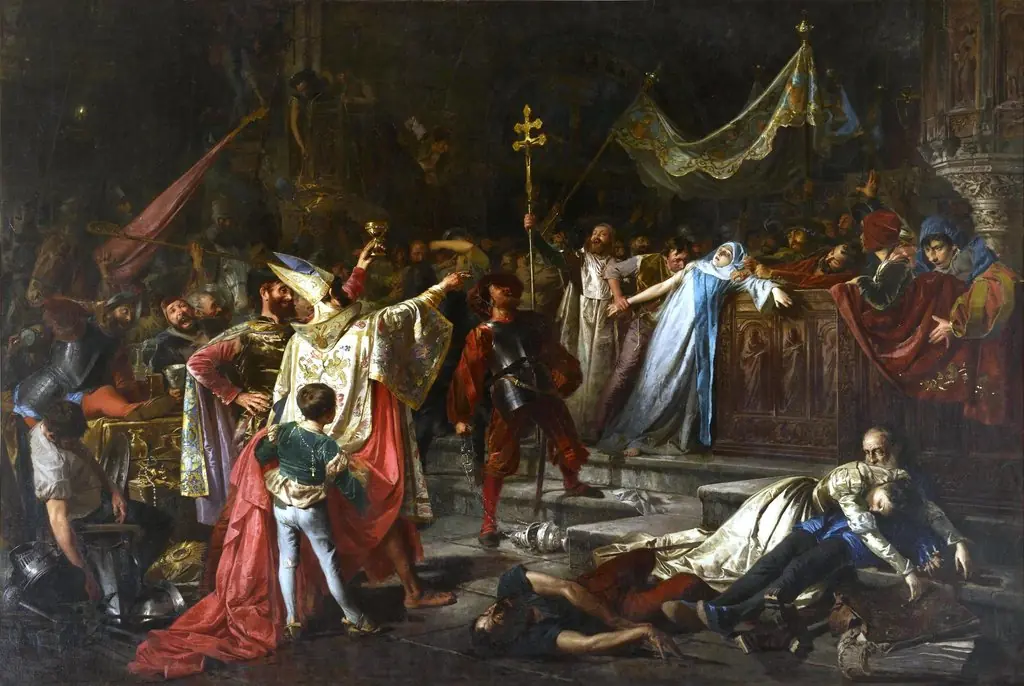 The Sack of Rome
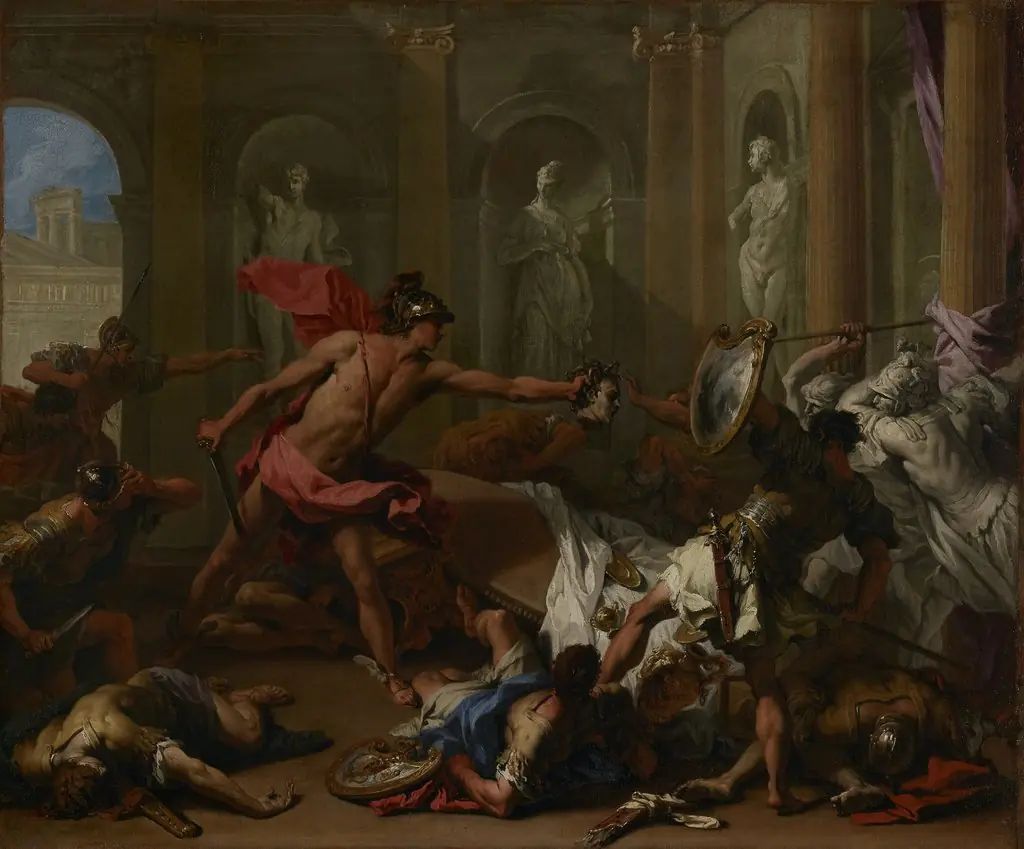 Perseus Confronting Phineus with the Head of Medusa
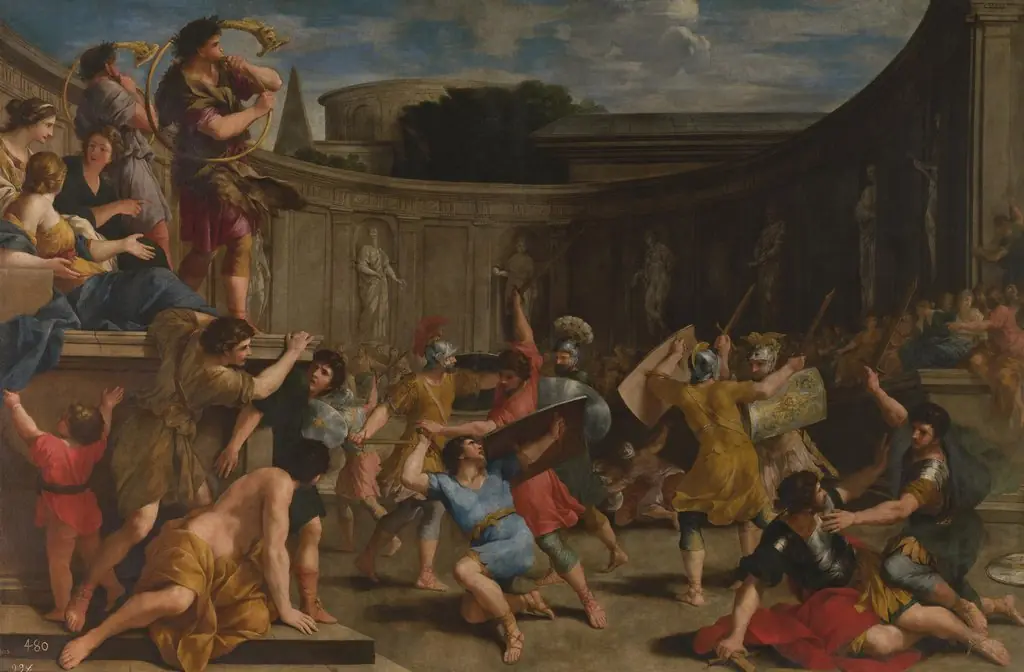 Roman Gladiators with Wooden Swords
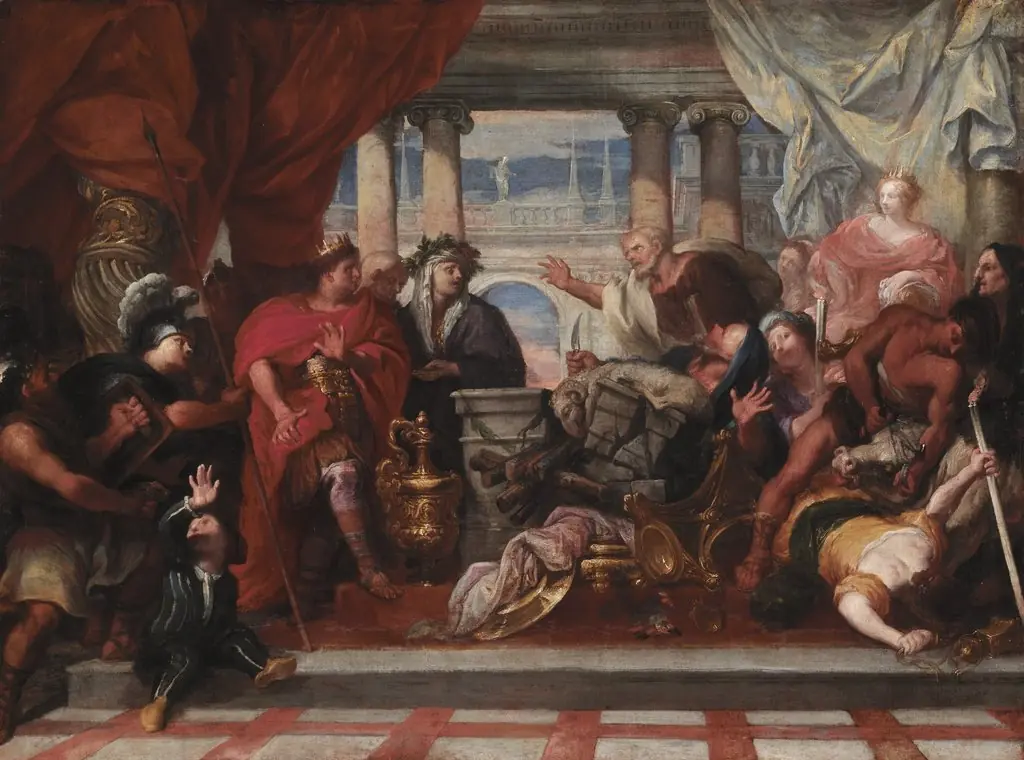 Scene of Sacrifice
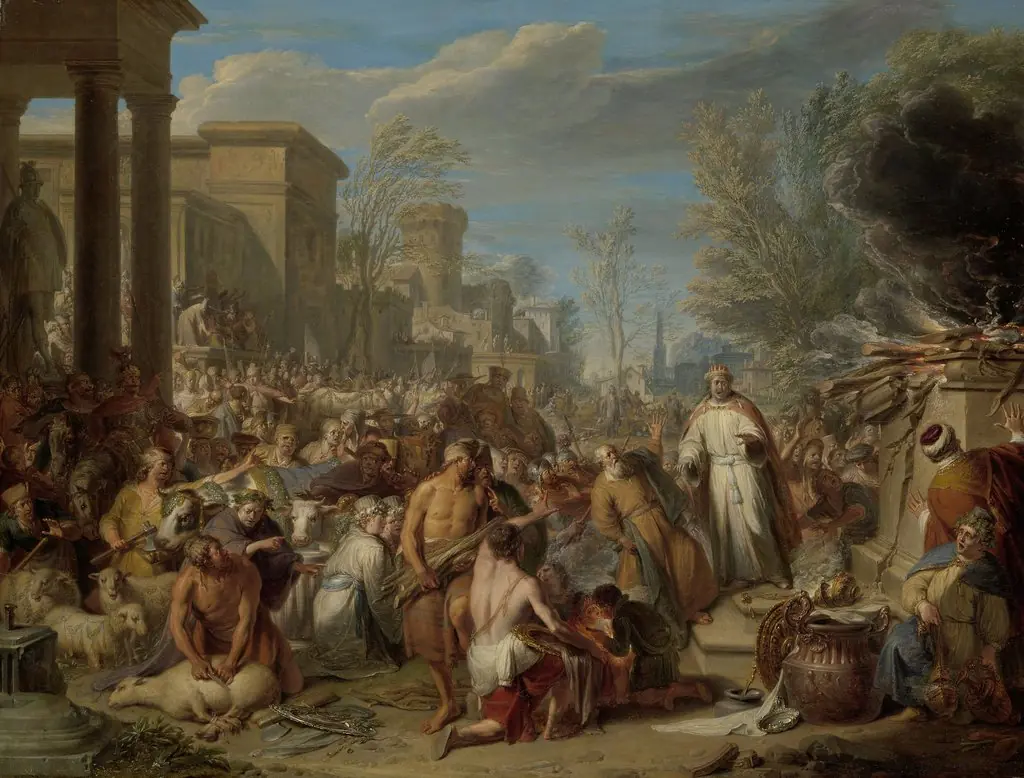 Jeroboam Sacrificing to the Idols
 Ecce Homo
 Theodosius Repulsed from the Church by Saint Ambrose