Artwork
Jeroboam Sacrificing to the Idols
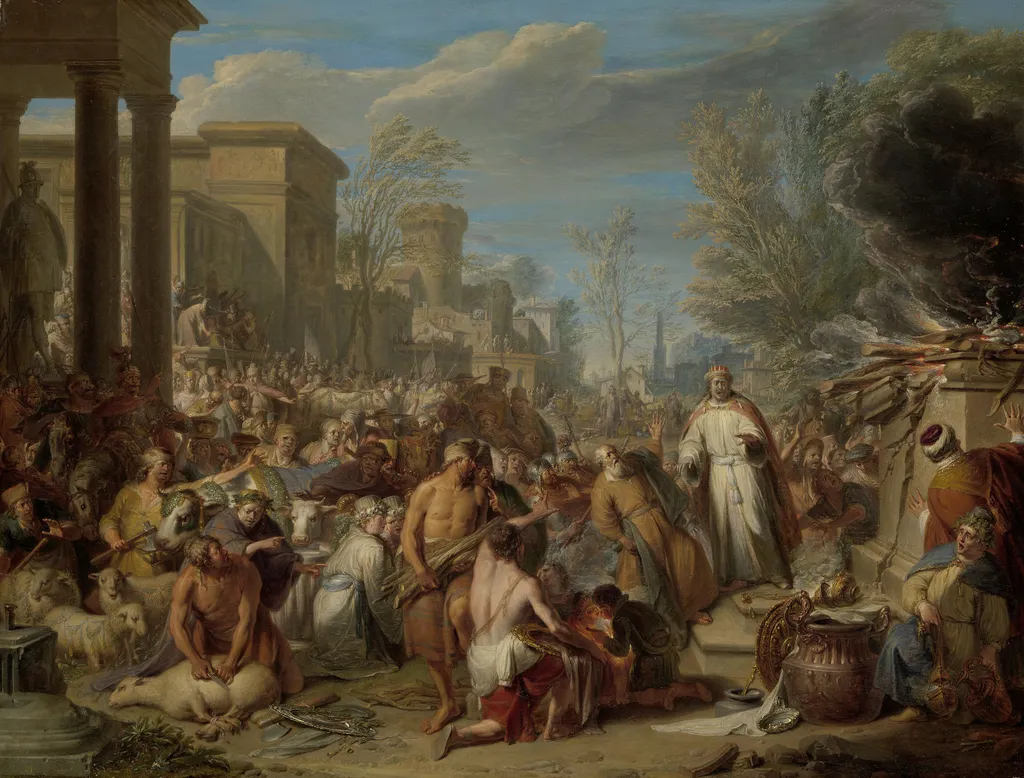
Jeroboam Sacrificing to the Idols is an oil painting by the Rococo painting artist Jacques Ignatius de Roore. It dates from 1747 and is held in the collection of the Rijksmuseum.
About this work
Overview
Jeroboam Sacrificing to the Idols is a 1747 oil painting by Flemish artist Jacques Ignatius de Roore, executed in the Rococo style. It is now part of the Rijksmuseum's collection.
Subject & Meaning
The painting illustrates a biblical scene of religious significance, depicting King Jeroboam's idolatrous act. The chaotic foreground contrasts with the serene background, highlighting the turmoil of the event.
Technique & Style
De Roore employed chiaroscuro techniques to create depth and contrast in the composition. The Rococo style is evident in the vivid colors and dynamic movement of the crowd.
History & Provenance
Completed in 1747, the year of de Roore's death, the painting's early history is not detailed here. It is currently held in the Rijksmuseum's collection.
Context
As a Flemish painter active in the Southern Netherlands and Dutch Republic, de Roore's work reflects the artistic influences of his time, blending religious themes with Rococo aesthetics.
Legacy
While specific influence or notable exhibitions are not highlighted, the painting remains a representative example of 18th-century Rococo religious art in the Rijksmuseum's holdings.
Own this work as a print
Artist & collection

Artist
Jacques Ignatius de Roore or Jacobus Ignatius de Roore (Antwerp, 20 July 1686 – The Hague, 17 July 1747) was a Flemish painter, copyist, art dealer and art collector who worked in the Southern Netherlands and the Dutch Republic.

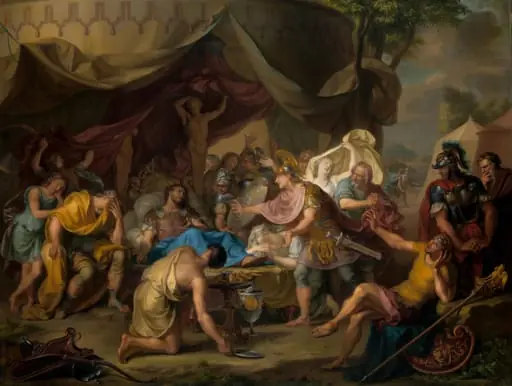 Het sterfbed van Epaminondas
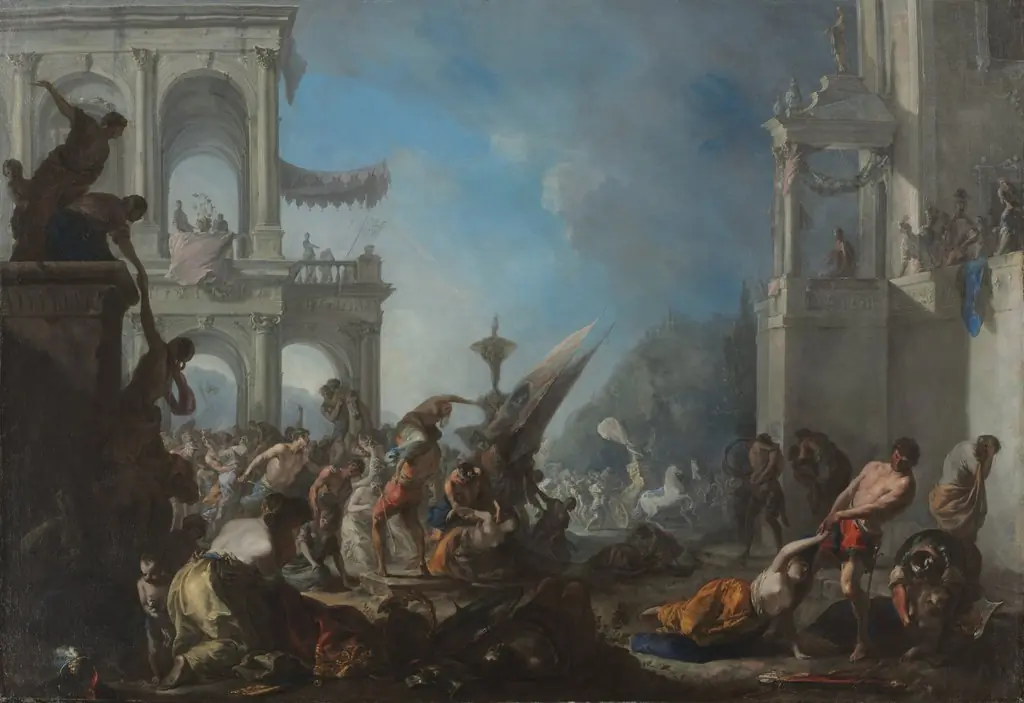 Abduction of the Sabine Women
 Abduction of the Sabine Women
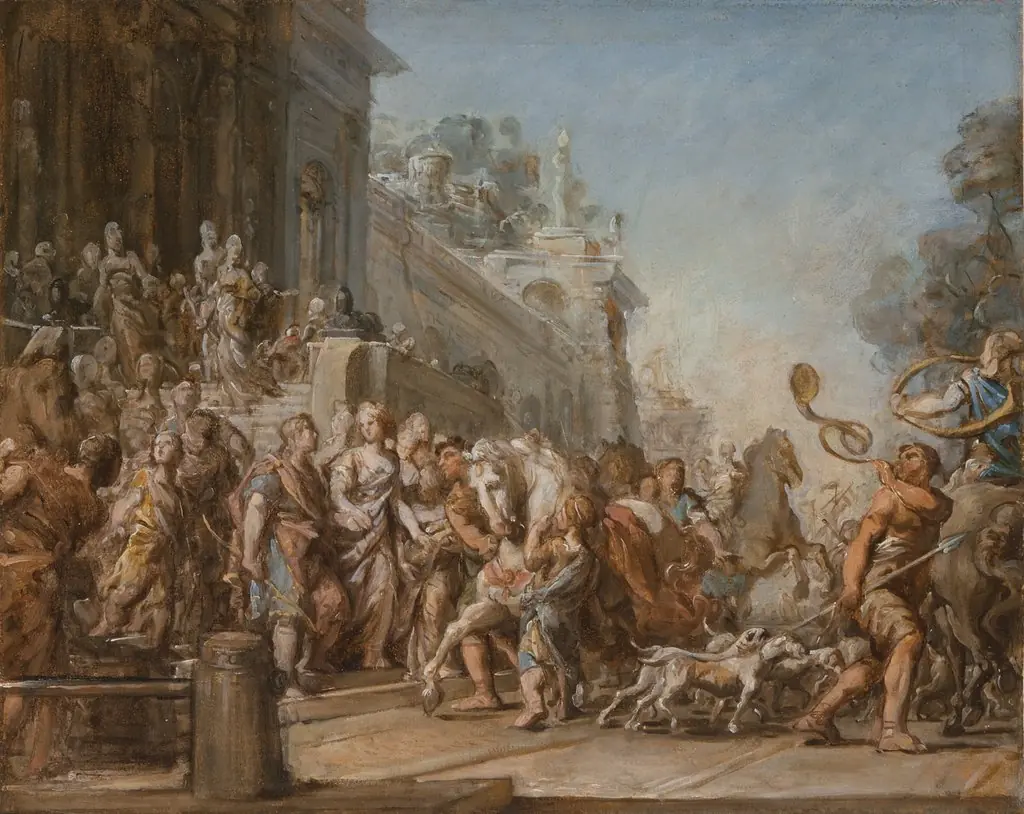 The Departure of Dido and Aeneas for the Hunt
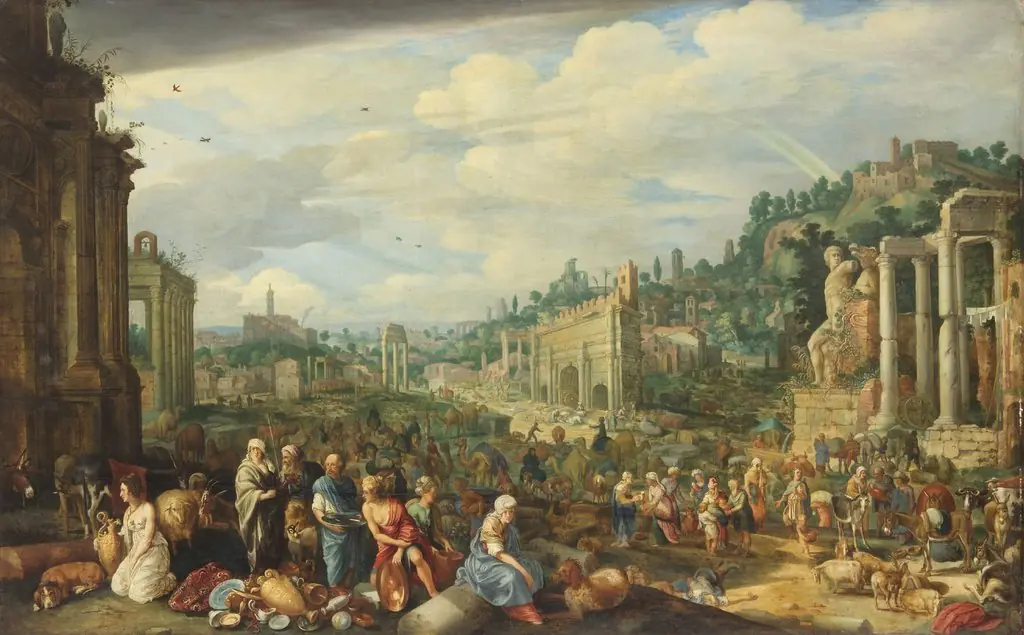 Ansicht des Campo Vaccino in Rom (Aufbruch der Israeliten aus Ägypten)
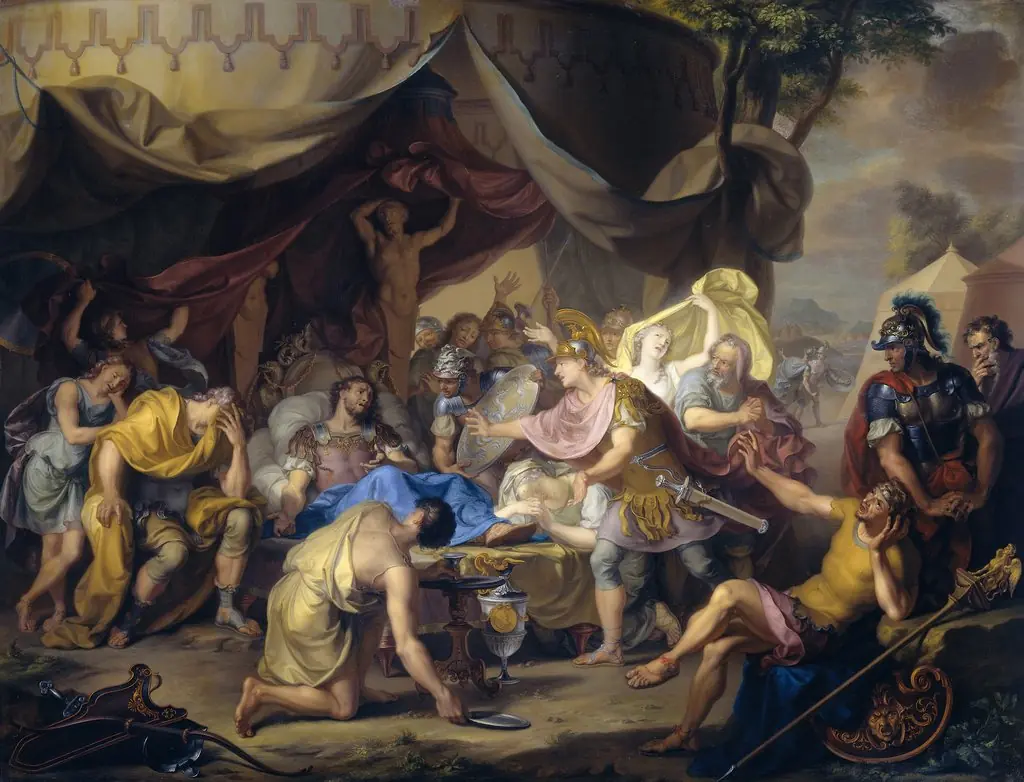 The Death of Epaminondas
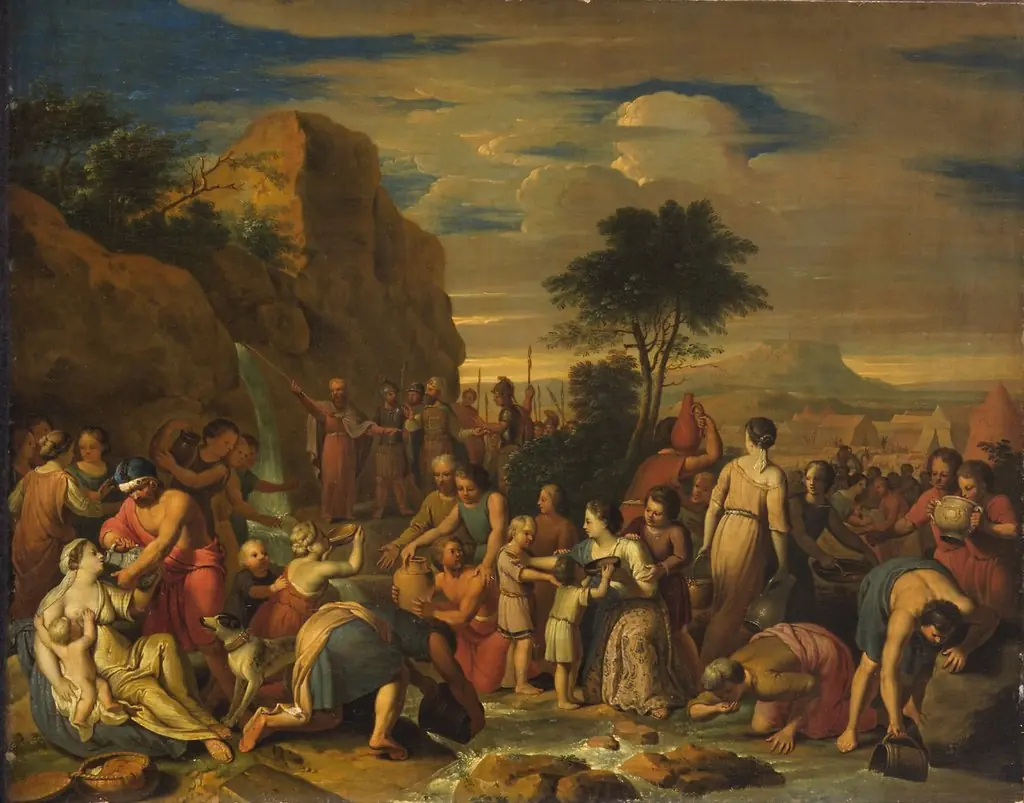 Moses schlägt Wasser aus dem Felsen
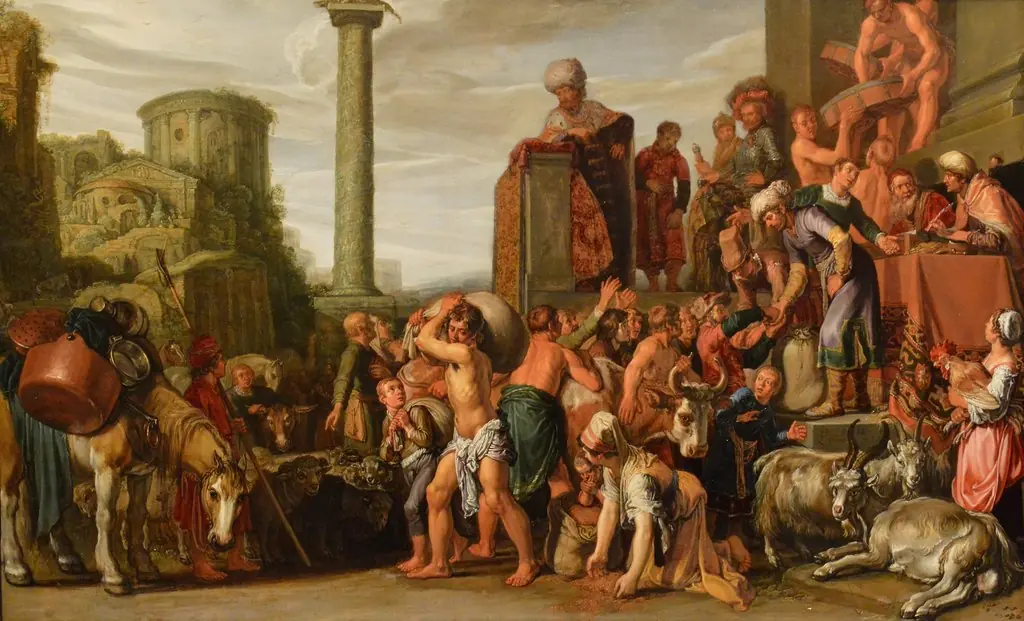 Joseph Selling Corn in Egypt
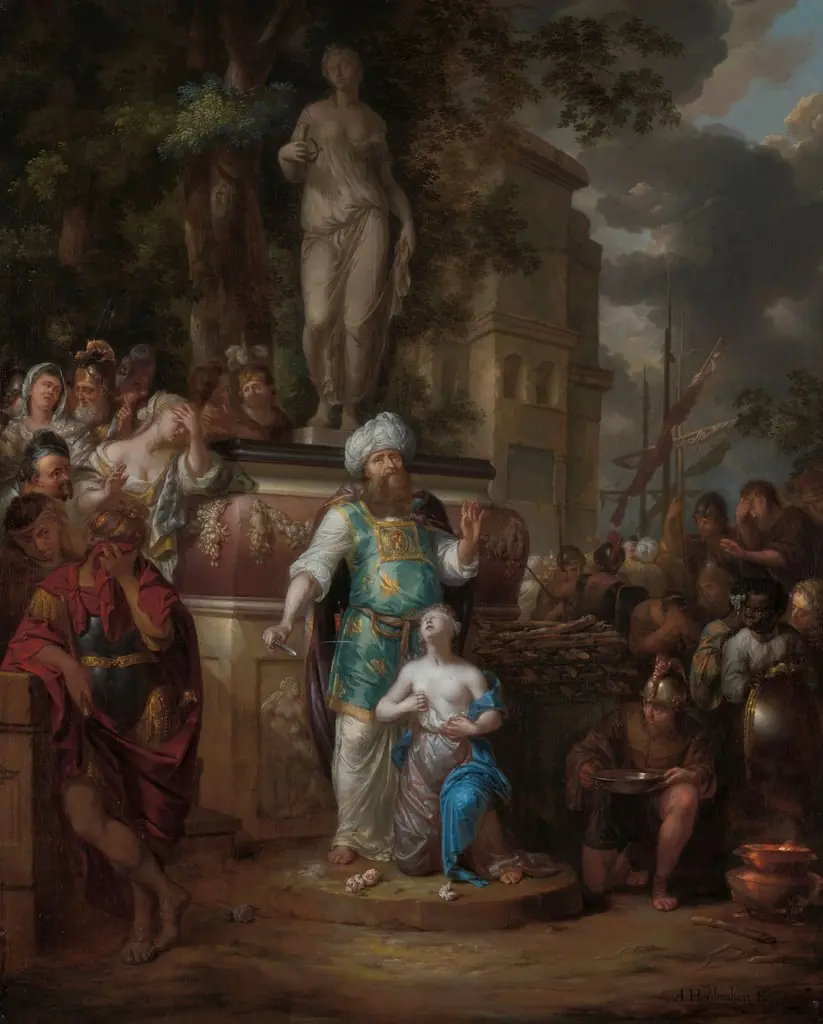 Sacrifice of Iphigenia
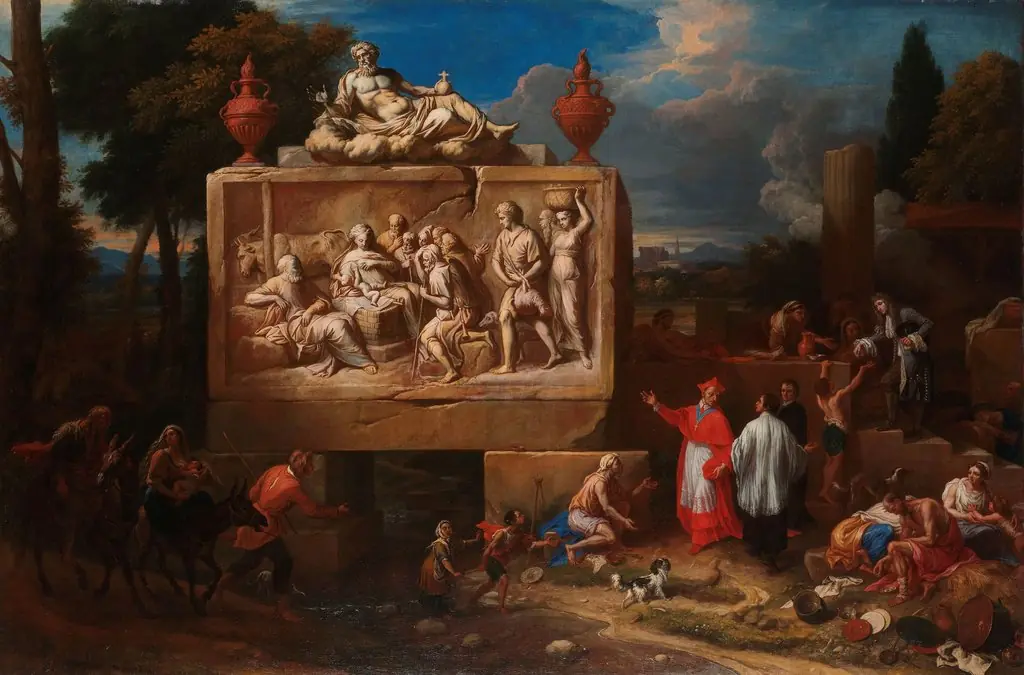 Fantasy landscape with Saint Carlo Borromeo
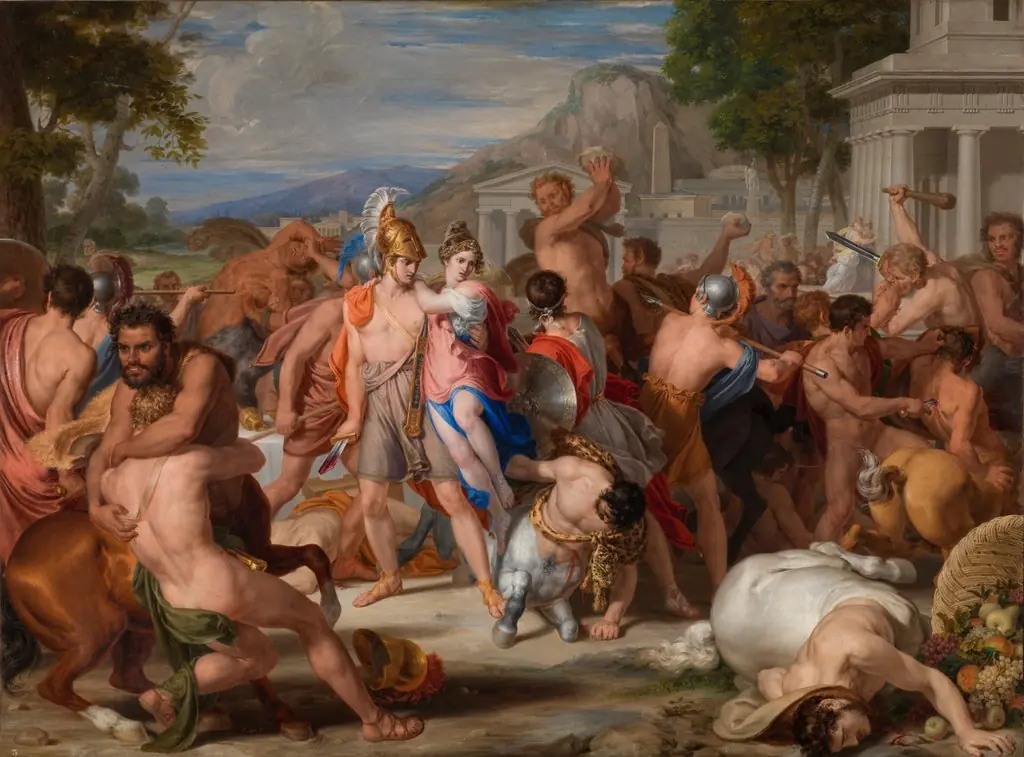 Batalla de lapitas y centauros.