Artwork
The Letter (La Lettre)
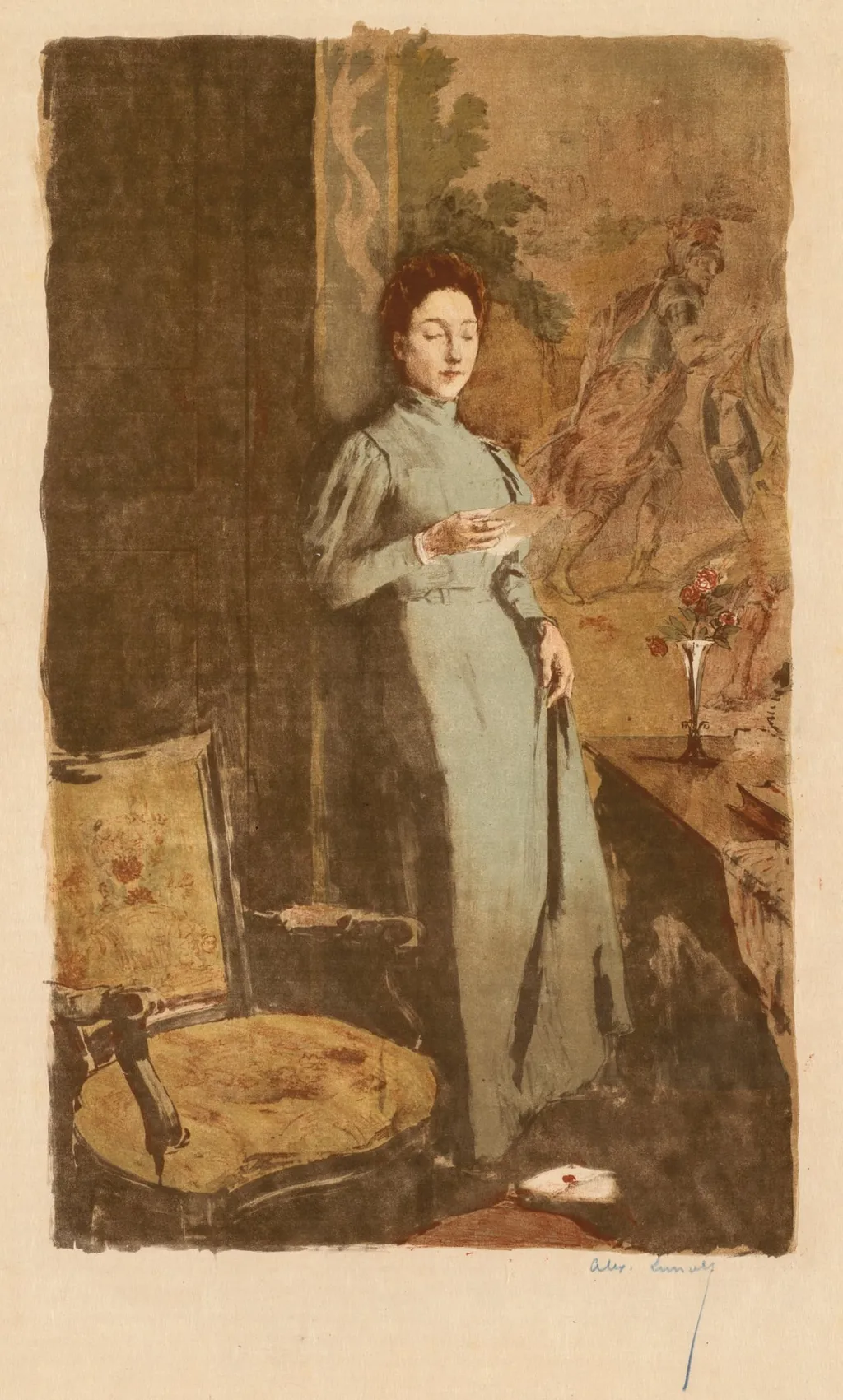
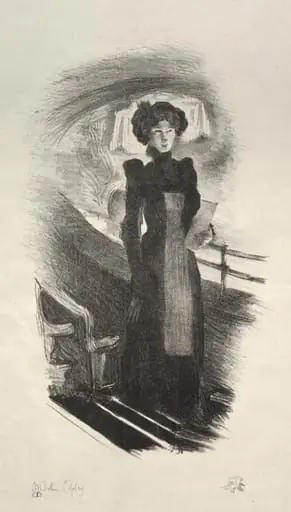
The Letter (La Lettre) is a print by the Impressionist artist Alexandre Lunois. It dates from 1894 and is held in the collection of the Cleveland Museum of Art.
About this work
Overview
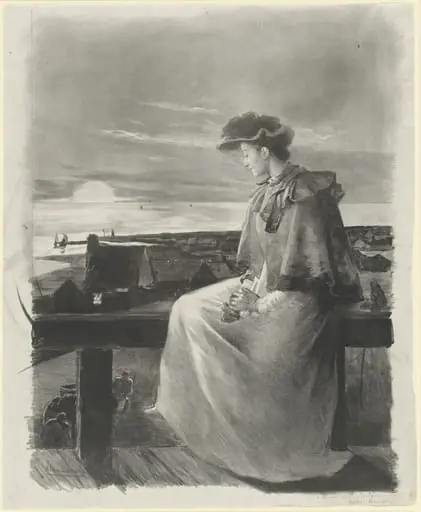
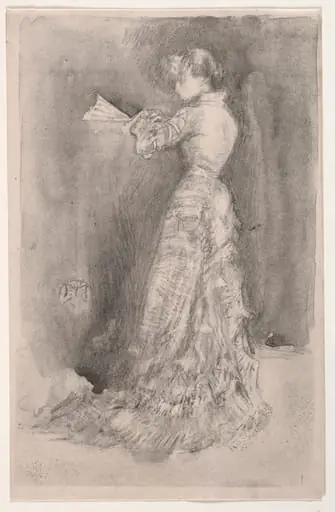
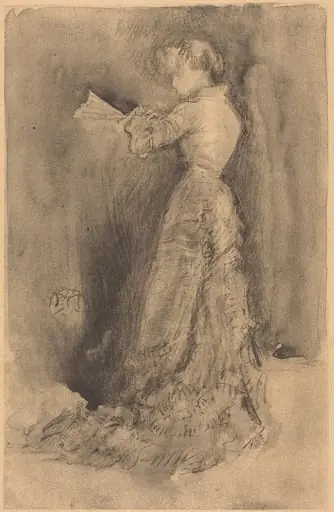
The Letter (La Lettre), created in 1894 by Alexandre Lunois, is a print that captures a quiet domestic moment. It is part of the collection at The Cleveland Museum of Art. The work reflects the visual language of late 19th-century French art, emphasizing atmosphere over precise detail. Its composition centers on a solitary figure engaged in a private act, framed by interior and exterior spaces.
Subject & Meaning
The letter, unaddressed and unnamed, invites interpretation without narrative closure, emphasizing introspection over storytelling.
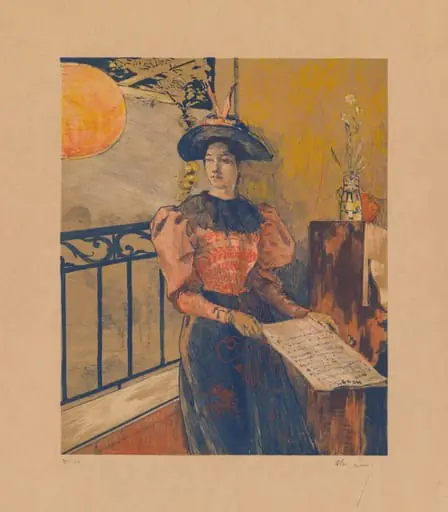
A woman in a light green dress stands near a window, holding a folded letter. Her posture suggests contemplation, as if absorbed in the contents of the message. The dim interior and the visible garden outside create a contrast between inner thought and the external world. The letter, unaddressed and unnamed, invites interpretation without narrative closure, emphasizing introspection over storytelling.
Technique & Style
The print employs loose, fluid lines and a focus on tonal variation rather than fine detail. Light filters through the window, casting soft shadows and defining form through gradation rather than outline. This approach aligns with Impressionist concerns, prioritizing the effect of natural light and fleeting moments. The brushwork appears spontaneous, enhancing the sense of immediacy and quiet intimacy.
History & Provenance
Created in 1894, the work entered the collection of The Cleveland Museum of Art at an unspecified date. Little is documented about its early ownership or exhibition history. As a print, it likely existed in multiple impressions, though the museum holds one known variant. Its preservation reflects a broader interest in French graphic art from the fin de siècle period.
Context
Lunois worked during a time when French artists increasingly turned to intimate, everyday scenes over grand historical or mythological themes. The emphasis on light, domestic solitude, and informal composition aligns with broader trends in late 19th-century printmaking. Artists across Europe were exploring the emotional potential of ordinary moments, often using print media for its accessibility and tonal subtlety.
Legacy
The Letter remains a modest but representative example of French graphic art from the 1890s. While not widely reproduced or studied, it contributes to understanding how printmakers engaged with Impressionist ideals outside painting. Its quiet composition continues to resonate in collections focused on domestic themes and the aesthetics of everyday life in the modern era.
Artist & collection