Artwork
Queen Marie-Antoinette
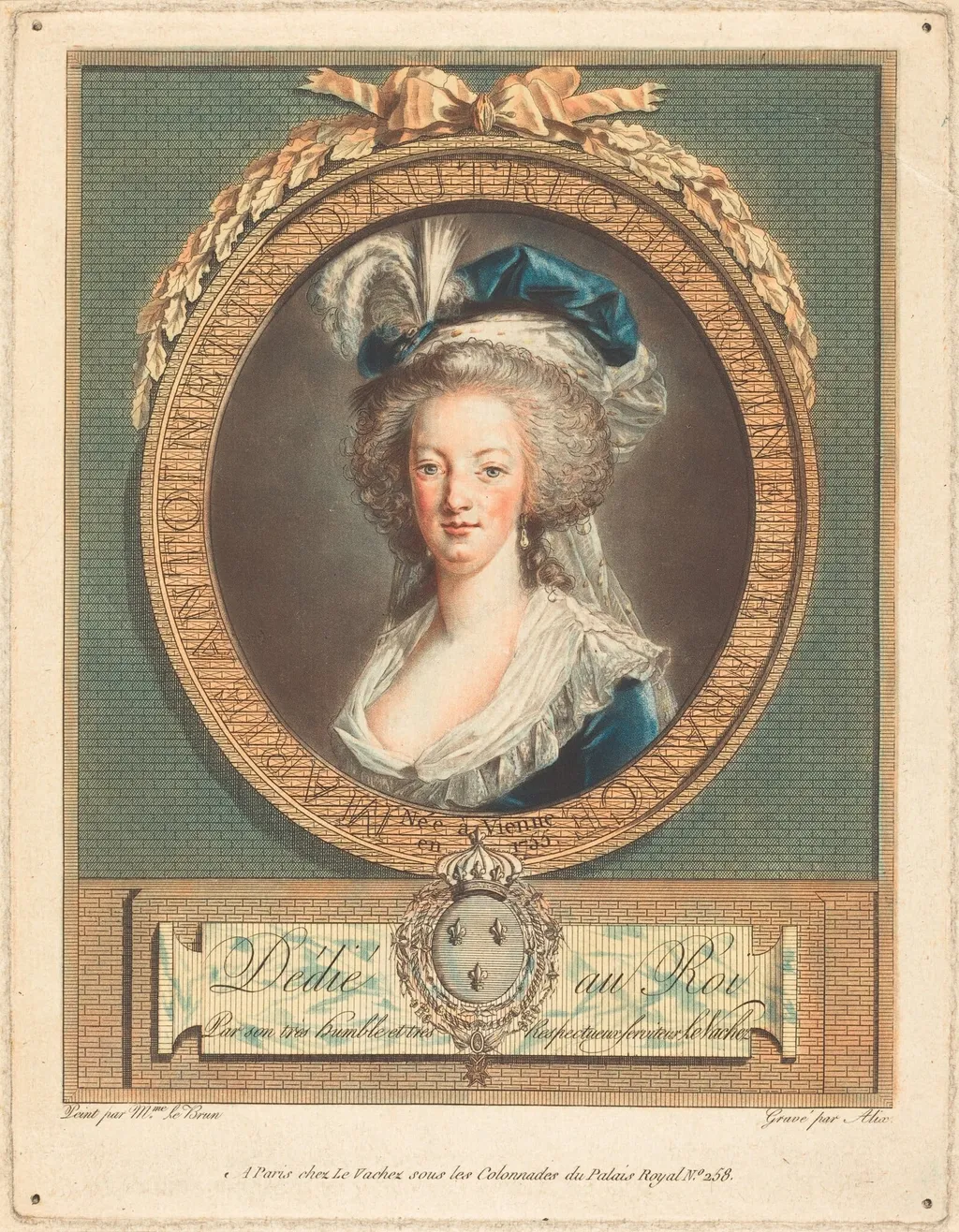
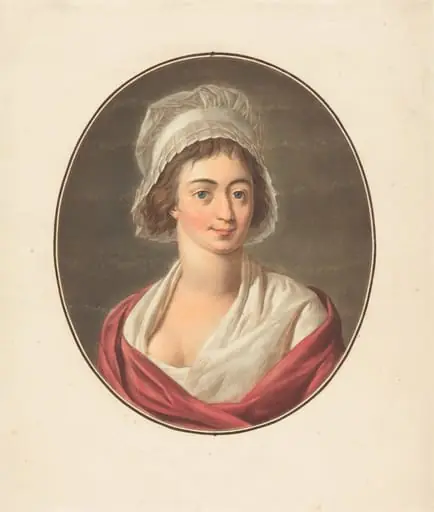
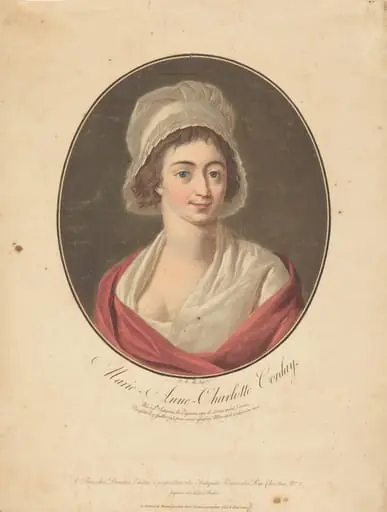
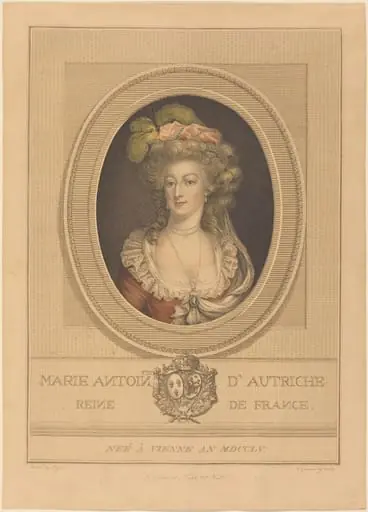
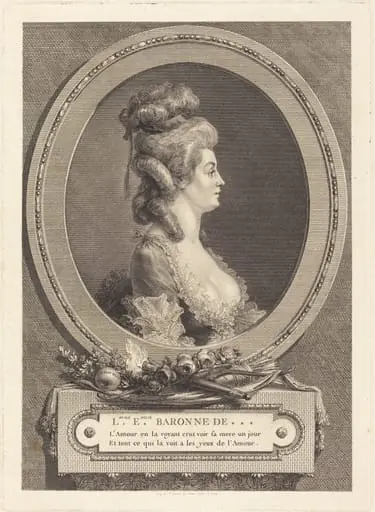
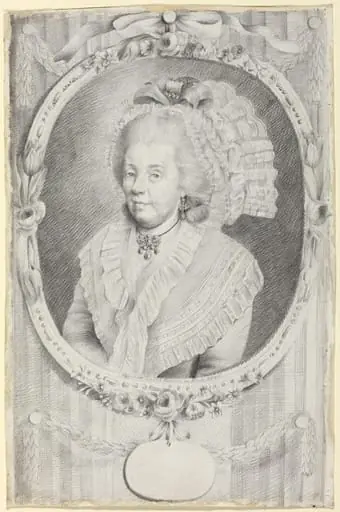
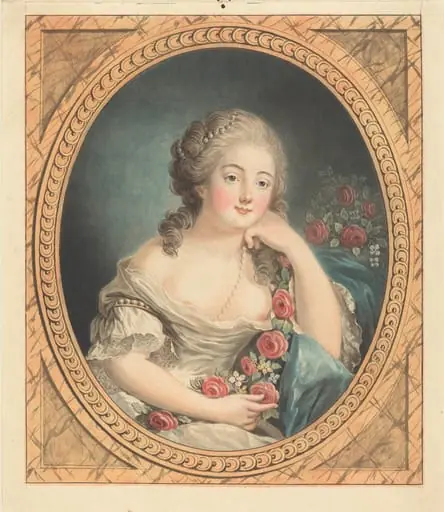
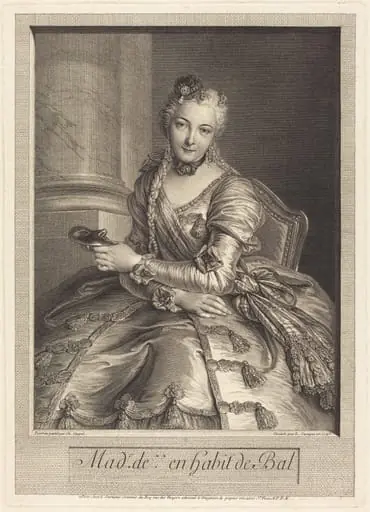
Queen Marie-Antoinette is an ink print by the Romanticist artist Pierre-Michel Alix. It dates from 1789 and is held in the collection of the National Gallery of Art. Created circa 1789, this color etching and wash on laid paper portrays Marie‑Antoinette, the final queen of France before the Revolution.
About this work
Overview
Created circa 1789, this color etching and wash on laid paper portrays Marie‑Antoinette, the final queen of France before the Revolution. The composition centers the queen’s face, her gaze meeting the viewer, while an elaborate coiffure, blue hat, white low‑necked dress and blue shawl convey the courtly fashion of the era. The muted green background provides a subdued setting for the portrait.
Technique & Style
French engraver Pierre‑Michel Alix employed a combination of color etching and wash, a method that allows fine line work to be enriched with translucent pigments. Executed on laid paper, the technique yields delicate tonal variations and a soft modeling of fabrics and skin, reflecting the transitional aesthetic between late Rococo refinement and the emerging Romantic emphasis on individual expression.
Subject & Meaning
The print presents Marie‑Antoinette as a figure of regal elegance, emphasizing her status through sumptuous attire and intricate hairstyle. By directing her eyes toward the viewer, the image invites a personal connection, underscoring the queen’s public persona while hinting at the vulnerability that would soon accompany her downfall during the revolutionary upheavals.
History & Provenance
Alix, a pupil of Jacques‑Philippe Le Bas, produced numerous portraits of notable individuals during the French Revolution and the First Empire. This particular print is held in the Louvre’s Cabinet des estampes and the Bibliothèque nationale de France, indicating its recognition as a documented representation of a pivotal historical figure.
Context
The portrait emerges at the cusp of the French Revolution, a period when visual representations of the monarchy were both politically charged and widely disseminated. Alix’s work reflects contemporary print culture, which circulated images of royalty to a broader public, thereby shaping collective memory of the queen during a time of dramatic social transformation.
Artist & collection

Artist
Pierre-Michel Alix (1762 – 27 December 1817) was a French engraver. He studied under Jacques-Philippe Le Bas and was best known for his portraits of notable figures during the French Revolution and First French Empire.…