Artwork
Reynard the Fox: Reynard Deceives the Cat
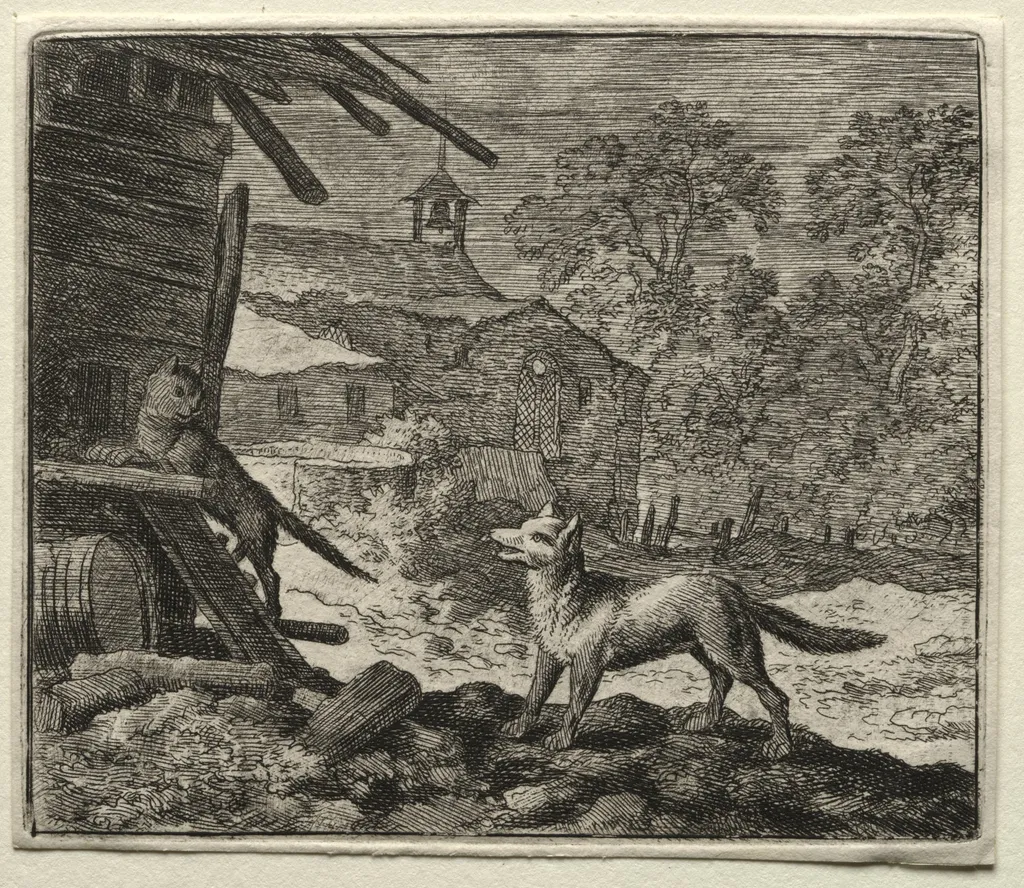
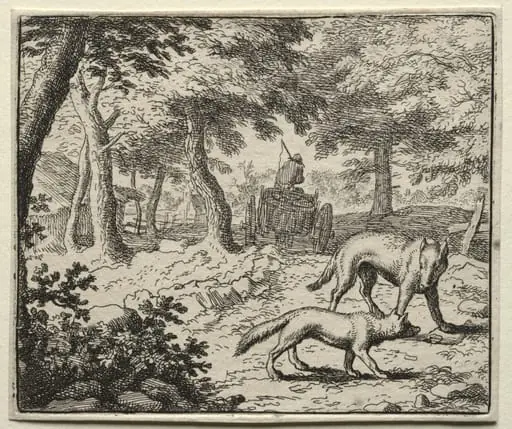
Reynard the Fox: Reynard Deceives the Cat is a print by the Baroque artist Allart van Everdingen. It dates from 1662 and is held in the collection of the Cleveland Museum of Art.
About this work
Overview
Van Everdingen, known for his landscape and narrative prints, employed fine linear detail and tonal contrast to render a moment of trickery.
Created in 1662 by Dutch artist Allart van Everdingen, this etching is part of a series illustrating the medieval Reynard the Fox tales. Van Everdingen, known for his landscape and narrative prints, employed fine linear detail and tonal contrast to render a moment of trickery. The work reflects his engagement with popular folk stories, blending naturalistic observation with allegorical storytelling common in Dutch print culture of the period.
Subject & Meaning
The scene captures Reynard, the fox, feigning innocence as he stands upright near a tree, while the cat becomes entangled in branches above. This moment draws from a longstanding European fable tradition in which the fox’s wit triumphs over the cat’s naivety. The imagery functions as a moral allegory, highlighting themes of deception and the consequences of gullibility, common in didactic animal tales of the time.
Technique & Style
Van Everdingen used etching to achieve crisp, controlled lines and subtle gradations of shadow. The fox’s posture and the cat’s tangled limbs are rendered with precise detail, while the background—trees, a distant house, and a windmill—is suggested with lighter, looser strokes. The contrast between foreground action and atmospheric depth enhances the narrative tension, characteristic of Dutch printmaking’s emphasis on clarity and spatial logic.
History & Provenance
The print was produced during van Everdingen’s mature period, following his travels to Scandinavia and his growing reputation as a printmaker. Though the specific early ownership is undocumented, such works circulated widely among Dutch collectors interested in moral tales and landscape-infused narratives. The print survives in several institutional collections, attesting to its continued recognition in 17th-century print networks.
Context
This image emerges from a broader European tradition of animal fables, particularly the Reynard cycle, which had been adapted into printed form since the late Middle Ages. In the Dutch Republic, such stories were repurposed for secular audiences, often reflecting social hierarchies and human foibles. Van Everdingen’s version aligns with a trend of illustrating folk narratives through accessible graphic media, appealing to both literate and non-literate viewers.
Legacy
Van Everdingen’s etching contributed to the preservation and visual codification of Reynard’s tales in early modern print culture. While not widely replicated, its composition influenced later illustrators of fables in Northern Europe. The work remains a reference point for scholars studying how folk narratives were translated into visual art during the Dutch Golden Age, bridging oral tradition and printed media.
Artist & collection
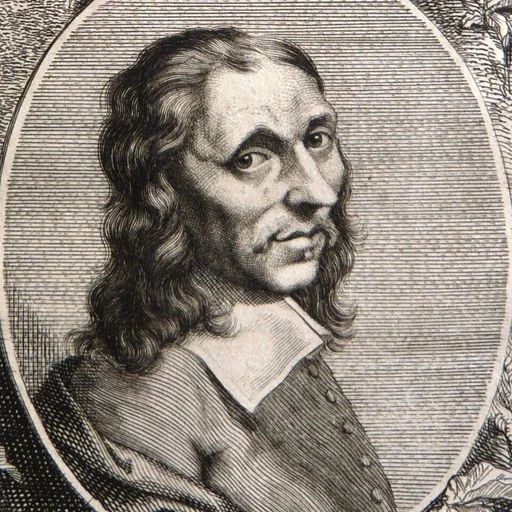
Artist
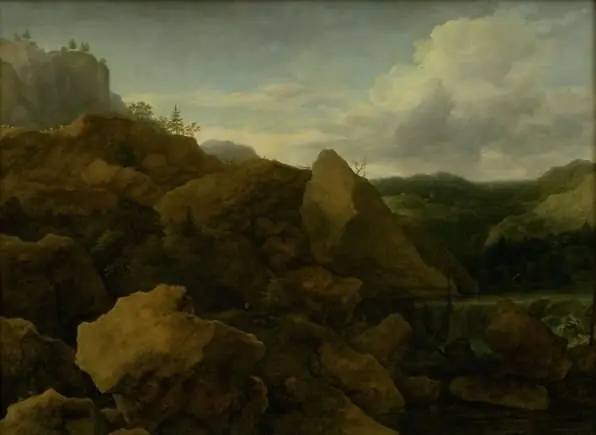
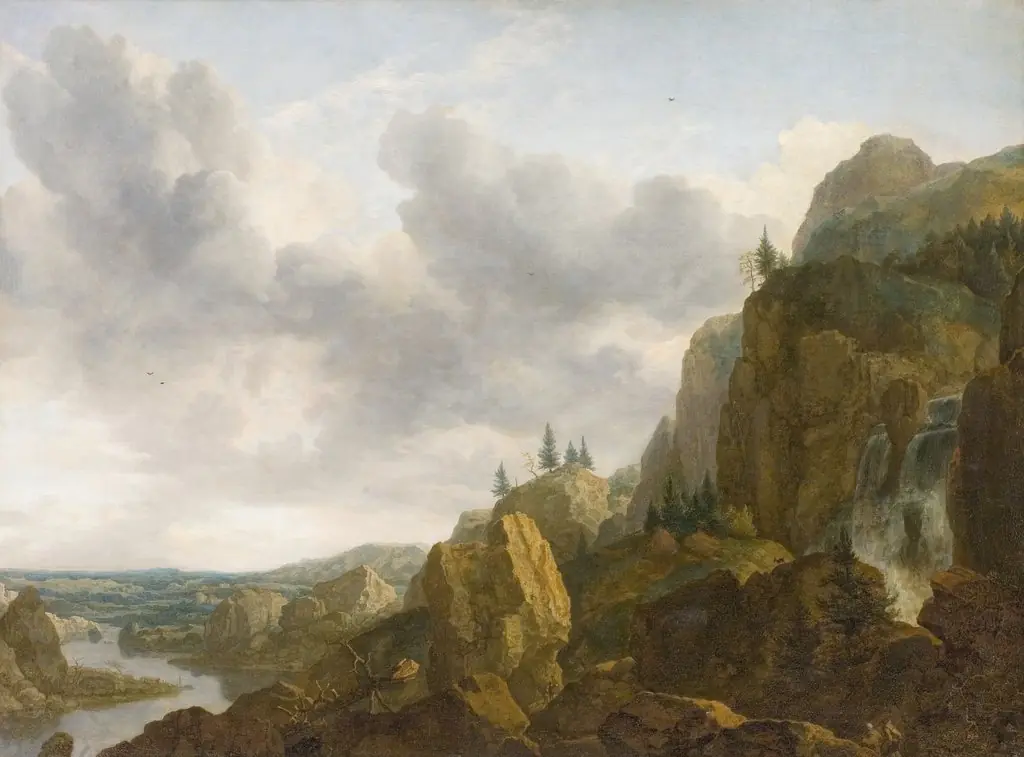
Allaert van Everdingen (Dutch pronunciation: ; bapt. 18 June 1621 – 8 November 1675 (buried)), was a Dutch Golden Age painter and printmaker in etching and mezzotint.

 Reynard the Fox: The Badger's Defense of Reynard
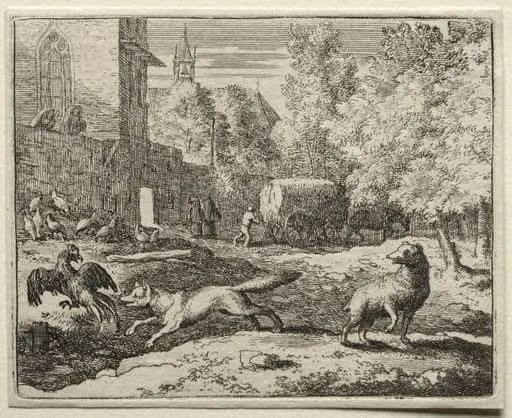 Reynard the Fox: Reynard Chasing Hens
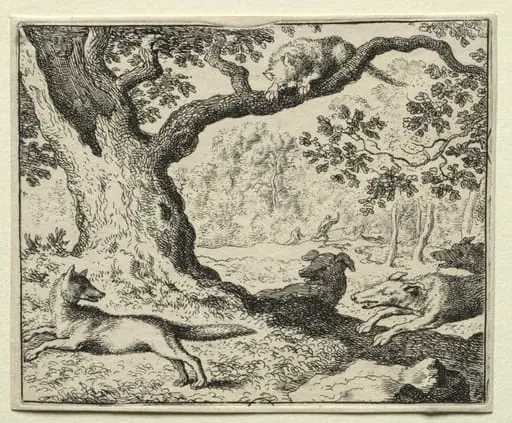 Reynard the Fox: The Disloyal Cat
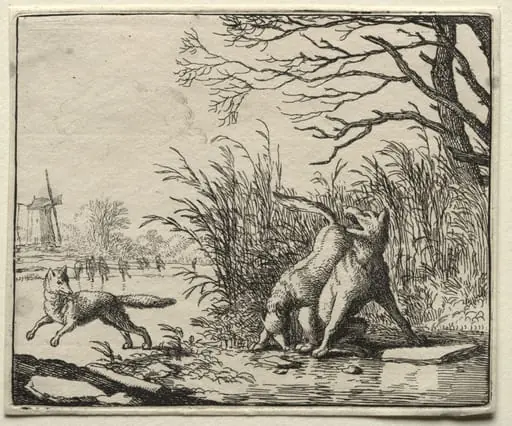 Reynard the Fox: A New Accusation by the Wolf
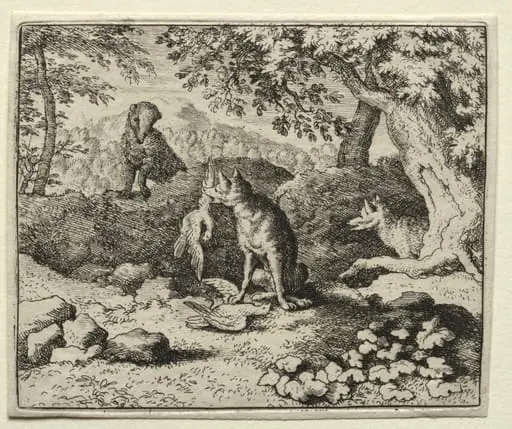 Reynard the Fox: Badger Comes to Warn Reynard
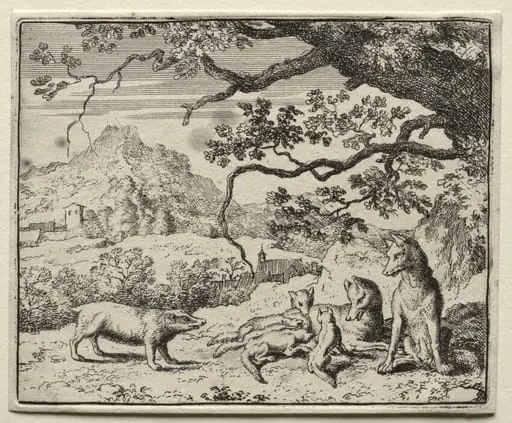 Reynard the Fox: The Badger Calls Reynard to Court
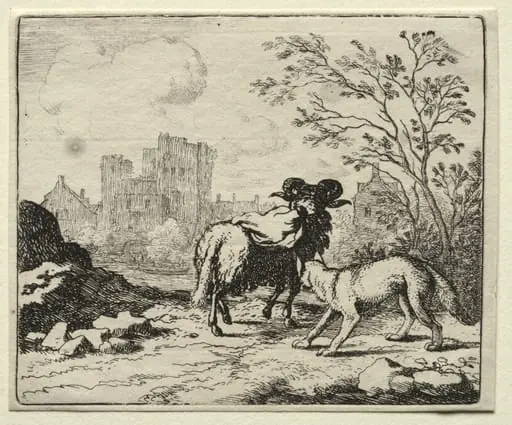 Reynard the Fox: Reynard Sends a Packet to the Lion
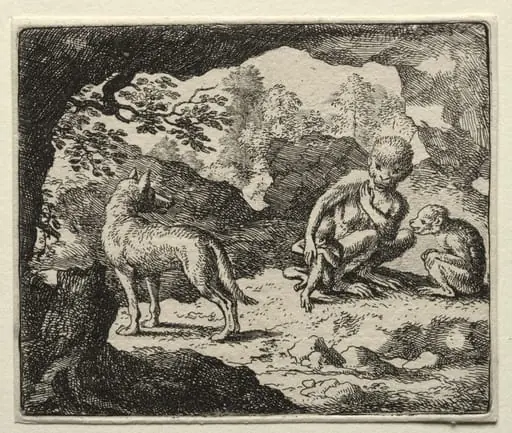 Reynard the Fox: The Wolf in the Monkey's Den
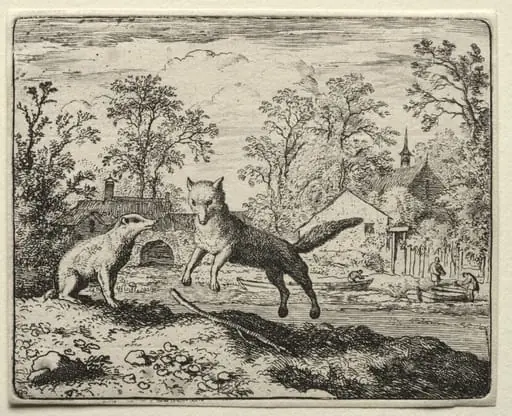 Reynard the Fox: Reynard Doing Penance
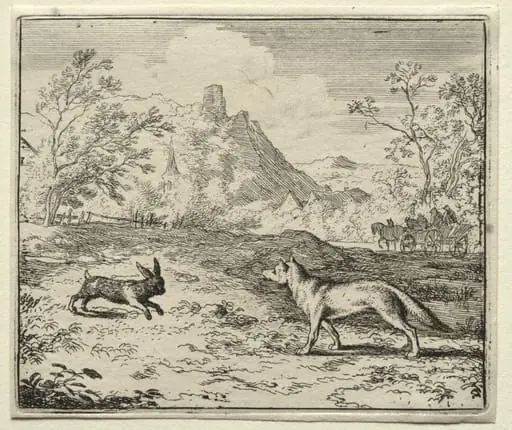 Reynard the Fox: Reynard and the Rabbit