Artwork
The Church
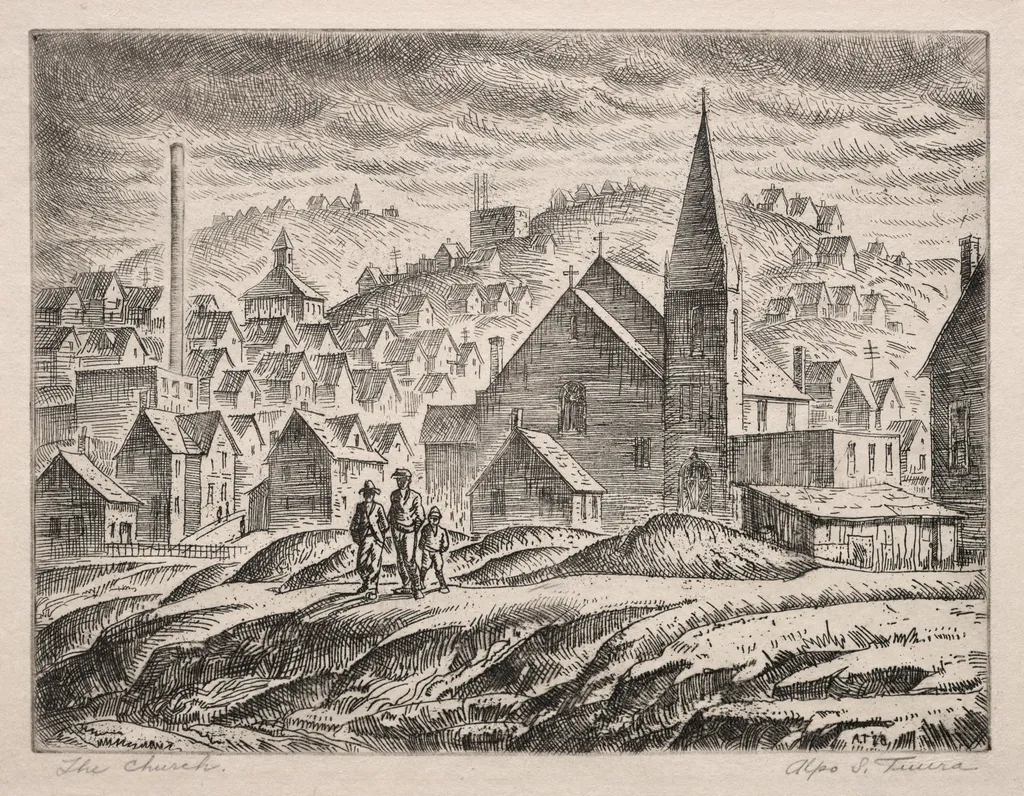
The Church is a print by Alpo S. Tuura. It dates from 1928 and is held in the collection of the Cleveland Museum of Art. Created in 1928 by Finnish artist Alpo S.
About this work
Overview
The composition balances architectural detail with human scale, drawing attention to the relationship between built environment and individual presence.
Created in 1928 by Finnish artist Alpo S. Tuura, The Church is an etching that captures a compact Nordic village dominated by a central church spire. The work is part of the collection at The Cleveland Museum of Art. Tuura employs intricate cross-hatching to model form and depth, transforming flat paper into a dense, textured landscape. The composition balances architectural detail with human scale, drawing attention to the relationship between built environment and individual presence.
Subject & Meaning
The scene depicts a tightly packed settlement with steep-roofed dwellings clustered around a towering church spire, suggesting the spiritual and social centrality of the church in rural life. Three diminutive figures traverse a winding path, their small scale emphasizing the overwhelming presence of architecture. The title directs focus to the spire, yet the crowded houses and chimneys imply a community shaped by collective life, where faith and daily routine are inseparable.
Technique & Style
Tuura uses fine, layered cross-hatching to build tone and texture, creating a sense of volume in the buildings and undulating hills. The precision of the lines mimics the solidity of stone and slate, while the density of marks conveys shadow and depth without color. The etching’s meticulous detail—down to individual roof tiles and chimney stacks—reflects a methodical, almost architectural approach, characteristic of early 20th-century Nordic printmaking traditions.
History & Provenance
The work was produced in 1928 during Tuura’s active period as a printmaker in Finland, a time when Nordic artists were exploring regional identity through intimate, detailed scenes. It entered The Cleveland Museum of Art’s collection through established acquisition channels, likely as part of a broader interest in European graphic arts during the mid-20th century. Its provenance remains unbroken since its acquisition by the museum.
Context
In the interwar period, Finnish artists like Tuura turned to printmaking to document rural life amid rapid modernization. Etchings such as this one reflected a quiet resistance to industrialization, celebrating the endurance of traditional village structures. The Church aligns with broader Scandinavian trends that valued craftsmanship and local subject matter, offering a visual counterpoint to urbanizing Europe.
Legacy
Though not widely reproduced, The Church exemplifies Tuura’s contribution to Finnish graphic art and the quiet realism of Nordic printmaking. Its inclusion in a major American museum underscores its recognition beyond national borders. The work continues to serve as a reference for studies on how early 20th-century artists used print media to explore community, scale, and the spiritual weight of architecture.
Own this work as a print
Artist & collection

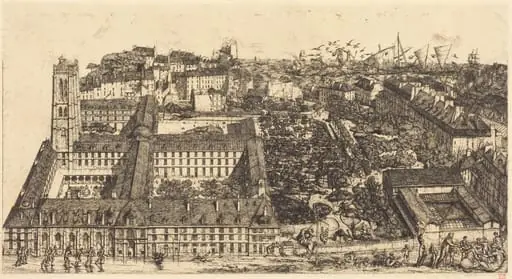 Collège Henri IV, Paris, ou Lycée Napoléon (Henry IV College or Napoleon School, Paris)
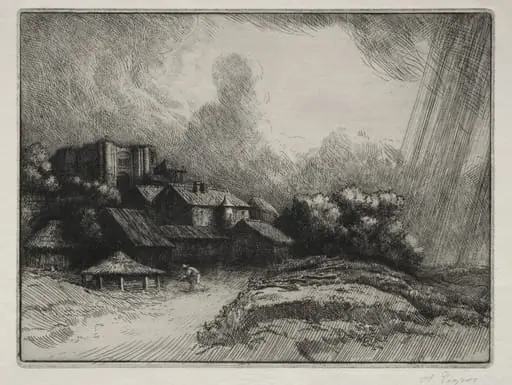 The Abbey Farm
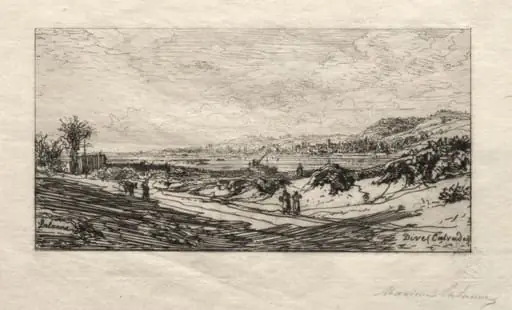 Dives (Calvados)
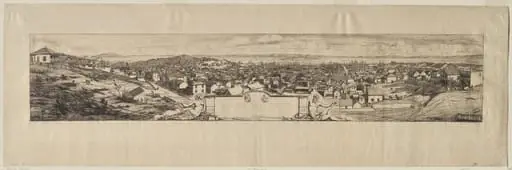 San Francisco
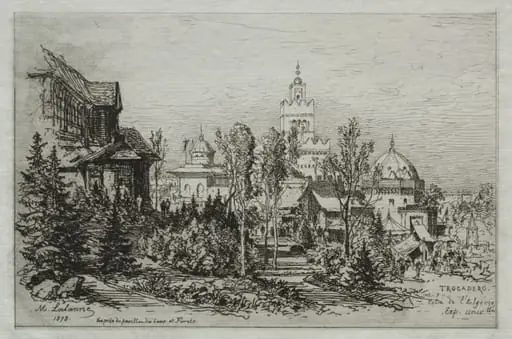 The Algerian Palace at the Trocadero
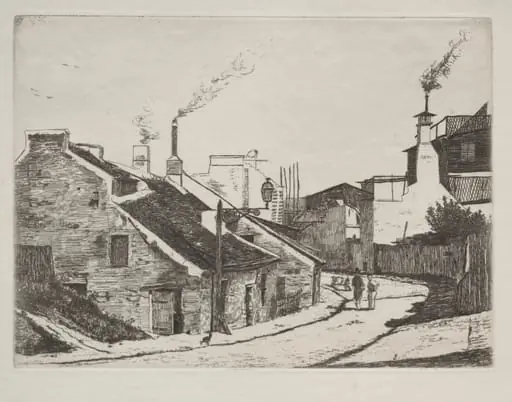 Country Street in Alouette
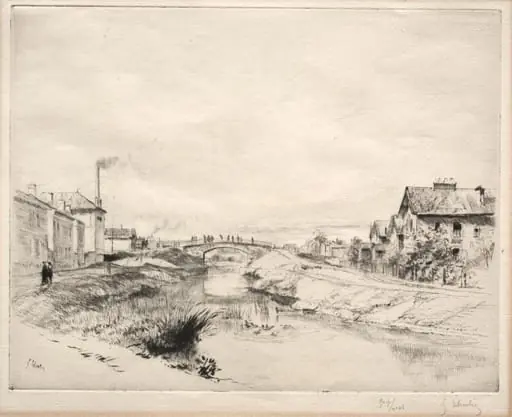 Industrial Section, Troyes
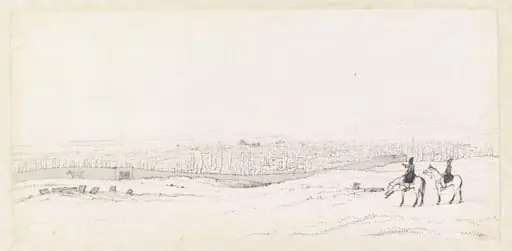 Tabriz
 Souvenir de St. Denis
 Cleveland, Woodland Avenue and Eagle Street
 Out of Study Window