Artwork
William Whitaker, D.D.
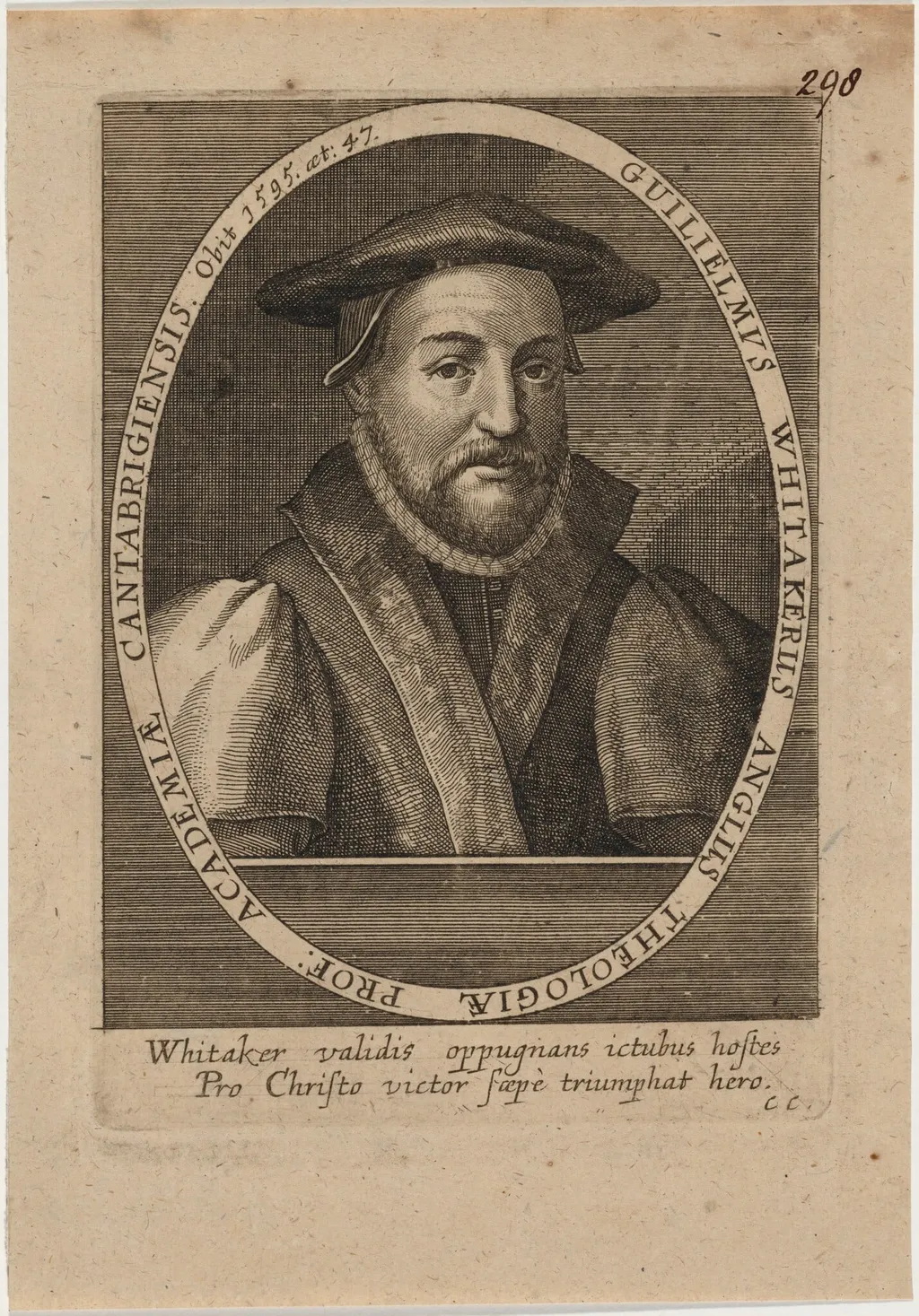
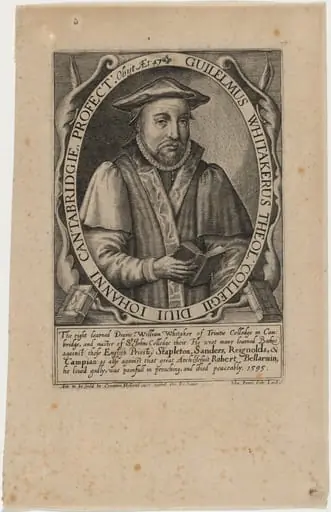
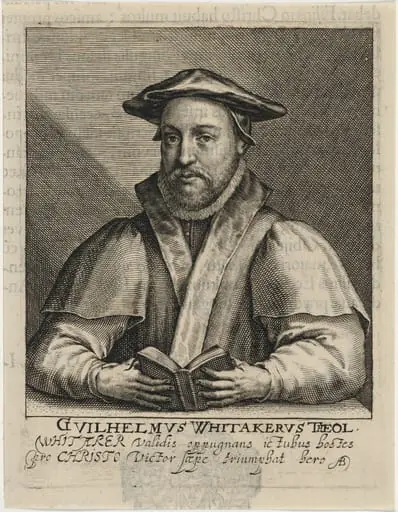
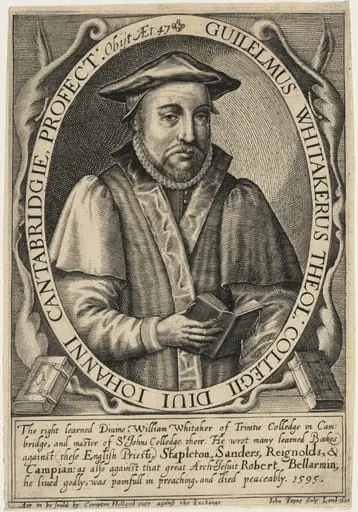
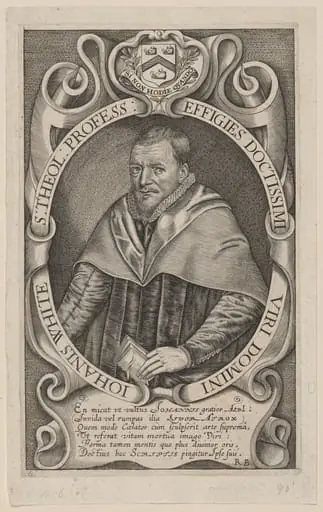
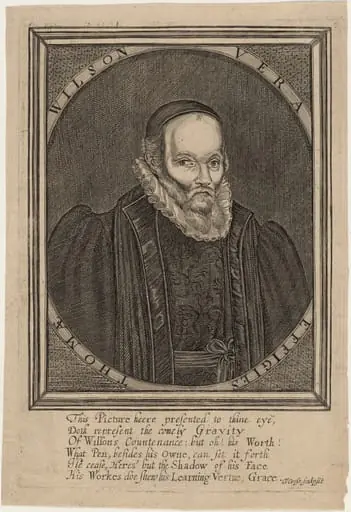
William Whitaker, D.D. is an ink print by the Baroque artist Klemens Ammon. It dates from 1650 and is held in the collection of the National Gallery of Art. This black-and-white print depicts William Whitaker, a 17th-century English theologian and academic, rendered in the medium of engraving.
About this work
Overview
The image was produced by incising fine lines into a metal plate, then inked and pressed onto paper to yield a detailed, reproducible image.
This black-and-white print depicts William Whitaker, a 17th-century English theologian and academic, rendered in the medium of engraving. Created in 1650 by Klemens Ammon, the portrait is a formal representation typical of scholarly portraiture of the period. The image was produced by incising fine lines into a metal plate, then inked and pressed onto paper to yield a detailed, reproducible image.
Subject & Meaning
William Whitaker, a prominent Puritan divine and Master of St. John’s College, Cambridge, is shown with solemn demeanor, reflecting his intellectual and religious stature. The folded paper in his hand suggests scholarly activity or official correspondence. The Latin inscription and curved banner frame the image with academic authority, reinforcing his identity as a learned figure within the Protestant tradition.
Technique & Style
The portrait was executed using the engraving technique, in which fine lines were incised into a copper plate with a burin. Ammon employed controlled hatching and cross-hatching to model the folds of the ruffled collar and the contours of the face, creating subtle tonal gradations. The plain background focuses attention on the figure, while the surrounding text adds contextual weight without visual distraction.
History & Provenance
The engraving was produced in 1650, during a period when printed portraits of scholars were circulated to affirm intellectual legacy. Though specific early ownership records are sparse, such prints were commonly distributed among academic and religious circles in England and continental Europe. Its survival suggests continued interest in Whitaker’s theological influence well after his death.
Context
In mid-17th-century England, portraiture in print served as a tool for preserving the reputations of religious and academic leaders. Whitaker, known for his defense of Protestant doctrine and his role in university governance, was a fitting subject for such imagery. The use of Latin and formal attire aligns with broader European traditions of scholarly representation, linking him to a wider humanist network.
Legacy
This engraving remains one of the primary visual records of William Whitaker, contributing to his posthumous recognition among historians of English Protestantism. As a product of early print culture, it exemplifies how images were used to disseminate intellectual authority beyond manuscript and sermon. Its preservation in institutional collections underscores its role as a historical document.
Artist & collection