Artwork
William Whitaker, D.D.
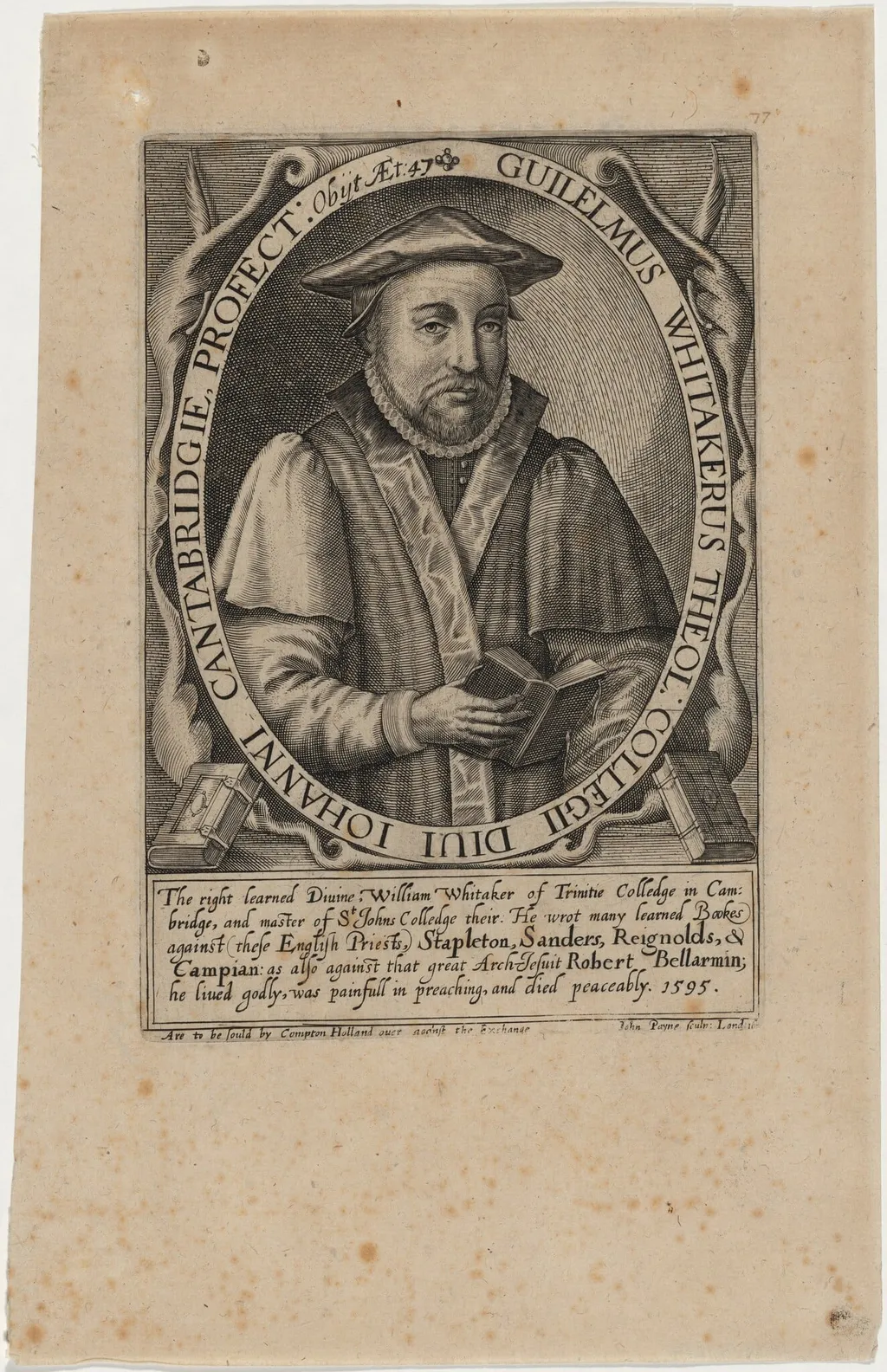
William Whitaker, D.D. is an ink print by the Baroque artist John Payne. It dates from 1627 and is held in the collection of the National Gallery of Art.
About this work
Overview
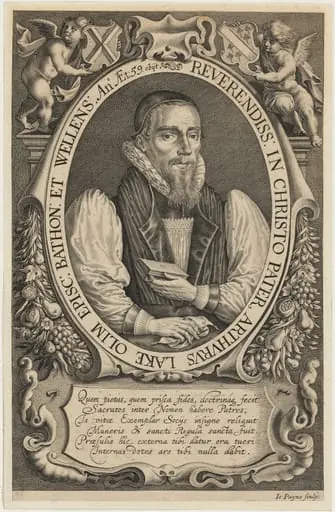
John Payne’s 1627 engraving presents the English theologian William Whitaker, a noted controversialist of the early seventeenth century. Executed during the reign of Charles I, the print exemplifies the nascent stage of English engraving, when native artists were beginning to establish a distinct portrait tradition for scholarly figures.
Subject & Meaning
The portrait shows Whitaker in a solemn pose, dressed in a dark robe and hat, his hand clasping a folded sheet of paper. A Latin inscription encircles his head, while a block of text below records details of his life, underscoring his intellectual stature and the didactic purpose of the image.
Technique & Style
Engraved on a metal plate, the image relies on precise incised lines to render textures such as the fur collar and the folds of the garment. Payne’s handling of line reflects the early English approach: careful, controlled strokes that prioritize clarity of facial features and the gravitas of the sitter.
History & Provenance
John Payne, among England’s first native engravers, produced this work at a time when the medium was still developing domestically. The print was likely circulated among academic and ecclesiastical circles, serving both as a visual record of Whitaker’s appearance and as a means of disseminating his reputation.
Context
The engraving belongs to a broader early‑modern English tradition that favored portraiture of learned men, aligning with the period’s emphasis on religious debate and scholarly authority. Its production during Charles I’s rule situates it within a cultural moment when print media began to play a larger role in shaping public perception of intellectual figures.
Artist & collection
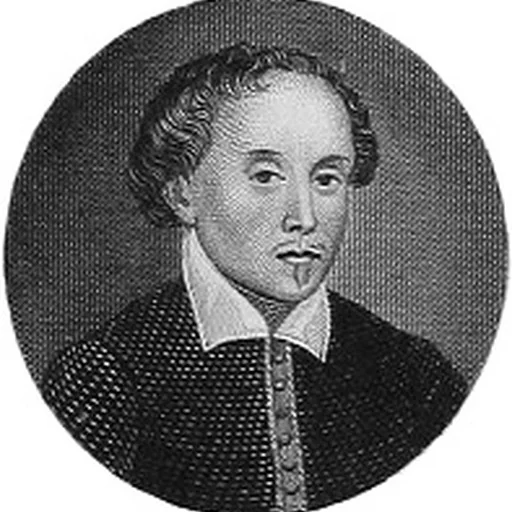
Artist
John Payne (1607–1647) was an English engraver, who was one of the earliest exponents of the art of engraving in England. His best work was the finest produced by a native-born engraver working during the reign of Charles I.