Artwork
Madonna mit Heiligen
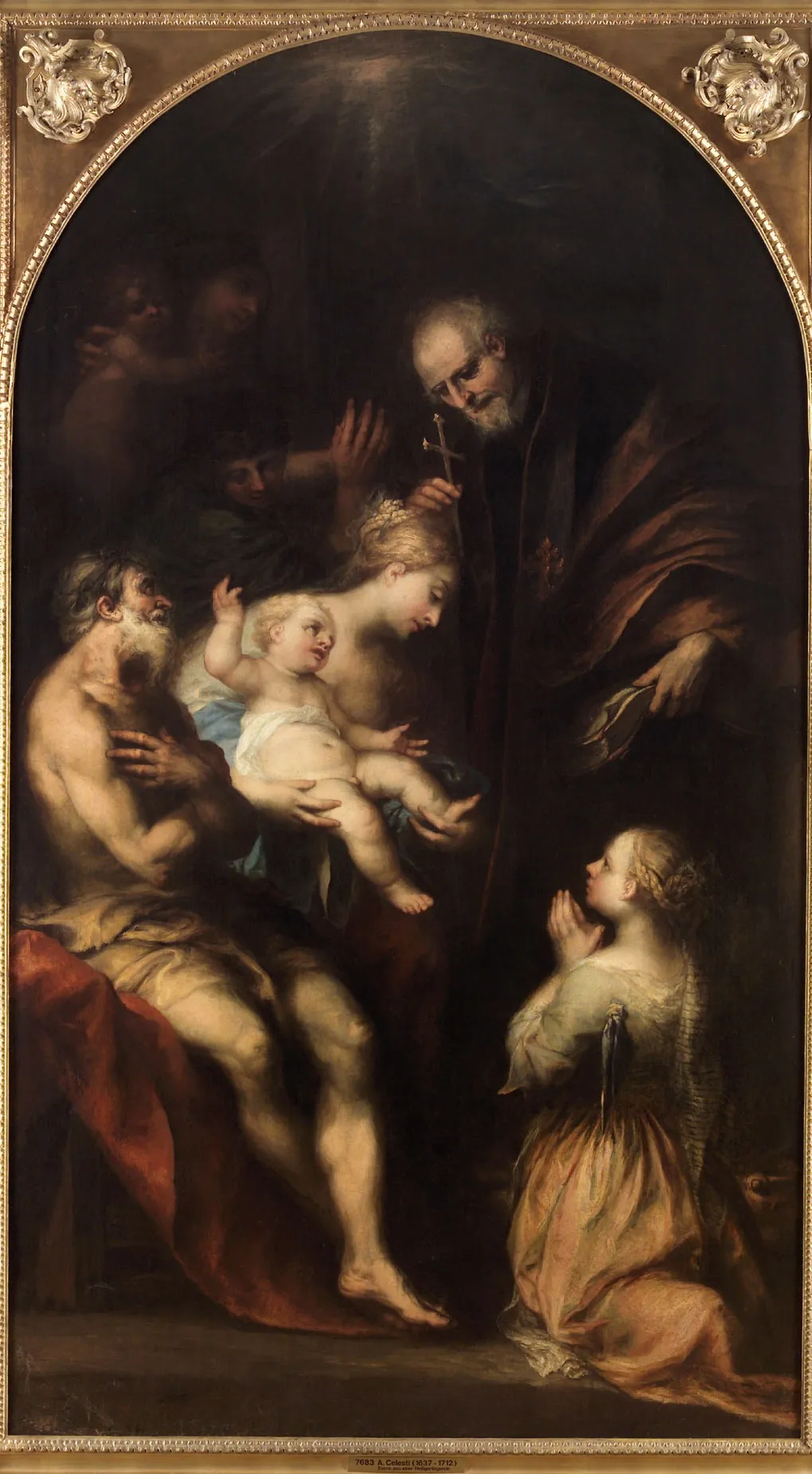
Madonna mit Heiligen is an unspecified painting by Andrea Celesti. It dates from 1684 and is held in the collection of the Kunsthistorisches Museum.
About this work
Overview
Painted around 1684 by the Venetian artist Andrea Celesti, this religious work depicts the Virgin Mary with saints in a dimly lit interior. It reflects Celesti’s mature style, marked by looser brushwork and emotional clarity compared to his earlier, more rigid compositions. The painting resides in the Kunsthistorisches Museum, Vienna, as part of its collection of Baroque sacred art.
Subject & Meaning
A kneeling woman, likely Saint Catherine, and another figure supporting the infant emphasize reverence and maternal care.
The central figure is the Virgin Mary, holding the Christ Child, surrounded by saints in acts of devotion. A kneeling woman, likely Saint Catherine, and another figure supporting the infant emphasize reverence and maternal care. The composition conveys spiritual intimacy, positioning the holy figures as the focus of quiet worship rather than grand spectacle, aligning with Counter-Reformation ideals of personal piety.
Technique & Style
Celesti employs chiaroscuro to model forms with soft transitions between light and shadow, enhancing the three-dimensionality of the figures. His brushwork is fluid, particularly in drapery and hair, suggesting movement and texture. Warm reds and golds in the garments contrast with the cool, receding background, guiding the viewer’s attention to the central group without overt theatricality.
History & Provenance
Commissioned for a religious setting, the painting entered the Habsburg collection before being cataloged in the Kunsthistorisches Museum. Its presence in Vienna suggests it was acquired during the late 17th or early 18th century, possibly through diplomatic or ecclesiastical channels. No significant alterations or restorations are documented, preserving its original Baroque character.
Context
Created during the height of the Venetian Baroque, the painting responds to the Catholic Church’s emphasis on emotional engagement in worship. While Venetian artists like Titian and Veronese influenced Celesti’s colorism, his approach here is more restrained, reflecting regional shifts toward intimate, devotional imagery over monumental grandeur.
Legacy
Though less widely known than his contemporaries, Celesti’s later works like this one illustrate a quiet evolution in Venetian religious painting—moving from academic formality toward expressive simplicity. The painting remains a representative example of how local artists adapted broader Baroque trends to suit devotional needs in private and ecclesiastical spaces.
Artist & collection
Artist
Andrea Celesti (1637–1712) was an Italian painter of the Baroque period, working in Venice. His style gravitated over the years from a turgid and academic weightiness to a lighter, looser brushstroke.

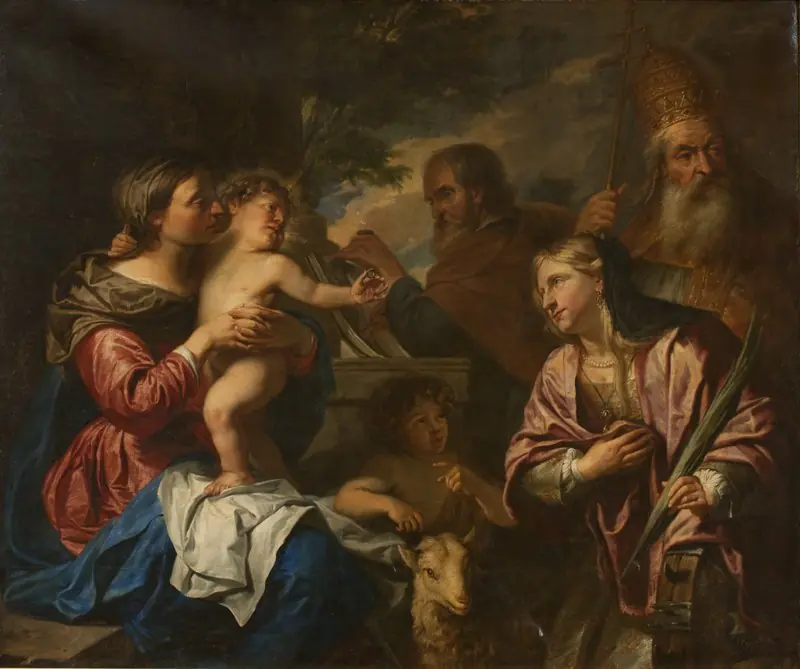 The Mystic Marriage of St Catherine
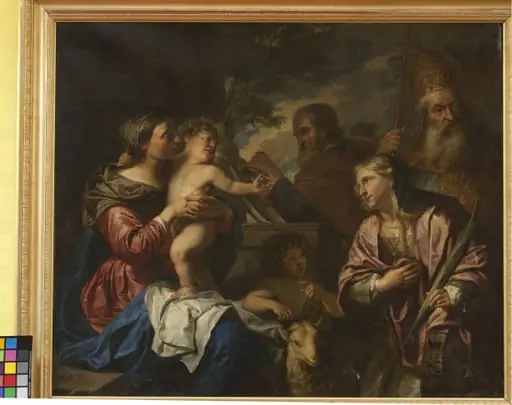 The Mystic Marriage of St Catherine
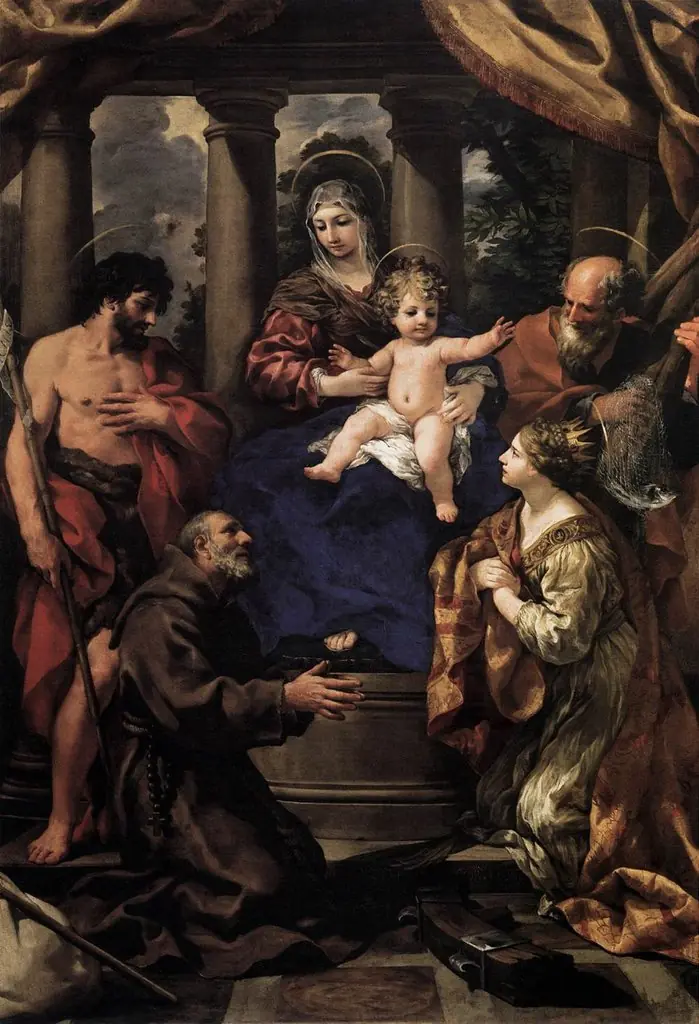 Virgin and Child with Saints
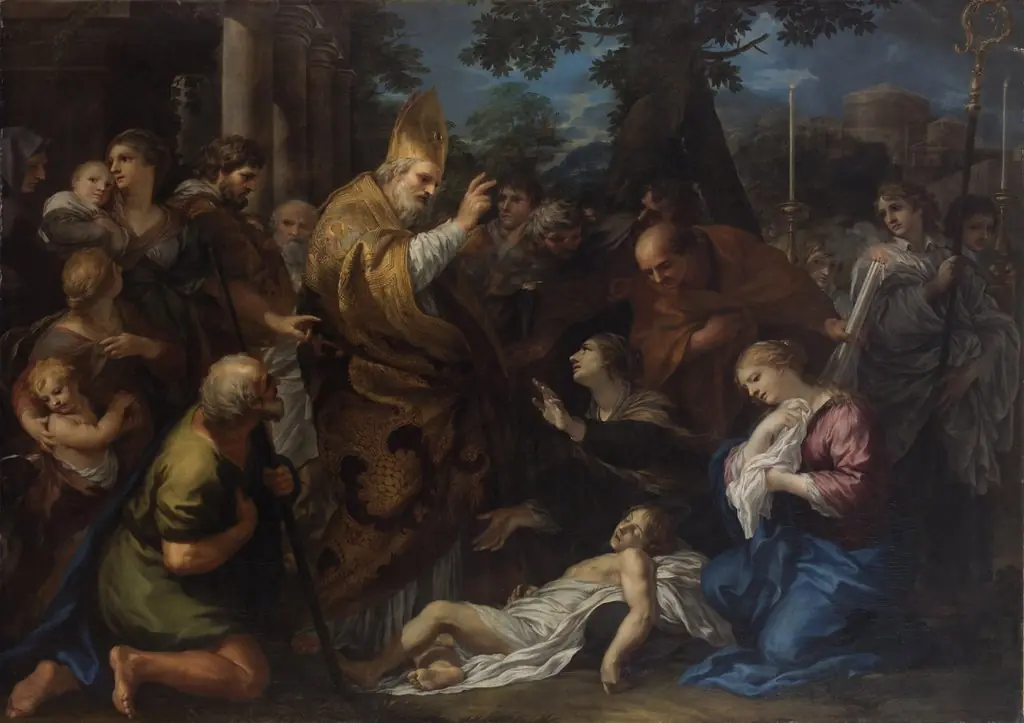 Miracle of Saint Martin of Tours
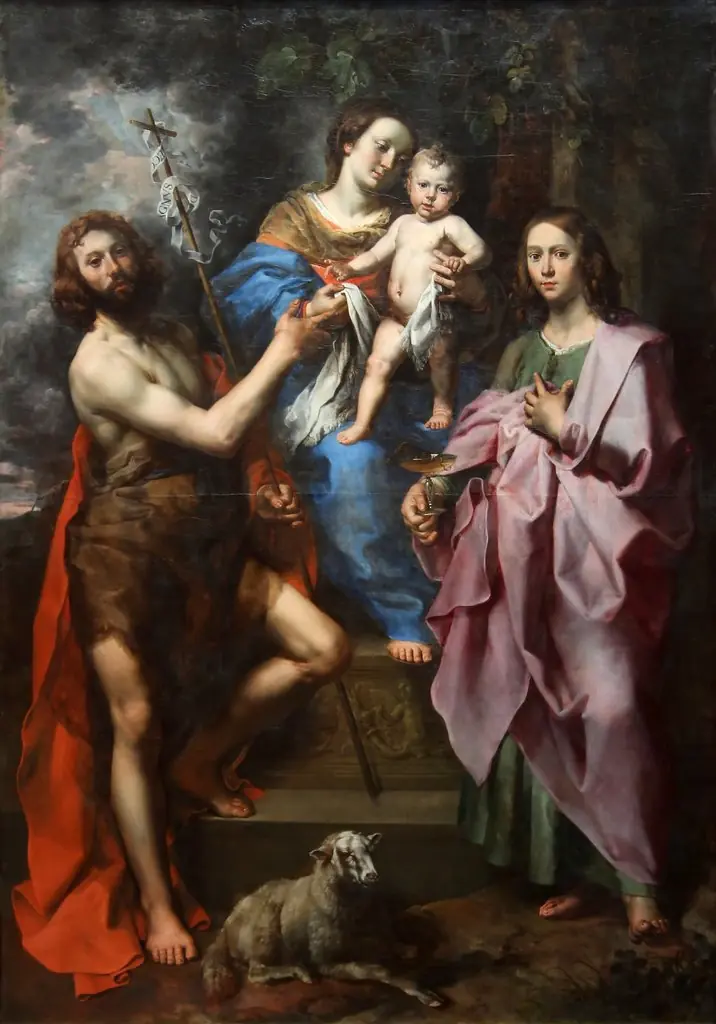 Virgin and Child between saints John the Baptist and John the Evangelist
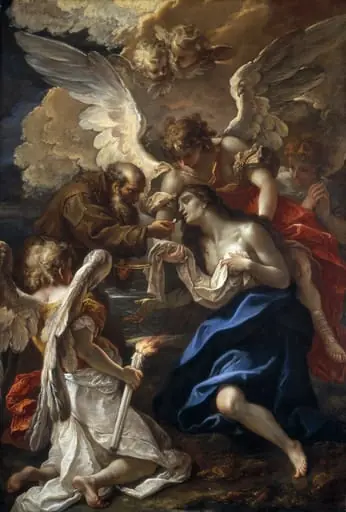 The Last Communion of Saint Mary of Egypt
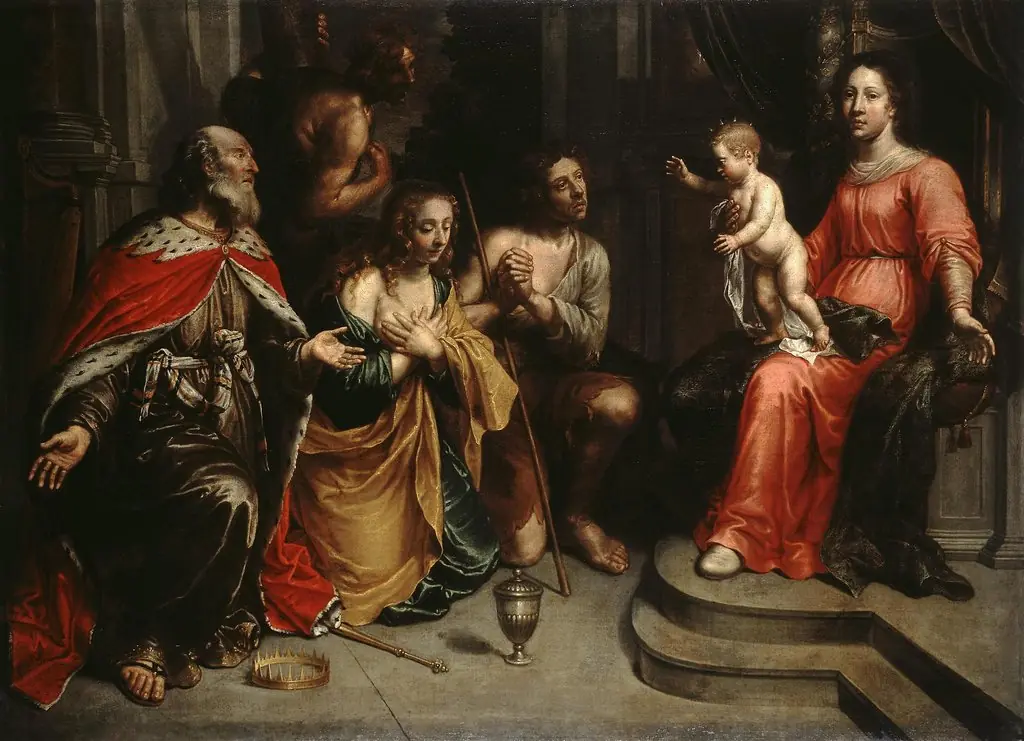 Repentant Sinners in front of the Virgin and Child
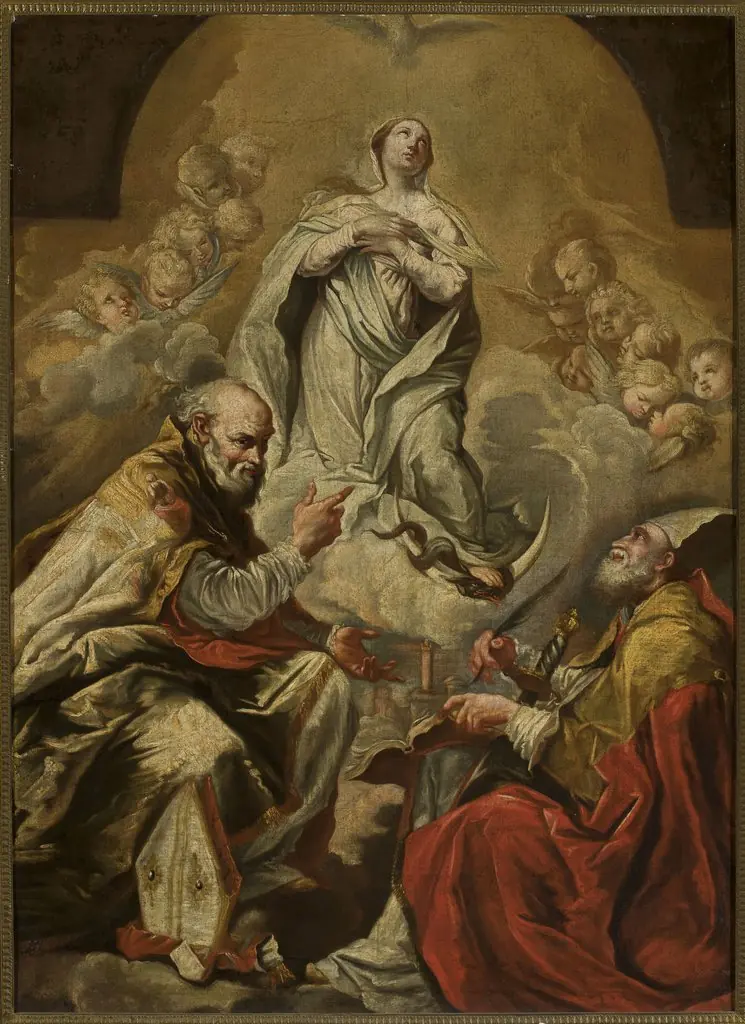 Adoration of Virgin Mary by St. Petronius and Dionysius the Areopagite
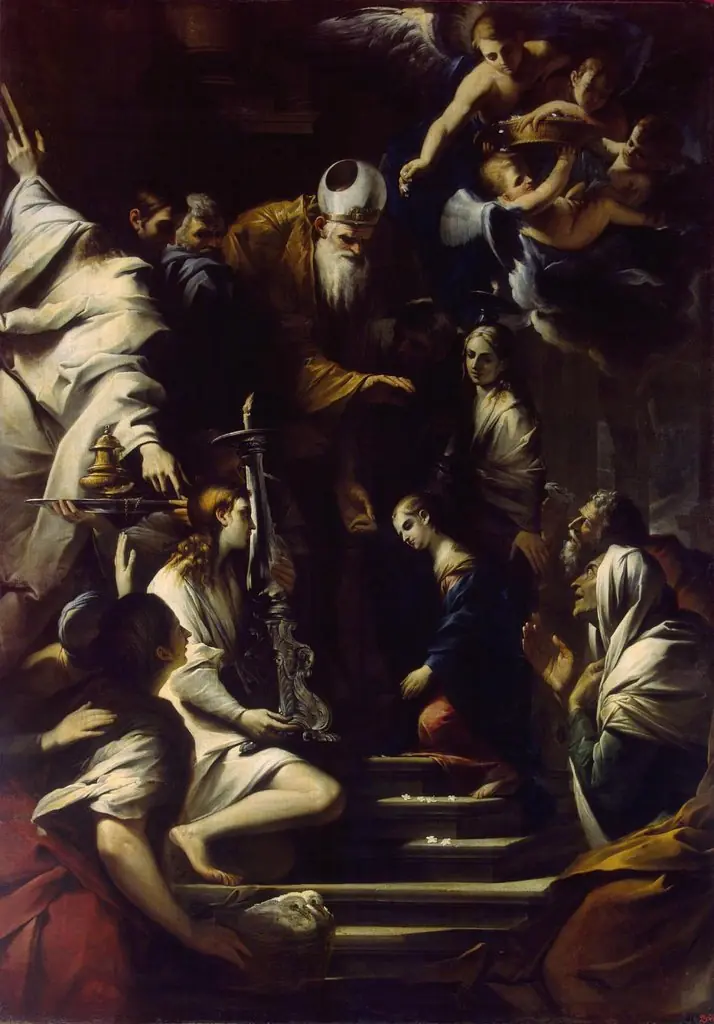 Presentation of the Virgin into the Temple
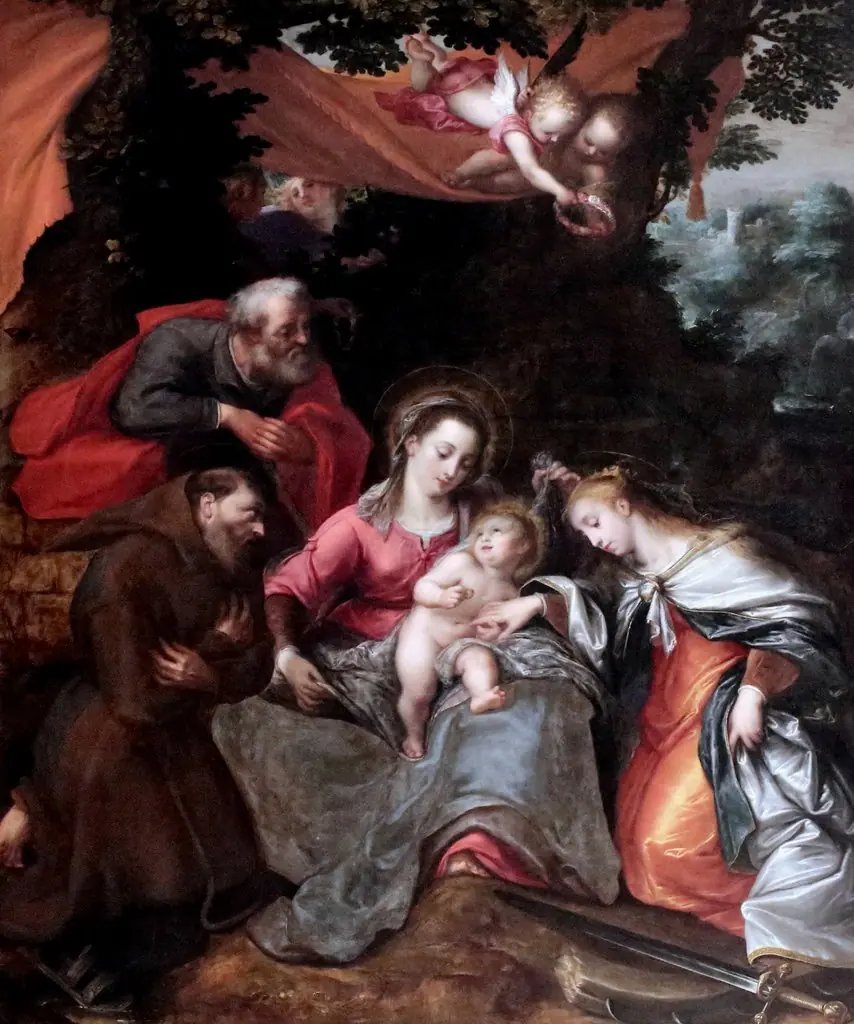 The Mystic Marriage of St. Catherine
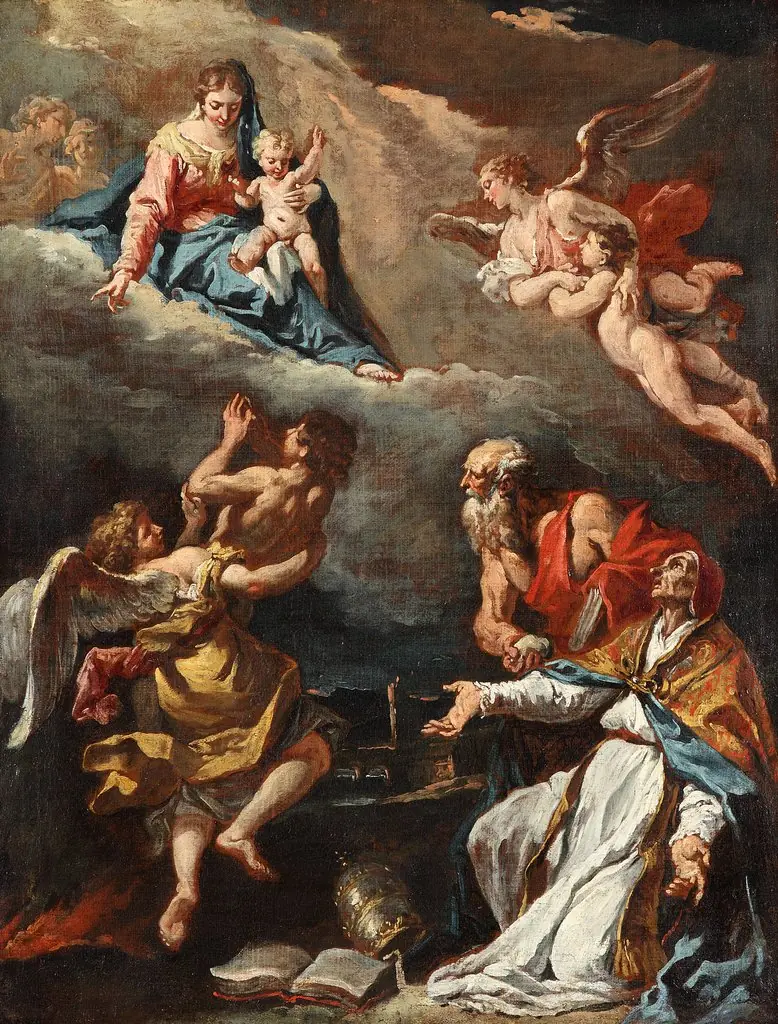 Die Fürbitte des Heiligen Gregor für die Seelen im Fegefeuer
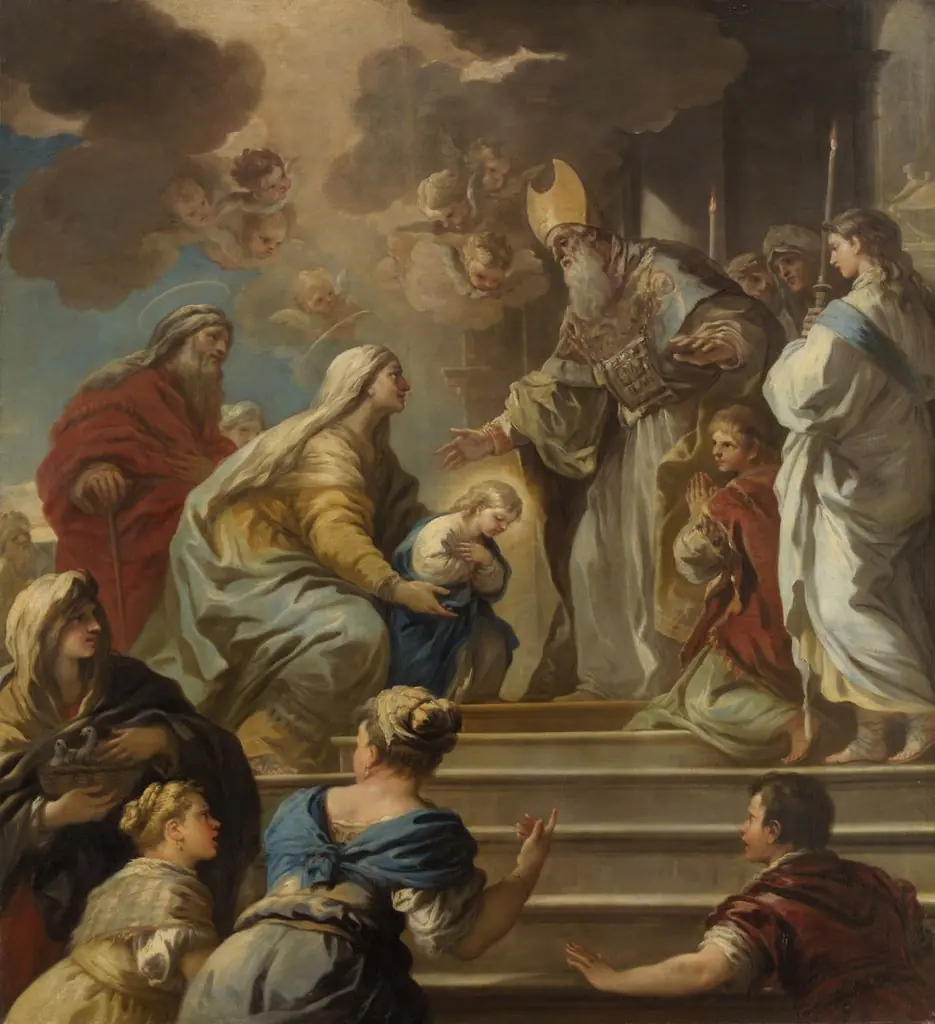 Tempelgang Mariae