Artwork
Vertreibung der Hagar (Kopie nach)
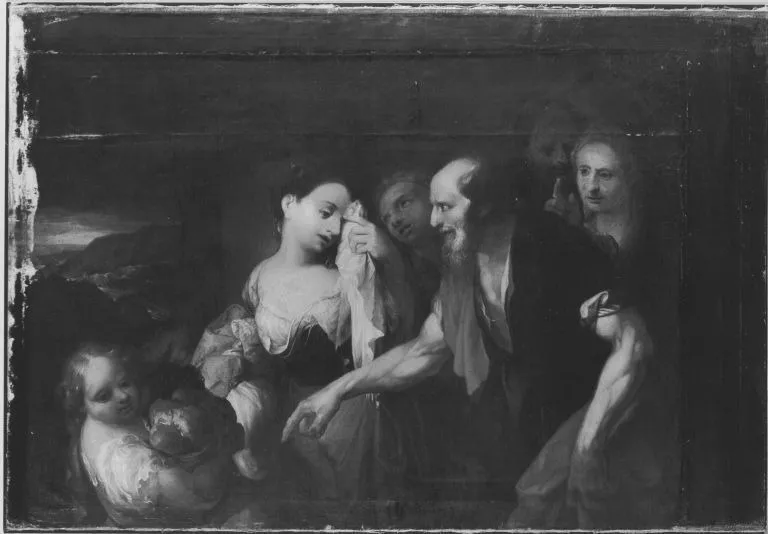
Vertreibung der Hagar (Kopie nach) is an unspecified painting by Andrea Celesti. It dates from 1684 and is held in the collection of the Bavarian State Painting Collections.
About this work
Overview
Created around 1684, it belongs to his later period, when his style evolved toward greater fluidity and emotional immediacy.
This painting is a copy after a work by Andrea Celesti, an Italian artist active in Venice during the late 17th century. Created around 1684, it belongs to his later period, when his style evolved toward greater fluidity and emotional immediacy. The subject draws from a biblical narrative, rendered with a restrained palette and focused composition. The piece is part of the Alte Pinakothek’s collection in Munich, where it reflects the enduring influence of Venetian Baroque painting beyond its region of origin.
Subject & Meaning
The scene illustrates Hagar’s expulsion from Abraham’s household, as recounted in Genesis. A central male figure gestures toward Hagar, who covers her face with a cloth, conveying anguish and resignation. Surrounding figures observe the moment, their postures suggesting varied reactions—some detached, others sympathetic. The narrative emphasizes isolation and divine abandonment, rendered without overt spectacle, allowing psychological tension to emerge through gesture and expression rather than theatricality.
Technique & Style
Celesti employs chiaroscuro to define form and direct attention, with deep shadows anchoring the figures against a muted background. Brushwork is looser than in his earlier academic pieces, suggesting a move toward expressive spontaneity. Facial details and fabric textures are rendered with precision, yet the overall handling avoids rigidity. The subdued browns and grays reinforce the somber mood, while the spatial arrangement creates a sense of intimate, enclosed drama.
History & Provenance
The painting is a copy made after Celesti’s original, likely produced in his studio or by a follower during the late 17th century. It entered the Alte Pinakothek’s collection in the 19th century, part of a broader effort to acquire significant Baroque works from Italian schools. While the original by Celesti is not definitively identified, this version preserves the compositional structure and emotional tone of his mature style, offering insight into the circulation of Venetian imagery in German-speaking regions.
Context
In late 17th-century Venice, religious subjects remained central to artistic production, though the approach to them was shifting. Celesti’s work reflects a transition from the formal rigidity of earlier Baroque traditions toward a more naturalistic and emotionally resonant mode. This painting aligns with broader trends in Venetian painting, where narrative clarity and psychological nuance began to outweigh grandeur and ornamentation, anticipating the sensibilities of the 18th century.
Legacy
Though not among Celesti’s most widely known works, this painting exemplifies his evolving approach to biblical storytelling. Its presence in the Alte Pinakothek underscores its role in shaping German perceptions of Venetian Baroque art. The work’s restrained drama and attention to human vulnerability contributed to a quieter, more introspective strand of religious painting that influenced later generations seeking emotional authenticity over spectacle.
Artist & collection
Artist
Andrea Celesti (1637–1712) was an Italian painter of the Baroque period, working in Venice. His style gravitated over the years from a turgid and academic weightiness to a lighter, looser brushstroke.

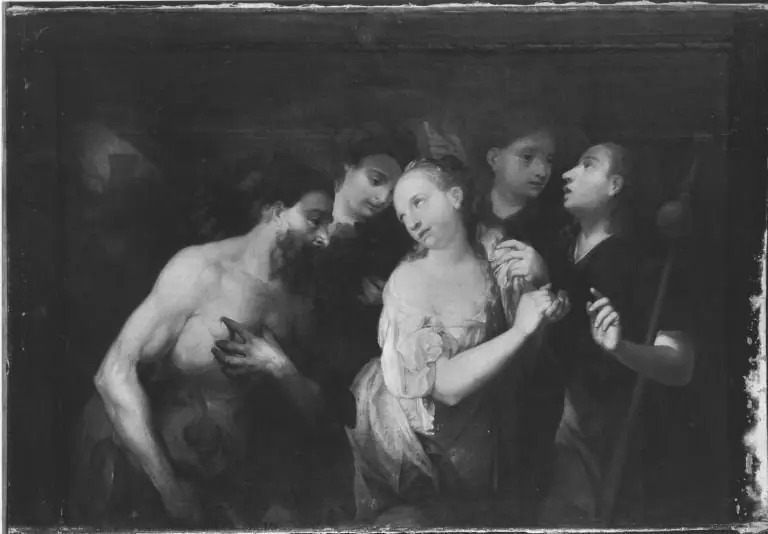
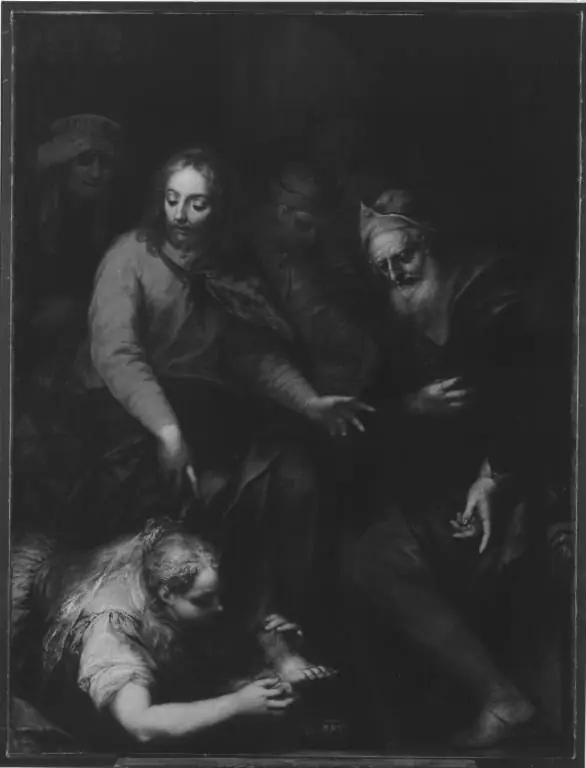
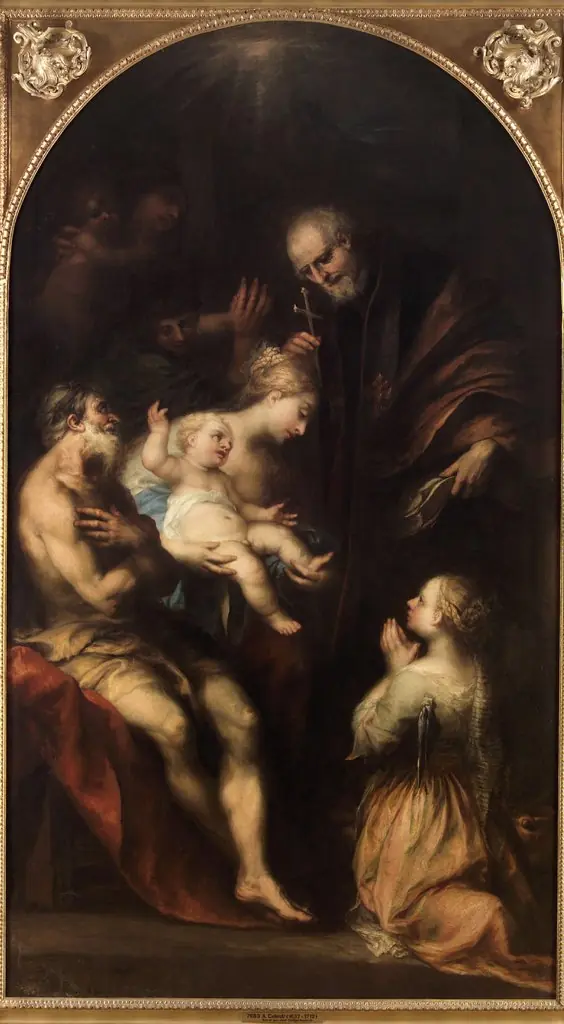
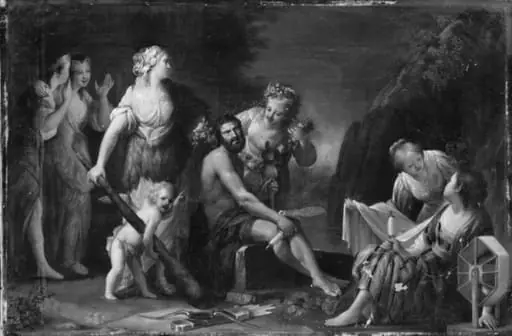 Hercules hos Omphale, omgivet af hendes veninder
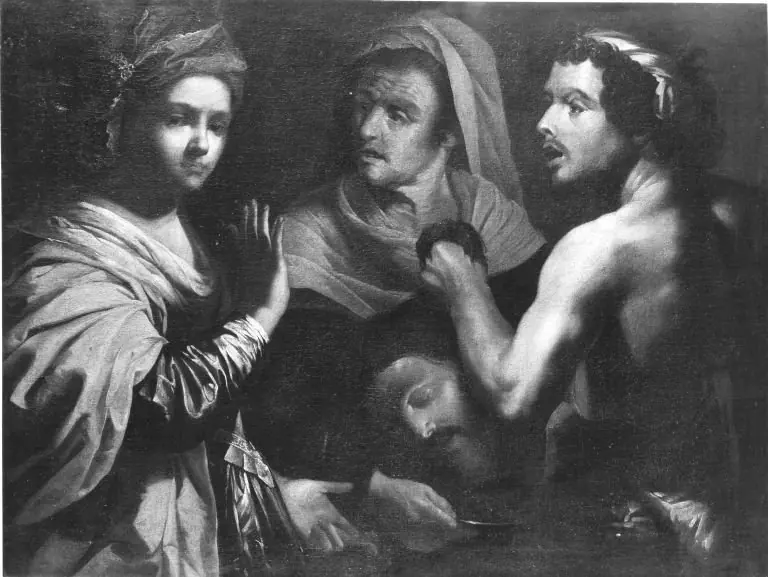 Enthauptung Johannes des Täufers
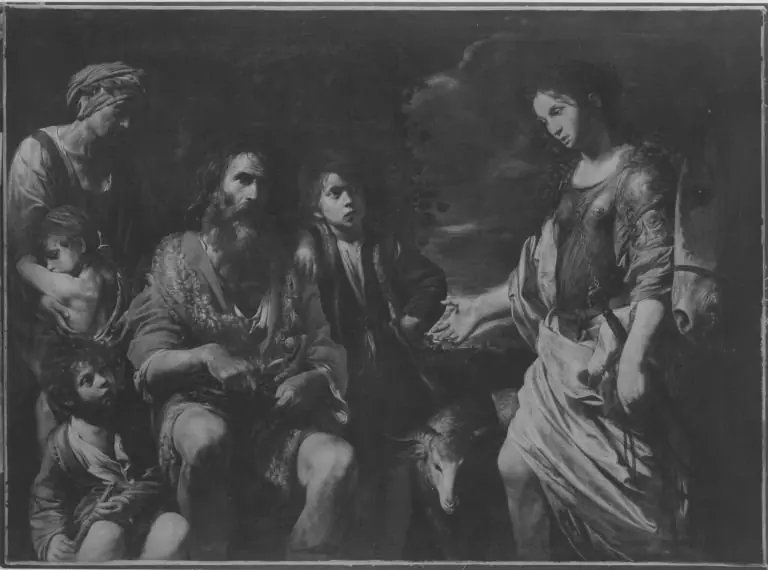 Erminia bei den Hirten
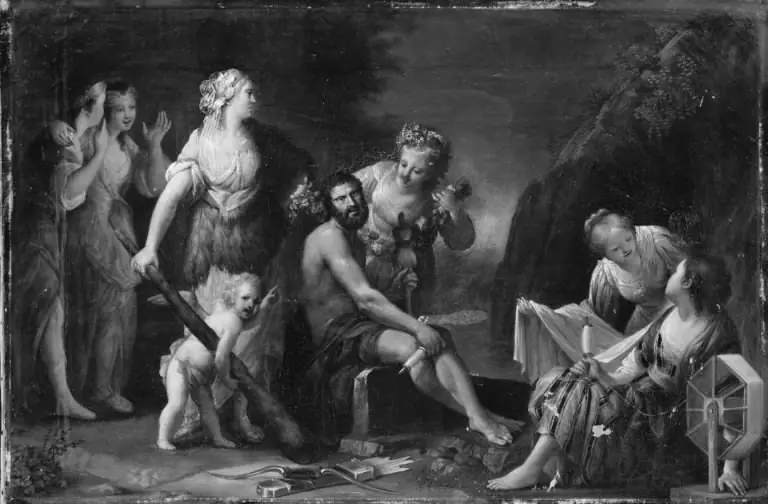 Hercules hos Omphale, omgivet af hendes veninder
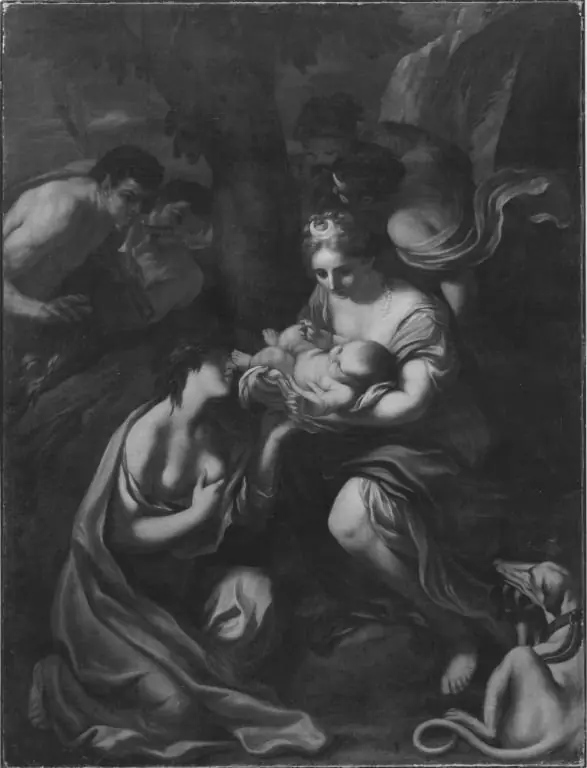 Geburt des Adonis
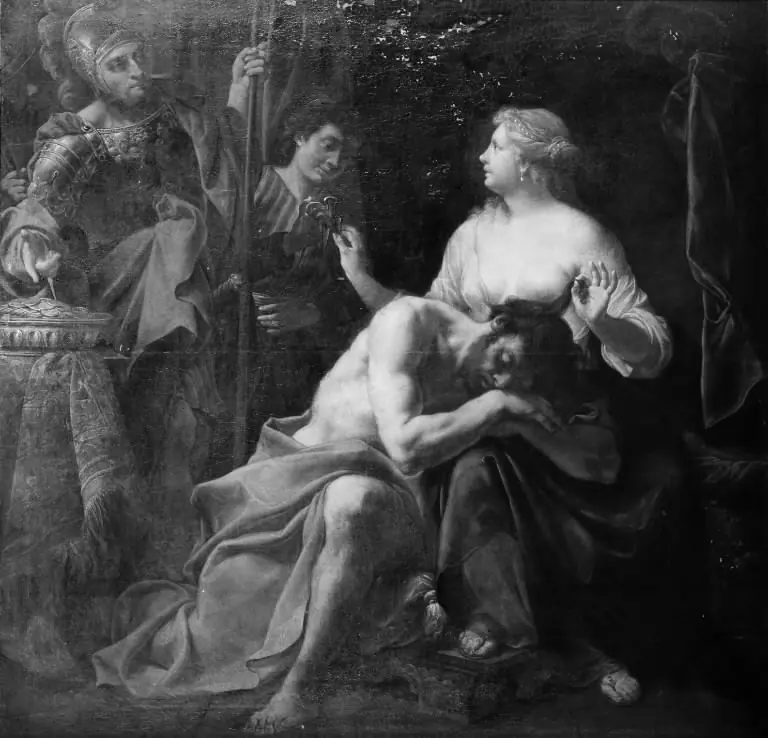 Samson and Delilah
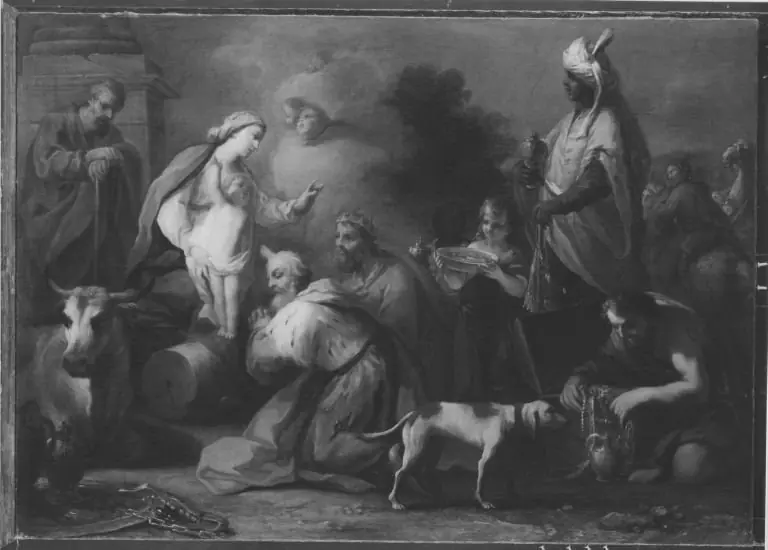 Anbetung der Könige
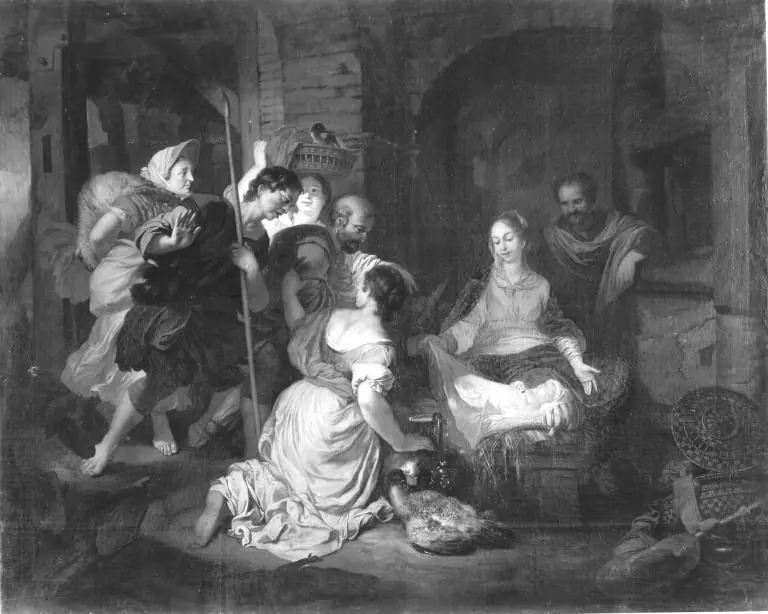 Anbetung der Hirten (?)
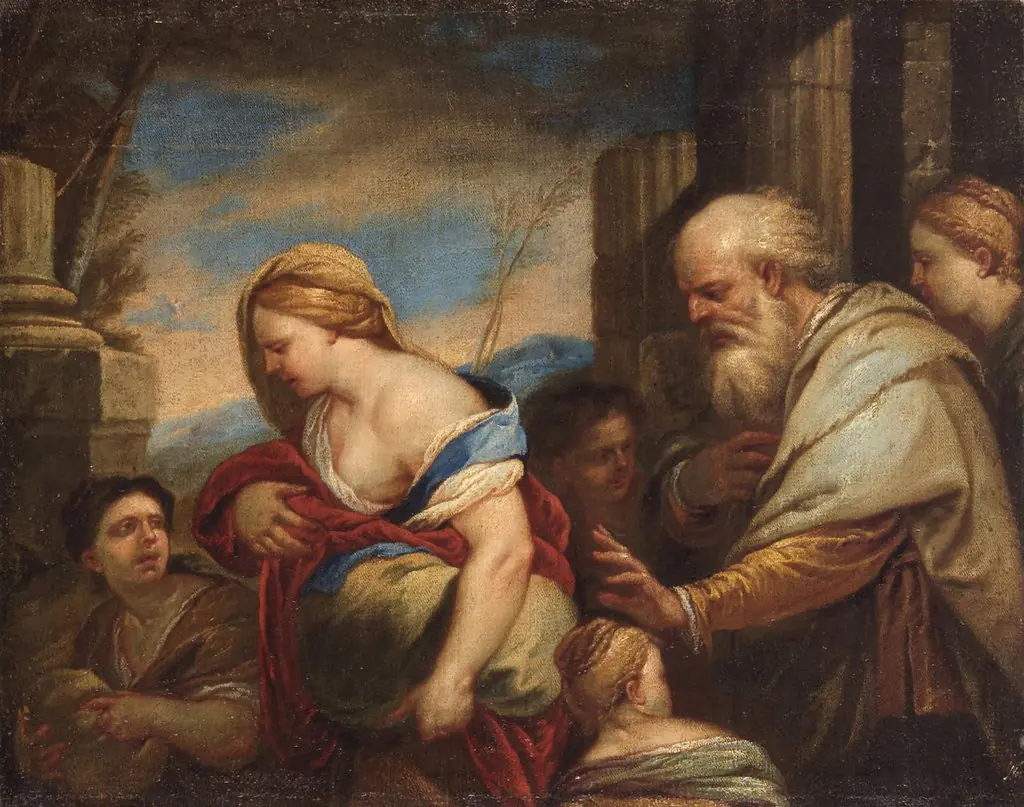 Expulsion of Hagar by Abraham
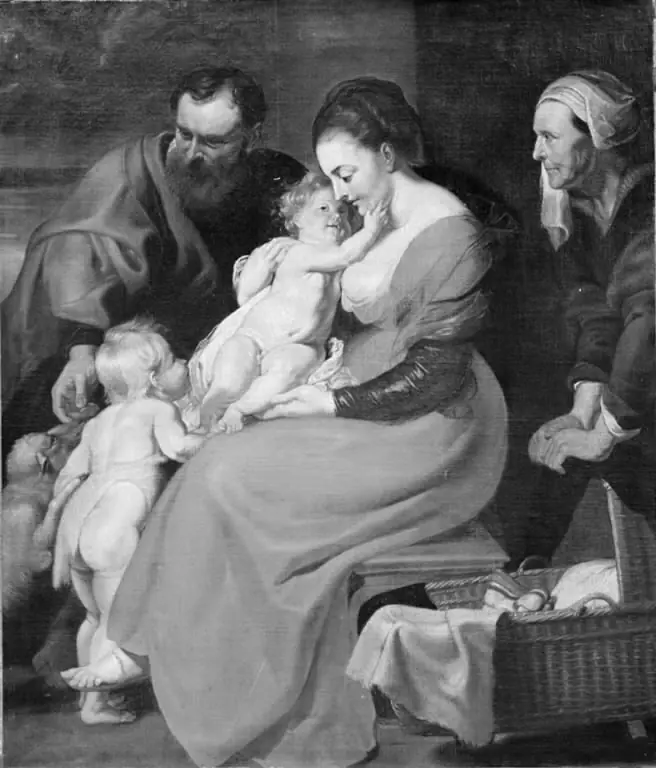 The holy family
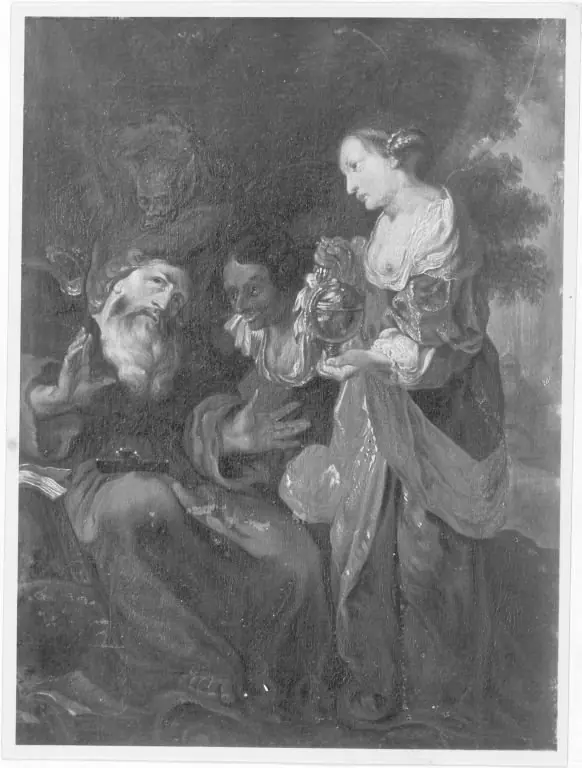 Versuchung des hl. Antonius (Werkstattkopie)