Artwork
Scenă de cruciadă
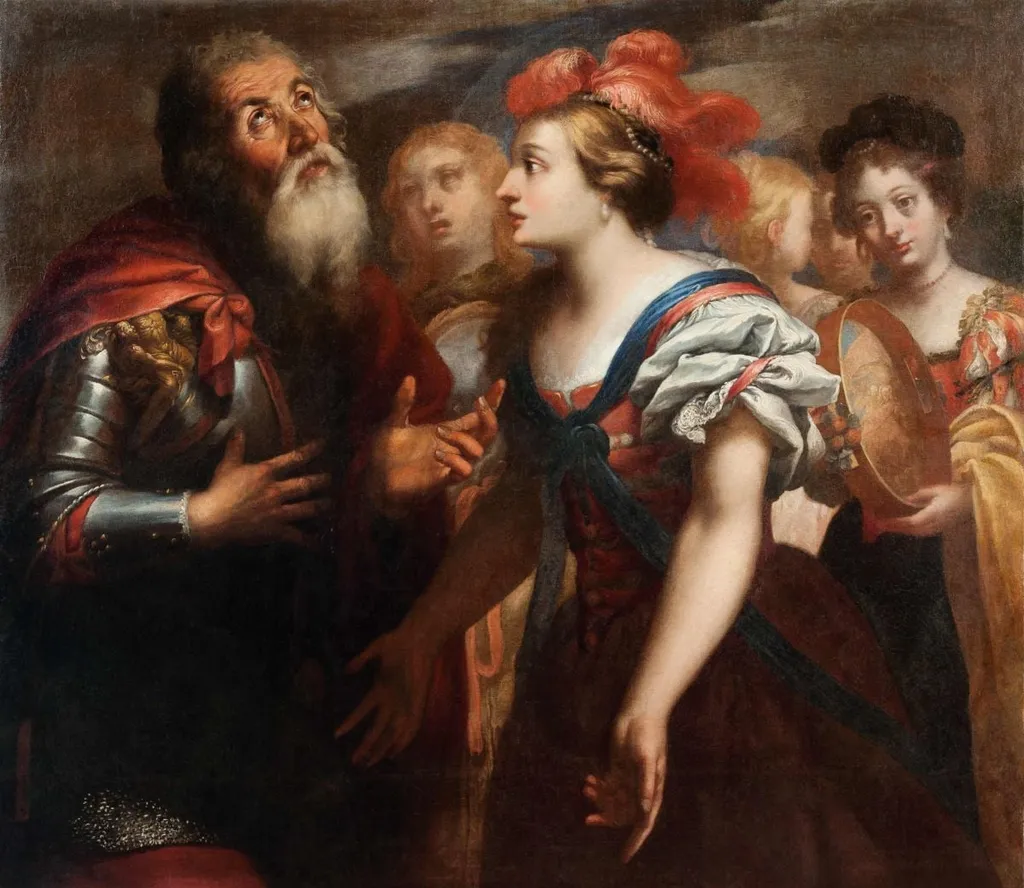
Scenă de cruciadă is a print by the Baroque artist Andrea Celesti. It dates from 1684 and is held in the collection of the National Museum of Art of Romania.
About this work
Overview
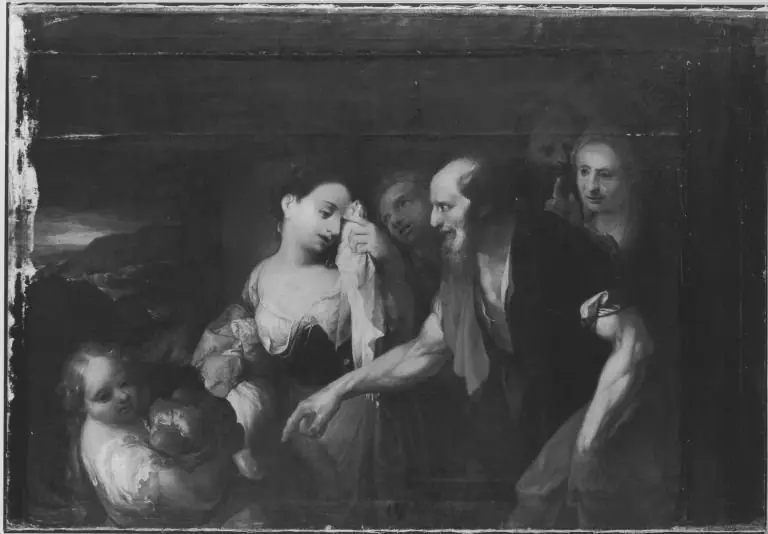
Painted around 1684 by Andrea Celesti, Scenă de cruciadă is a religiously charged composition depicting a moment of communal fervor during a crusade. The scene centers on a figure in red, likely a preacher or leader, addressing a group of followers. The work is held in the collection of the Museum of Ethnography, where it serves as a visual record of early modern spiritual mobilization.
Subject & Meaning
The painting portrays a moment of religious incitement, with the central figure delivering a call to arms or faith.
The painting portrays a moment of religious incitement, with the central figure delivering a call to arms or faith. The surrounding crowd, rendered with varied postures and expressions, suggests collective emotional response. Though labeled as a crusade scene, the imagery reflects broader themes of persuasion and devotion common in Counter-Reformation visual culture, emphasizing spiritual authority over military action.
Technique & Style
Celesti employs strong chiaroscuro to isolate the central figure against a deep, shadowy background of browns and blacks. The contrast heightens the figure’s presence and directs focus to their gesture and expression. Brushwork is controlled yet expressive, with attention to fabric folds and facial reactions, conveying psychological tension without overt theatricality.
History & Provenance
The painting was likely commissioned for a devotional or civic context in the late 17th century, possibly in Venice or the Veneto region, where Celesti was active. It entered the Museum of Ethnography’s collection in the 20th century, where its religious subject was recontextualized as an artifact of historical belief systems rather than a devotional object.
Context
Created during the waning years of the Crusading ideal, the work reflects how religious imagery continued to invoke crusading rhetoric for moral or political ends. In Catholic Europe, such scenes reinforced clerical authority and communal identity amid Protestant expansion and internal reform. Celesti’s depiction aligns with regional traditions of narrative religious painting.
Legacy
Though not widely reproduced, Scenă de cruciadă remains a significant example of Venetian Baroque religious imagery adapted to themes of collective action. Its preservation in an ethnographic museum underscores shifting scholarly interests—from sacred art to cultural expression—highlighting how visual narratives of faith were embedded in social life.
Artist & collection
Artist
Andrea Celesti (1637–1712) was an Italian painter of the Baroque period, working in Venice. His style gravitated over the years from a turgid and academic weightiness to a lighter, looser brushstroke.

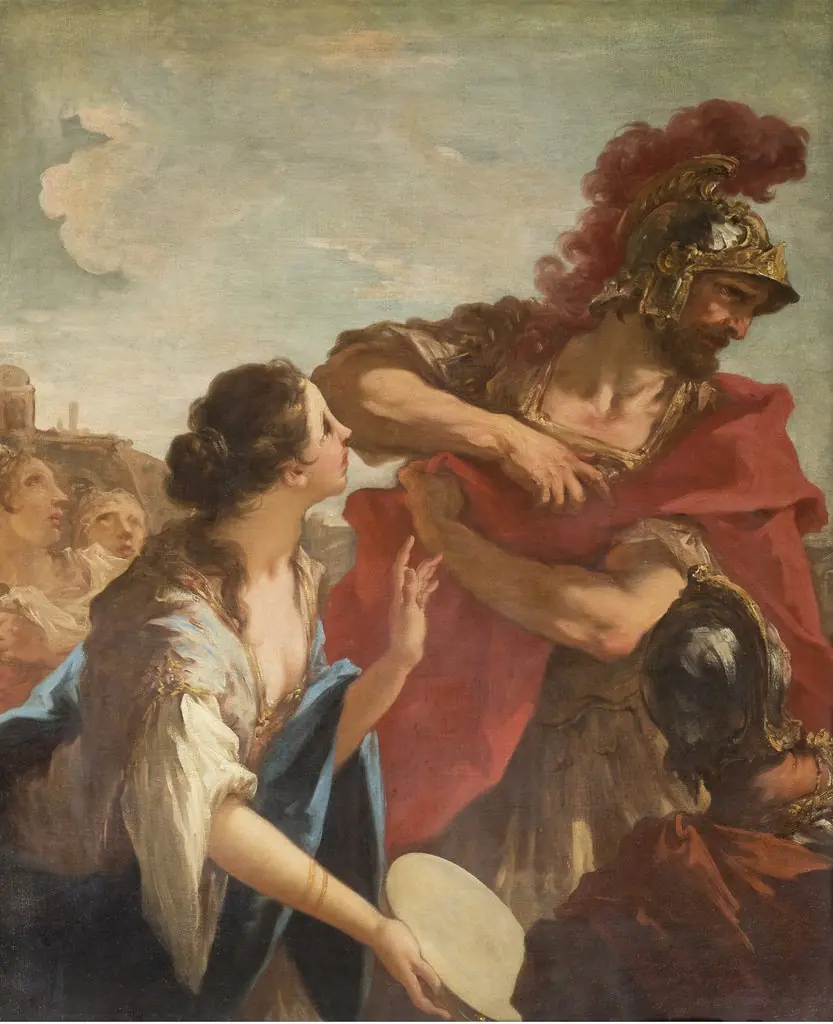 Jephthah returning from Battle is greeted by his Daughter
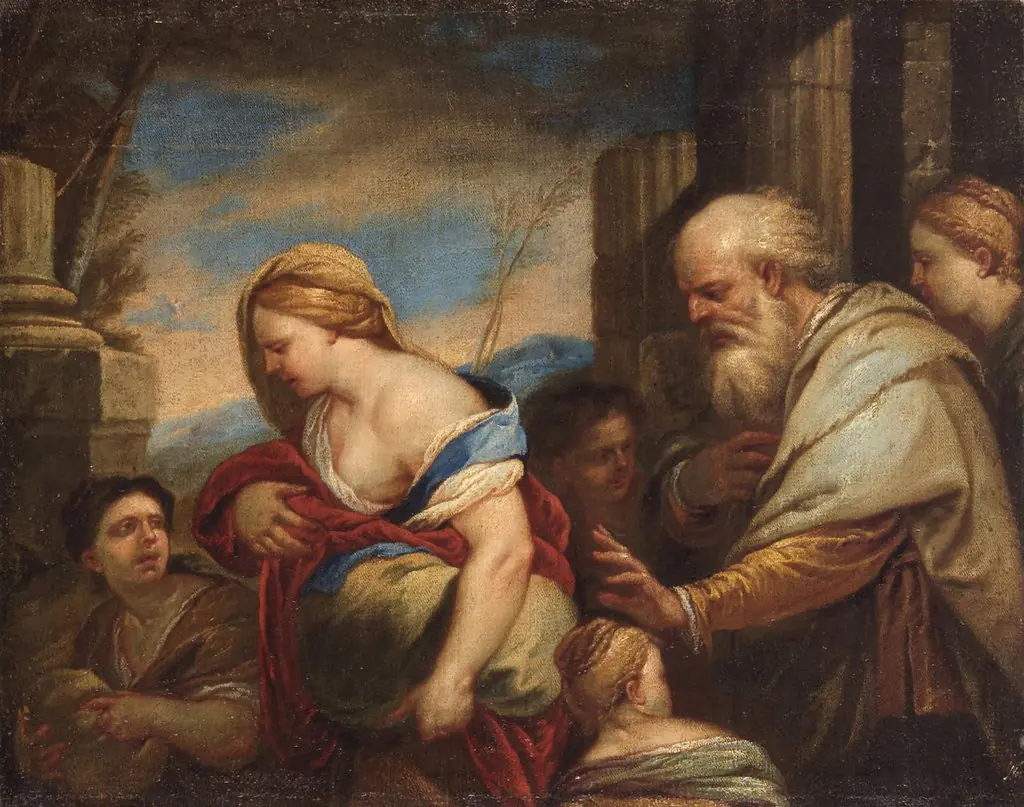 Expulsion of Hagar by Abraham
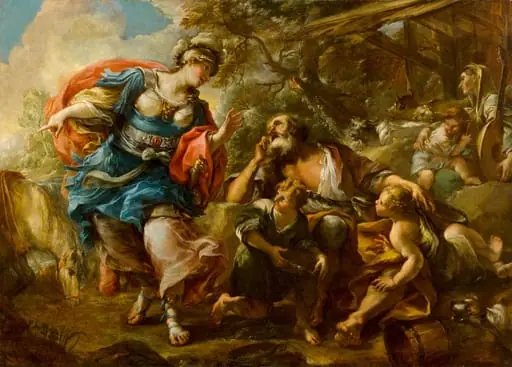 Erminia ja paimenet
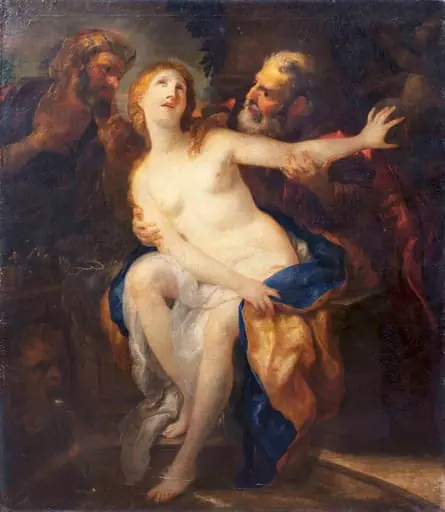 Suzana și cei doi bătrâni
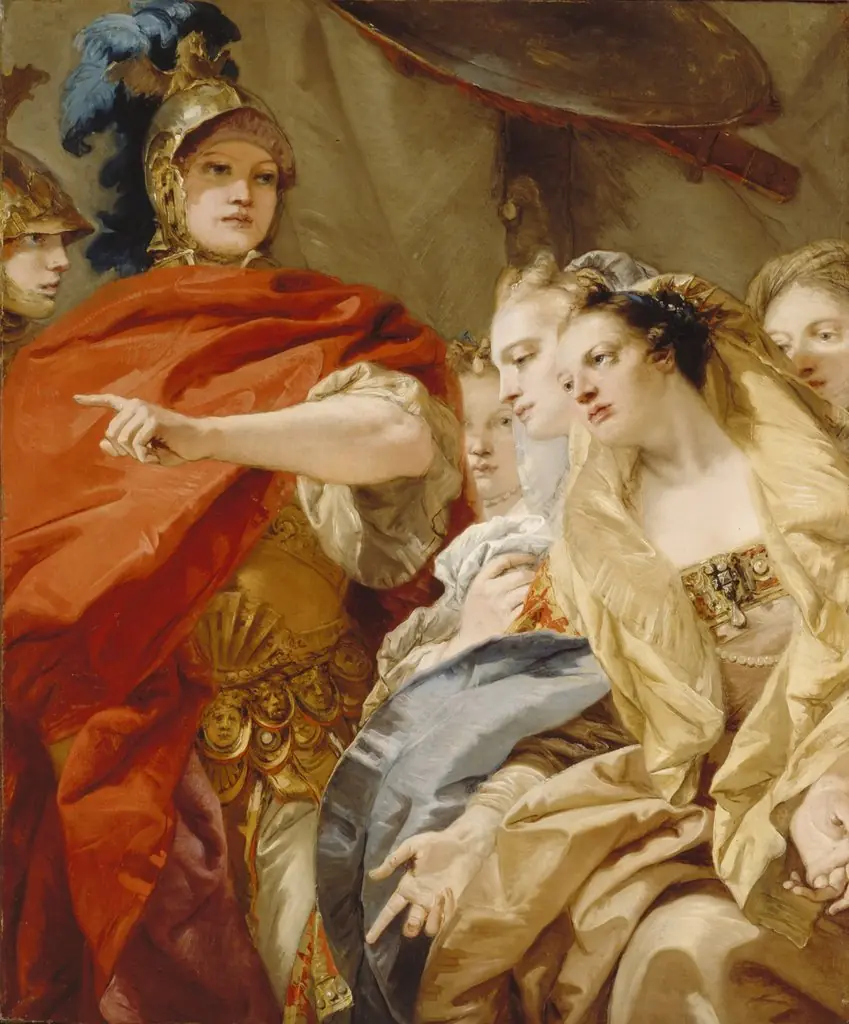 The Women of Darius Invoking the Clemency of Alexander
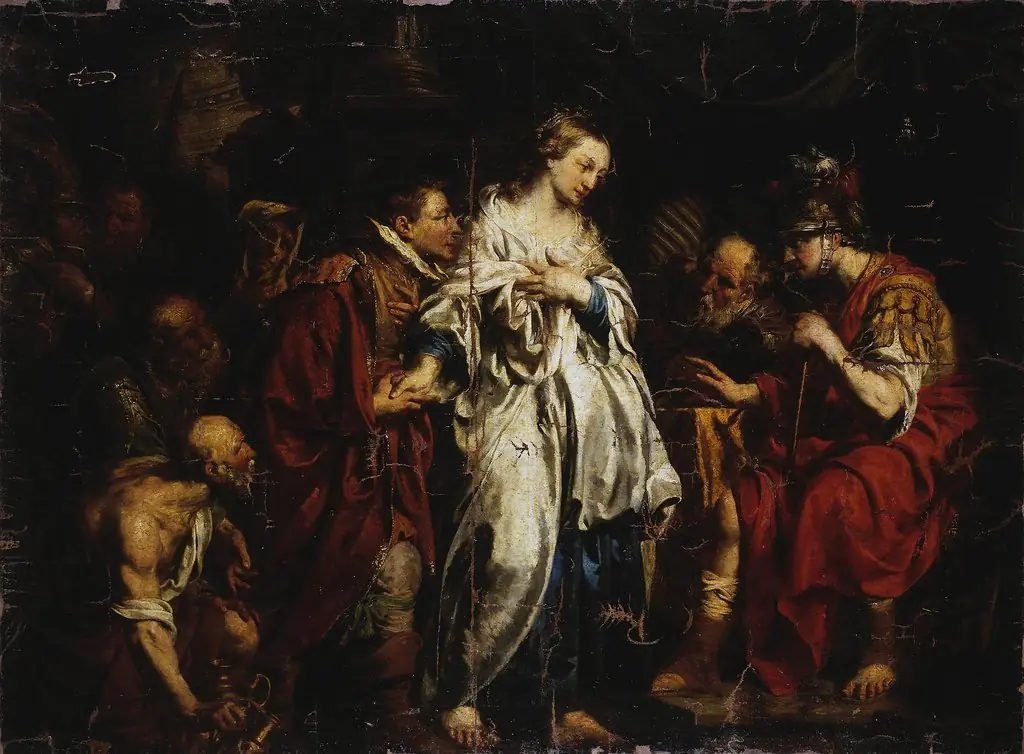 Magnanimity of Scipio Africanus
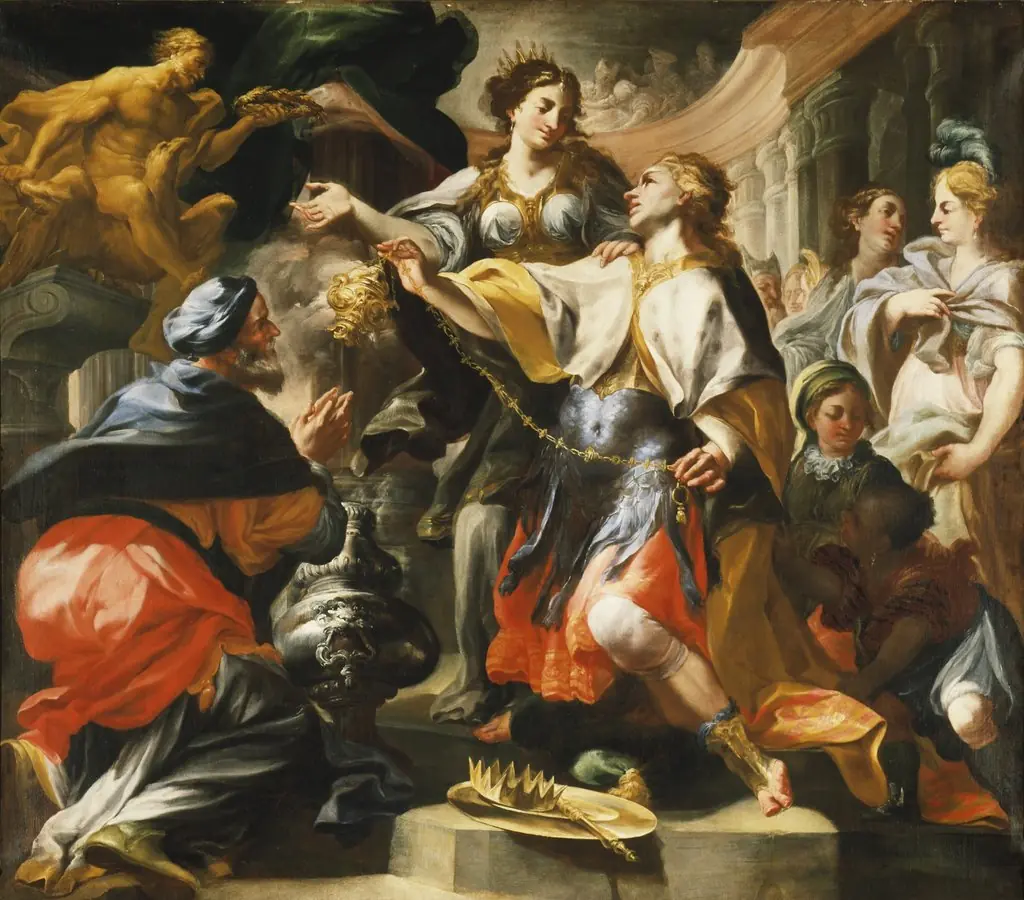 Solomon Worshiping a Pagan God
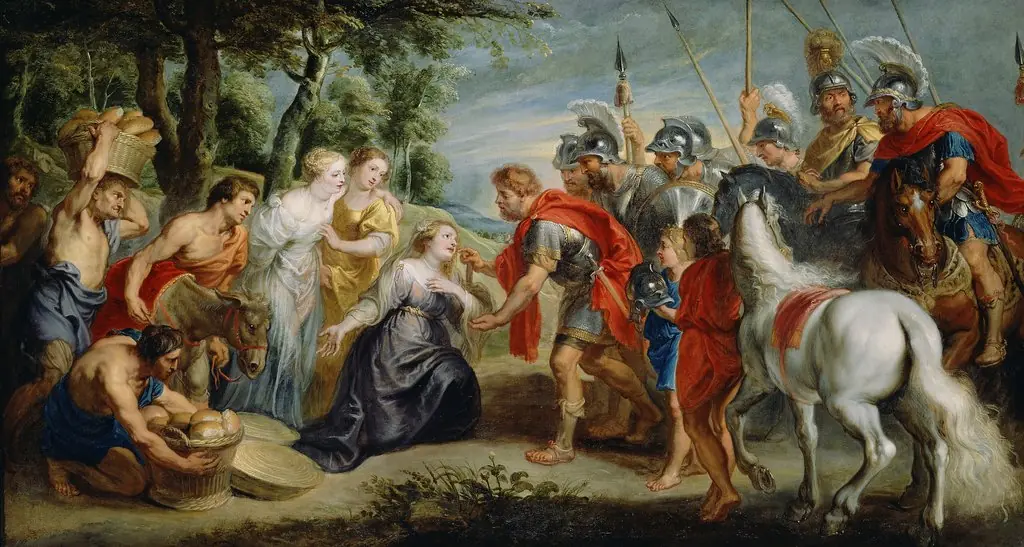 David Meeting Abigail
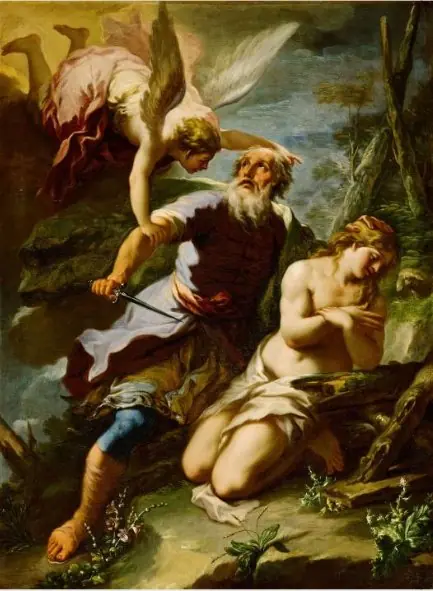 Isaac's offering
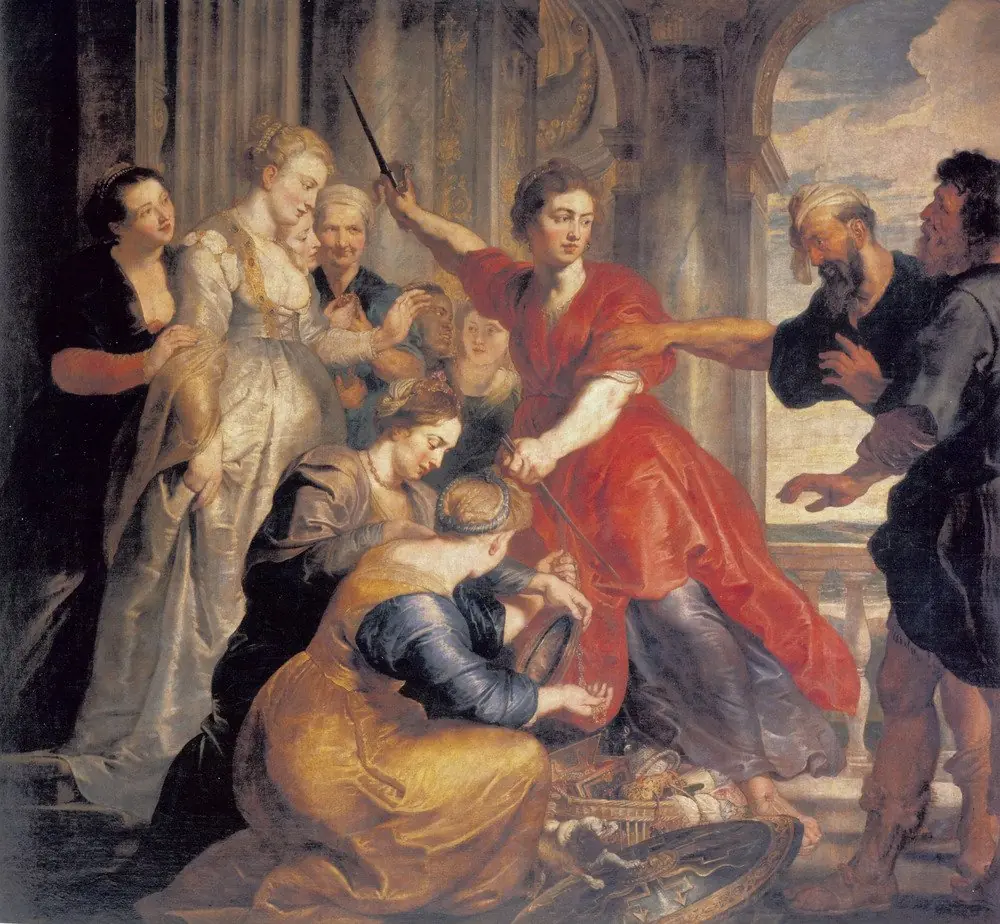 Achilles discovered by Ulysses and Diomedes
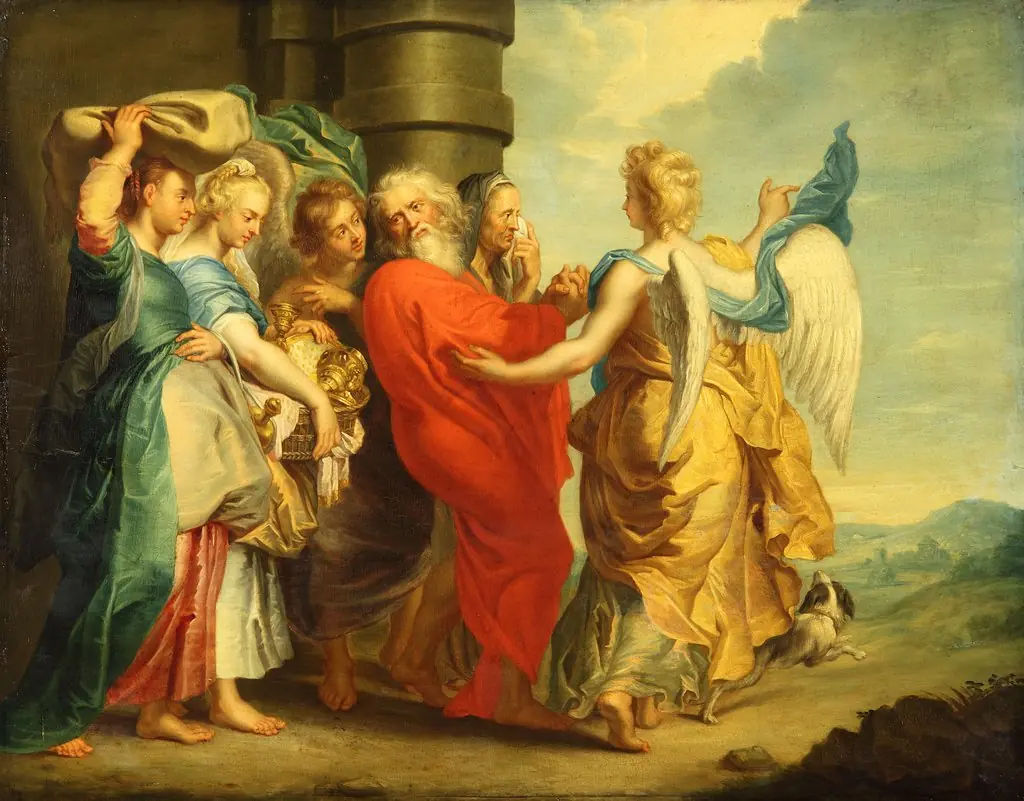 Flight of Lot and his Daughters
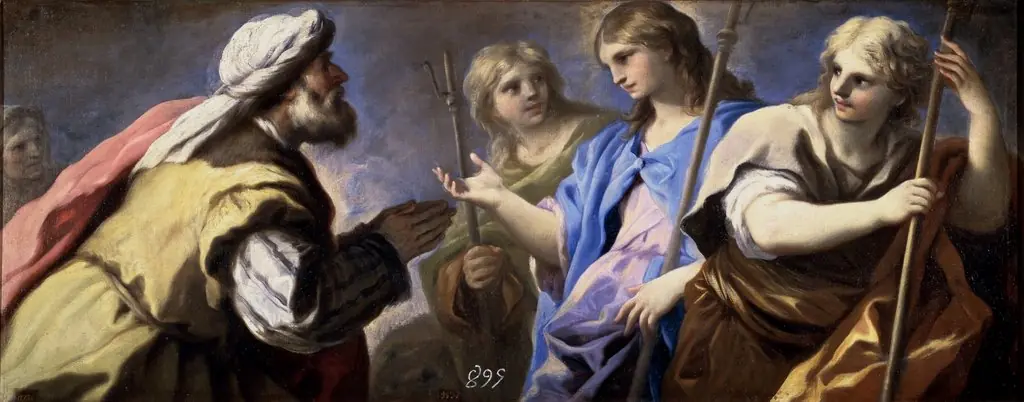 Abraham adorando a los tres ángeles