Artwork
Iarna
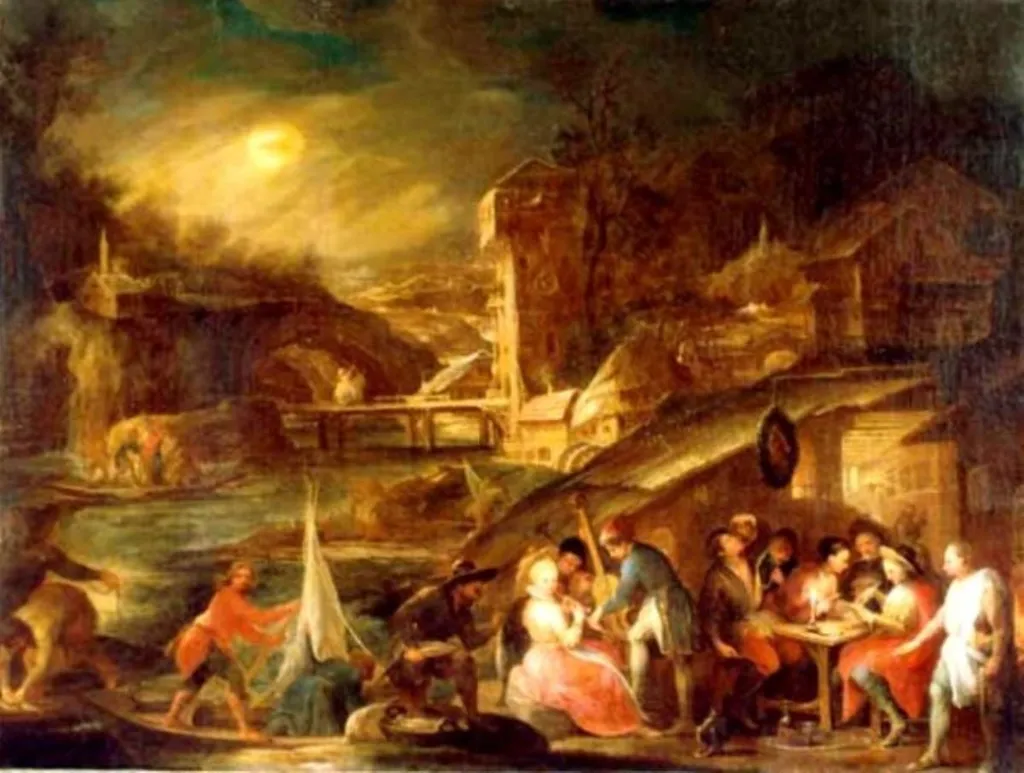
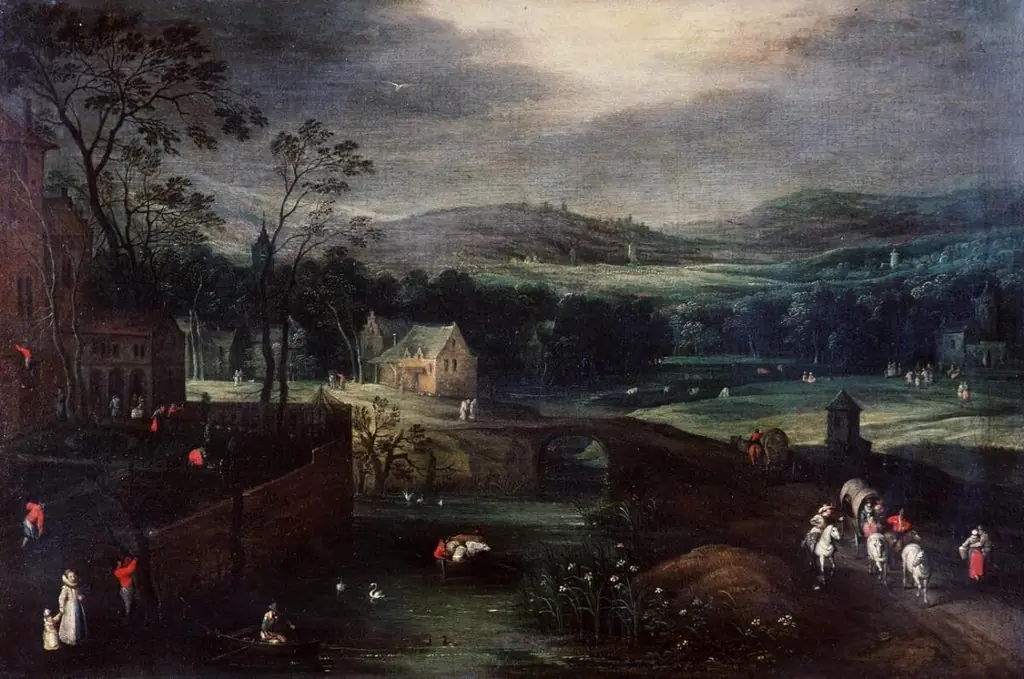
Iarna is an unspecified painting by the Byzantine icon painting artist Andrea Celesti. It dates from 1650 and is held in the collection of the Brukenthal National Museum.
About this work
Overview
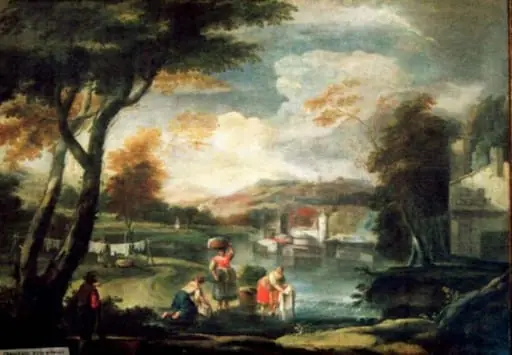
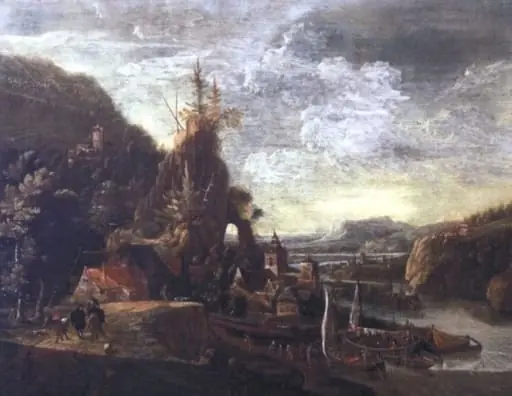
Painted around 1650 by Andrea Celesti, Iarna is a landscape depicting a coastal scene at twilight. The composition captures a moment of sudden disruption: figures on the shore react to an approaching storm, while a vessel sinks nearby and a cart lies overturned on the rocks. The atmosphere is charged with tension, conveyed through the interplay of fading daylight and gathering darkness.
Subject & Meaning
The painting portrays ordinary people caught in nature’s unpredictability. Their varied postures—some frozen, others in motion—suggest surprise and urgency. The half-sunken ship and overturned cart imply loss or misfortune, reinforcing a theme of human vulnerability against elemental forces. The scene resists narrative clarity, instead evoking a fleeting, visceral encounter with nature’s power.
Technique & Style
Celesti employs chiaroscuro to heighten emotional impact, contrasting the warm, smoky hues of the twilight sky with the deep silhouettes of figures and wreckage. Brushwork is loose yet deliberate, especially in the rendering of waves and clouds. The figures are rendered with minimal detail, emphasizing their role as elements within a larger, atmospheric drama rather than individualized subjects.
History & Provenance
Iarna is attributed to Andrea Celesti, a Venetian painter active in the mid-17th century. Little is documented about the painting’s early ownership, but its style aligns with Venetian landscape traditions of the period. It likely originated as a private commission or studio work, reflecting the era’s interest in dramatic natural scenes over mythological or religious subjects.
Context
In mid-17th century Venice, landscape painting was gaining traction as an independent genre, often blending observation with emotional resonance.
In mid-17th century Venice, landscape painting was gaining traction as an independent genre, often blending observation with emotional resonance. Celesti’s work reflects this shift, moving away from grand historical narratives toward intimate, atmospheric moments. The painting’s focus on weather and maritime peril may also echo contemporary concerns with sea travel, trade, and the unpredictability of life along the Adriatic coast.
Legacy
Iarna stands as an example of how Venetian artists began to explore mood and environment with increasing autonomy. While not widely exhibited or studied today, it contributes to a broader understanding of how light, weather, and human fragility were rendered in Italian painting before the rise of Romanticism. Its quiet intensity influenced later regional painters seeking emotional depth in natural scenes.
Artist & collection
Artist
Andrea Celesti (1637–1712) was an Italian painter of the Baroque period, working in Venice. His style gravitated over the years from a turgid and academic weightiness to a lighter, looser brushstroke.