Artwork
Primăvara
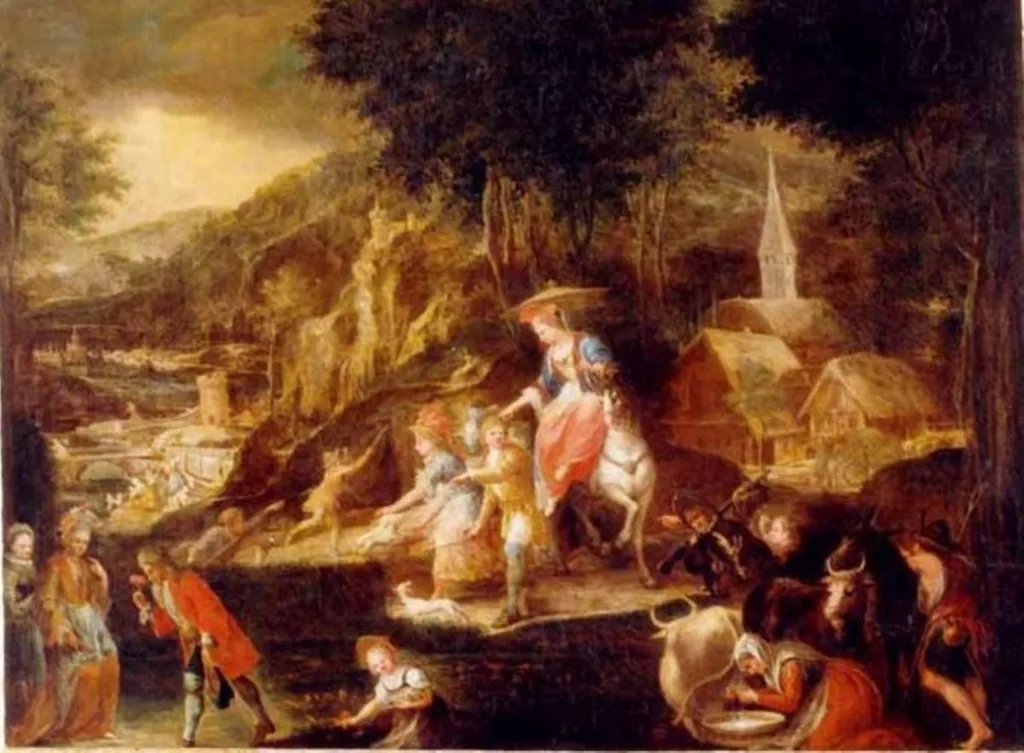
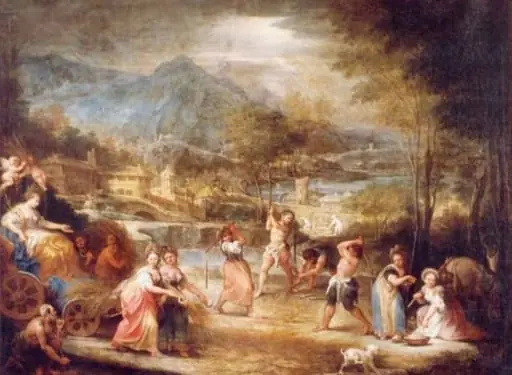
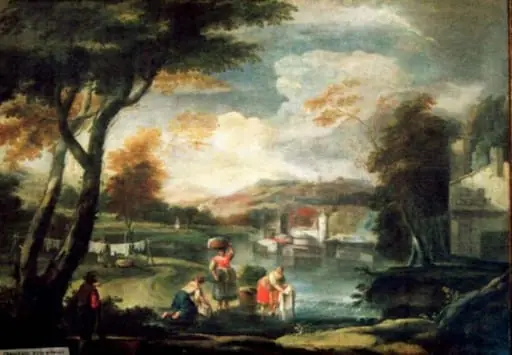
Primăvara is an unspecified painting by the Impressionist artist Andrea Celesti. It dates from 1650 and is held in the collection of the Brukenthal National Museum.
About this work
Overview
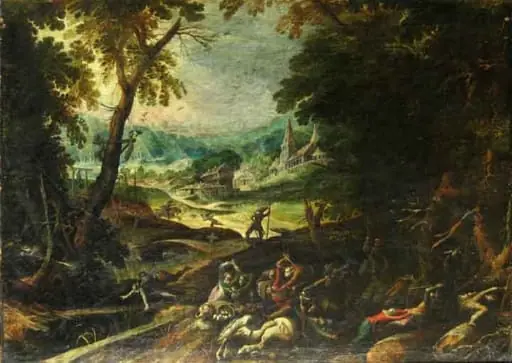
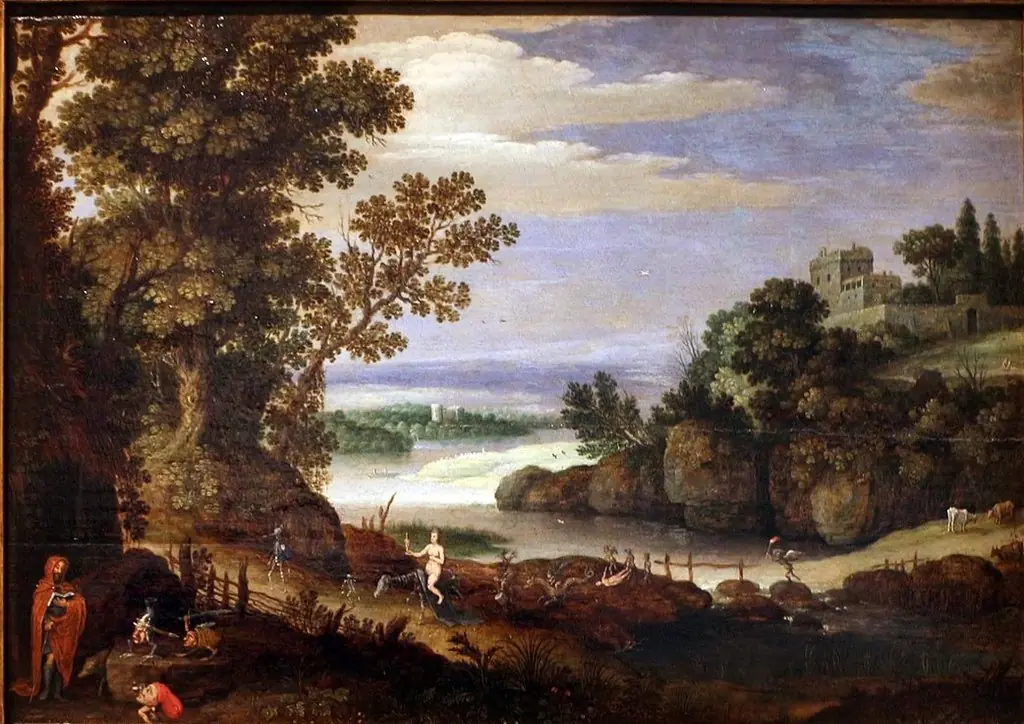
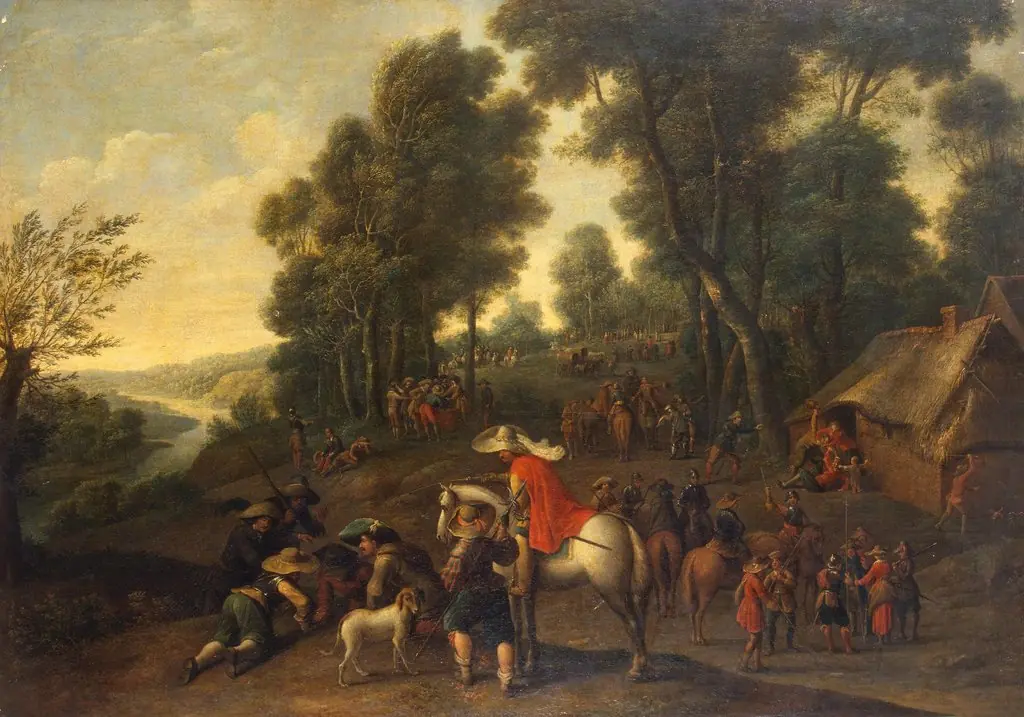
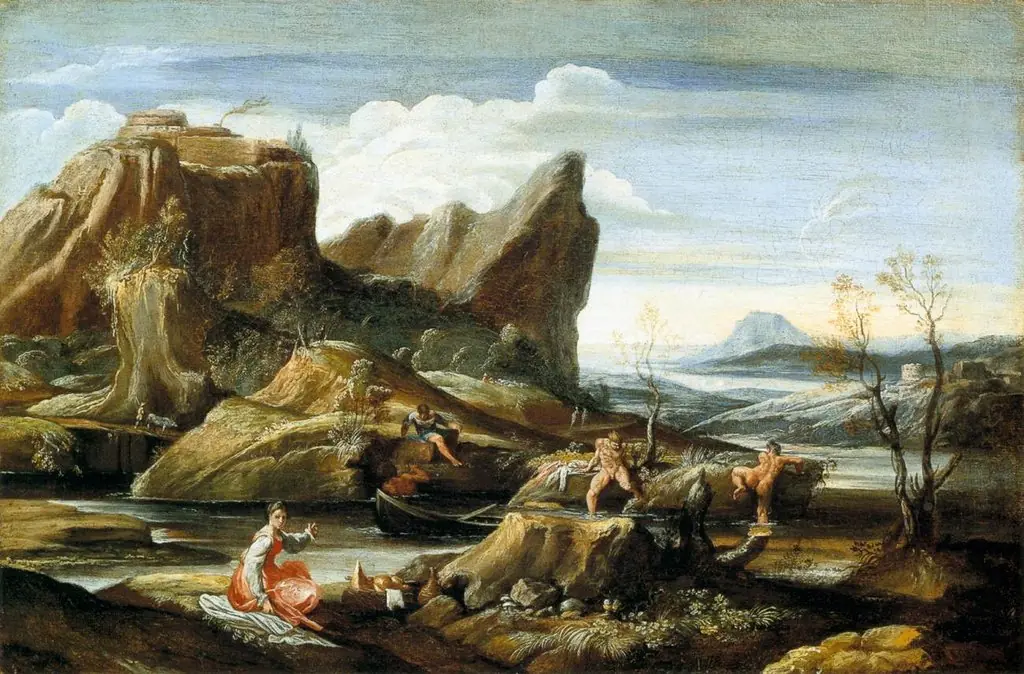
Primăvara, dated around 1650, is a landscape painting by Andrea Celesti that captures a moment of sudden motion amid a rural setting. The composition centers on a woman on a white horse, surrounded by figures in flight and rearing animals. The scene unfolds beneath a sky that casts sharp light across the terrain, emphasizing movement and tension rather than calm pastoral ideals.
Subject & Meaning
The painting depicts an unexplained moment of panic—people scrambling, horses startled, and a central female figure seemingly guiding or fleeing the chaos.
The painting depicts an unexplained moment of panic—people scrambling, horses startled, and a central female figure seemingly guiding or fleeing the chaos. The identity of the event is ambiguous, but the focus on a lone woman on horseback suggests a figure of authority or urgency. The absence of clear narrative clues invites interpretation, perhaps reflecting themes of disruption or divine intervention in everyday life.
Technique & Style
Celesti employs chiaroscuro to heighten emotional intensity, contrasting deep shadows with sudden bursts of light on clothing, skin, and horseflesh. Warm earth tones dominate the palette, punctuated by vivid reds and yellows in garments and banners. The brushwork is energetic, with loose strokes defining motion, while the background remains softly rendered to push the drama forward.
History & Provenance
Primăvara is attributed to Andrea Celesti, a Venetian painter active in the mid-17th century, though its early ownership history is undocumented. It likely originated in northern Italy, possibly as part of a private collection tied to ecclesiastical or noble patrons. The work remained obscure until modern cataloging efforts brought it into scholarly attention.
Context
Created during a period when Venetian painting blended Baroque dynamism with regional traditions, Primăvara reflects a shift from serene landscapes to scenes charged with human emotion. While contemporaries like Titian and Tintoretto explored mythological drama, Celesti turned to rural unrest, suggesting a growing interest in everyday turmoil over classical allegory.
Legacy
Primăvara stands as a rare example of Celesti’s narrative landscape work, distinguishing him from more prolific peers. Though not widely reproduced or exhibited, it contributes to understanding how lesser-known artists adapted Baroque lighting and compositional energy to local subjects. Its ambiguity continues to invite scholarly discussion on emotion in 17th-century Italian genre scenes.
Artist & collection
Artist
Andrea Celesti (1637–1712) was an Italian painter of the Baroque period, working in Venice. His style gravitated over the years from a turgid and academic weightiness to a lighter, looser brushstroke.