Artwork
Self-portrait
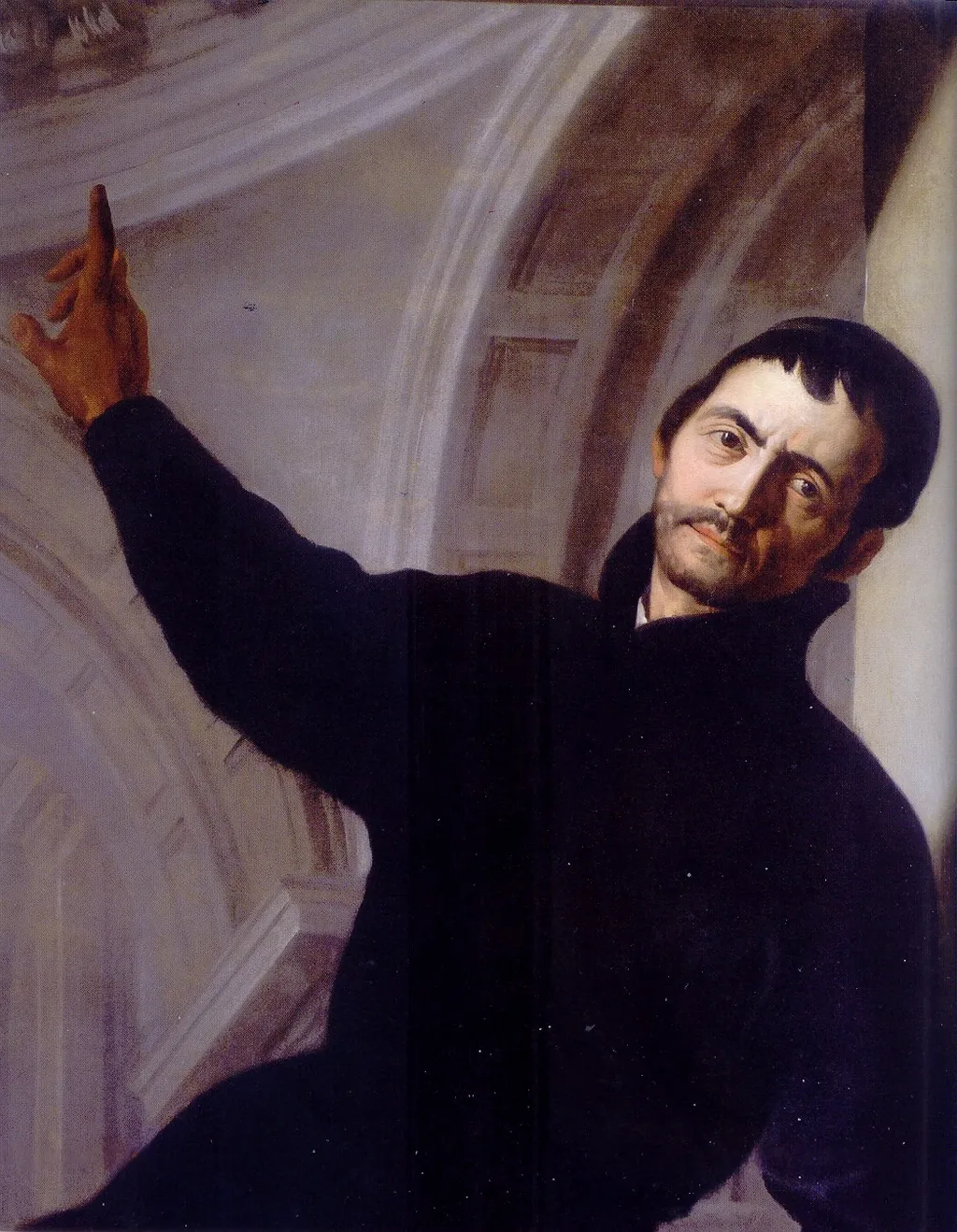
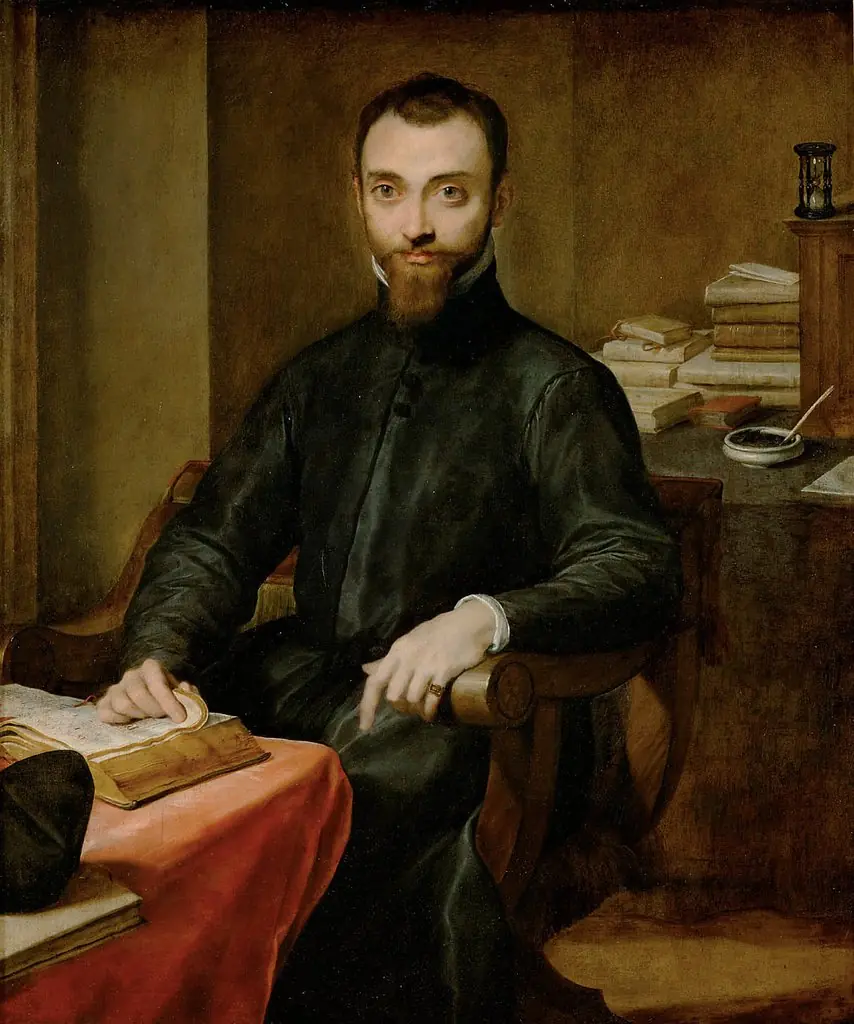
Self-portrait is an oil painting by the Barbizon school artist Andrea Pozzo. It dates from 1694 and is held in the collection of the Uffizi Gallery.
About this work
Overview
The painting is part of the Uffizi Gallery’s collection, reflecting its significance in documenting the personal presence of a major Baroque figure.
Andrea Pozzo painted his self-portrait in 1694 using oil on canvas. Though primarily celebrated for his monumental ceiling frescoes, this intimate work reveals a quieter side of the Jesuit artist. It captures him in monastic attire, gesturing upward, against a plain architectural backdrop. The painting is part of the Uffizi Gallery’s collection, reflecting its significance in documenting the personal presence of a major Baroque figure.
Subject & Meaning
Pozzo depicts himself in a dark robe, his right hand raised toward an unseen celestial source, suggesting devotion or intellectual aspiration. The gesture aligns with Jesuit ideals of spiritual orientation and divine inspiration. The plain wall and arched opening frame him without distraction, emphasizing introspection over display. This is not a display of status, but a quiet assertion of identity as both artist and religious man.
Technique & Style
Pozzo employs chiaroscuro to model his face and hand with subtle gradations of light and shadow, lending volume and presence against the pale wall. The brushwork is controlled, avoiding theatricality despite his mastery of illusionistic perspective in frescoes. The composition is restrained, focusing on tonal harmony rather than dramatic flair, revealing his skill in translating architectural precision into portraiture.
History & Provenance
The painting entered the Uffizi Gallery’s collection in the 18th century, likely through Medici or Jesuit channels. Its survival is notable, as Pozzo’s large-scale works were more frequently documented. Unlike his public commissions, this portrait remained private, possibly kept within Jesuit circles before institutional acquisition. No early inventories confirm its immediate post-creation history.
Context
Pozzo worked during the height of the Baroque, a period when art served both aesthetic and didactic ends, especially within the Catholic Church. As a Jesuit, his artistic practice was intertwined with religious mission. While contemporaries like Caravaggio used chiaroscuro for emotional intensity, Pozzo’s approach here is meditative, reflecting the quiet discipline of his order and his role as an educator of visual theology.
Legacy
Though Pozzo’s architectural illusions overshadowed his smaller works, this self-portrait endures as a rare personal record. It offers insight into how a leading Baroque artist viewed himself—not as a celebrity, but as a servant of faith and art. The painting contributes to broader studies of Jesuit visual culture and the quiet self-representation of religious artists in early modern Europe.
Artist & collection
Artist
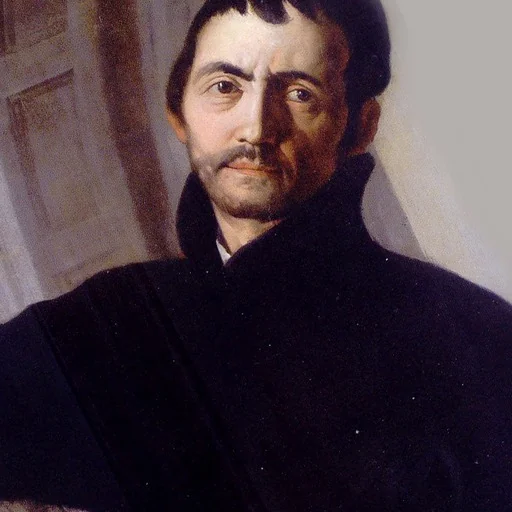
Andrea Pozzo (Italian: ; Latinized version: Andreas Puteus; 30 November 1642 – 31 August 1709) was an Italian Jesuit brother, Baroque painter, architect, decorator, stage designer, and art theoretician.

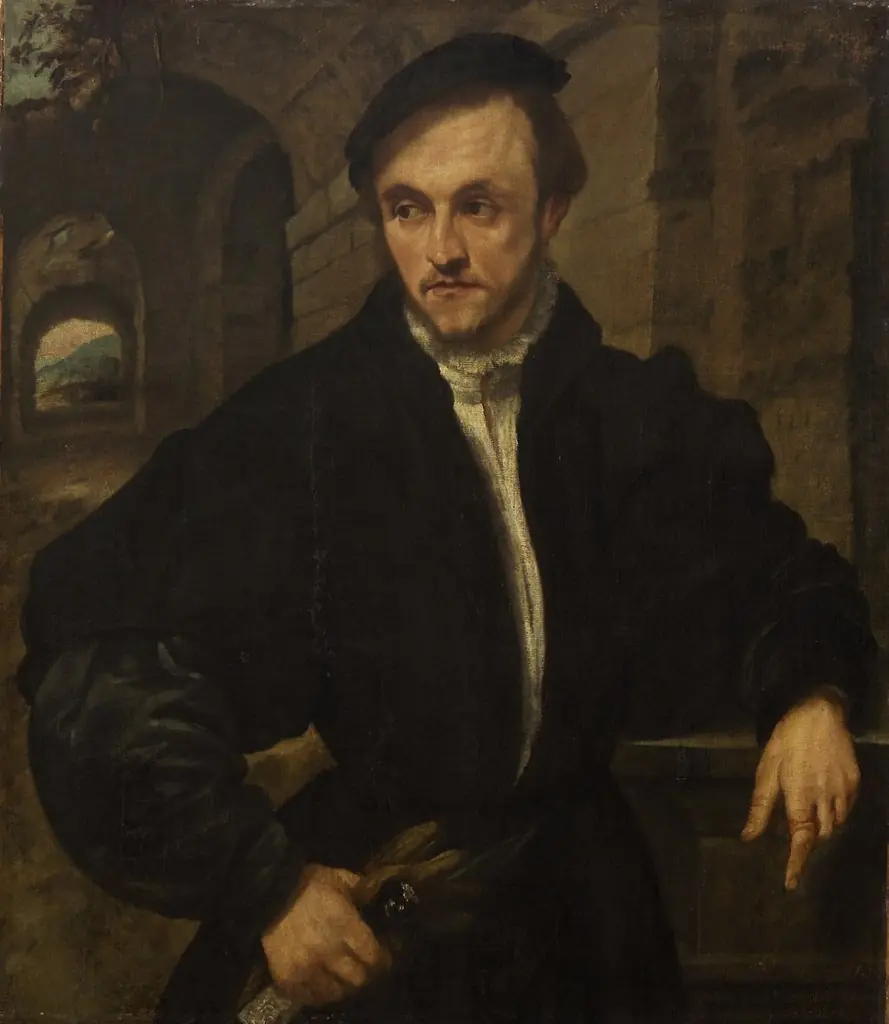 Bildnis eines Mannes vor antiker Gewölbearchitektur
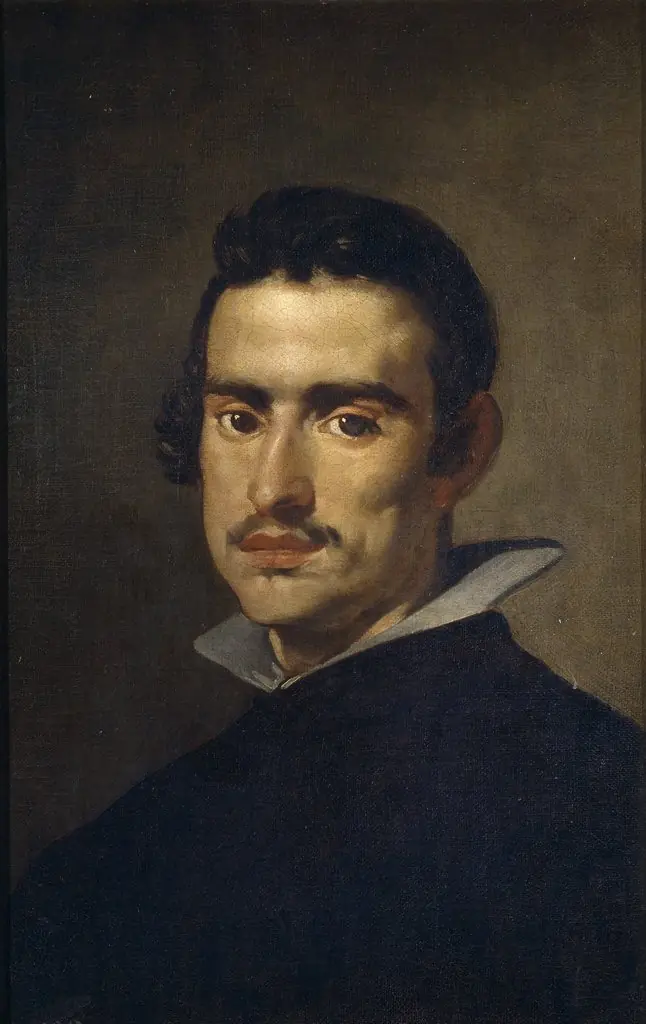 Portrait of a Man
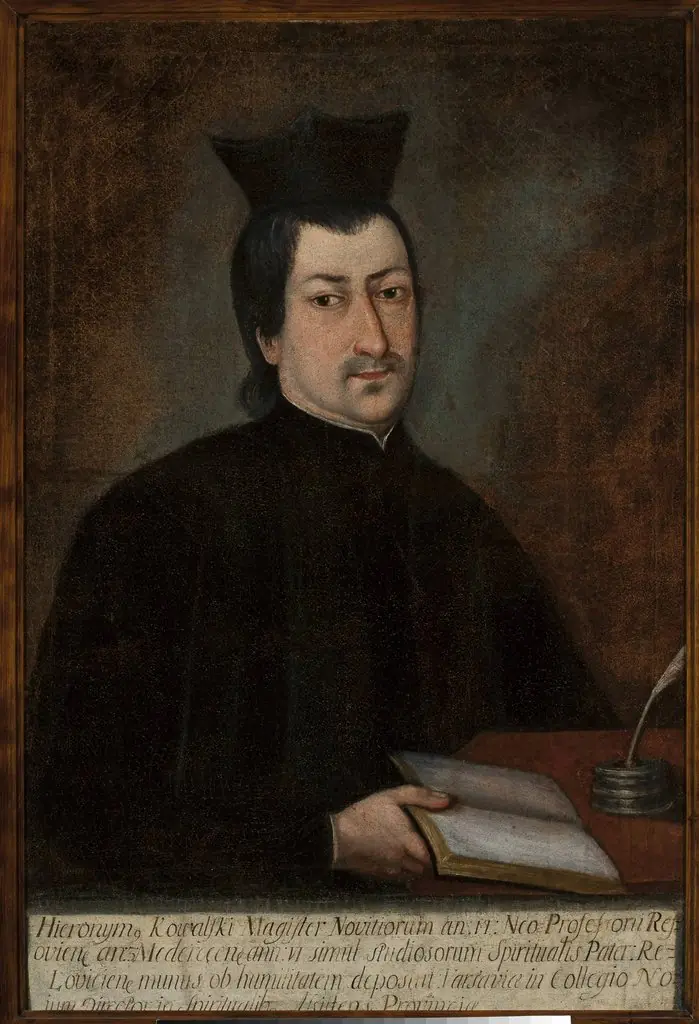 Portrait of Hieronim Kowalski
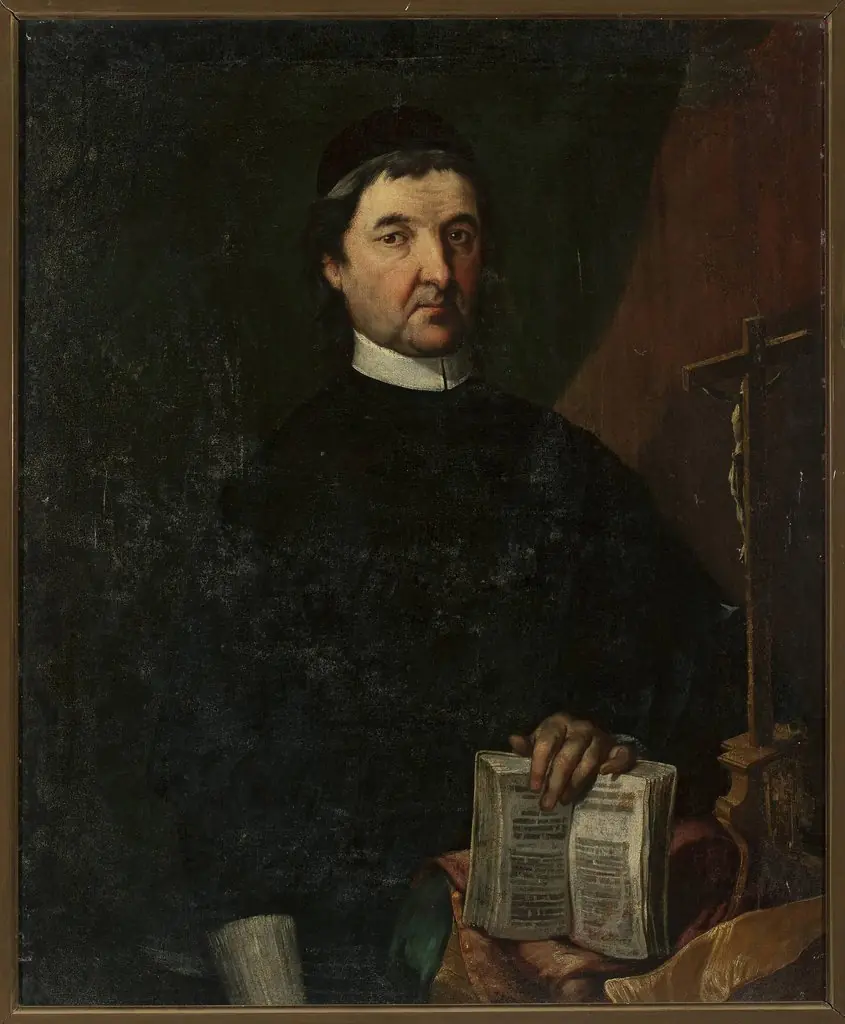 Portrait of a priest (Piarist?)
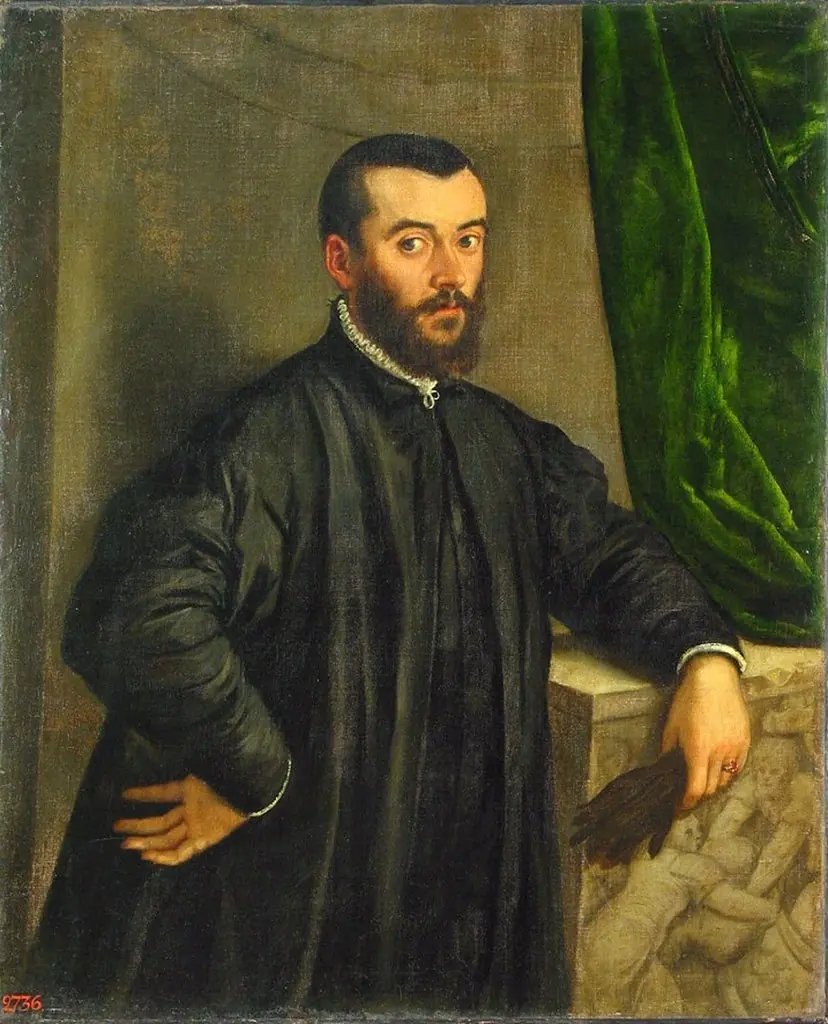 Portrait of a Man Dressed in Black
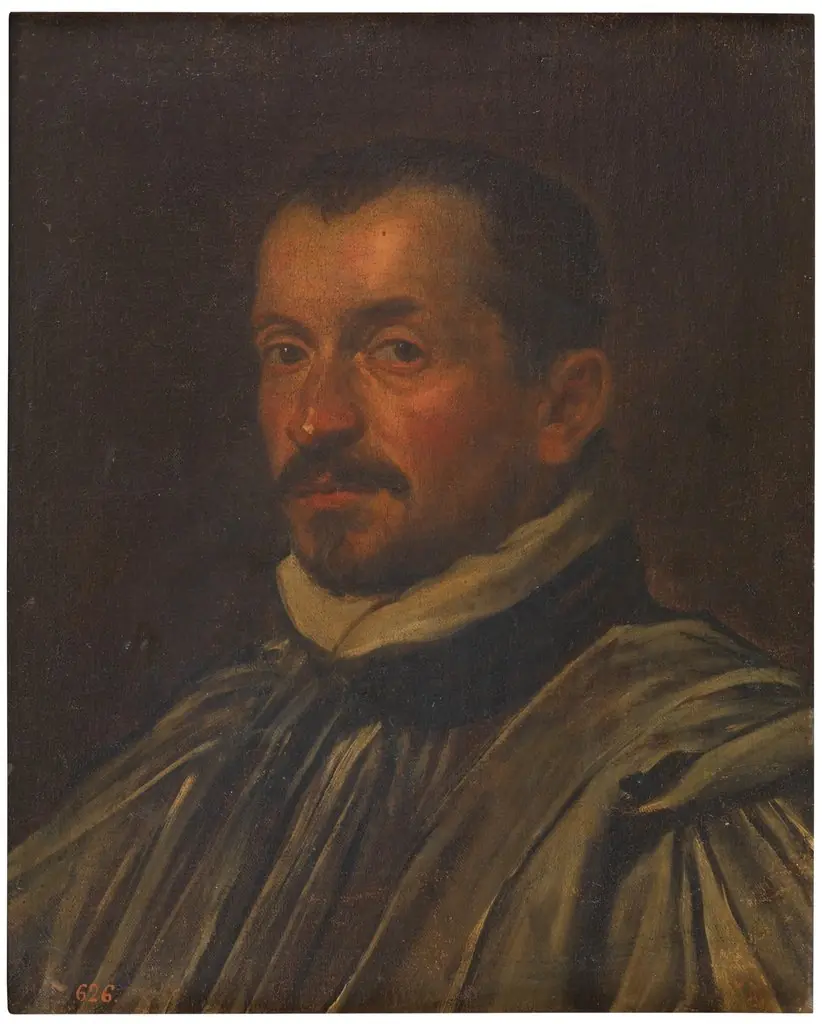 A Venetian Magistrate
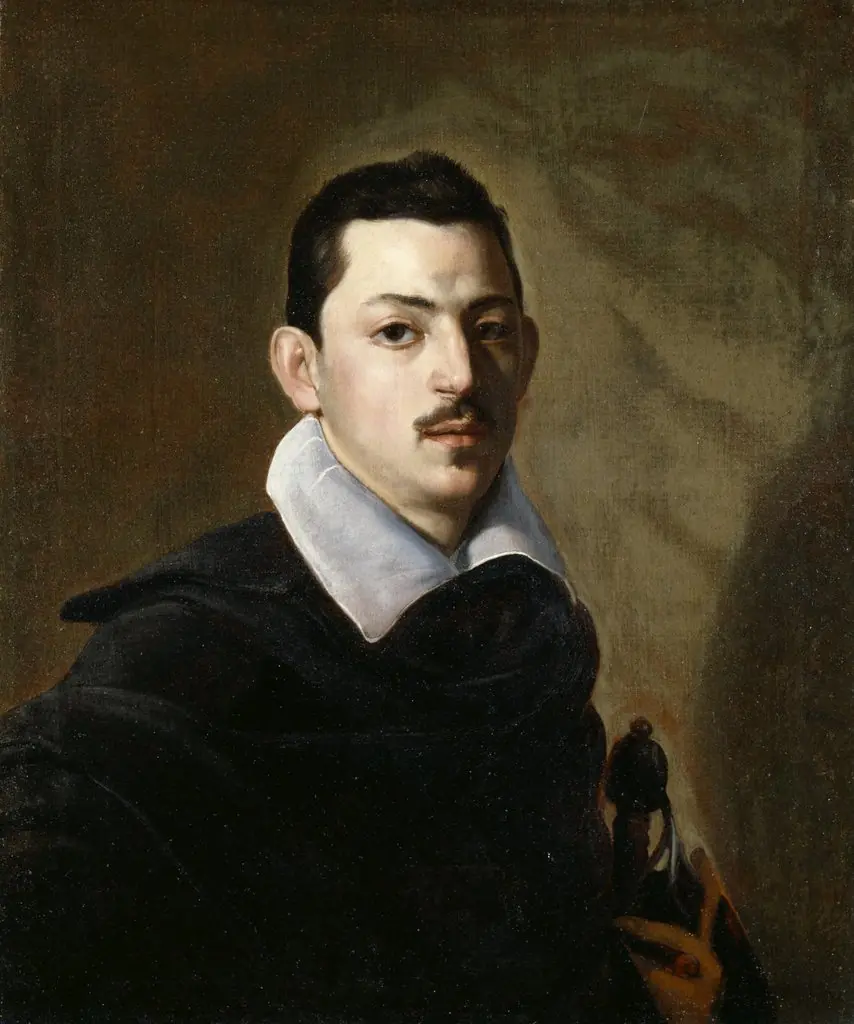 Portrait of a Young Man with a Sword
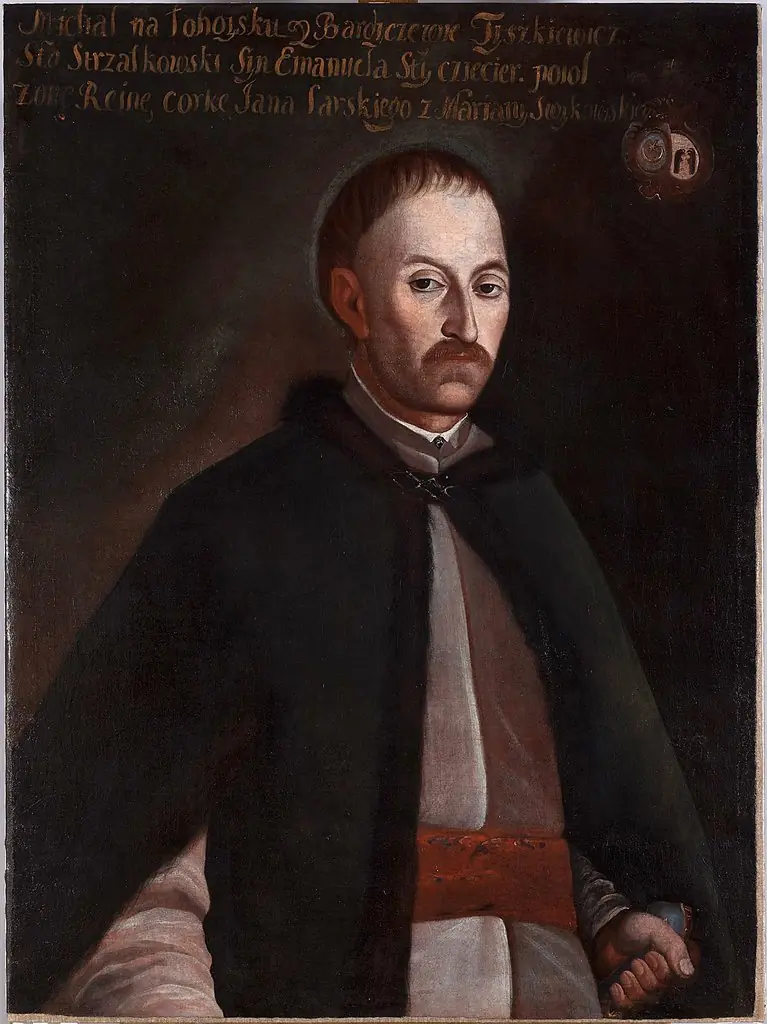 Portrait of Michał Tyszkiewicz, Leliwa coat of arms (?–after 1762), starosta of Strzałków
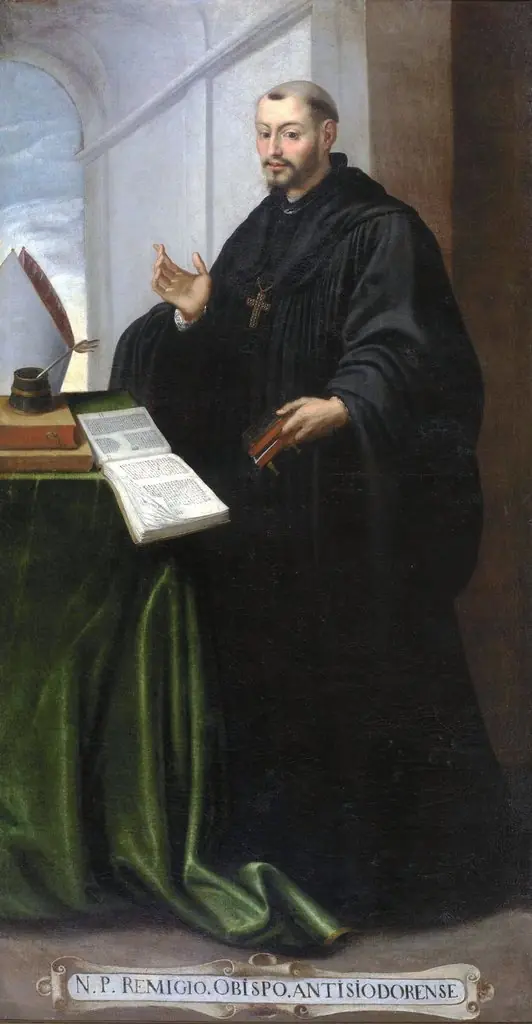 El padre Remigio
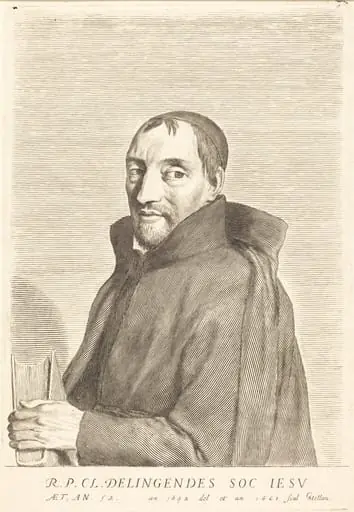 Claude de Lingendes
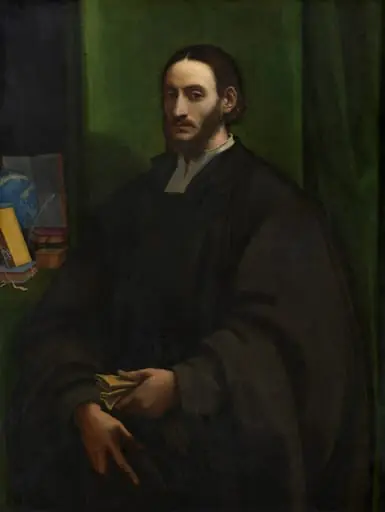 Portrait of a Humanist
 Ritratto di monsignor Giuliano della Rovere