Artwork
A Baldachin with a Painting of the Annunciation
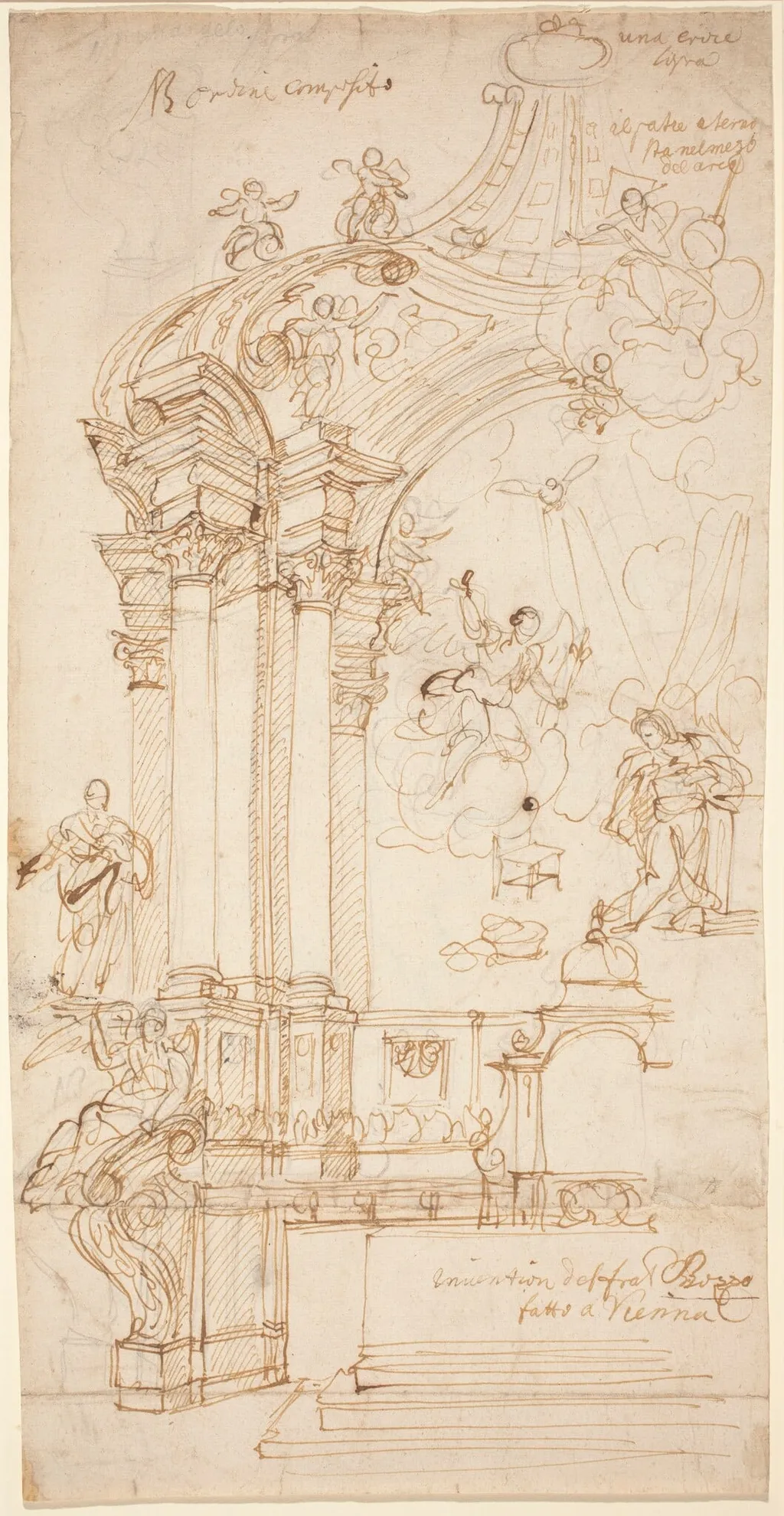
A Baldachin with a Painting of the Annunciation is an ink drawing by the Baroque artist Andrea Pozzo. It dates from 1708 and is held in the collection of the National Gallery of Art.
About this work
This artwork is titled A Baldachin with a Painting of the Annunciation.
It was created by Andrea Pozzo between 1685 and 1690, but the exact date of this piece is around 1708 or later.
The artist used pen and brown ink over graphite on paper to create it.
You can learn more about this style by looking into the movement: Baroque.
Overview
This drawing by Andrea Pozzo depicts a ceremonial baldachin framing a depiction of the Annunciation. Executed in pen and brown ink over graphite, the work spans two joined sheets of laid paper. Pozzo, a Jesuit lay brother, integrated his expertise in painting, architecture, and stage design to create compositions that merged structural and decorative elements within a religious framework.
Subject & Meaning
The drawing centers on a baldachin—a canopy symbolizing reverence—encasing a scene of the Annunciation, where the angel Gabriel announces to the Virgin Mary that she will bear Christ. Pozzo’s composition reflects the Baroque emphasis on dramatic religious narrative, using architectural elements to elevate the spiritual significance of the moment.
Technique & Style
The linear clarity and structured composition are characteristic of Baroque draftsmanship, emphasizing both ornamentation and spatial harmony.
Pozzo employed precise penwork over graphite underdrawing to define intricate architectural details and perspectival depth. His use of quadratura—a technique blending painting and architecture—creates the illusion of three-dimensional space on a flat surface. The linear clarity and structured composition are characteristic of Baroque draftsmanship, emphasizing both ornamentation and spatial harmony.
History & Provenance
Created around 1708, this drawing likely served as a preparatory study or design proposal for a larger architectural or decorative project. Pozzo’s works often functioned as models for frescoes, altarpieces, or stage sets. The joined sheets suggest it was conceived as a cohesive composition rather than a fragmentary sketch, though its early ownership and exhibition history remain undocumented.
Context
As a Jesuit artist, Pozzo operated within the Counter-Reformation’s demand for visually compelling religious art. His designs for churches and theatrical productions aimed to immerse viewers in sacred or allegorical narratives. This drawing exemplifies the Baroque fusion of art and architecture, where illusionistic techniques reinforced the emotional and spiritual impact of religious imagery.
Legacy
Pozzo’s influence extended beyond Italy, shaping Baroque design principles across Europe. His treatise *Perspectiva Pictorum et Architectorum* (1693–1700) codified his methods, ensuring their adoption by later artists and architects. This drawing, while modest in scale, embodies his broader contribution to the integration of painting, architecture, and theatricality in the service of religious expression.
Artist & collection
Artist
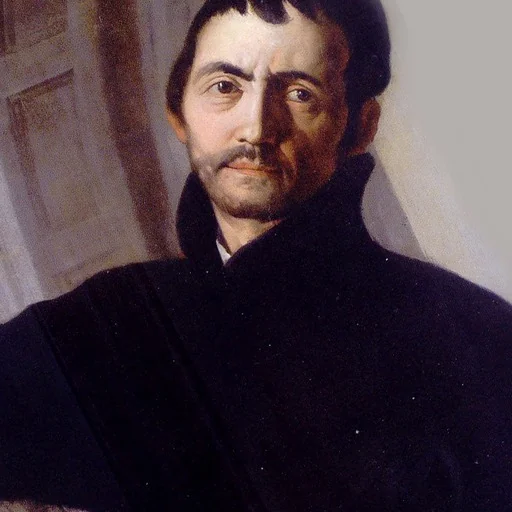
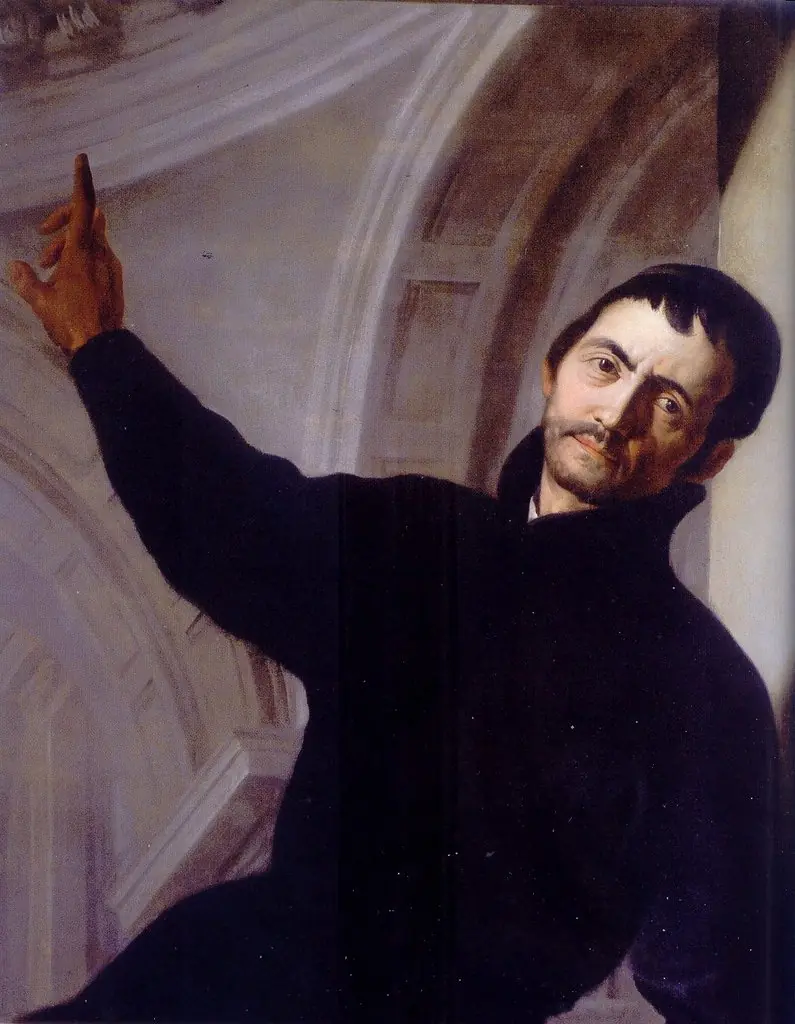
Andrea Pozzo (Italian: ; Latinized version: Andreas Puteus; 30 November 1642 – 31 August 1709) was an Italian Jesuit brother, Baroque painter, architect, decorator, stage designer, and art theoretician.

![Palatial Mantelpiece with a Scene of Ancient Sacrifice [recto], by Austrian 16th Century](https://artifactworldgallery.com/img/austrian-16th-century--palatial-mantelpiece-with-a-scene-of-ancient-sacrifice-recto--6818e7e0eb258b13-w320.webp) Palatial Mantelpiece with a Scene of Ancient Sacrifice [recto]
Palatial Mantelpiece with a Scene of Ancient Sacrifice [recto]![Presentation of the Virgin in the Temple [verso], by Antonio Zanchi](https://artifactworldgallery.com/img/antonio-zanchi--presentation-of-the-virgin-in-the-temple-verso--450080eaf8685583-w320.webp) Presentation of the Virgin in the Temple [verso]
Presentation of the Virgin in the Temple [verso]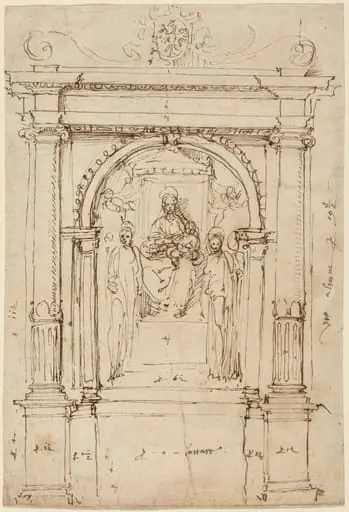 Altarpiece of the Madonna and Child with Saints, in Its Architectural Setting
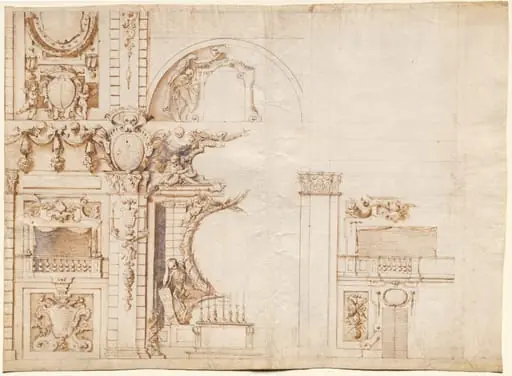 Study for the 'Essequie' Conducted in San Lorenzo, Florence, in 1637 in Honour of Holy Roman Emperor Ferdinand II
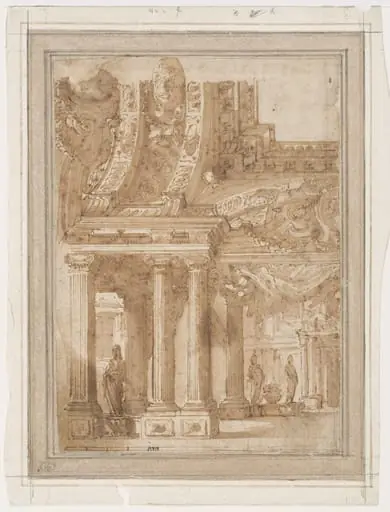 Untitled
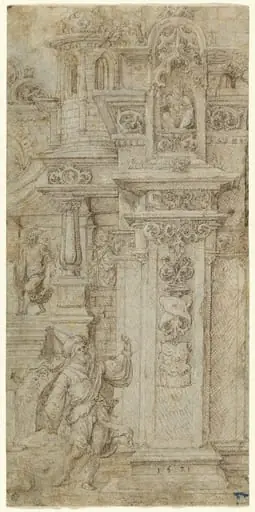 Two Kings and a Woman Leaving an Elaborate Palace
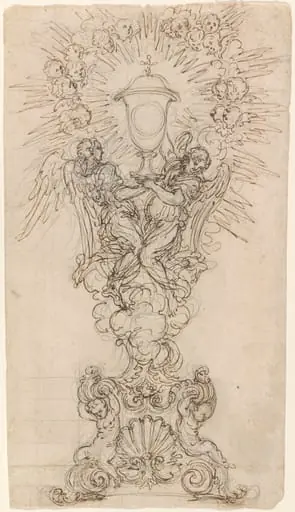 A Monstrance with Two Angels Supporting a Chalice
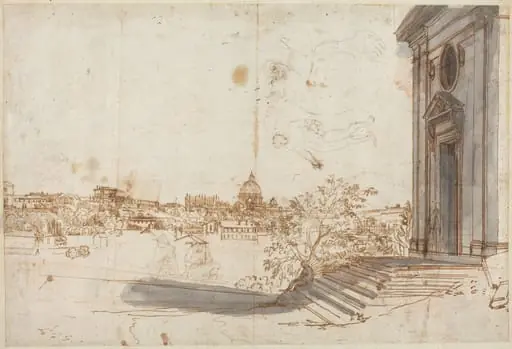 A View of Rome from Santa Maria del Priorato
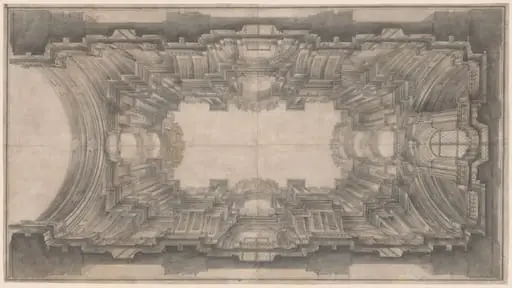
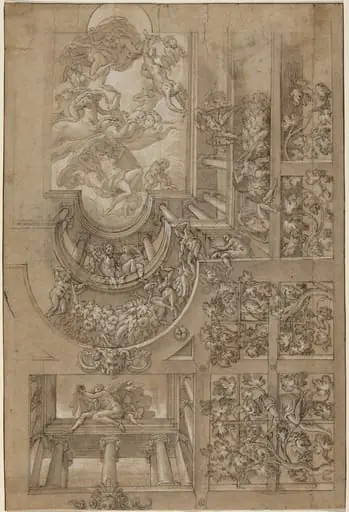 Illusionistic Ceiling with a Grape Arbor, Figures Poised on Galleries, and a Central Scene of Olympian Gods
![Wall Monument with an Armillary Sphere [verso], by German 16th Century](https://artifactworldgallery.com/img/german-16th-century--wall-monument-with-an-armillary-sphere-verso--431354c66321680d-w320.webp) Wall Monument with an Armillary Sphere [verso]
Wall Monument with an Armillary Sphere [verso]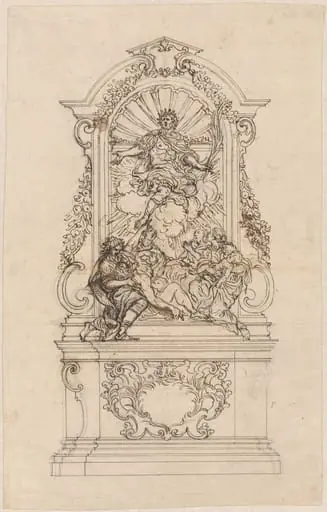 A Reliquary of Saint Sigismondo
 Studies for Small Bronzes with Classical Motifs