Artwork
Actrița Marcela Rusu
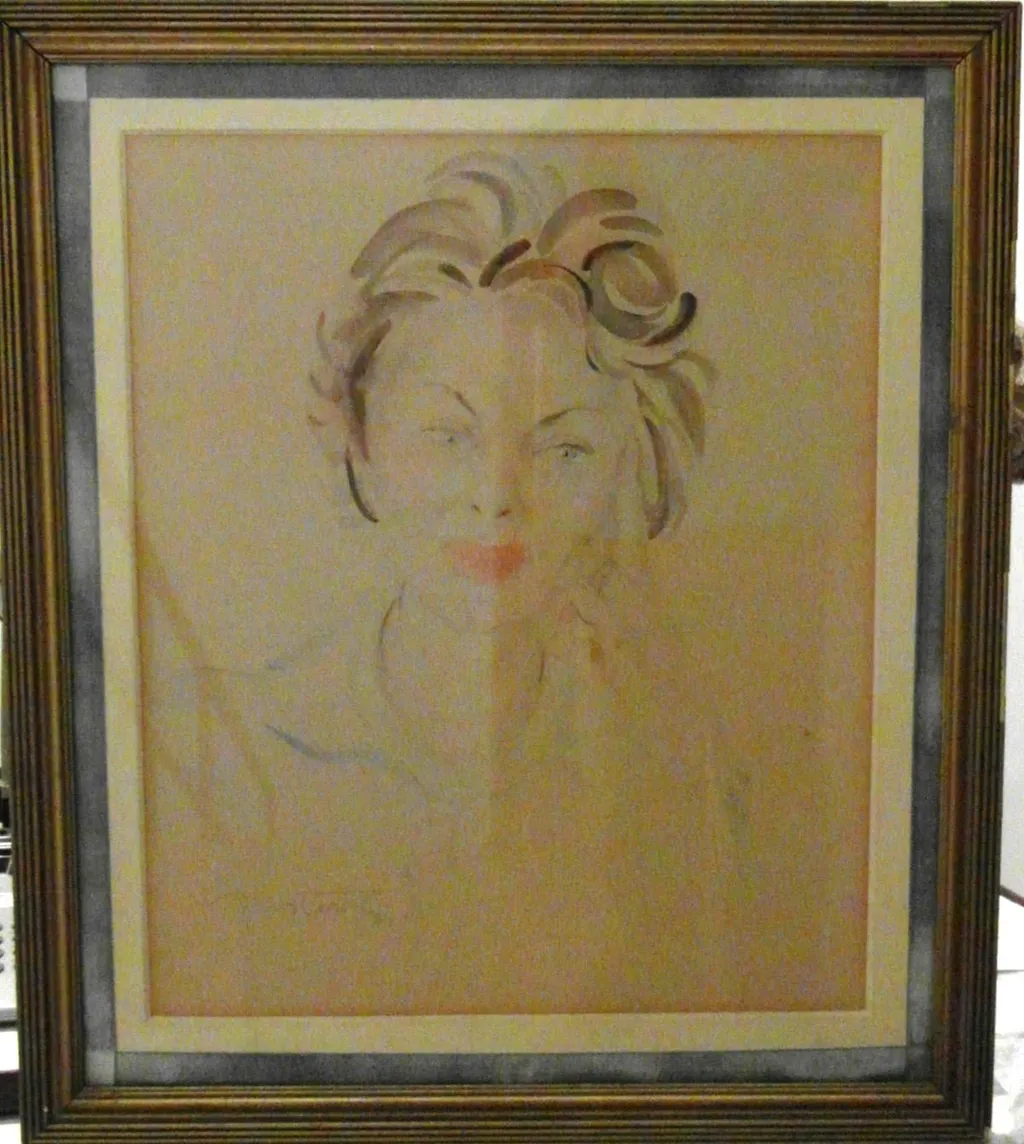
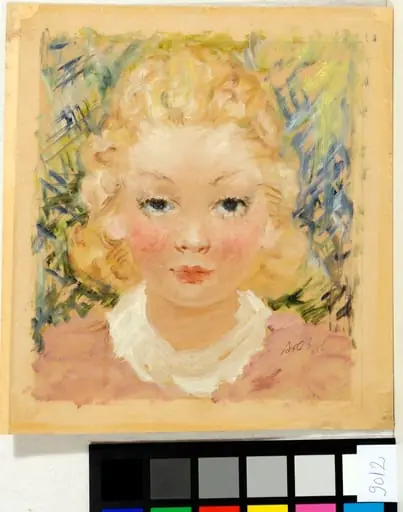
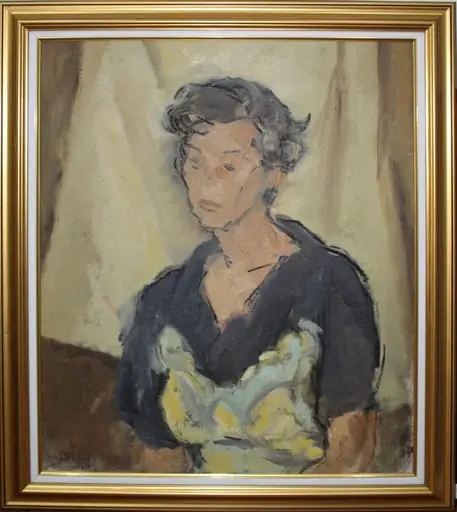
Actrița Marcela Rusu is an unspecified painting by Ion Valentin Anestin. It dates from 1956 and is held in the collection of the National Museum of Romanian History.
About this work
Overview
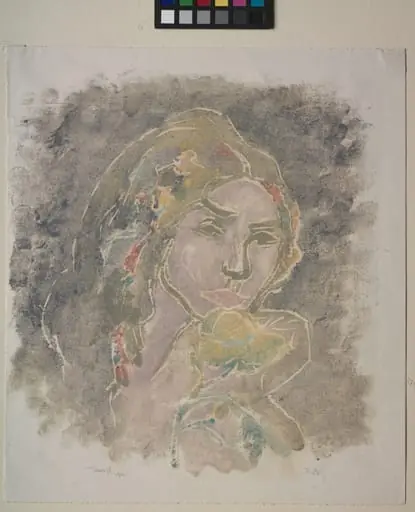
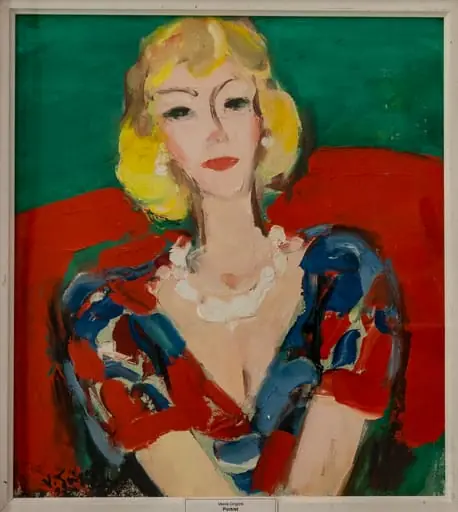
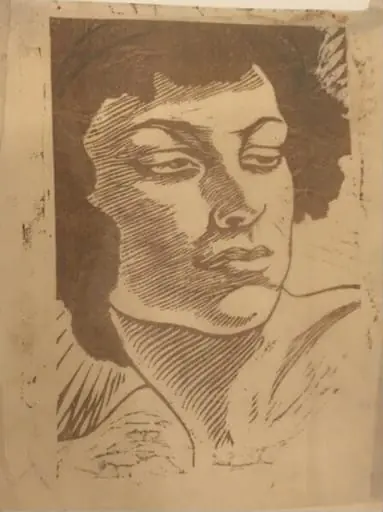
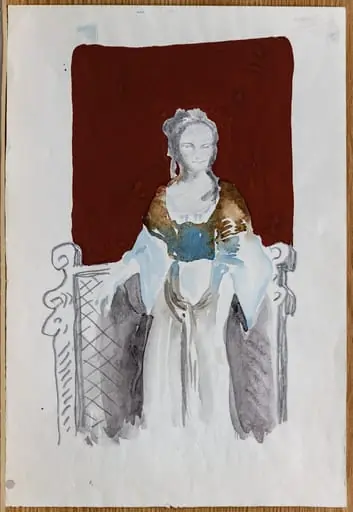
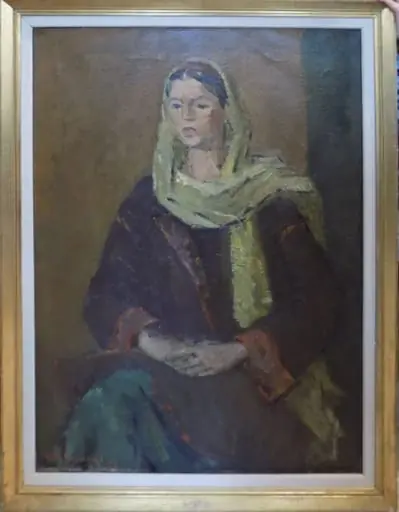
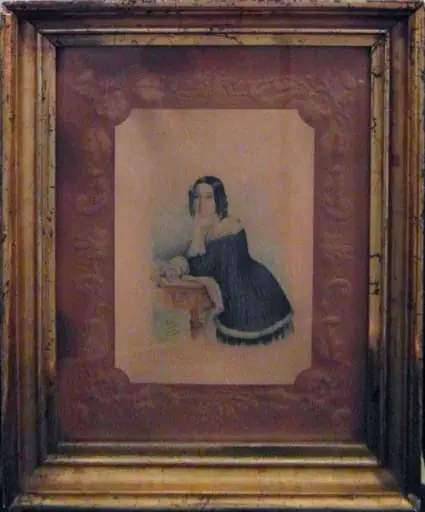
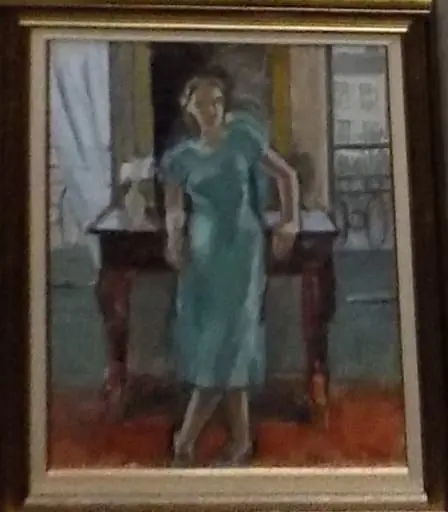
Painted around 1956 by Ion Valentin Anestin, this portrait captures the Romanian actress Marcela Rusu in a quiet, intimate moment. The composition centers on her face and upper shoulders, rendered with a softness that avoids harsh definition. The background is muted and unobtrusive, allowing the subject’s expression and texture to dominate the visual field.
Subject & Meaning
Marcela Rusu, a respected figure in Romanian theater, is portrayed not in performance but in stillness. The gentle blush on her cheeks and the relaxed turn of her head suggest a private, unguarded moment. The work conveys dignity and calm rather than theatricality, emphasizing her humanity over her public persona.
Technique & Style
Anestin employed a delicate, fluid brushwork that blurs contours and softens transitions between tones. There are no sharp outlines; instead, subtle gradations of color model the form. The effect is hazy and atmospheric, evoking a sense of immediacy, as if the image were captured in a fleeting glance rather than meticulously constructed.
History & Provenance
The painting was created during a period of state-supported cultural production in Romania, when portraiture of artists and intellectuals was common. While its early ownership is undocumented, it remains within Romanian public collections, reflecting its recognition as a representative work of mid-century Romanian realism with lyrical tendencies.
Context
In the 1950s, Romanian art navigated between socialist realism and more personal expression. Anestin’s approach here diverges from rigid ideological portrayals, favoring emotional nuance. The portrait aligns with a quieter trend among local artists who sought to humanize subjects through sensitivity rather than grandeur.
Legacy
The portrait endures as an example of how Romanian painters adapted Western techniques like sfumato to convey psychological depth within constrained cultural frameworks. It is frequently cited in studies of postwar Romanian portraiture for its restraint and emotional subtlety, influencing later generations seeking intimacy over spectacle.
Artist & collection

Artist
Ion Valentin Anestin was a Romanian graphic artist, engraver, painter, sculptor, journalist and dramatist. Noted as a caricaturist and art critic, he was the father of Ion Nuni Anestin, himself a visual artist and actor.