Artwork
Marghiolița Brăiloiu
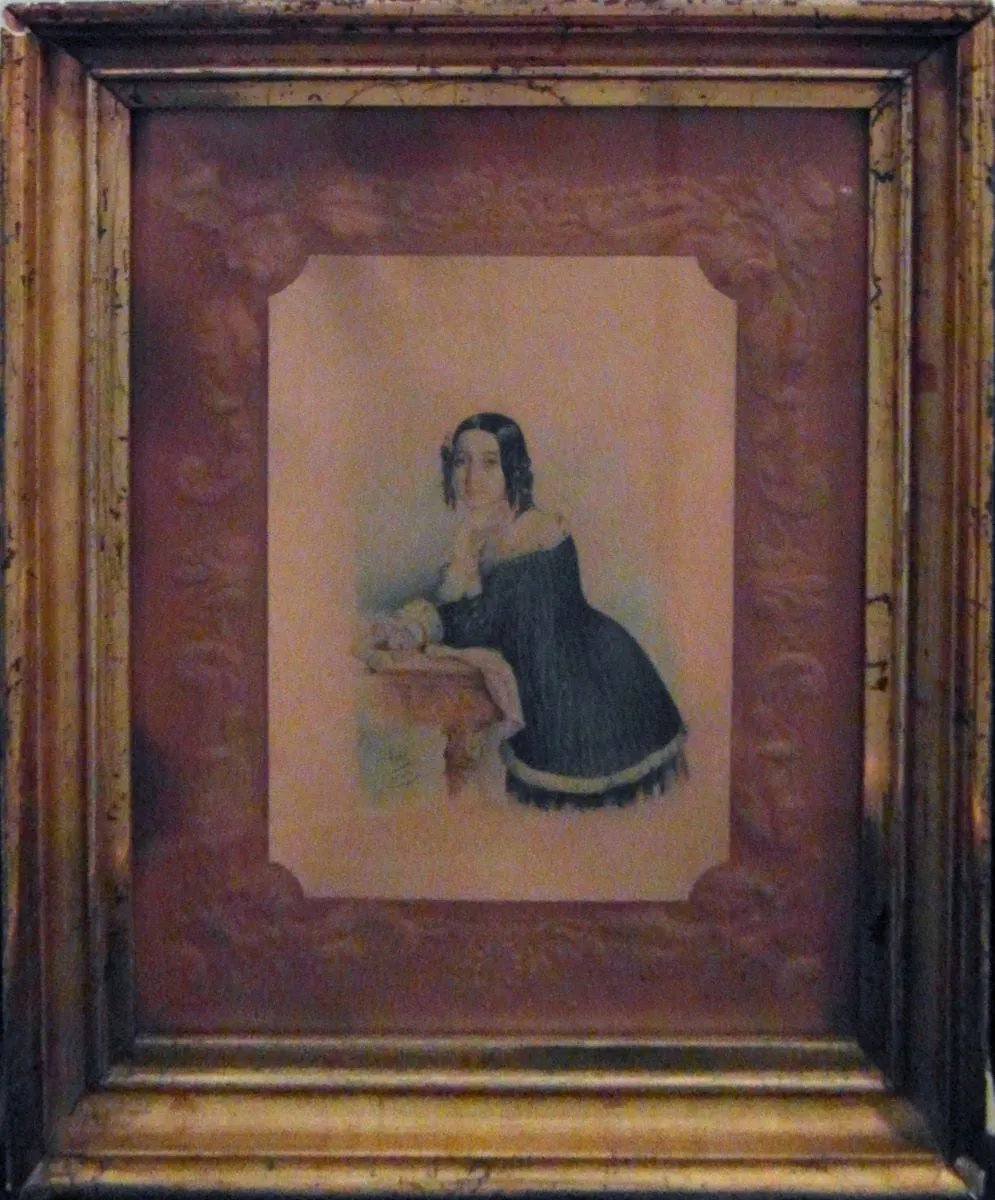
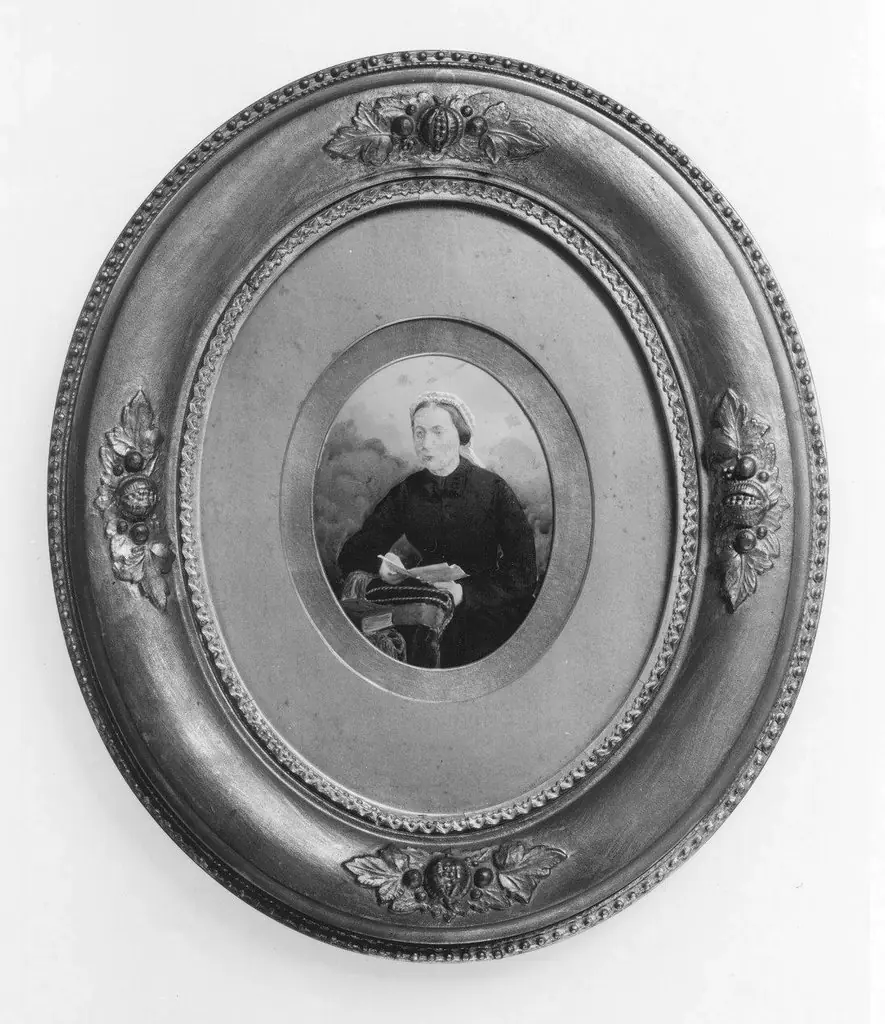
Marghiolița Brăiloiu is an unspecified painting by Constantin Lecca. It dates from 1850 and is held in the collection of the National Museum of Romanian History.
About this work
Overview
The composition is restrained, emphasizing stillness and intimacy.
Painted around 1850 by Constantin Lecca, this portrait depicts Marghiolița Brăiloiu, a woman of modest social standing, seated quietly with a small dog resting on her lap. The composition is restrained, emphasizing stillness and intimacy. The subject’s posture and the neutral background suggest a private, domestic moment rather than a formal commission, reflecting the artist’s interest in everyday life during mid-19th-century Romania.
Subject & Meaning
Marghiolița Brăiloiu is portrayed with quiet dignity, her calm expression and relaxed posture conveying a sense of inner peace. The presence of the dog, a common symbol of loyalty and companionship, reinforces the domestic tone. The painting avoids theatricality or idealization, instead offering a gentle, unembellished glimpse into the private world of a woman from the Romanian middle class, hinting at values of quiet resilience and personal harmony.
Technique & Style
Lecca employed soft brushwork and muted tones to create a subdued atmosphere. The dark blue of the dress contrasts gently with the pale background, drawing attention to the figure without distraction. Subtle fading in the pigments and a slightly worn surface suggest age and careful handling over time. The rendering of fabric and fur is delicate but not overly detailed, favoring emotional resonance over ornamental precision.
History & Provenance
The painting’s early history is not fully documented, but it is believed to have remained within the Brăiloiu family for generations before entering public collections. Its survival through political upheavals and shifting cultural priorities speaks to its personal significance. The work’s modest scale and intimate character likely contributed to its preservation outside institutional spotlight, preserving its original context.
Context
Created during a period of national awakening in Romania, the portrait stands apart from grand historical or mythological themes common in academic art. Instead, it reflects a growing interest in individual identity and domestic life among the emerging middle class. Lecca’s choice to depict an ordinary woman with tenderness aligns with broader European trends toward realism and private portraiture in the mid-1800s.
Legacy
Though not widely exhibited, the portrait remains a quiet example of Romanian 19th-century portraiture that prioritizes emotional authenticity over grandeur. It contributes to the understanding of how artists like Lecca captured the nuances of everyday life during a time of cultural transition. Its endurance lies in its restraint — a testament to the power of simplicity in visual storytelling.
Artist & collection
Artist

 Catinca Stavilă-Kogălniceanu
 Young Woman
 Portrait of Ane Elisabeth (Elise) Gurlitt, né Saxild (1817-39)
 Portrait of a Lady
 Portrait of a woman
 Portrait of a young woman
 Elise Ljungman, m. Paint Manufacturer and the Director of an Orphanage Signeul in Uddevalla
 Portrait of a Lady
 Portret de femeie
 A Woman
 Margaret Seton (1805-1870), född i Skottland, verksam i Sverige, g.m. friherre överste Carl Gustaf Adlercreutz, sondotter till Alexander Baron Seton
 Portrait of the Daughter(?) of Emilius Nicolai Scherr