Artwork
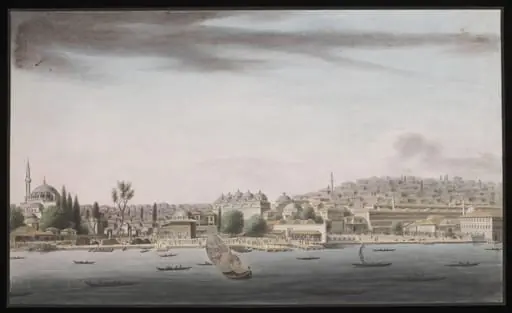
Besiktas on the Bosphorus
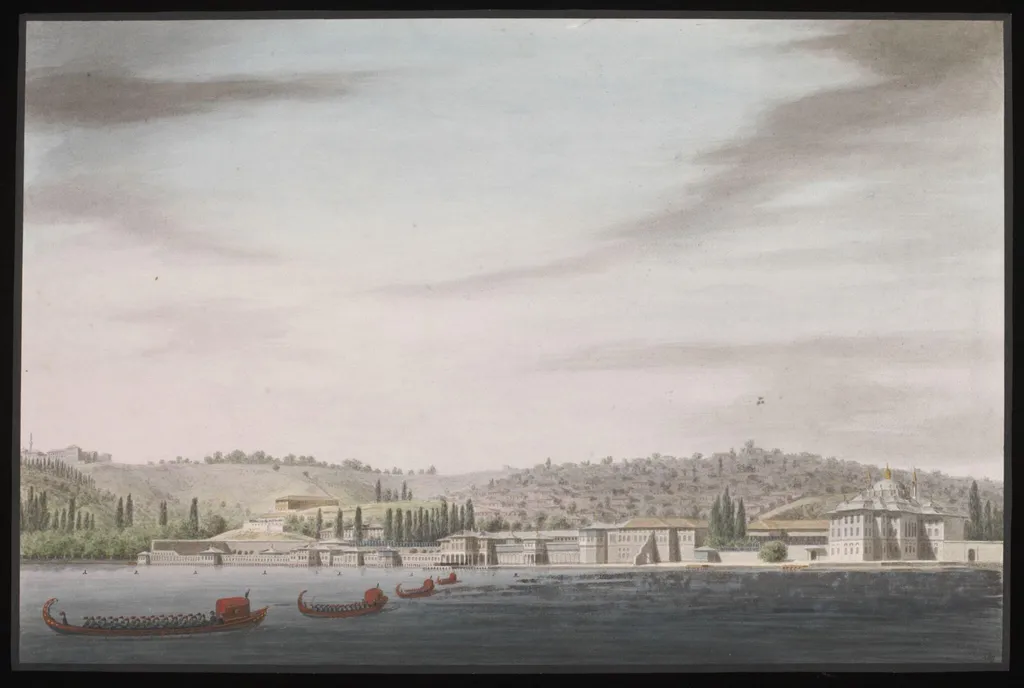
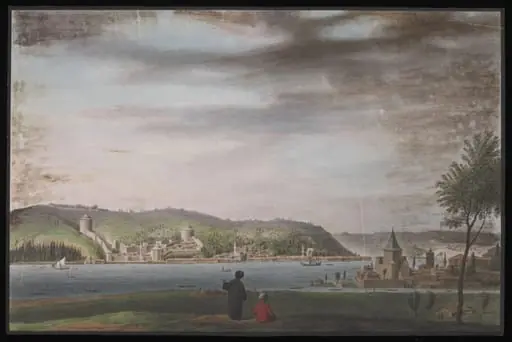
Besiktas on the Bosphorus is a watercolor work on paper by the Romanticist artist Anonymous Greek artist. It dates from 1809 and is held in the collection of the Victoria and Albert Museum.
About this work
Overview
Created between 1808 and the early 1810s, the works document Ottoman architecture, urban life, and landscapes through a hybrid visual language.
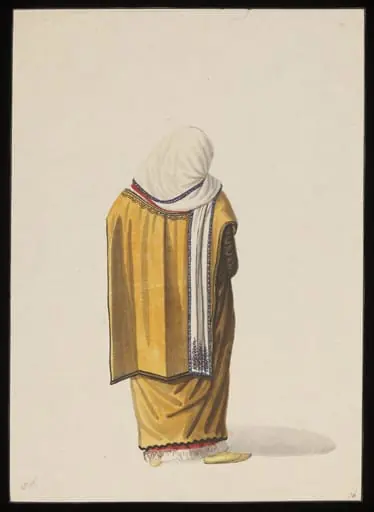
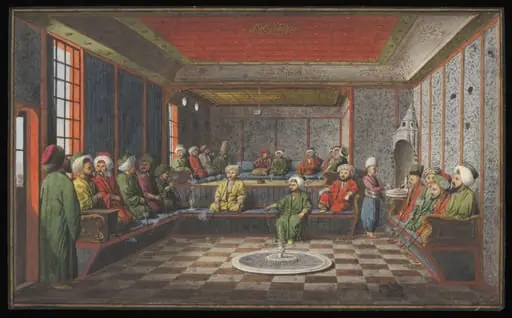
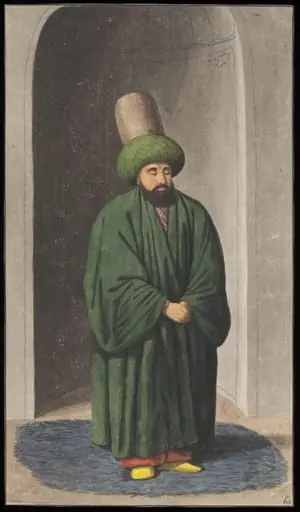
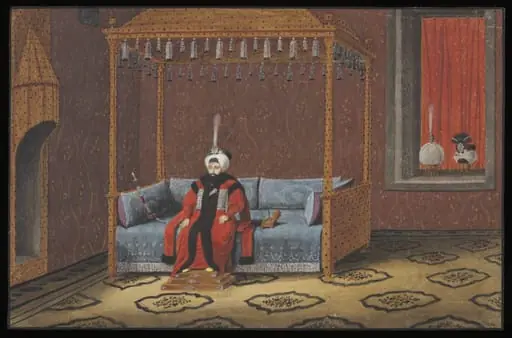
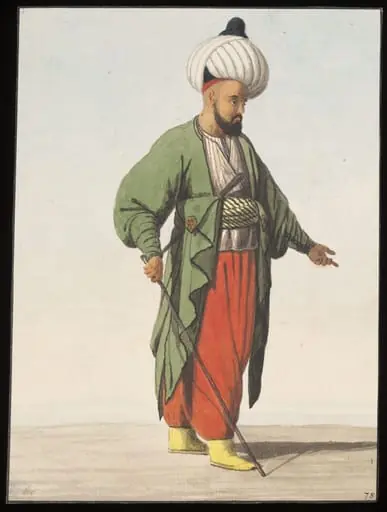
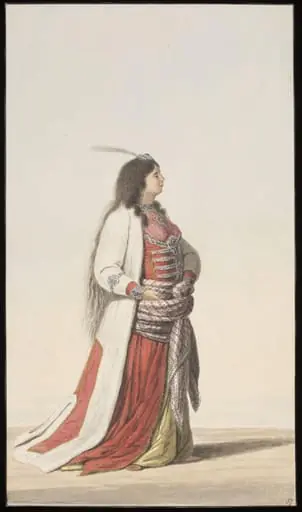
A series of watercolour drawings depicting scenes along the Bosphorus, including Besiktas, was commissioned by British diplomat Stratford Canning during his early years in Istanbul. Created between 1808 and the early 1810s, the works document Ottoman architecture, urban life, and landscapes through a hybrid visual language. The artist remains unidentified, though scholars suggest ties to the studio of Konstantin Kapidagli. The complete set entered the Victoria and Albert Museum’s collection in 1895, sourced from Canning’s daughter.
Subject & Meaning
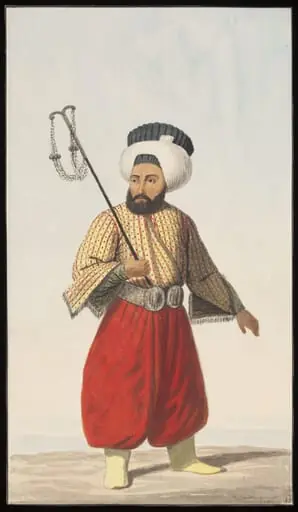
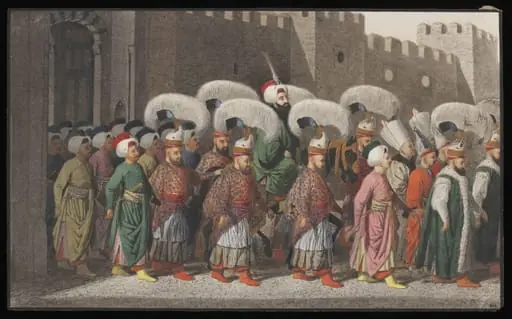
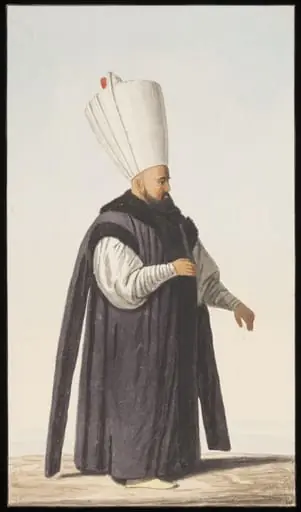
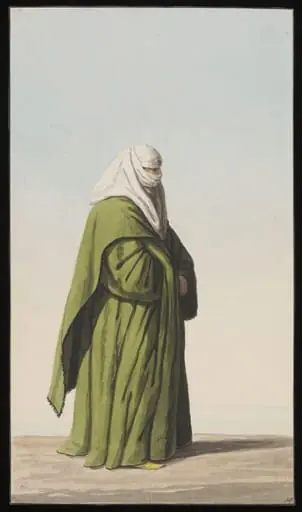
The drawings capture everyday Ottoman environments—harbors, mosques, waterfront mansions, and street life—viewed through the lens of a foreign observer seeking systematic documentation. Rather than romanticizing the scene, the series functions as an ethnographic record, reflecting Canning’s institutional curiosity and desire to understand Ottoman society beyond official channels. The inclusion of both grand monuments and modest structures suggests an interest in social and spatial hierarchy.
Technique & Style
The watercolours blend Ottoman traditions of detailed, opaque pigments with European linear perspective and compositional order. Brushwork is precise, with layered washes rendering light on stone and water, while architectural elements are rendered with measured accuracy. The fusion reflects a cross-cultural exchange: local artists adapting their methods to satisfy Western patrons’ expectations of topographical clarity, without abandoning their own visual conventions.
History & Provenance
Commissioned during Canning’s tenure as first secretary to the British embassy in Istanbul, the drawings were assembled over several years. Charles Cockerell, then a young architect visiting the embassy in 1810, encountered the artist and made copies of his architectural studies, now held at the British Museum. After Canning’s death, the original set passed to his daughter Charlotte, who donated it to the Victoria and Albert Museum in 1895, preserving a rare visual archive of early 19th-century Istanbul.
Context
Canning’s project emerged during a period of intense diplomatic engagement between Britain and the Ottoman Empire, as European powers sought influence amid Ottoman decline. The drawings reflect a broader trend among Western travelers and officials to collect visual records of the East—not merely as souvenirs, but as tools for political and cultural understanding. The artist’s anonymity underscores the often-uncredited role of local artisans in shaping European perceptions of the Ottoman world.
Legacy
The series stands as a significant example of cross-cultural visual documentation from the early 19th century. Its technical synthesis and observational detail offer insight into how Ottoman artists mediated between local traditions and foreign demands. The survival of Cockerell’s copies and the original set in major collections ensures continued scholarly access, affirming the drawings’ value as historical artifacts rather than aesthetic curiosities.
Artist & collection

![A Pasha travelling with his escort[?], by Anonymous Greek artist](https://artifactworldgallery.com/img/anonymous-greek-artist--a-pasha-travelling-with-his-escort--01de32b8fcf30843-w320.webp)