Artwork
Bonaparte at the Pont d'Arcole
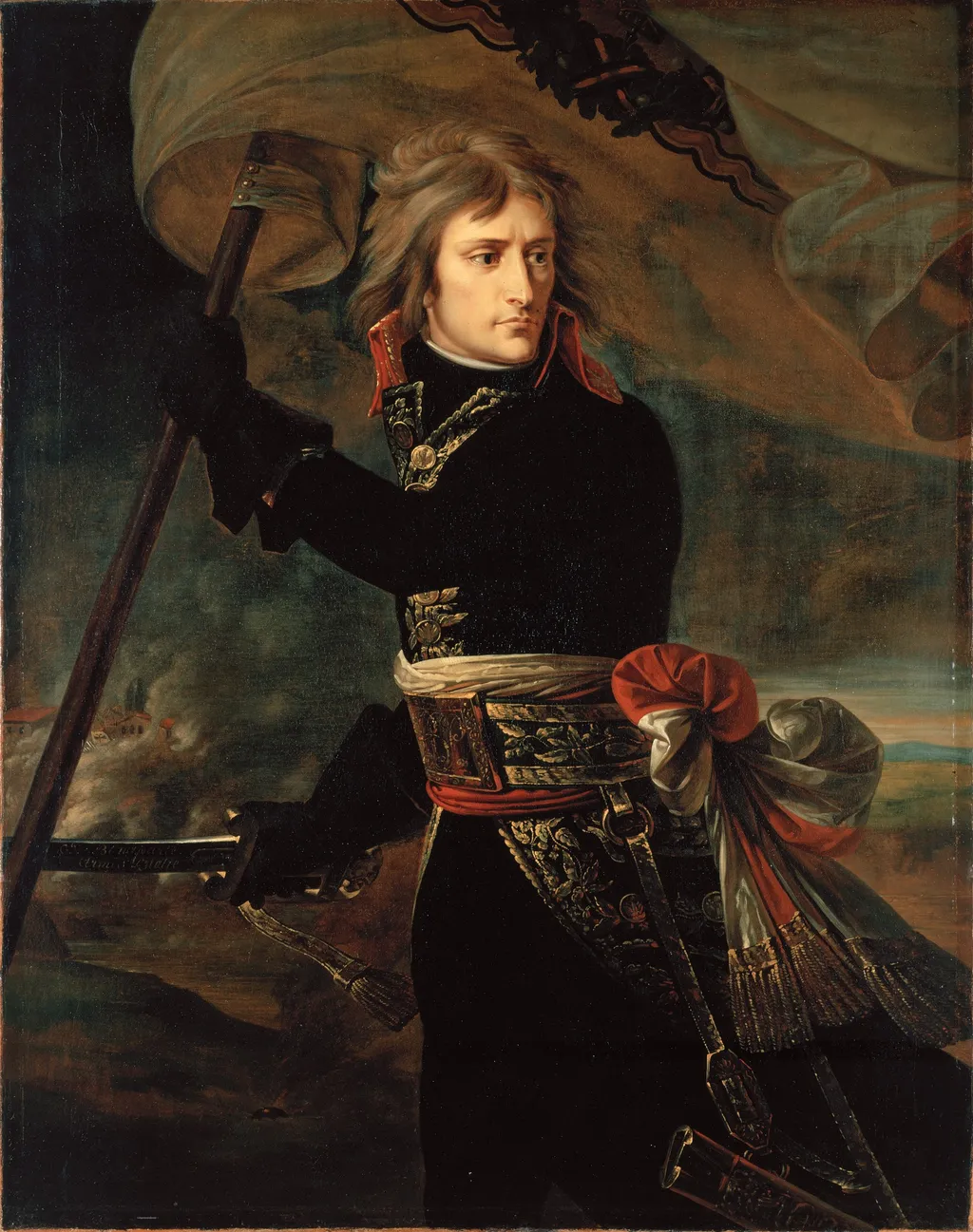
Bonaparte at the Pont d'Arcole is an oil painting by the Neoclassicist artist Antoine-Jean Gros. It dates from 1798 and is held in the collection of the Hermitage Museum.
About this work
Overview
The work emerged from Gros’s early career as a student of Jacques-Louis David and marked a turning point in his artistic trajectory.
Painted in 1798 by Antoine-Jean Gros, this oil on canvas portrays Napoleon Bonaparte during the 1796 Battle of Arcole. The work emerged from Gros’s early career as a student of Jacques-Louis David and marked a turning point in his artistic trajectory. It was among the first major images to visually cement Napoleon’s public image as a decisive military leader, helping to secure the general’s favor and future patronage.
Subject & Meaning
Napoleon is shown on the Arcole bridge, gripping a standard in one hand and a sword in the other, standing amid the chaos of battle. His composed stance and direct gaze convey resolve rather than action. The white flag with a red stripe, likely a regimental standard, symbolizes leadership under fire. The dark, indistinct background emphasizes his solitary authority, transforming a tactical moment into a statement of personal command.
Technique & Style
Gros employs a neoclassical approach with controlled composition and dramatic lighting. The figure of Napoleon is rendered with precise detail, contrasting with the blurred, shadowed forms of soldiers in the distance. The uniform’s gold trim and red collar stand out against the muted tones, directing focus to the central figure. Brushwork is smooth yet deliberate, avoiding overt emotion in favor of dignified presence.
History & Provenance
Gros painted this work shortly after accompanying Napoleon’s Italian campaign, returning to Paris in 1799. The painting’s success led to sustained royal patronage and eventually a baronial title. It entered the collection of the State Hermitage Museum in the 19th century, likely through imperial acquisition, and has remained there since, preserving its role as a document of early Napoleonic imagery.
Context
Created during the French Revolutionary Wars, the painting reflects the era’s shift from republican ideals to the cult of the military leader. Gros’s depiction aligns with state-sponsored efforts to mythologize Napoleon’s role in securing French victories. Unlike earlier revolutionary imagery, this portrait emphasizes individual heroism over collective civic virtue, signaling a broader political transformation.
Legacy
The painting established Gros as a leading chronicler of Napoleonic campaigns and influenced subsequent military portraiture. Its formula—solitary leader, symbolic flag, dramatic lighting—became a template for later depictions of authority. Though not widely exhibited in its time, its presence in the Hermitage ensured its survival as a key visual artifact of the Napoleonic era.
Own this work as a print
Artist & collection
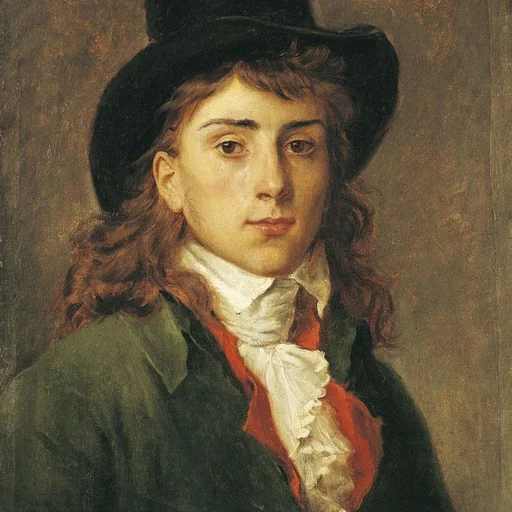
Artist
Antoine-Jean Gros (French pronunciation: ; 16 March 1771 – 25 June 1835) was a French painter of historical subjects.

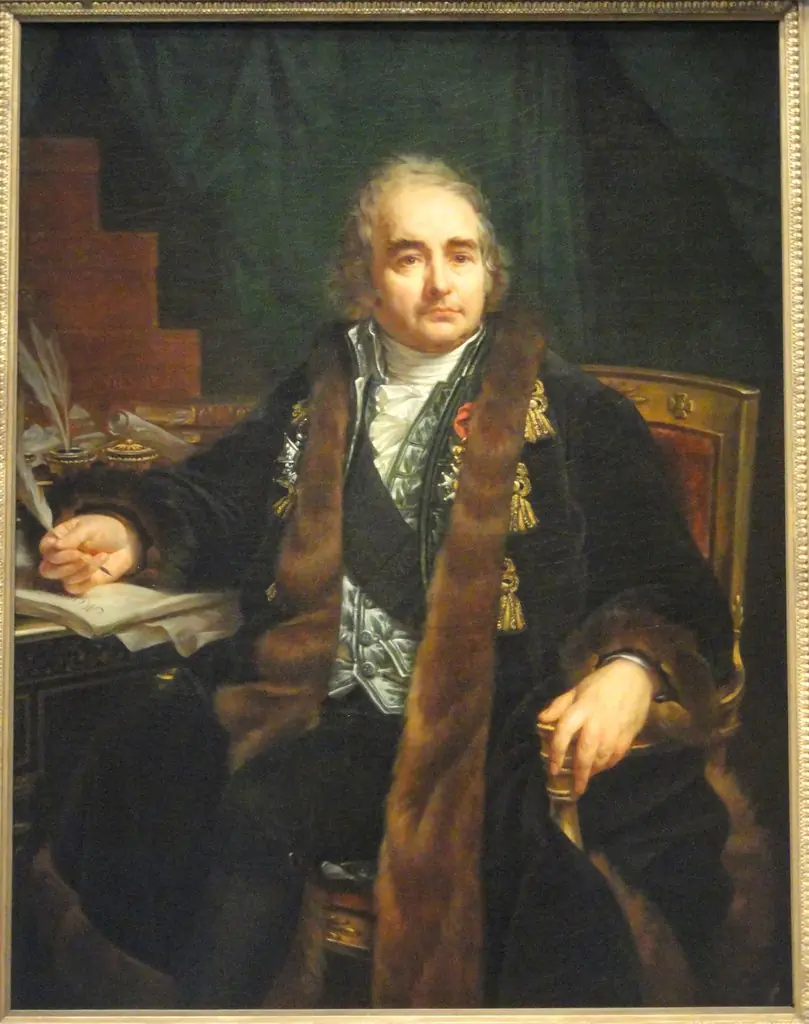 portrait of Jean-Antoine Chaptal
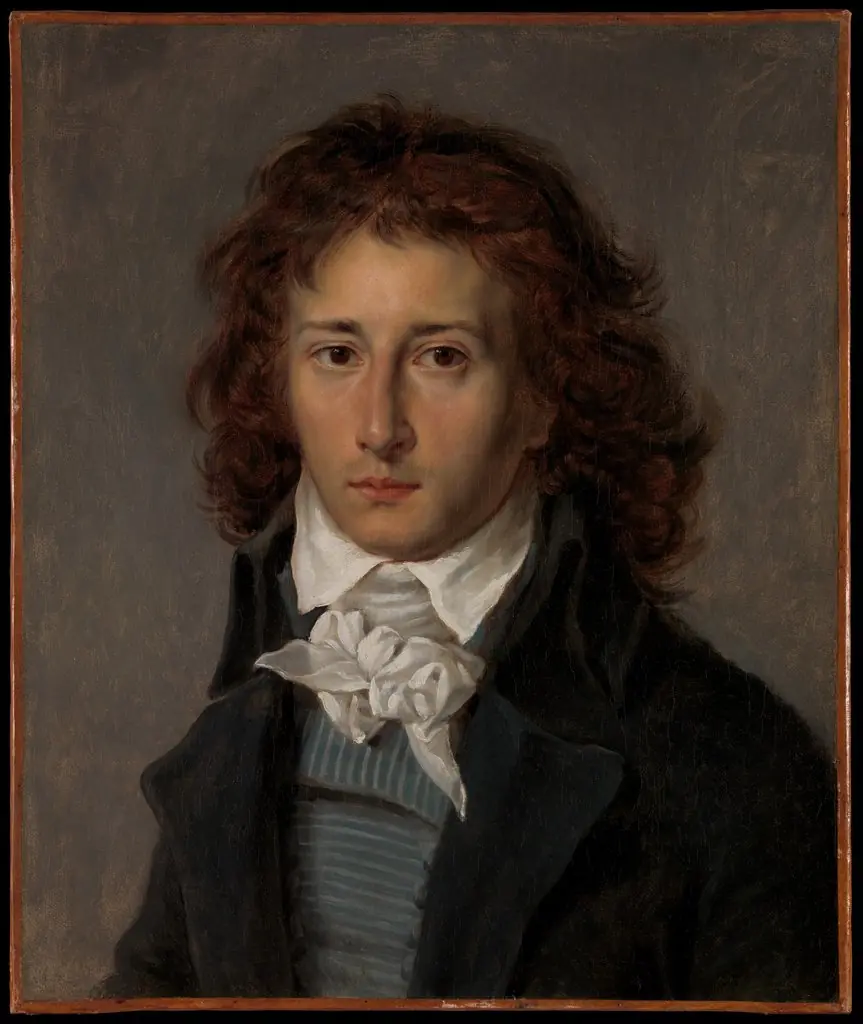 François Gérard (1770–1837), later Baron Gérard
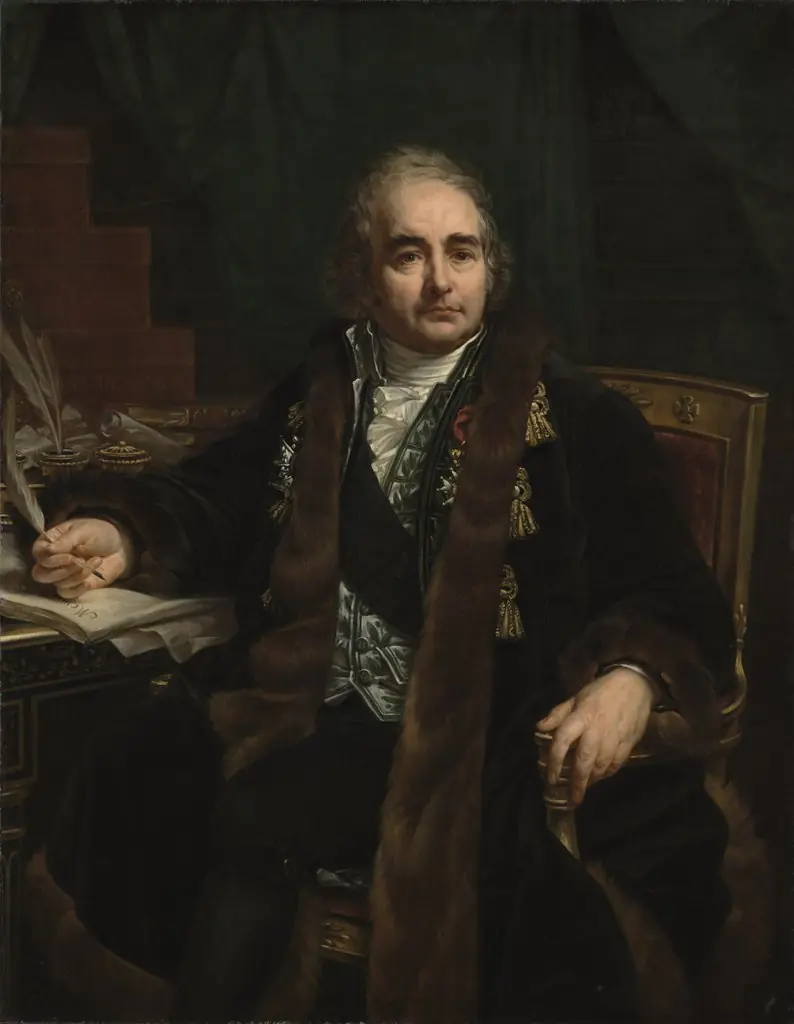 Portrait of Count Jean-Antoine Chaptal
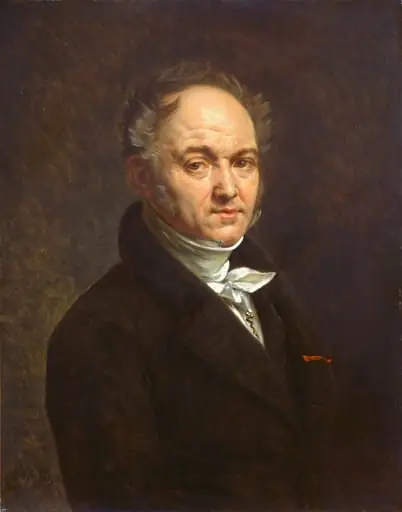 Dr. Vignardonne
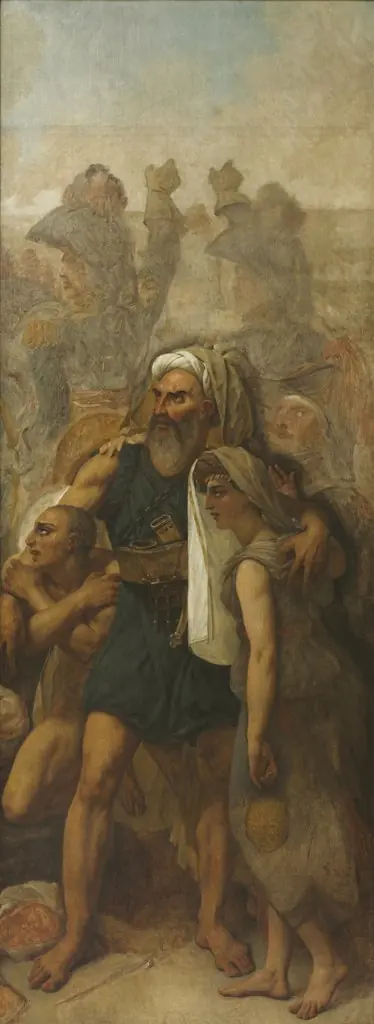 Egyptian Family (Sketch for "The Battle of the Pyramids")
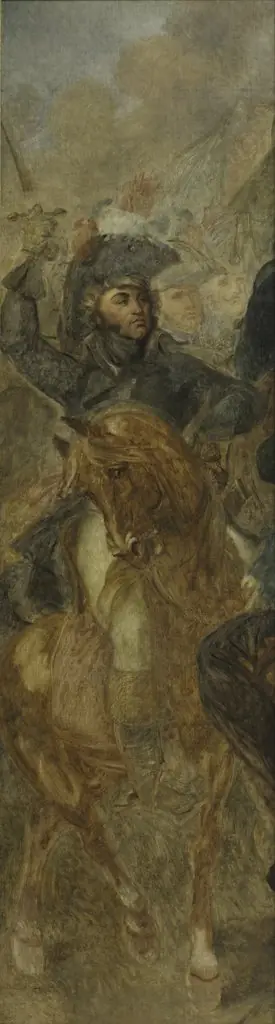 General Jean-Baptiste Kléber (Sketch for "The Battle of the Pyramids")
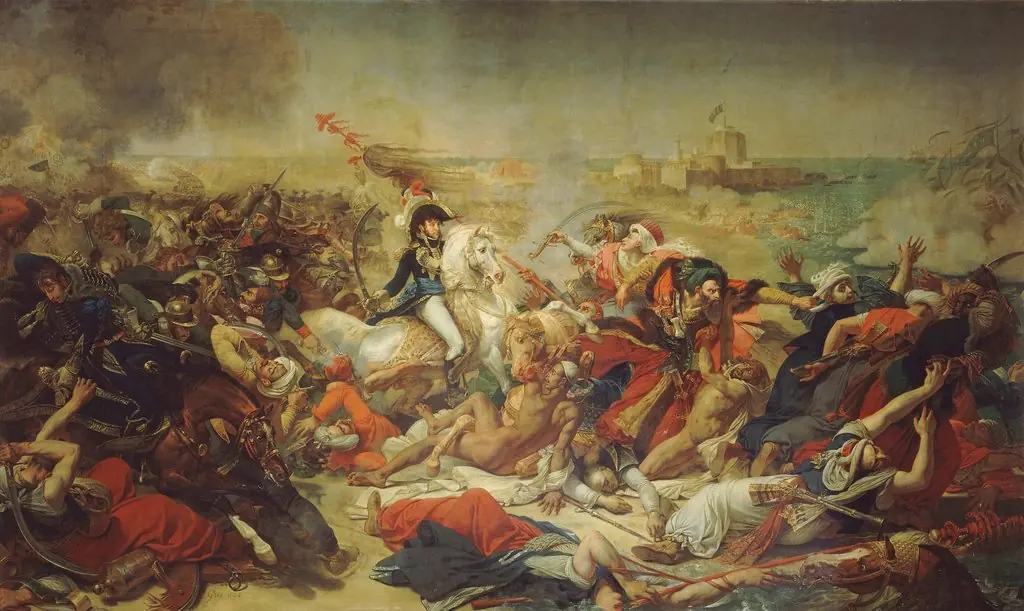 Bataille d'Aboukir, 25 Juillet 1799
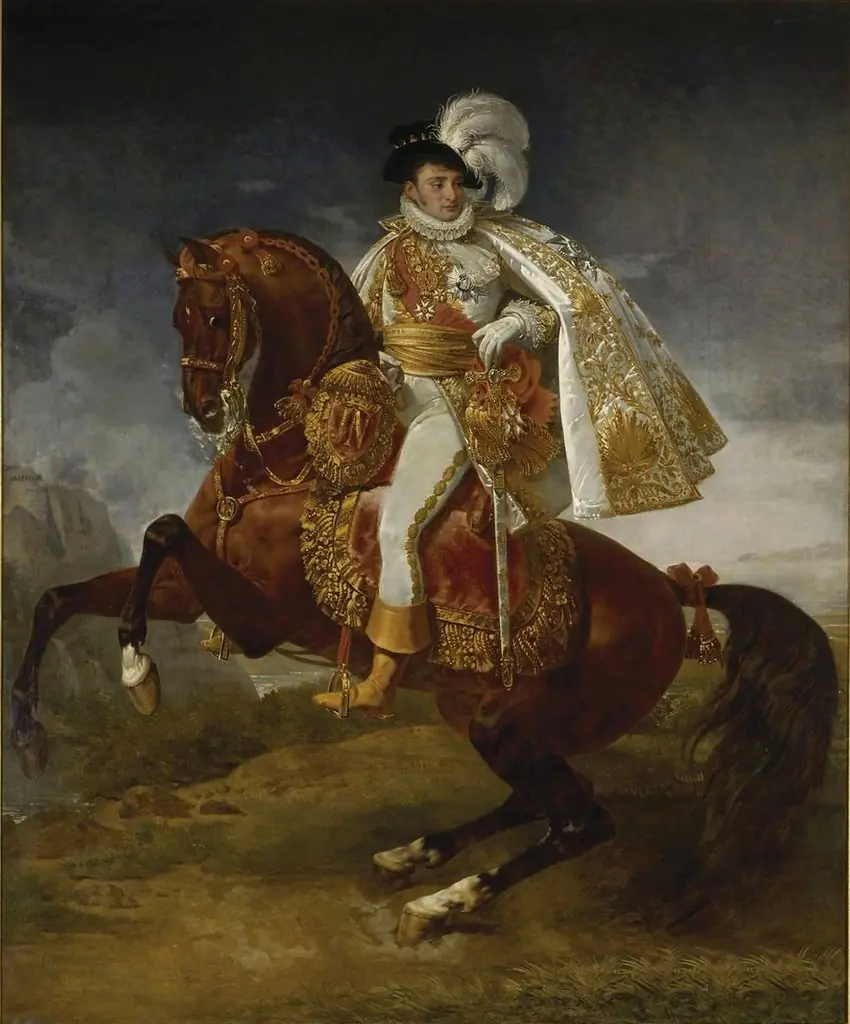 Jérôme Bonaparte, King of Westphalia
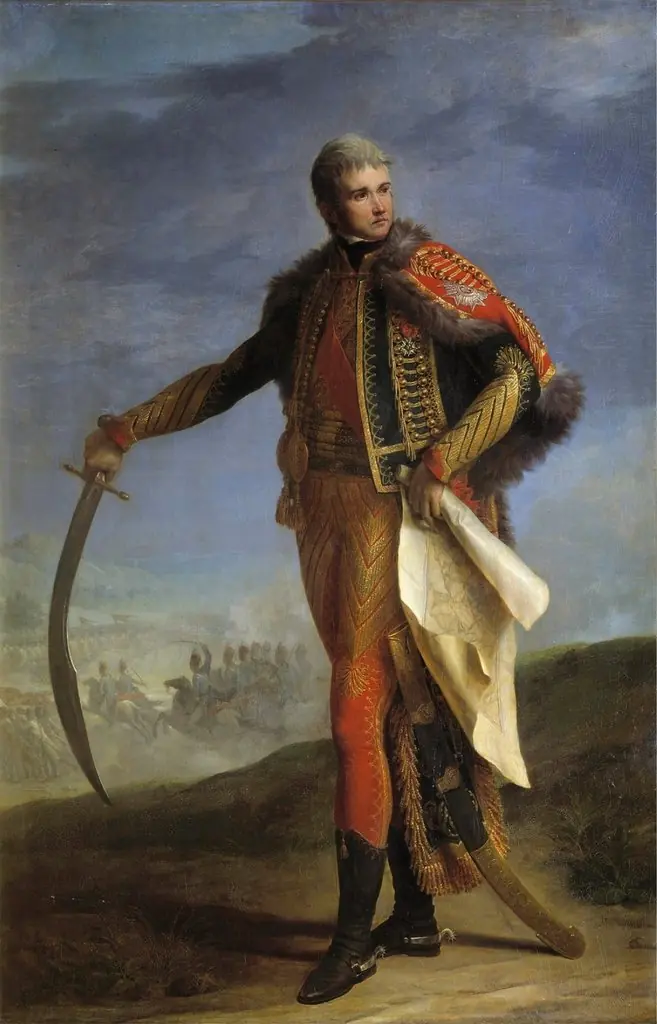 Jean Lannes, Duke of Montebello (1769-1809)
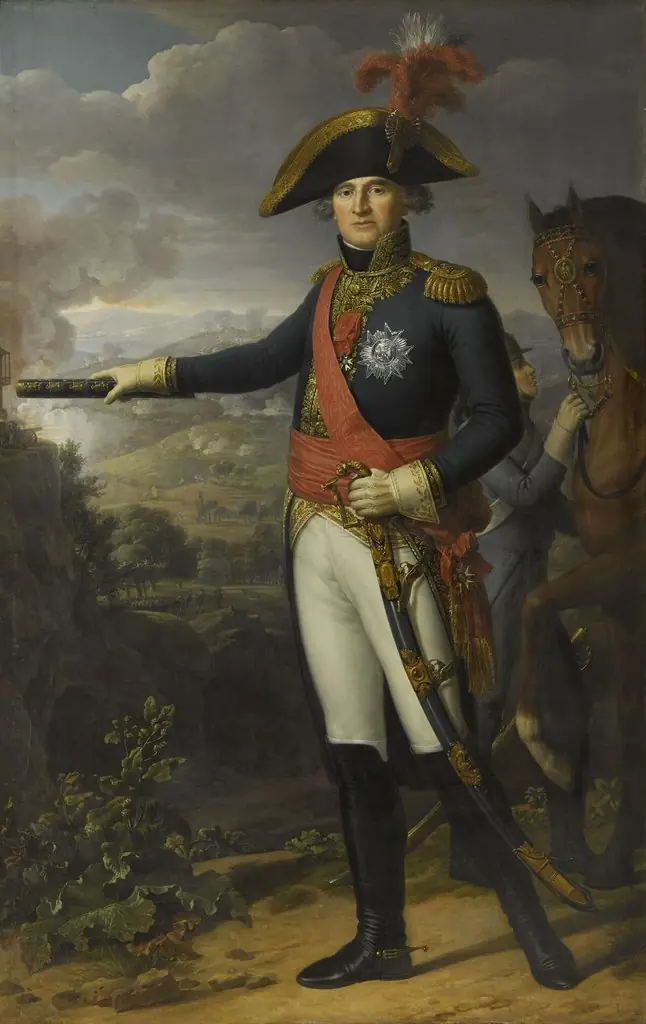 Jean Mathieu Philibert Serurier (1742-1819)
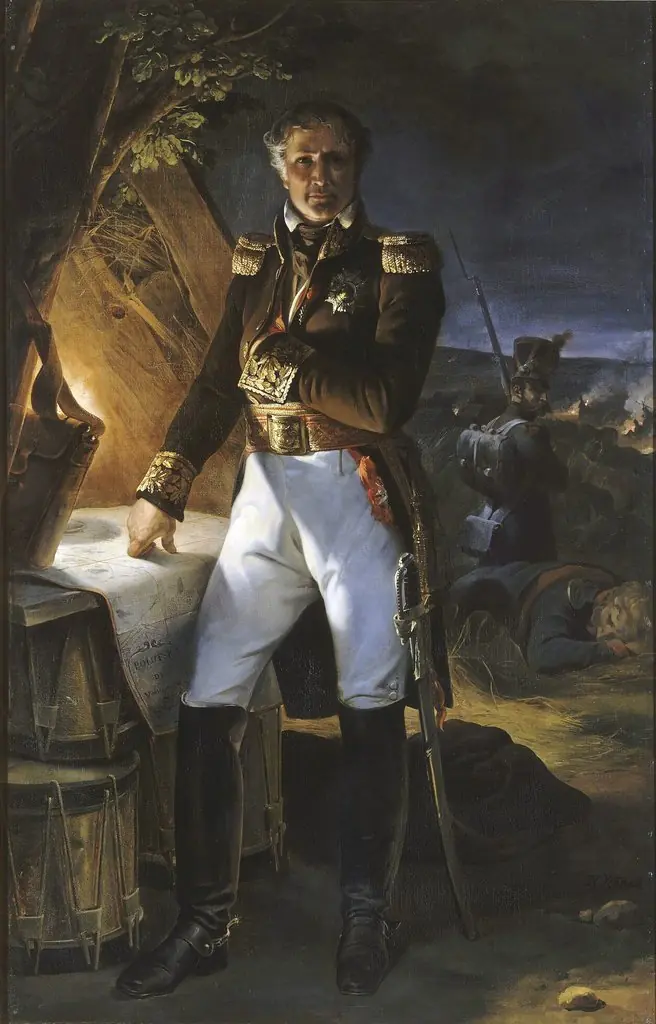 Laurent, Marquis of Gouvion Saint-Cyr
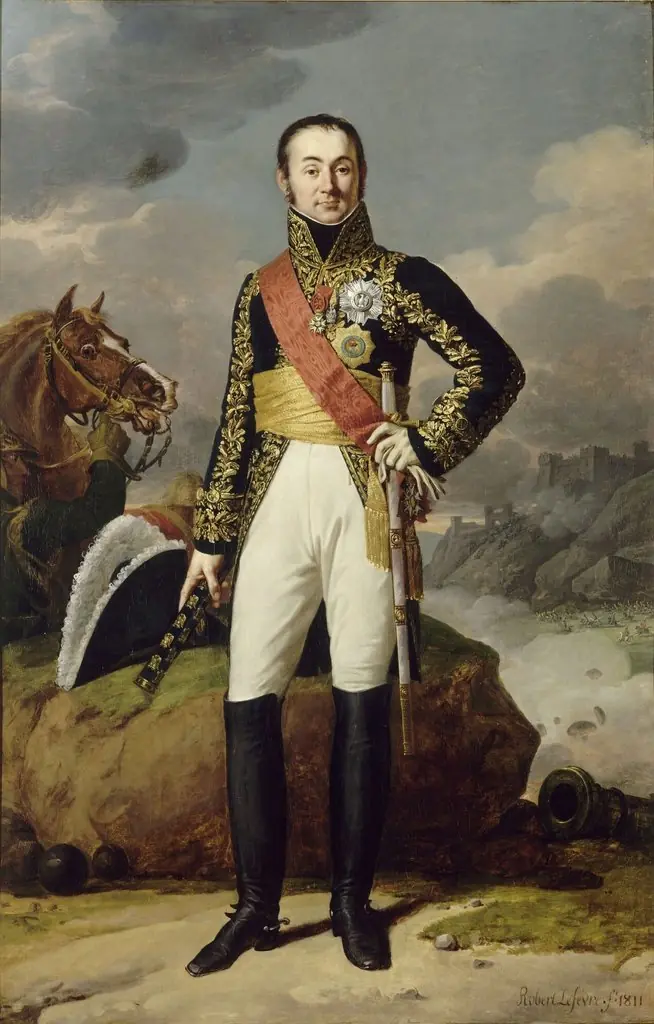 Nicolas-Charles Oudinot, Duke of Reggio, Marshal of France (1767-1847)
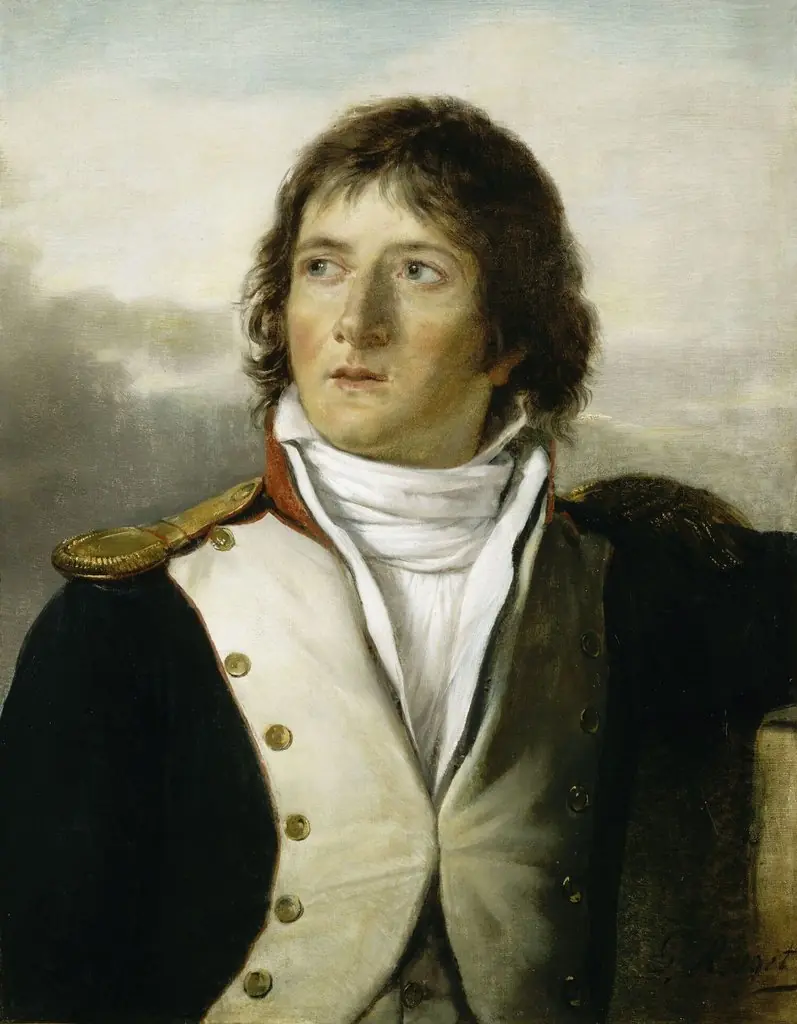 Laurent Gouvion Saint-Cyr, later Marshal and Marquis of Empire
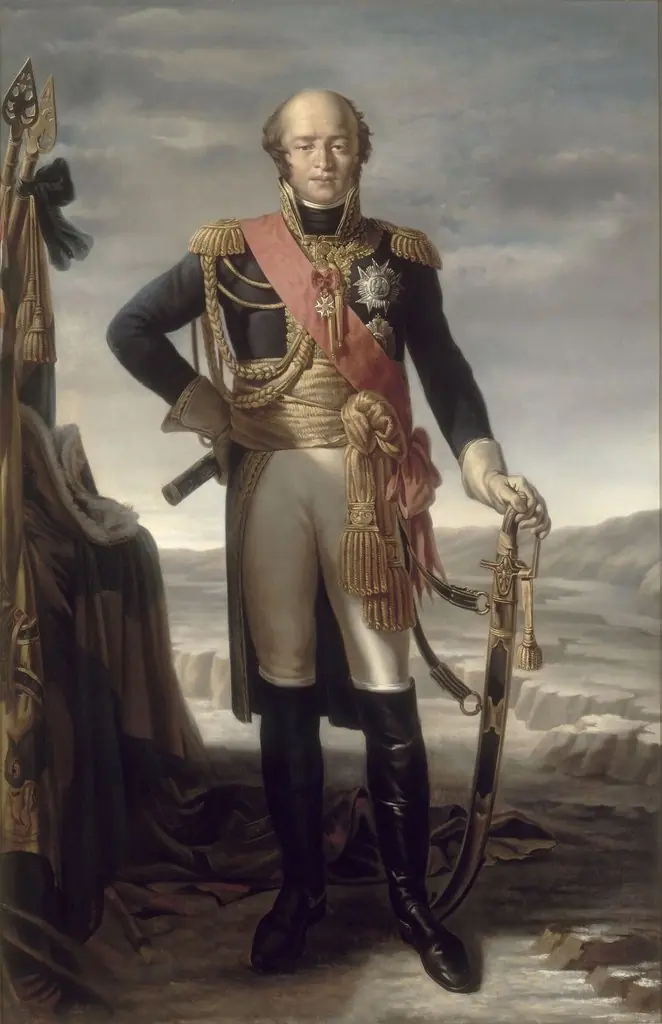 Portrait de Louis Nicolas Davout
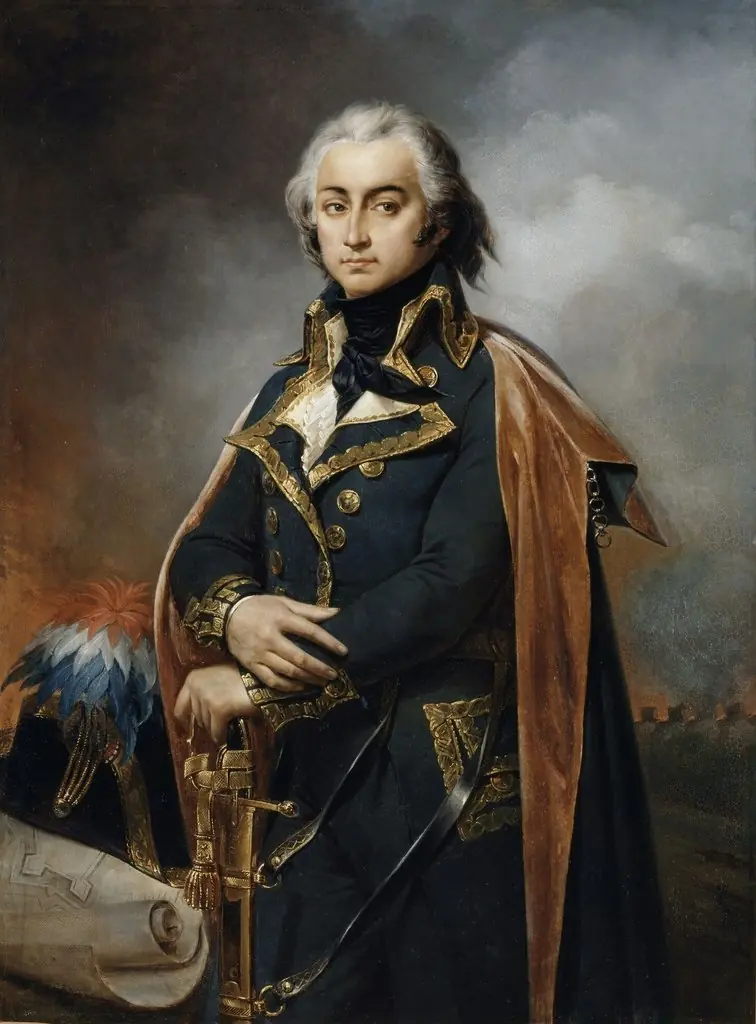 Cyrus-Marie-Adélaïde de Timbrune, Count of Valence, General-in-Chief of the Army of the Ardennes
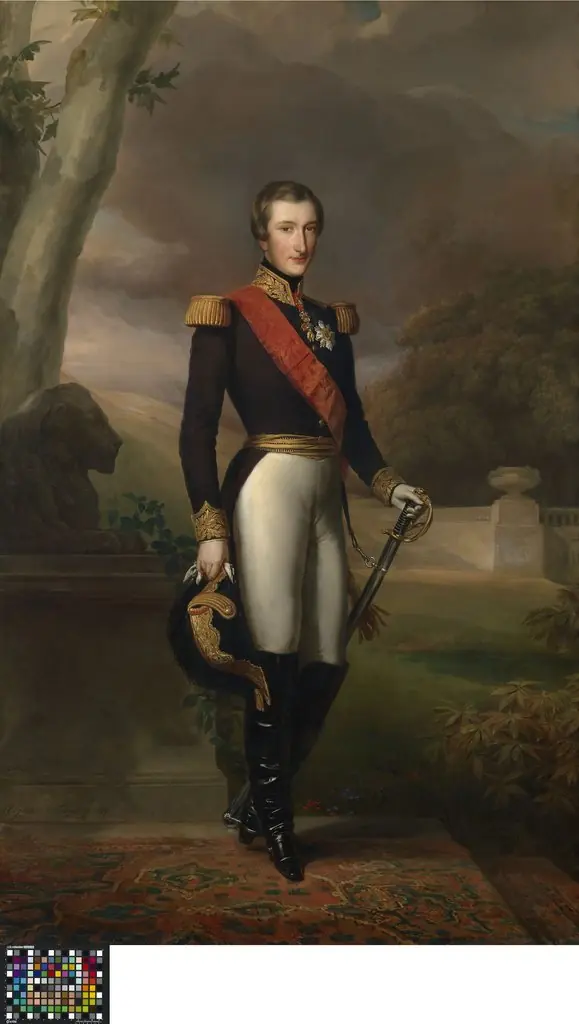 Portret van Leopold II, koning der Belgen, als hertog van Brabant
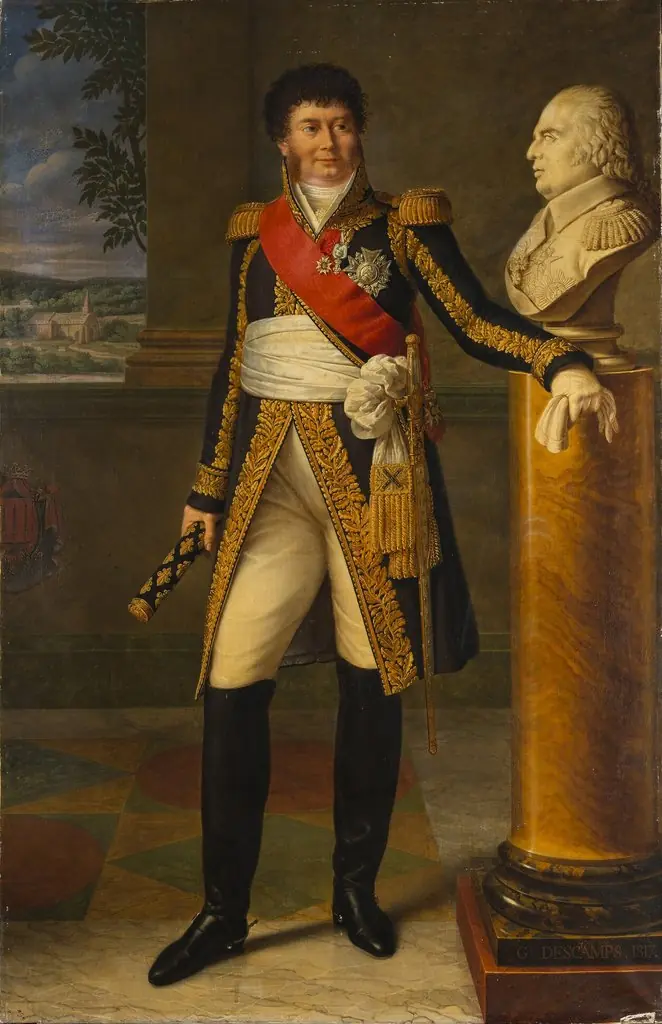 Henri-Jacques-Guillaume Clarke, Count of Hunebourg, Duke of Feltre, Marshal of France (1765-1818)