Artwork
Description of Egypt: Thebes. Hypogees Vol. II, Pl. 49
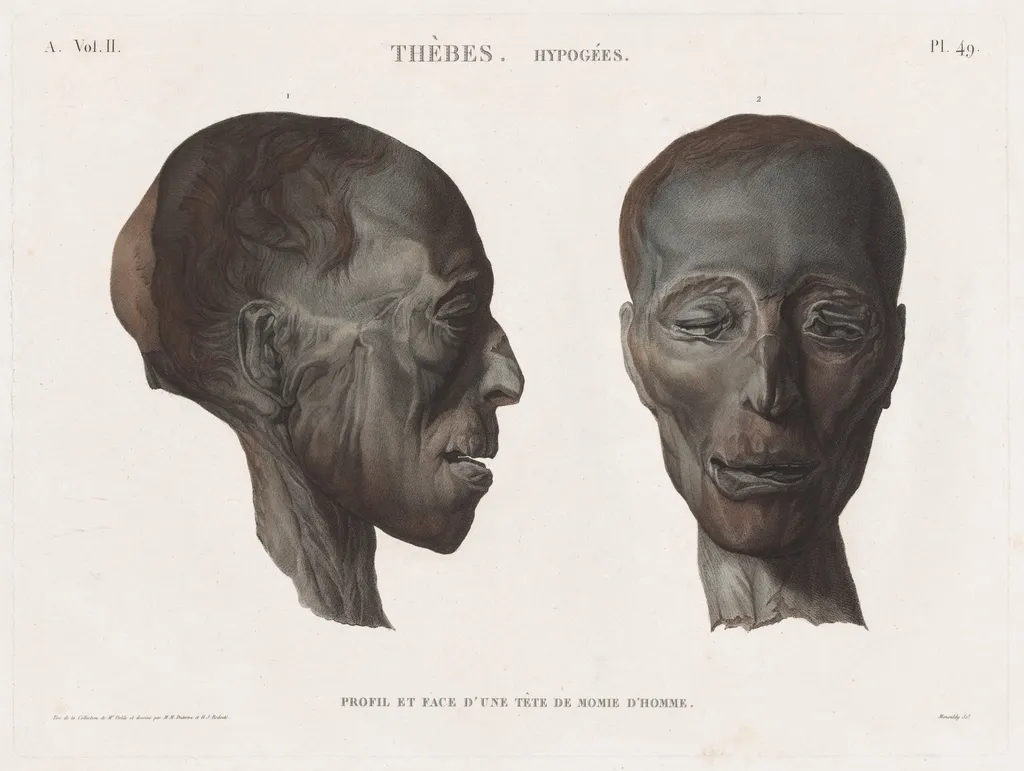
Description of Egypt: Thebes. Hypogees Vol. II, Pl. 49 is a print by the Romanticist artist Antoine Maxime Monsaldy. It dates from 1812 and is held in the collection of the Cleveland Museum of Art.
About this work
Overview
Created around 1812 by Antoine Maxime Monsaldy, this print is part of a larger documentation project focused on Theban burial sites.
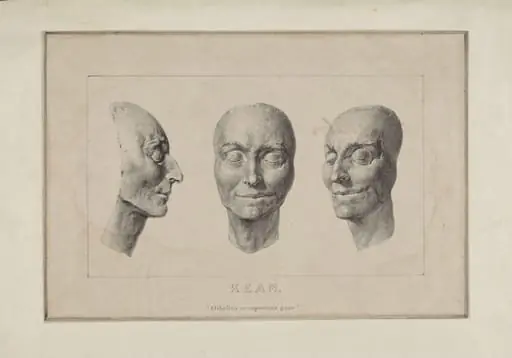
Created around 1812 by Antoine Maxime Monsaldy, this print is part of a larger documentation project focused on Theban burial sites. It depicts a mummified human head from two angles—frontal and profile—rendered with careful attention to anatomical detail. The work was produced as an academic record, intended to support scholarly study of ancient Egyptian preservation methods rather than as a standalone artistic piece.
Subject & Meaning
The image presents a mummified head with tightly drawn skin, pronounced wrinkles, and sparse, uneven hair—features consistent with natural desiccation during mummification. The dual perspectives suggest an anthropological intent: to capture the physical effects of embalming practices. The label identifying it as a 'mummy head' reinforces its role as a specimen for study, not a symbolic or religious representation.
Technique & Style
Monsaldy employed precise linear draftsmanship to render texture and form, emphasizing the desiccated quality of the skin and the irregularity of remaining hair. The composition is clinical in its neutrality, avoiding ornamentation or dramatic lighting. The drawing’s clarity and restraint reflect Enlightenment-era priorities in scientific illustration, prioritizing accuracy over aesthetic embellishment.
History & Provenance
The print originates from Monsaldy’s contribution to the multi-volume publication 'Description de l'Égypte,' commissioned by Napoleon’s expedition to Egypt. It was later acquired by The Cleveland Museum of Art as part of its collection of early 19th-century ethnographic and archaeological records. Its inclusion in Volume II, Plate 49, situates it within a systematic catalog of Theban hypogea.
Context
Produced during the early 19th century, this work emerged amid European fascination with ancient Egypt following Napoleon’s campaign. While Romantic artists often dramatized the exotic and mysterious, Monsaldy’s approach aligned with emerging scientific disciplines—anthropology and Egyptology—seeking to classify and document material remains with empirical rigor.
Legacy
This print contributes to the foundational visual archive of Egyptology, offering a rare early record of mummified remains observed firsthand. Its restrained presentation influenced later scholarly publications, distinguishing academic documentation from sensationalized portrayals. Today, it remains a reference point for understanding how Western observers first approached Egyptian funerary practices with systematic observation.
Artist & collection
Artist
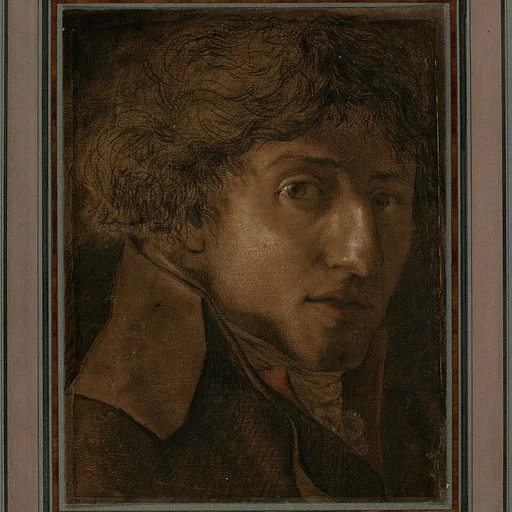
Antoine Maxime Monsaldy (1768–1816) was a French artist, born in Paris.

 Egypt and Nubia, Volume I: Frontispiece
 H Beard Print Collection
 Figure 7: Étude du méchanisme et de l'expression du muscle frontal chez un vieillard: à droit, attention; à gauche, repos
 Still Life with a Skull and a Vase of Roses
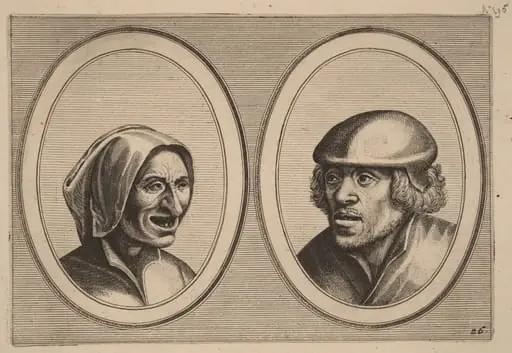 "Vrouw Verneem-al" and "Hans de Pluym-strijcker"
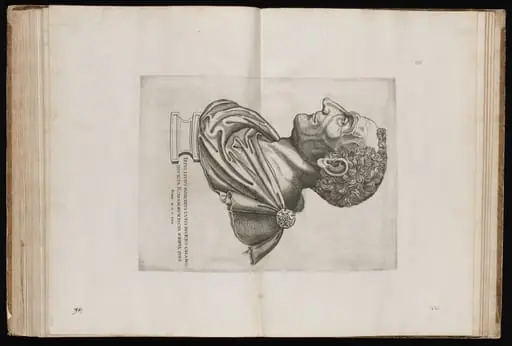 Bust of Livy
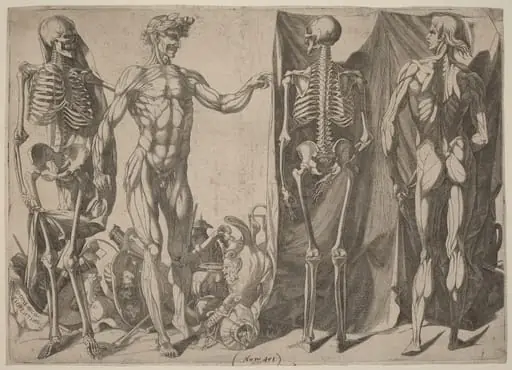 Squelettes et Ecorches
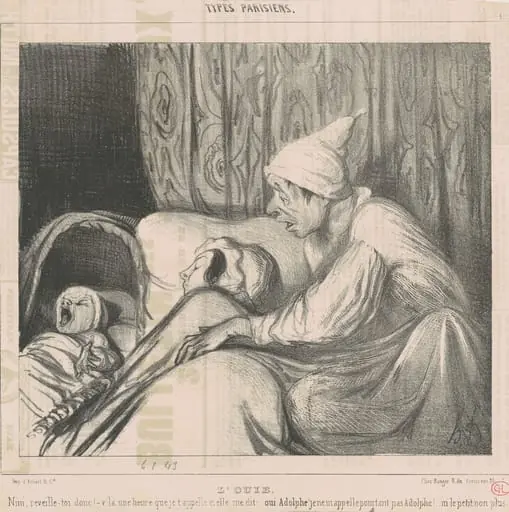 L'ouie
 Musculorum Tabula IV
 Egypt and Nubia, Volume I: The Great Sphinx, Pyramids of Gezeeh