Artwork
Delessert
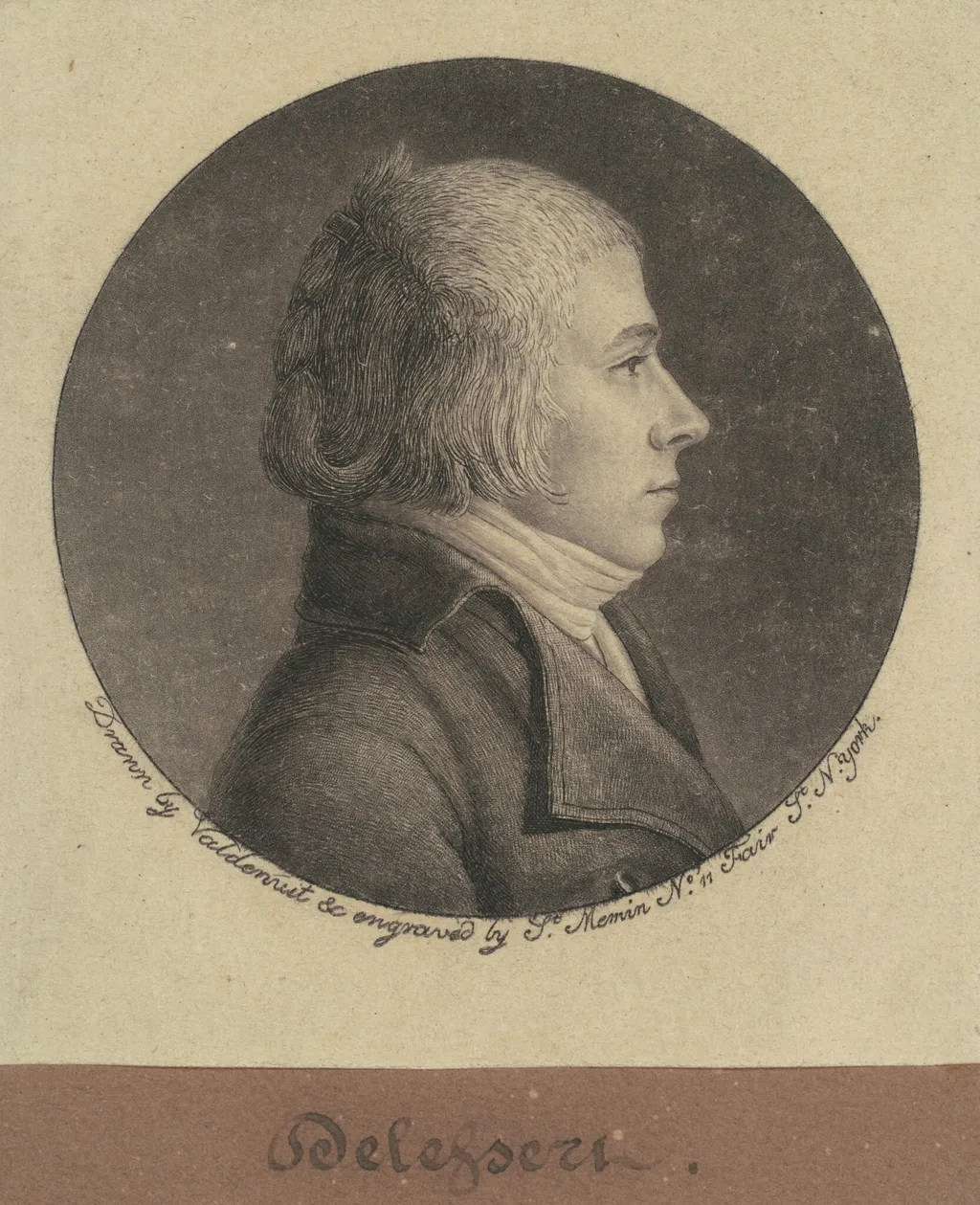
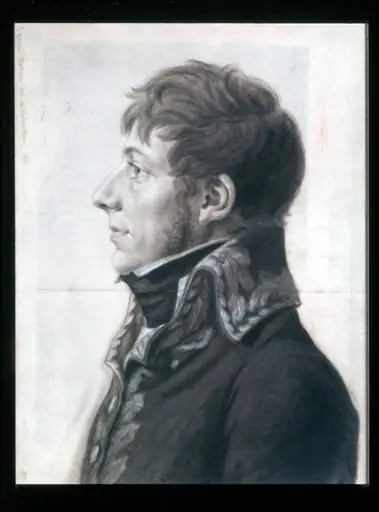
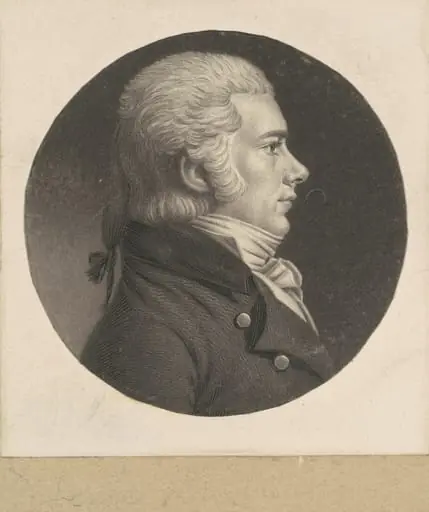
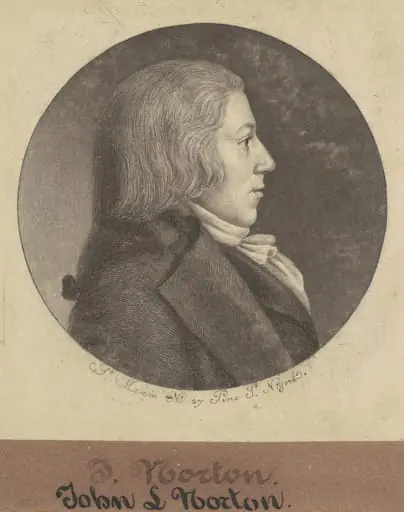
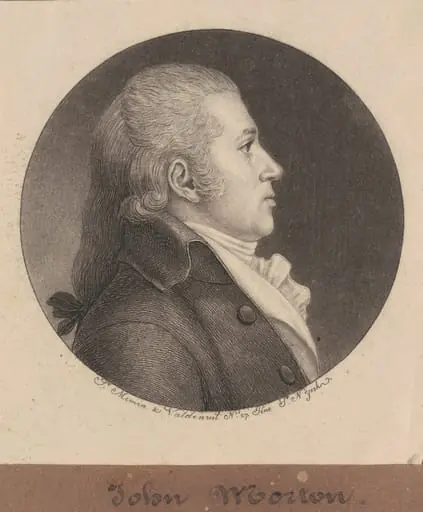
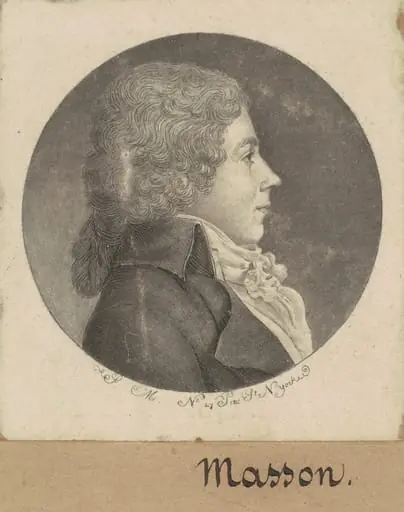
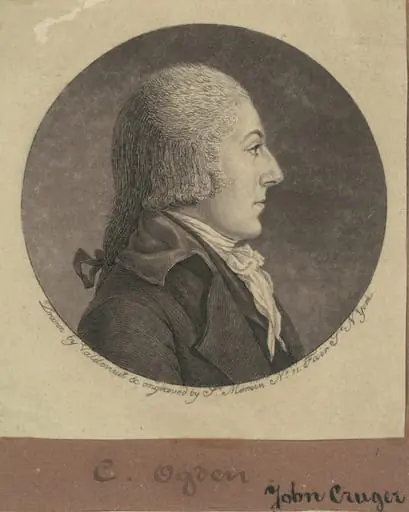
Delessert is an ink print by the Romanticist artist Charles Balthazar Julien Févret de Saint-Mémin. It dates from 1796 and is held in the collection of the National Gallery of Art.
About this work
Overview
Its compact size and intricate technique reflect the precision valued in late 18th-century portraiture.
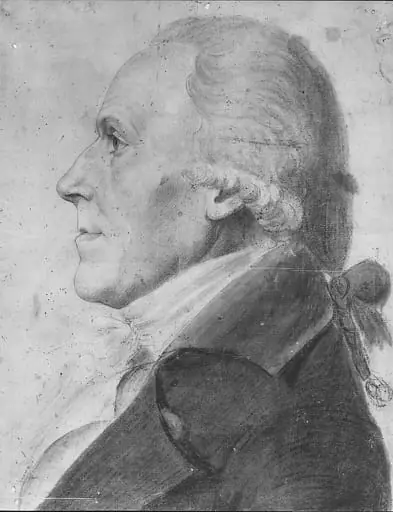
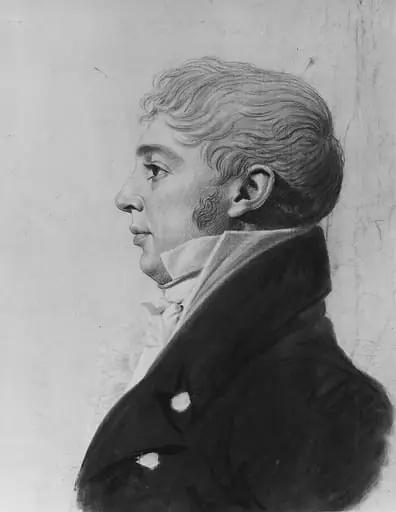
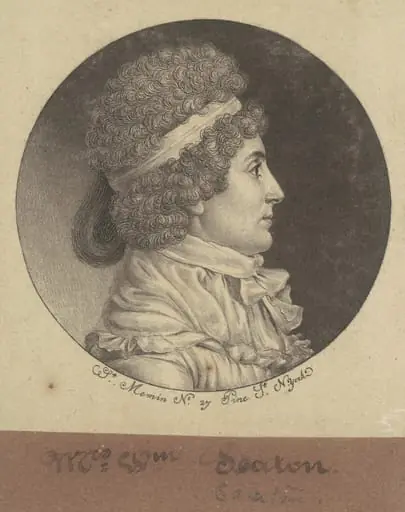
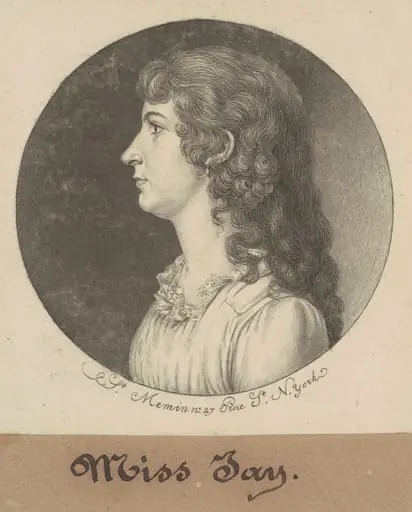
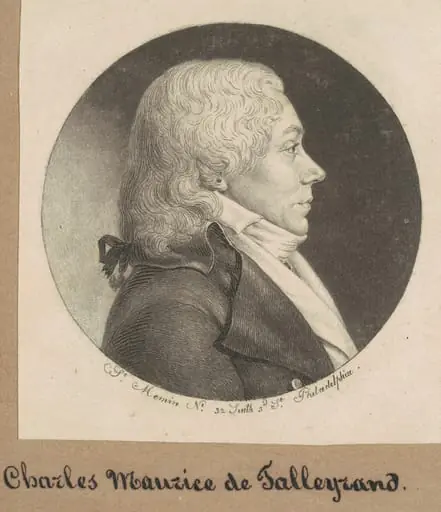
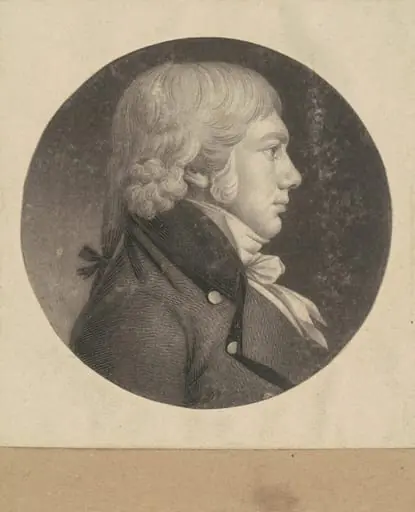
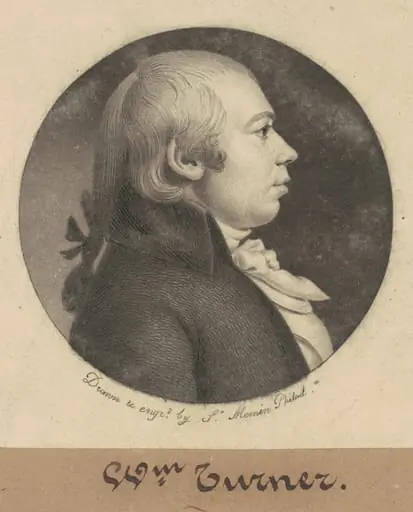
This small portrait, created in 1796, depicts the French banker and politician Benjamin Delessert. Executed in mezzotint and engraving on wove paper, it was mounted onto a brown wove support. The work measures just 5.4 by 5.4 centimeters and originates from the Corcoran Collection, now held by the National Gallery of Art. Its compact size and intricate technique reflect the precision valued in late 18th-century portraiture.
Subject & Meaning
Benjamin Delessert was a prominent figure in French finance and public life during the Revolutionary era. The portrait presents him in formal, conservative attire, suggesting his status and gravitas. The focused rendering of his face, devoid of background or symbolic elements, emphasizes personal presence over political narrative. The restrained composition aligns with Enlightenment ideals of rationality and individual dignity.
Technique & Style
The image was produced using mezzotint, a method involving the roughening of a metal plate to hold ink, then selectively scraped to create tonal gradations. Fine engraving lines define facial features and fabric textures. The artist, Charles Balthazar Julien Févret de Saint-Mémin, employed this labor-intensive process to achieve subtle contrasts and delicate detail. The result is a highly refined, intimate likeness suited to the medium’s capacity for nuance.
History & Provenance
Created in 1796, the print entered the Corcoran Gallery’s collection in the 19th century and was later transferred to the National Gallery of Art following the Corcoran’s dissolution. Its small scale suggests it may have been intended for private circulation or as a study for larger works. The work’s survival in good condition reflects its careful handling and the enduring interest in Saint-Mémin’s technical skill.
Context
In the late 1790s, mezzotint was widely used in Europe for reproducing portraits, especially among the educated elite. Saint-Mémin, a French émigré artist, specialized in this technique during his time in the United States and France. Delessert’s portrait reflects a broader trend of using printmaking to disseminate images of influential figures, blending artistic precision with the growing demand for personal likenesses in a time of political upheaval.
Legacy
Saint-Mémin’s mezzotints, including this portrait, are noted for their technical mastery and contribution to the evolution of portrait printmaking. While not widely exhibited, the work remains a key example of how fine detail and tonal control could be achieved in small-scale prints. It continues to inform studies of 18th-century graphic arts and the role of print in shaping public perception of political figures.
Artist & collection

Artist
Charles Balthazar Julien Févret de Saint-Mémin
Charles Balthazar Julien Févret de Saint-Mémin (French pronunciation: ; 1770–1852) was a French portrait painter and museum director.