Artwork
Moses brought before Pharaoh's Daughter
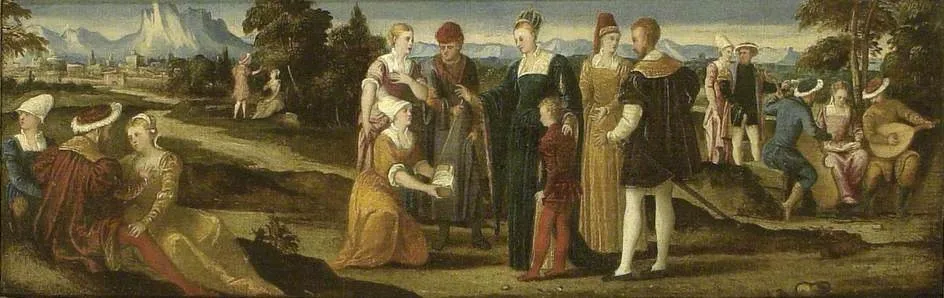
Moses brought before Pharaoh's Daughter is an unspecified painting by Bonifazio Veronese. It dates from 1530 and is held in the collection of the Ashmolean Museum.
About this work
Overview
Painted around 1530 by Bonifazio Veronese, this work captures a moment from the Book of Exodus in which the infant Moses is presented to Pharaoh’s daughter.
Painted around 1530 by Bonifazio Veronese, this work captures a moment from the Book of Exodus in which the infant Moses is presented to Pharaoh’s daughter. Executed in the Venetian Renaissance style, the painting reflects the period’s evolving approach to narrative and naturalism. Bonifazio, active in Venice, contributed to the transition between High Renaissance and Mannerist tendencies, influencing contemporaries like Tintoretto through his handling of light and figure grouping.
Subject & Meaning
The scene illustrates the biblical moment when Pharaoh’s daughter discovers the basket containing Moses, the future liberator of the Israelites. Her compassionate act of adopting the child carries theological weight, symbolizing divine providence working through human mercy. The composition centers on the tender exchange between the child and the noblewoman, emphasizing quiet dignity over dramatic spectacle, aligning with the moral gravity of the story.
Technique & Style
Bonifazio employs a restrained palette of earthy ochres, muted greens, and soft blues to ground the scene in naturalism. Figures are arranged with deliberate spatial clarity, their drapery rendered in flowing lines that suggest movement without excess. Subtle chiaroscuro models forms gently, enhancing volume without harsh contrast. The background, with its distant trees and water, recedes with atmospheric perspective, reinforcing the calm, contemplative mood.
History & Provenance
The painting originated in Venice during the early 1530s, likely commissioned for private devotion or civic display. Its early ownership is undocumented, but it remained within Italian collections through the 18th century. By the 19th century, it entered a European institutional collection, where it has since been studied as an example of mid-century Venetian narrative painting, though it has never been widely exhibited.
Context
In 1530s Venice, religious subjects remained central to painting, even as secular themes gained ground. Artists like Bonifazio balanced classical composition with emerging naturalism, responding to Titian’s innovations in color and texture. This work reflects a broader trend: biblical stories rendered with human intimacy, suited to private contemplation rather than public spectacle, mirroring the spiritual climate of a city navigating reform and tradition.
Legacy
Though not among Bonifazio’s most celebrated works, this painting exemplifies his role in shaping Venetian painting’s direction. His nuanced figure groupings and quiet emotional tone influenced younger artists such as Schiavone and Tintoretto, who would later expand these ideas into more dynamic compositions. The work stands as a quiet bridge between the harmony of the High Renaissance and the expressive energy of Mannerism.
Artist & collection
Artist
Bonifazio Veronese, born Bonifazio de' Pitati (1487 – 19 October 1553), was a Venetian Renaissance painter who was active in the Venetian Republic.

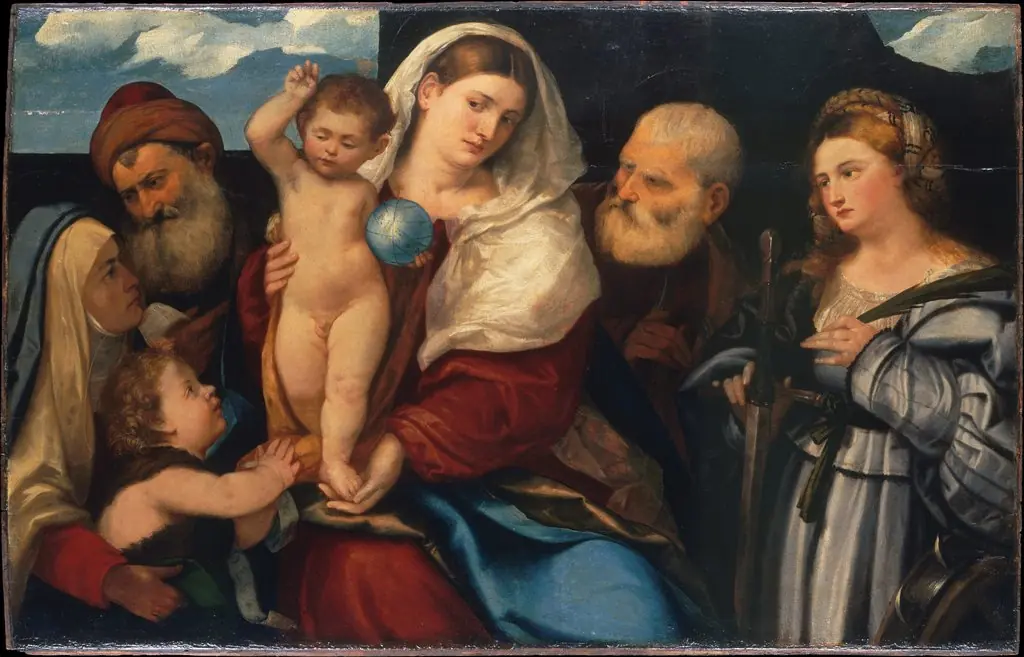 Madonna and Child with Saints
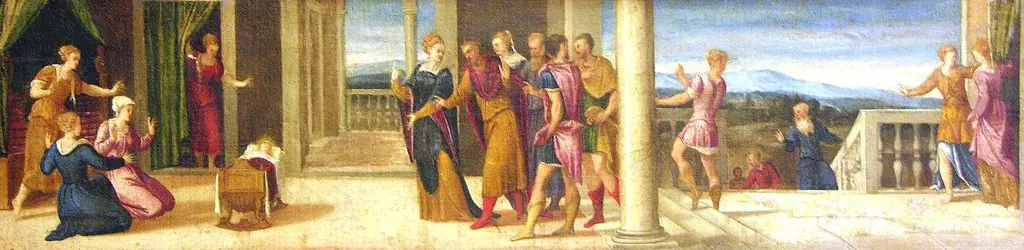 The Legend of the Infant Servius Tullius
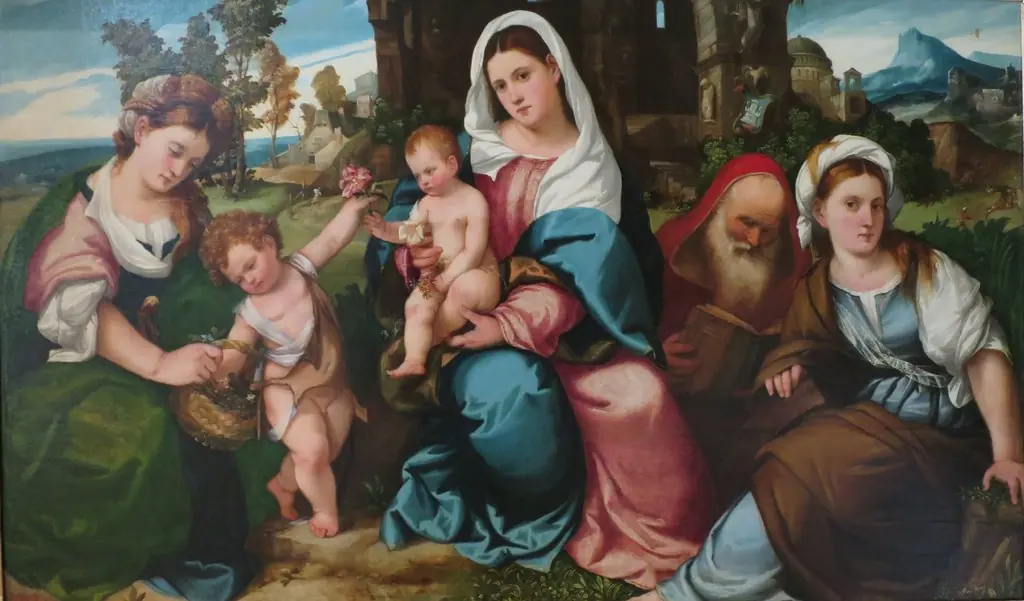 Madonna and Child with St Catherine, St John the Baptist, St Dorotea and St Anthony the Abbot
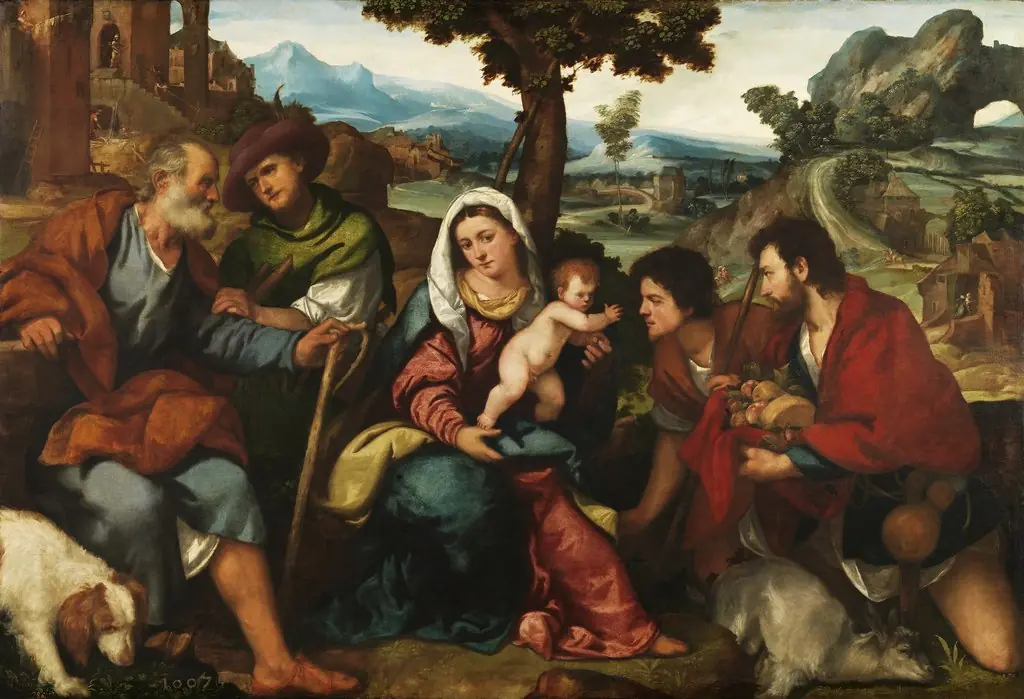 The Adoration of the Shepherds
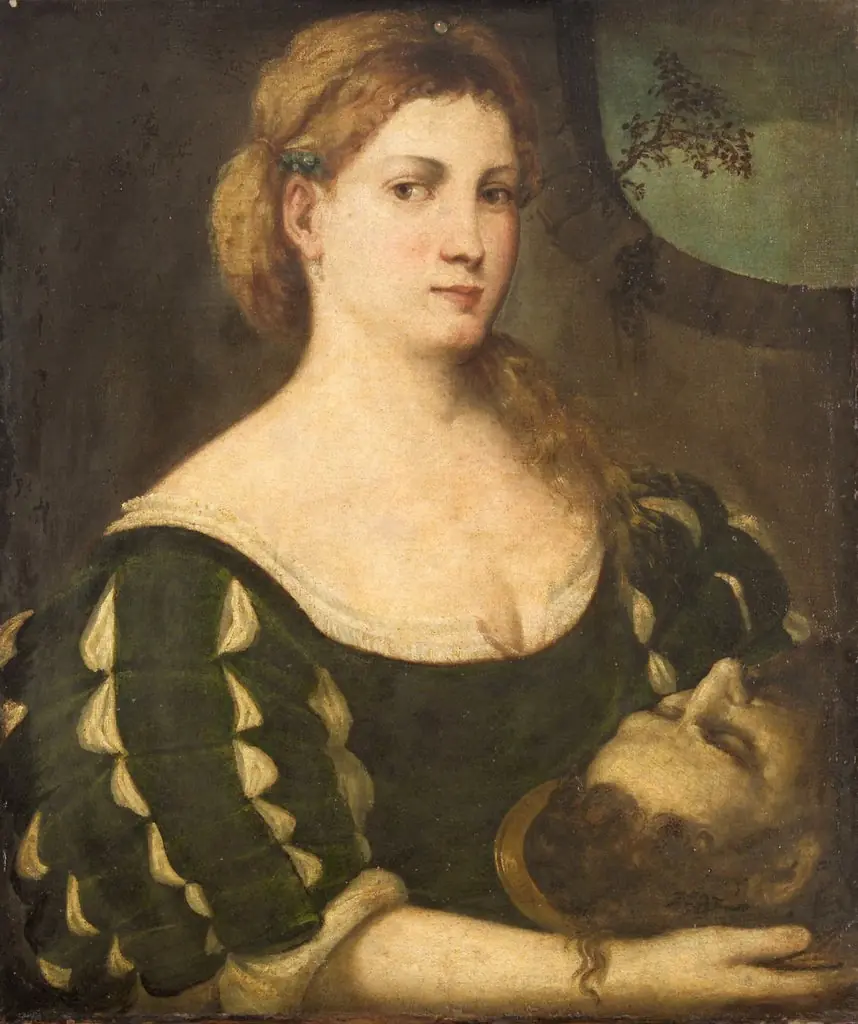 Salome with the head of John the Baptist
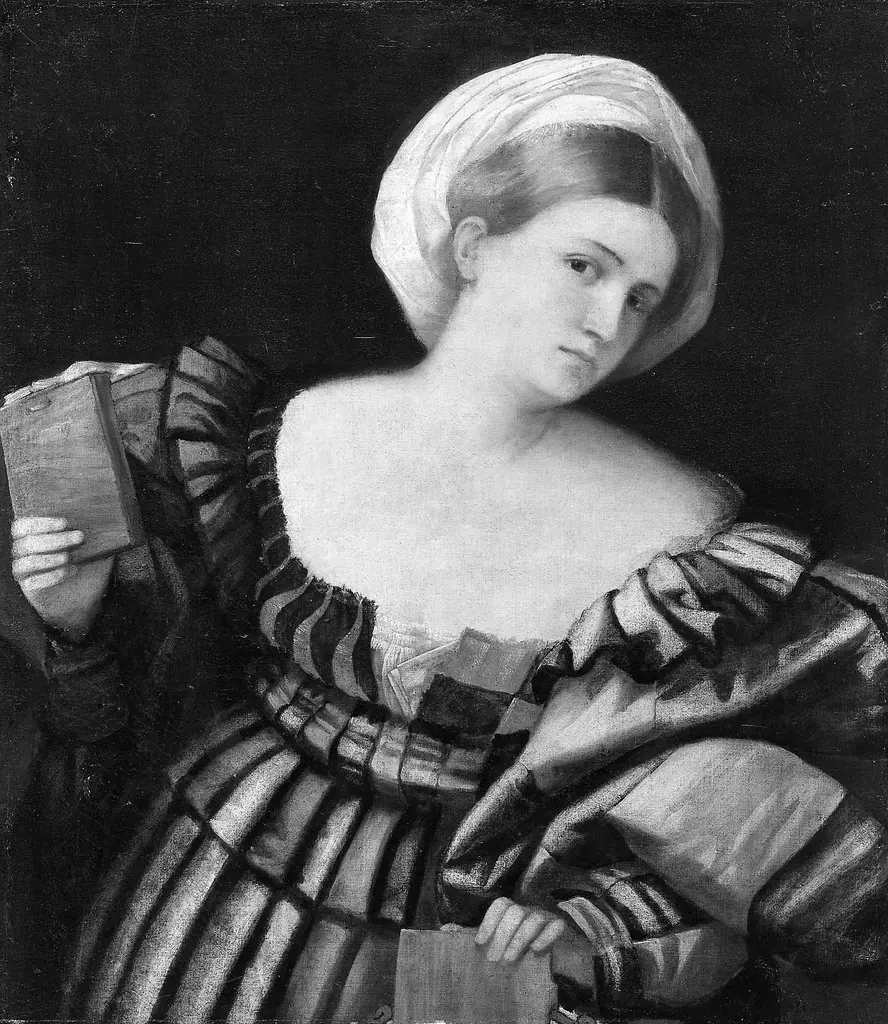 Woman Holding Two Tablets (the Cumaean Sibyl?)
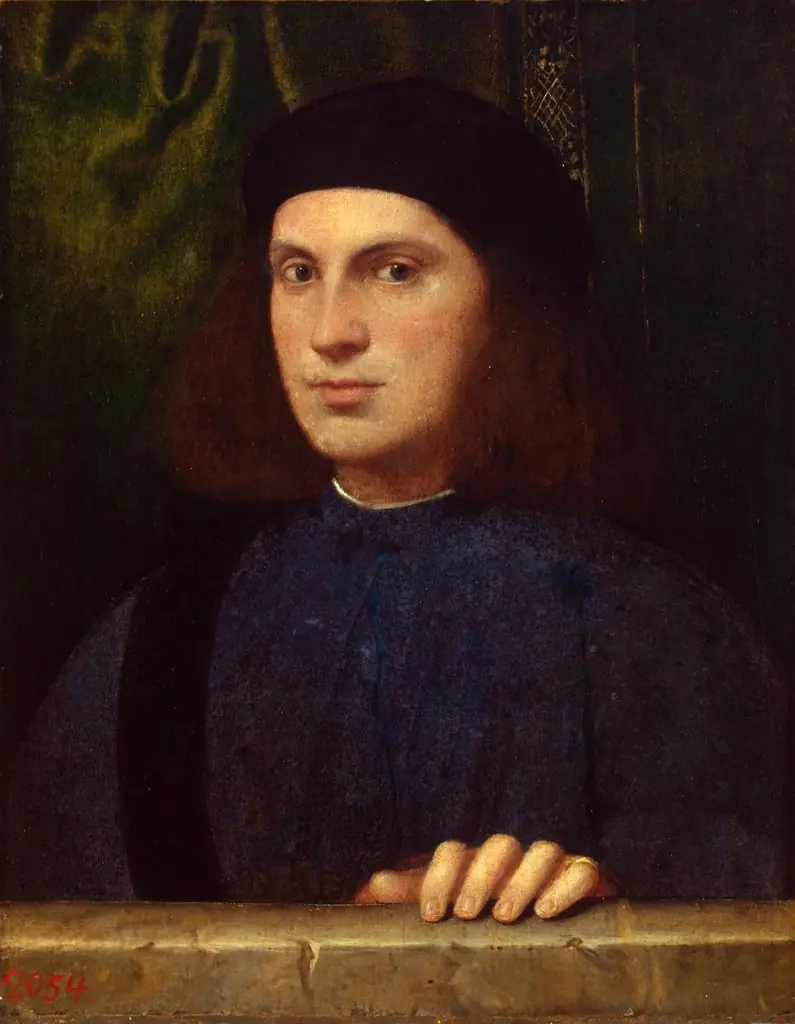 Portrait of a Young Man
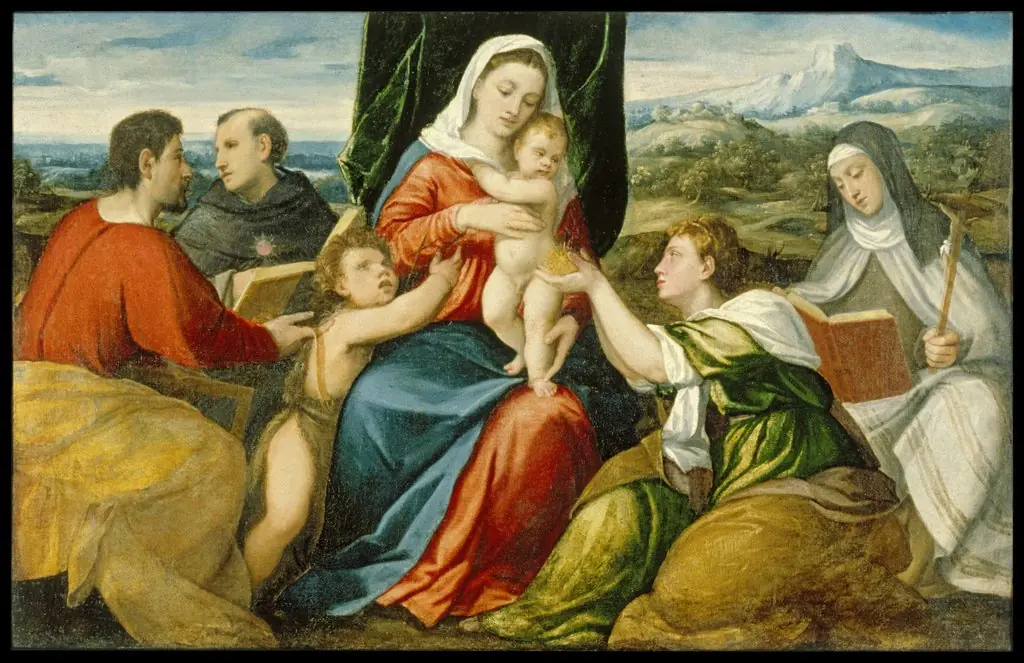 Madonna and Child with Saints
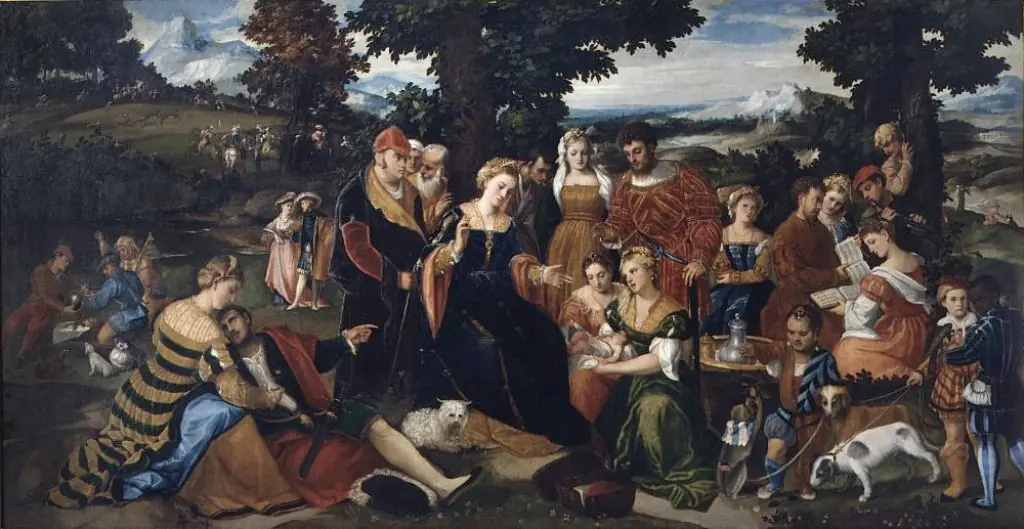 Finding of Moses
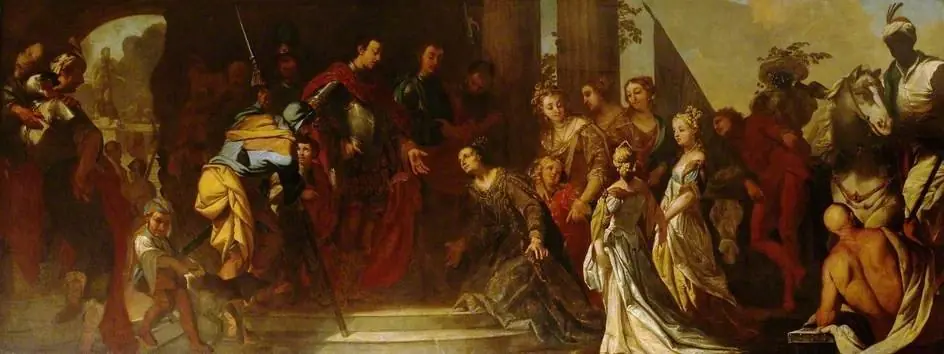 The Family of Darius before Alexander the Great
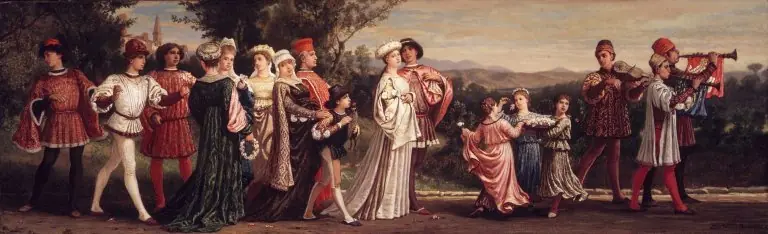 Wedding Procession
 Singer
 An historical scene
 Compoziție cu 5 personaje
 Seven Affairs of Charity
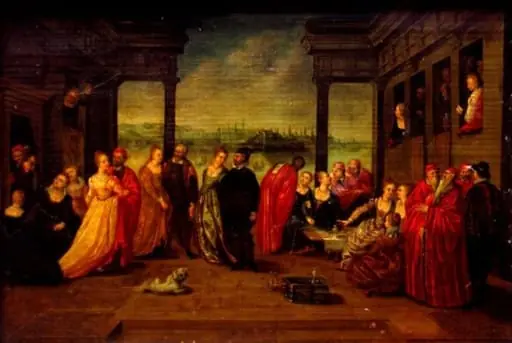 Petrecere venețiană
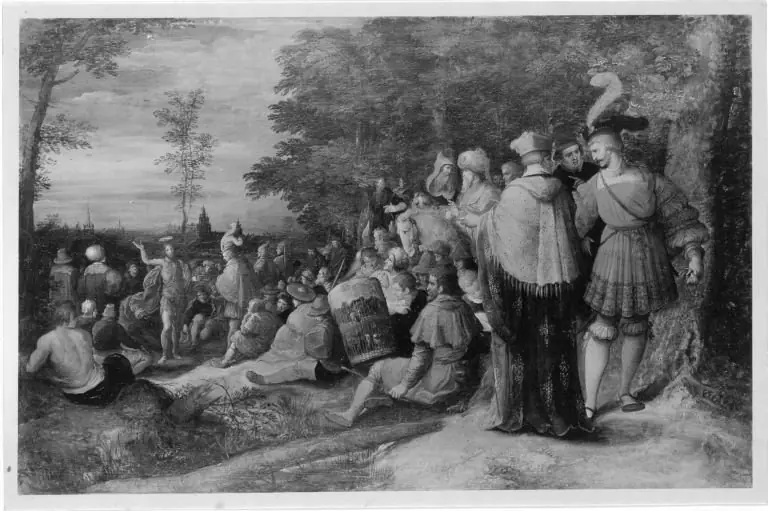 Predigt Johannes des Täufers
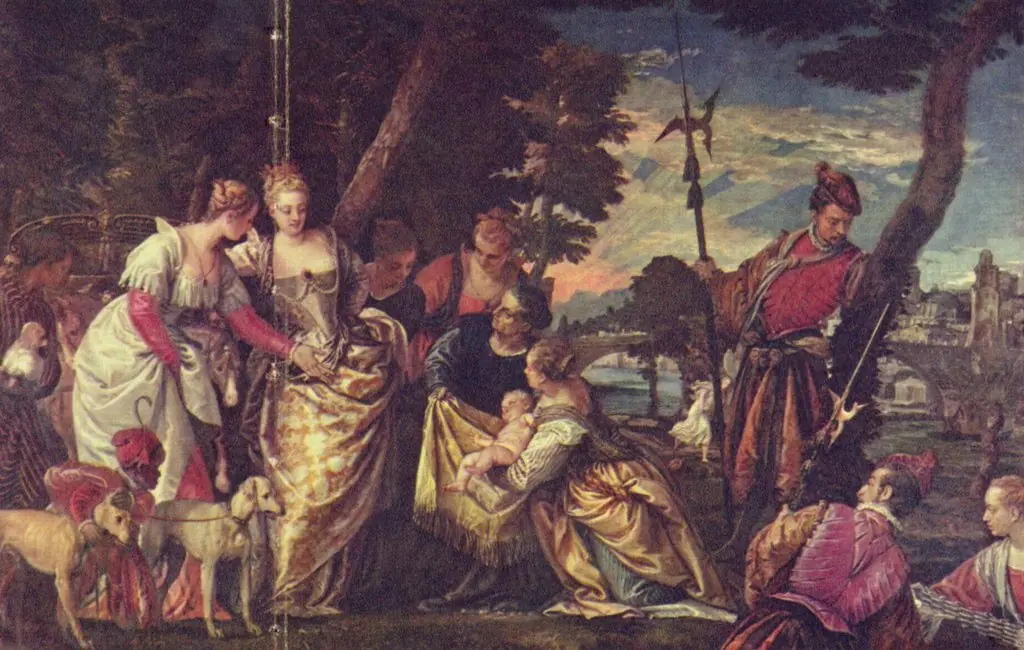 The Finding of Moses
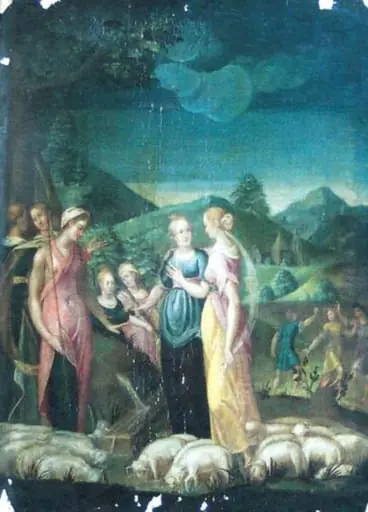 Scenă alegorică
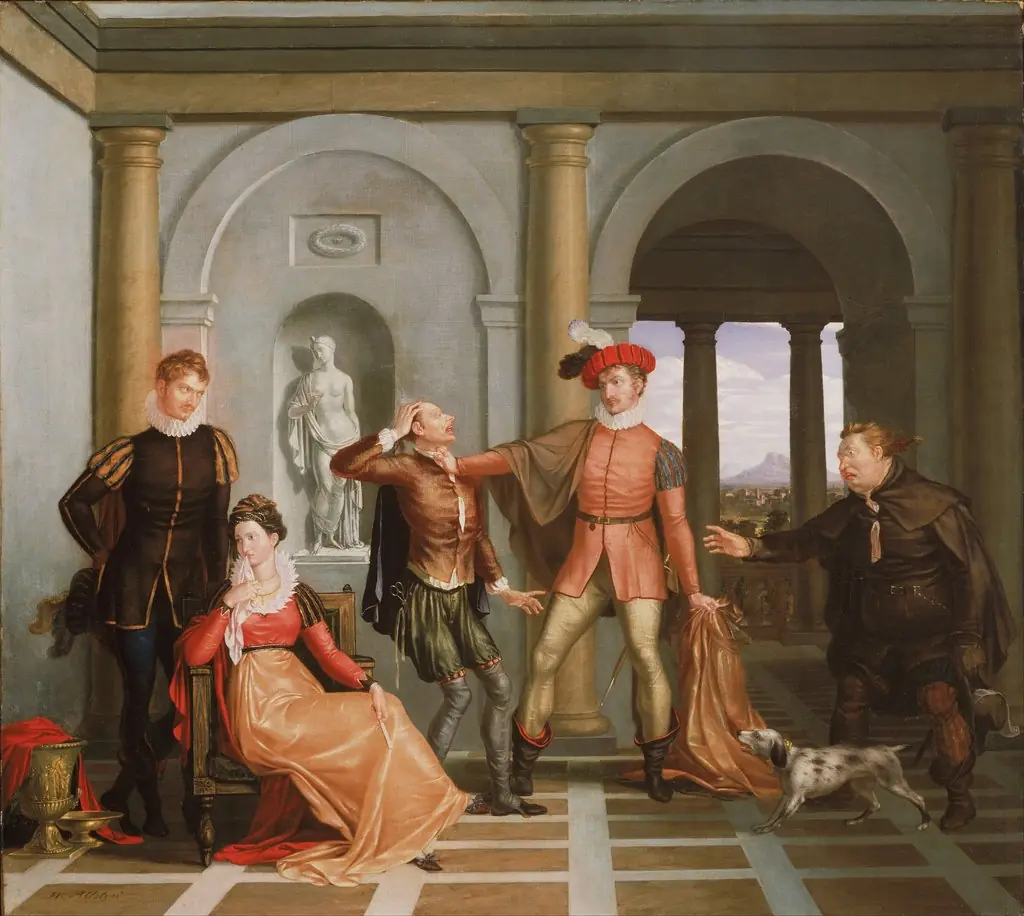 Katharina and Petruchio (Scene from Shakespeare's "The Taming of the Shrew")