Artwork
The Twelve Months of the Year (Los doce meses del año)
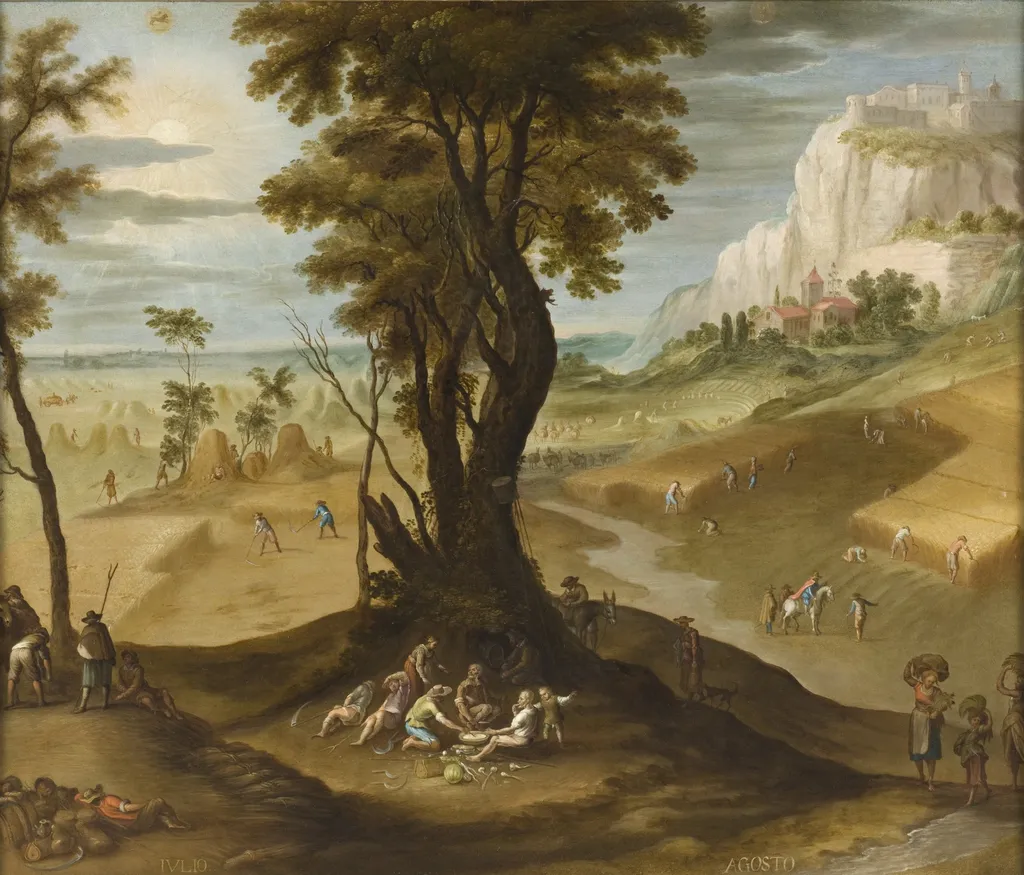
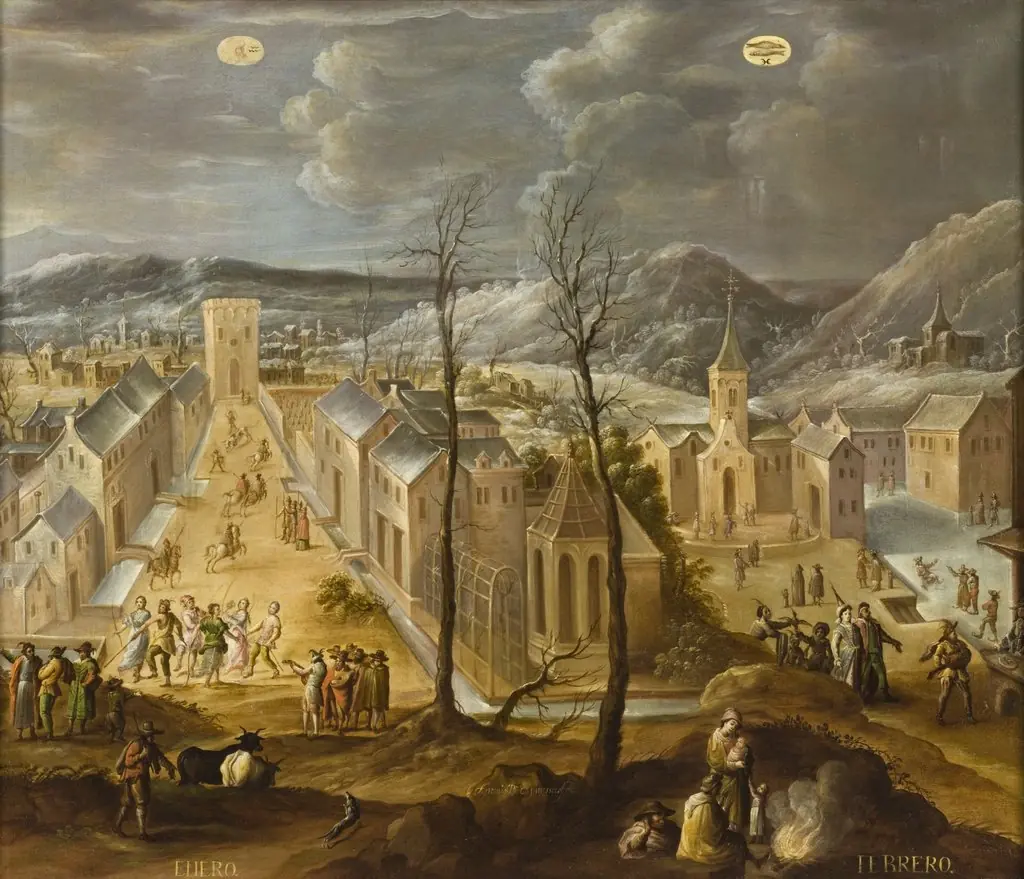
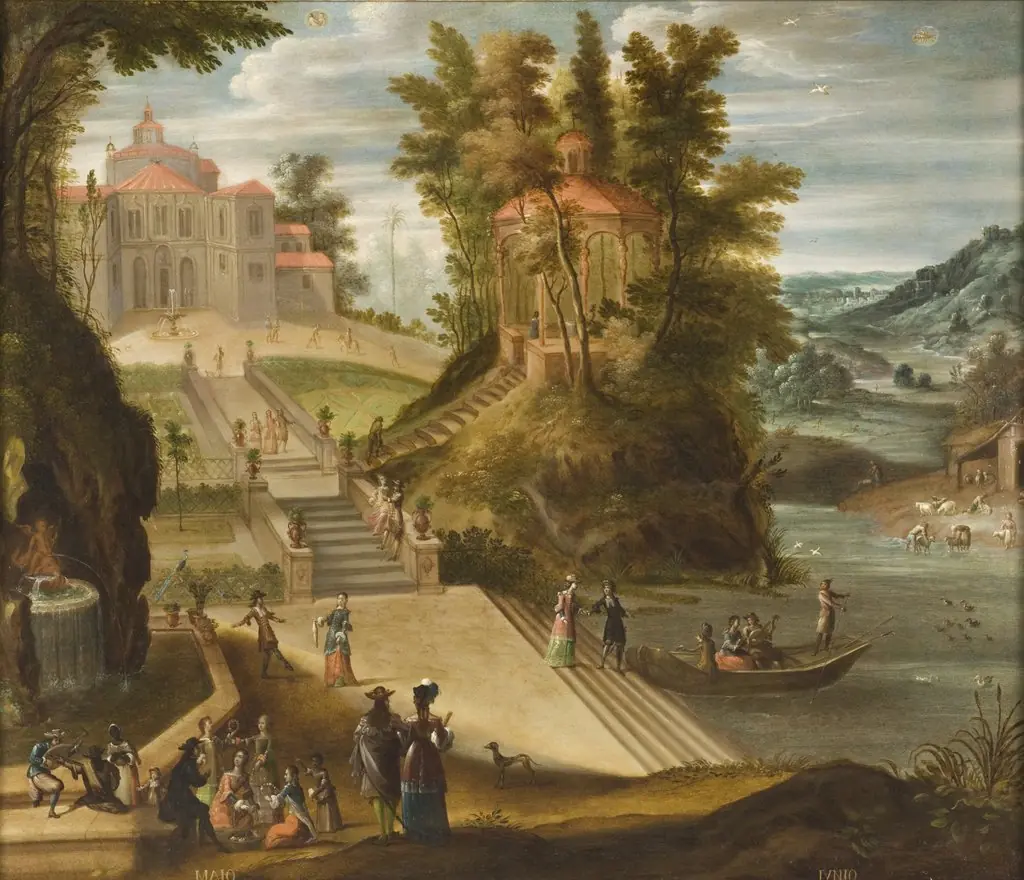
The Twelve Months of the Year (Los doce meses del año) is an unspecified painting by the Early Baroque Italian artist Antonio de Espinosa. It dates from 1650 and is held in the collection of the Los Angeles County Museum of Art.
About this work
Overview
Antonio de Espinosa’s mid‑17th‑century canvas, The Twelve Months of the Year, presents a bucolic landscape centered on a sprawling tree.
Antonio de Espinosa’s mid‑17th‑century canvas, The Twelve Months of the Year, presents a bucolic landscape centered on a sprawling tree. The composition balances figures at leisure with agricultural activity, set against distant hills and modest structures. Warm, sunlit tones dominate, giving the scene an inviting, pastoral atmosphere. The work is part of the Los Angeles County Museum of Art’s collection.
Subject & Meaning
The painting illustrates a seasonal cycle through everyday life: laborers harvest crops while families gather beneath the tree to eat, play, and rest. The tree functions as a focal point, symbolizing continuity and shelter across the months, while the surrounding figures convey a harmonious relationship between human activity and the natural world.
Technique & Style
Executed in oil on canvas, Espinosa employs fine brushwork to render detailed foliage, textured clothing, and varied terrain. A warm palette of ochres, greens, and earth tones creates depth, while subtle chiaroscuro models the figures and landscape. The composition integrates foreground intimacy with a receding background, characteristic of Spanish Baroque genre scenes.
History & Provenance
Created around 1650, the painting entered the Los Angeles County Museum of Art’s holdings in the 20th century, though earlier ownership records are sparse. Its attribution to Espinosa rests on stylistic analysis and comparative study with his documented oeuvre, confirming its place within his body of work.
Context
Espinosa worked during Spain’s Golden Age, a period when genre paintings depicting rural life and seasonal themes were popular among both aristocratic and middle‑class patrons. The work reflects contemporary interest in idealized countryside scenes that celebrate labor, leisure, and the passage of time.
Own this work as a print
Artist & collection
Artist
Antonio de Espinosa painted large folding screens in 17th-century New Spain, a time when Mexico was still part of Spain’s colonial world.

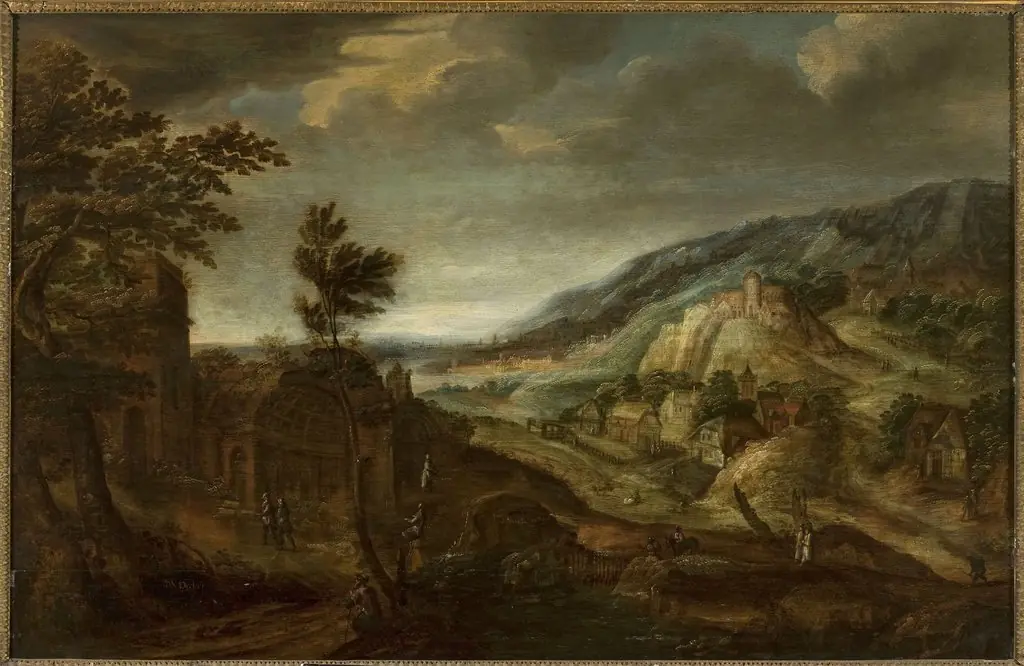 Mountain landscape
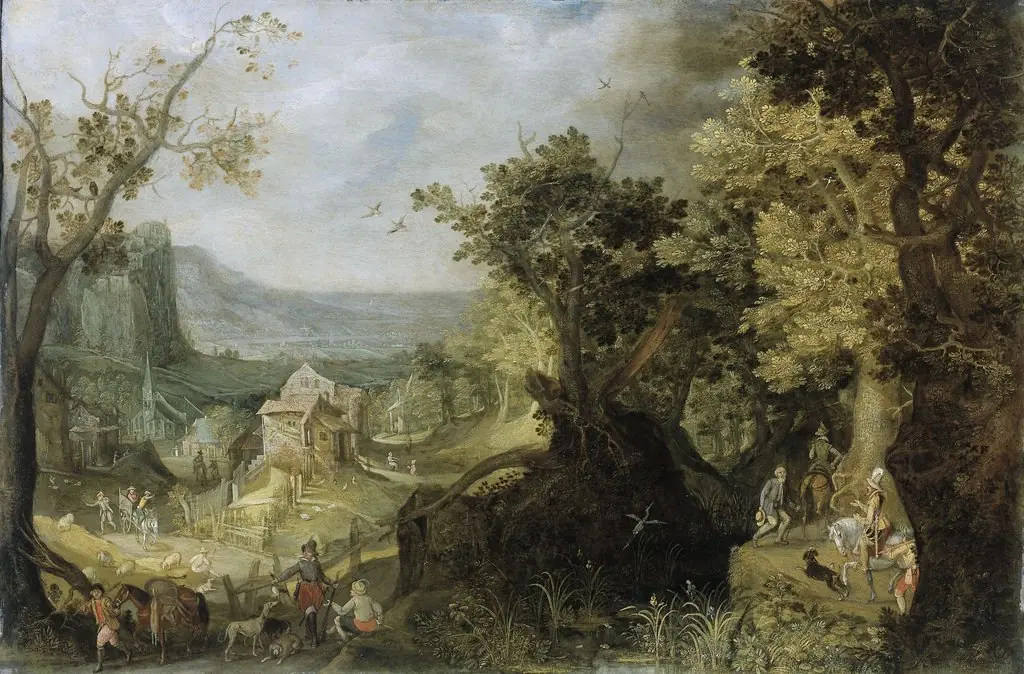 Wooded Landscape
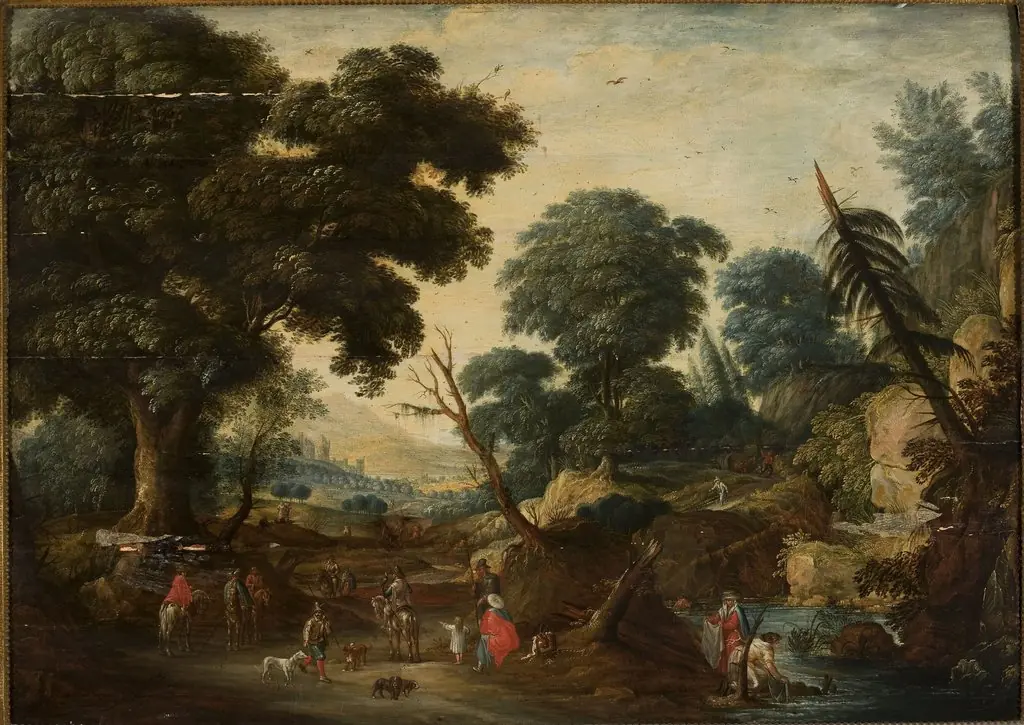 Mountain landscape with staffage
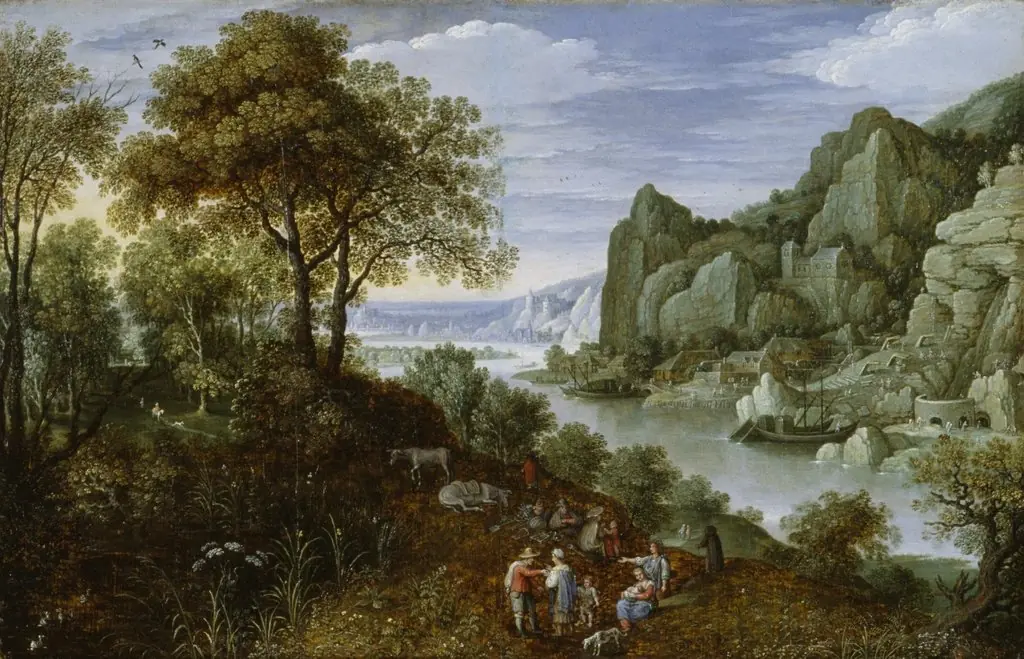 Mining Operations along a River
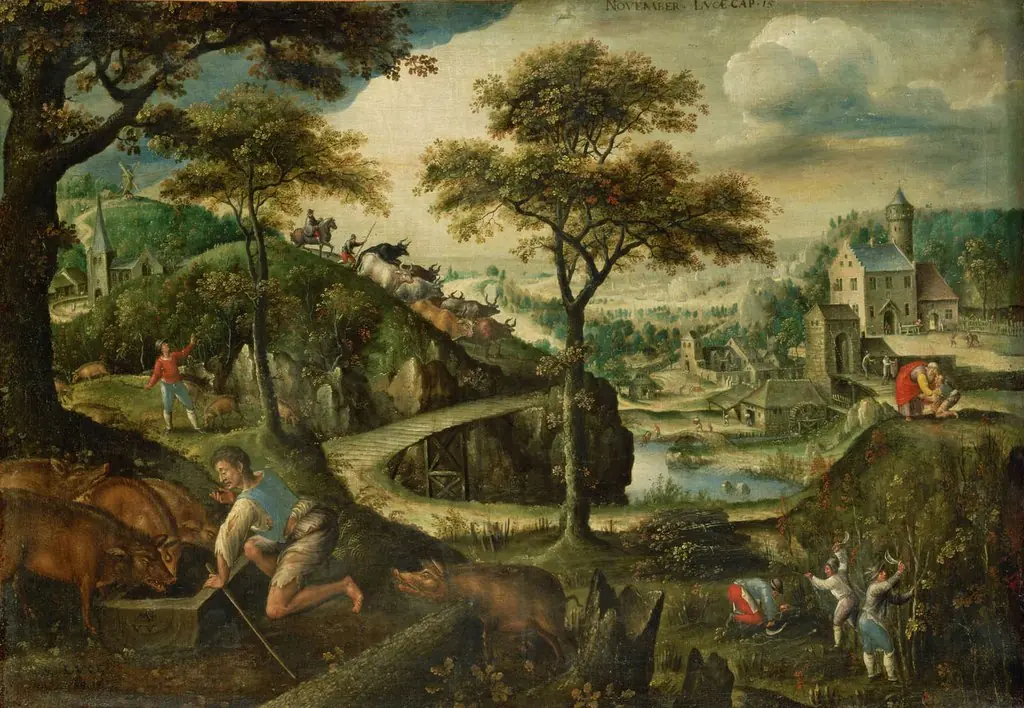 Parable of the prodigal son (November)
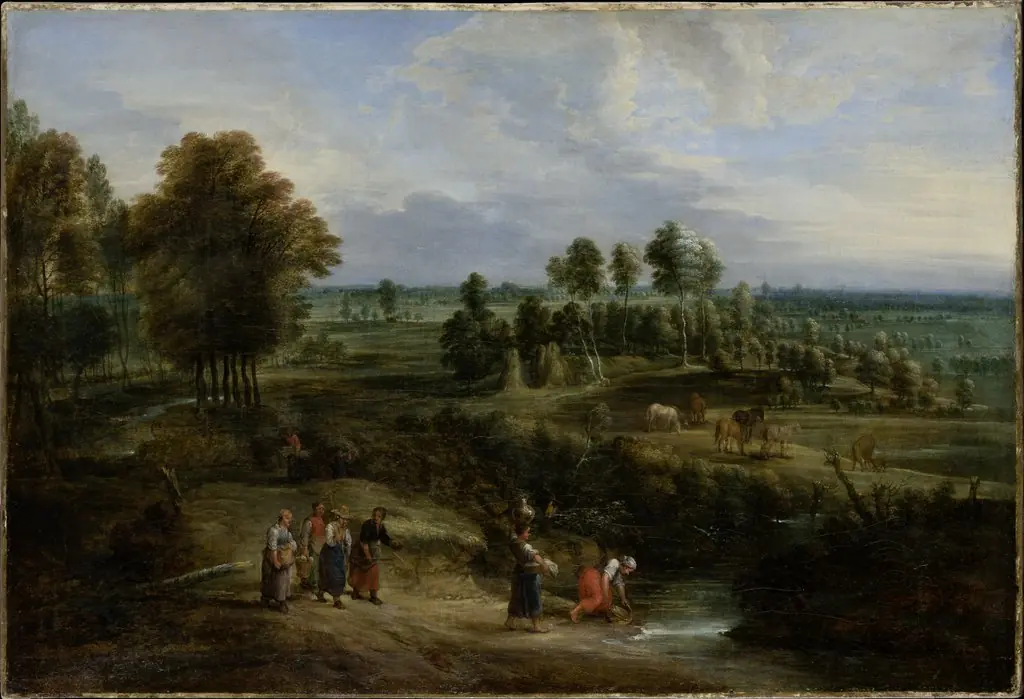 Landscape with Pastures and Clusters of Trees
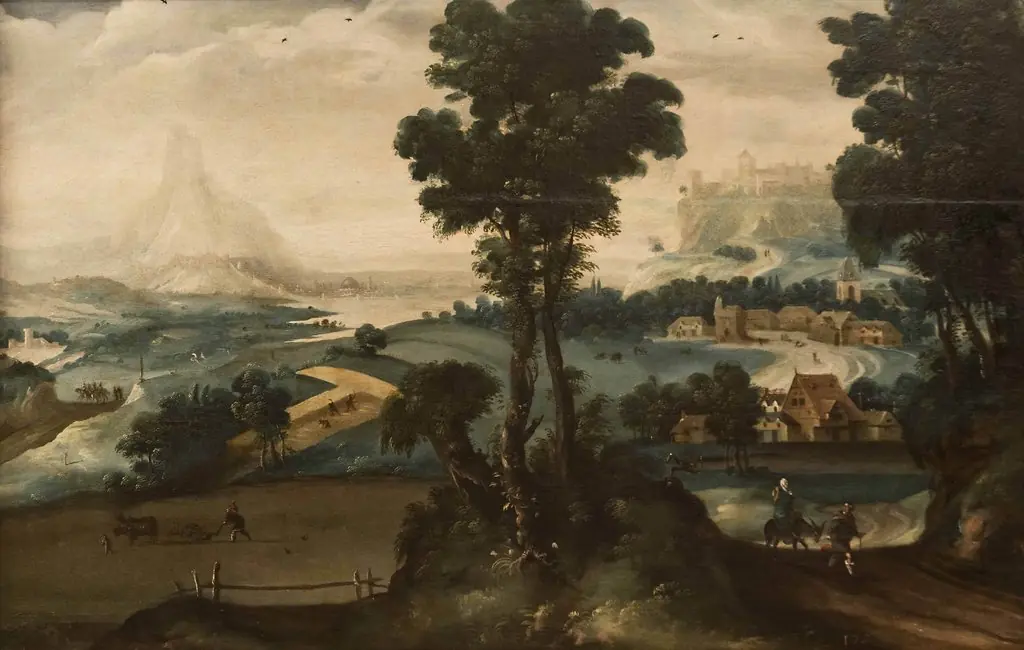 Landscape with The Flight into Egypt
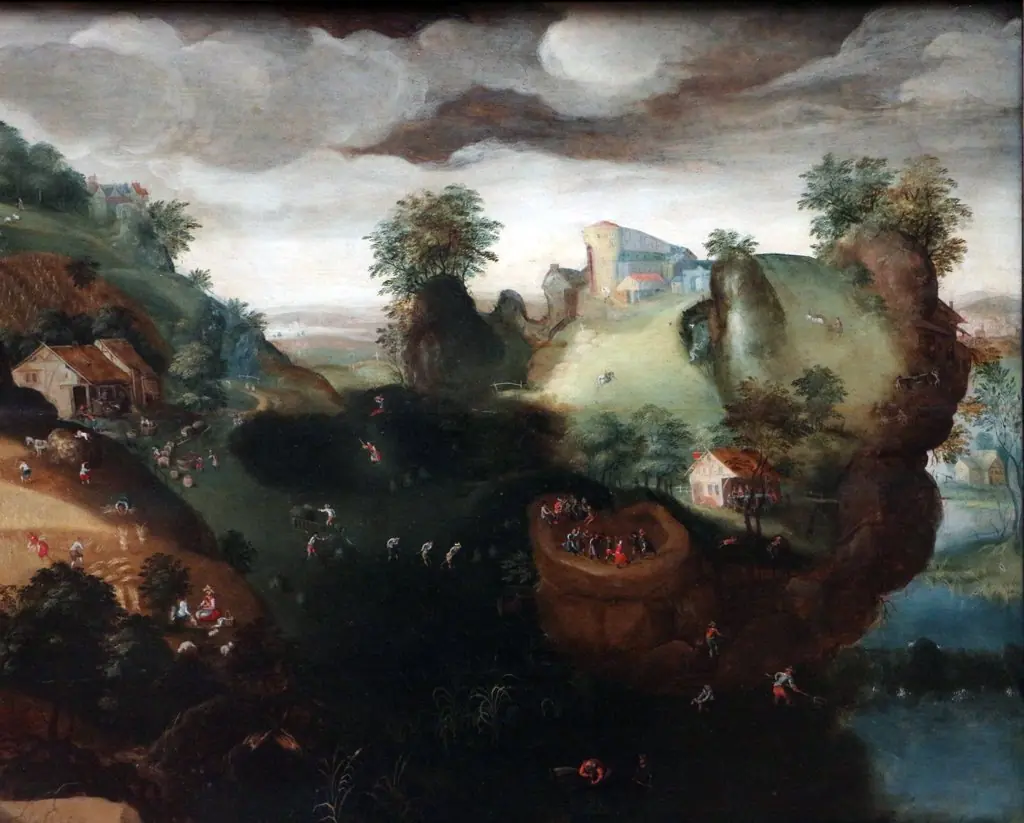 Antropomorf landschap - mannenportret
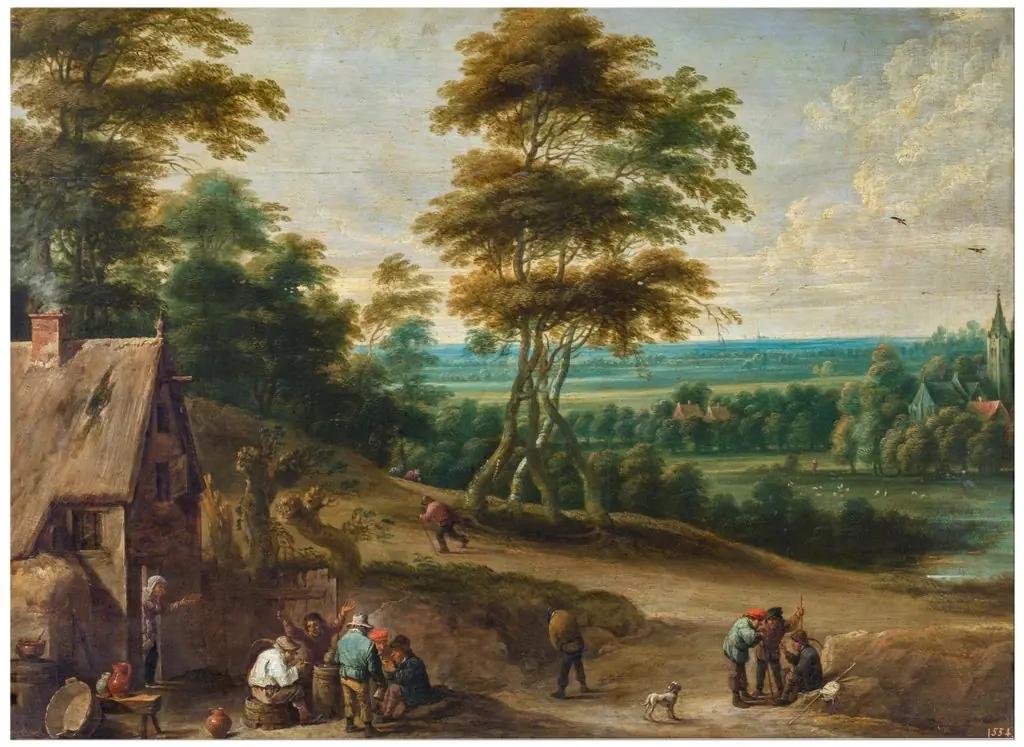 Villagers' Lunch
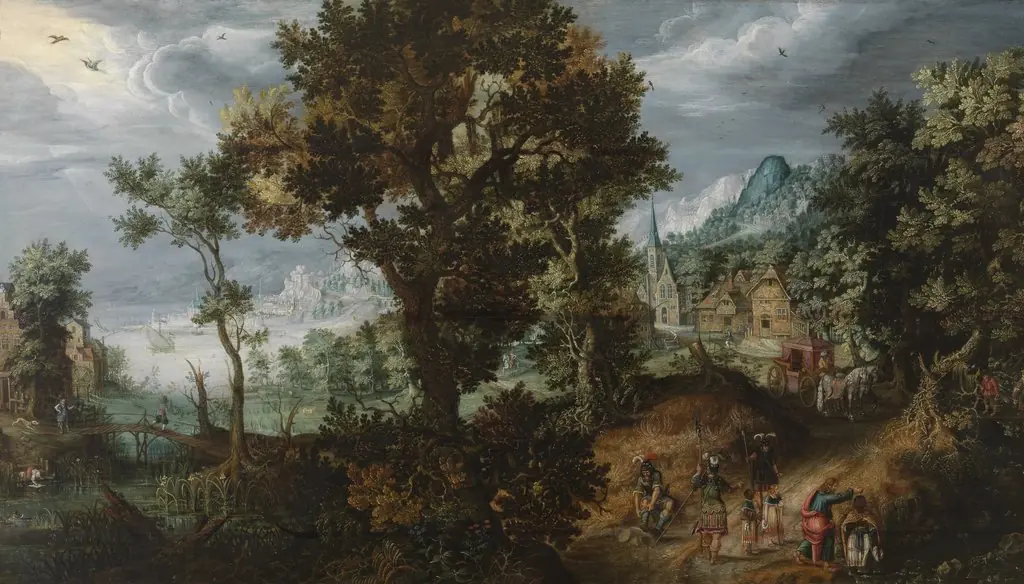 The Baptism of the Moorish Chamberlain