Artwork
The Twelve Months of the Year (Los doce meses del año)
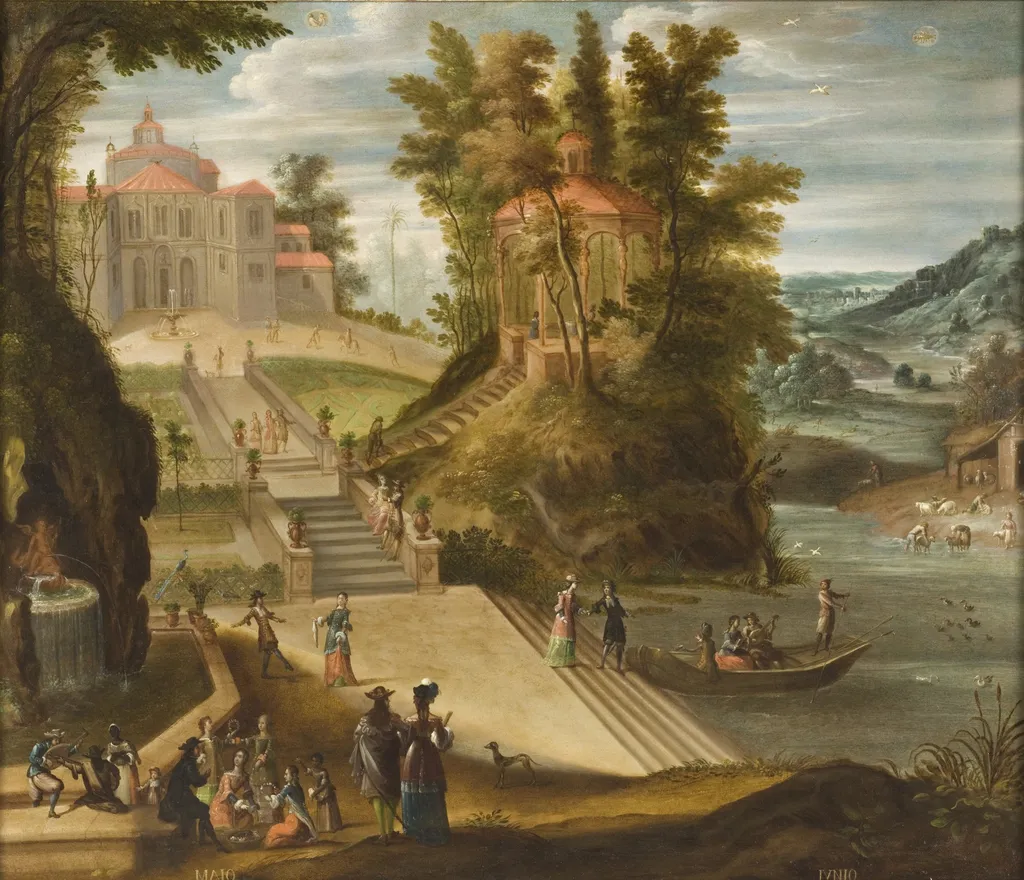
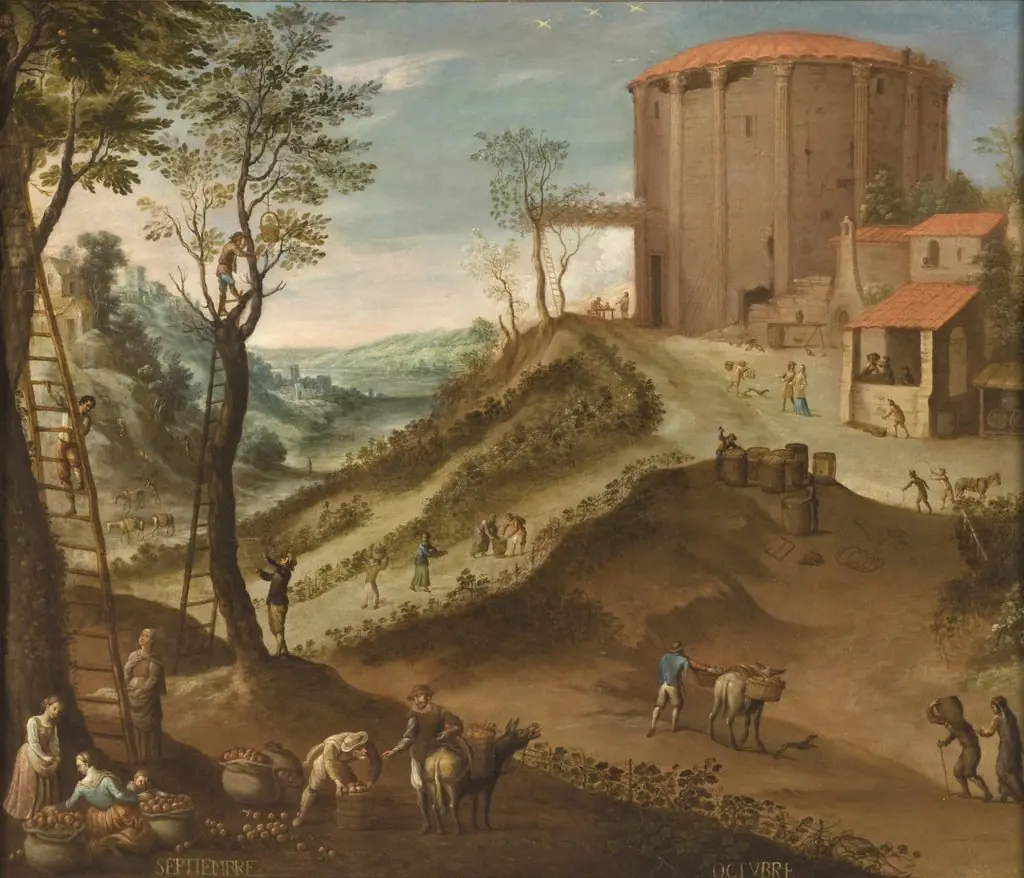
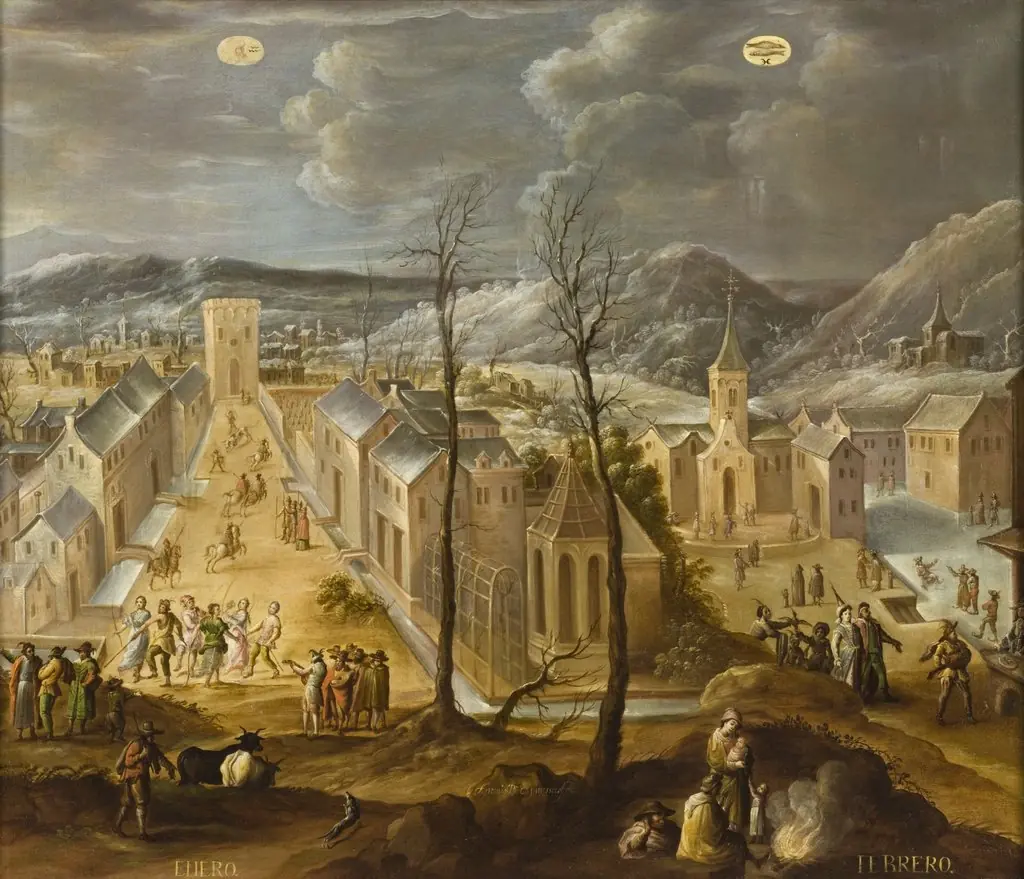
The Twelve Months of the Year (Los doce meses del año) is an unspecified painting by the Early Baroque Italian artist Antonio de Espinosa. It dates from 1650 and is held in the collection of the Los Angeles County Museum of Art.
About this work
Overview
The work is part of the Los Angeles County Museum of Art’s collection.
Antonio de Espinosa’s mid‑17th‑century canvas, The Twelve Months of the Year, presents a bustling outdoor tableau that combines everyday leisure with a subtle allegorical framework. The composition is anchored by a riverside setting where figures in period dress gather around a fountain, while a modest house with a red tiled roof and a solitary tree frame the scene. The work is part of the Los Angeles County Museum of Art’s collection.
Subject & Meaning
The painting portrays a convivial gathering of men and women engaged in dancing, music‑making, and casual conversation, suggesting a celebration of seasonal cycles. Though the title references the calendar months, the visual narrative focuses on communal enjoyment rather than explicit symbolic attributes for each month, allowing viewers to infer the passage of time through the lively interaction of the participants.
Technique & Style
Executed in oil on canvas, Espinosa employs a balanced palette of earthy tones punctuated by bright reds and greens, enhancing the festive atmosphere. Careful attention to the texture of fabrics, the reflective surface of the water, and the foliage demonstrates a refined handling of light and detail characteristic of Spanish Baroque genre painting.
History & Provenance
Created around 1650, the work remained in private collections for several centuries before entering the Los Angeles County Museum of Art. Its attribution to Espinosa has been confirmed through stylistic comparison with his other documented pieces, and the painting has been referenced in scholarly catalogues of 17th‑century Spanish art.
Context
During the mid‑1600s, Spanish painters often depicted domestic and festive scenes that reflected social customs and moral themes. Espinosa’s composition aligns with this tradition, offering a glimpse into contemporary attire, architecture, and leisure activities while subtly echoing the broader cultural emphasis on communal harmony and the cyclical nature of time.
Own this work as a print
Artist & collection
Artist
Antonio de Espinosa painted large folding screens in 17th-century New Spain, a time when Mexico was still part of Spain’s colonial world.

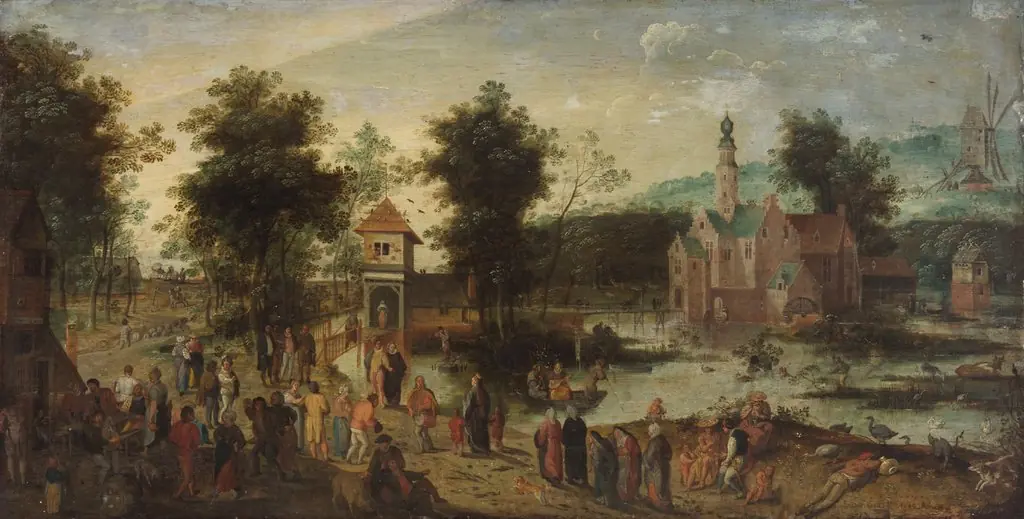 Landscape with castle and tavern
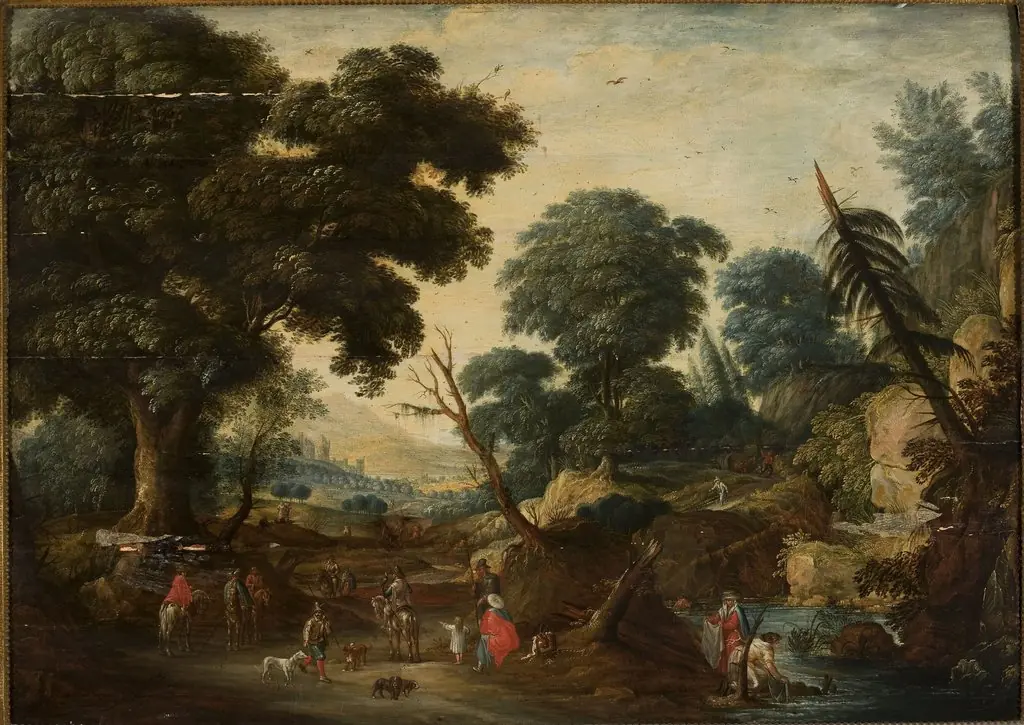 Mountain landscape with staffage
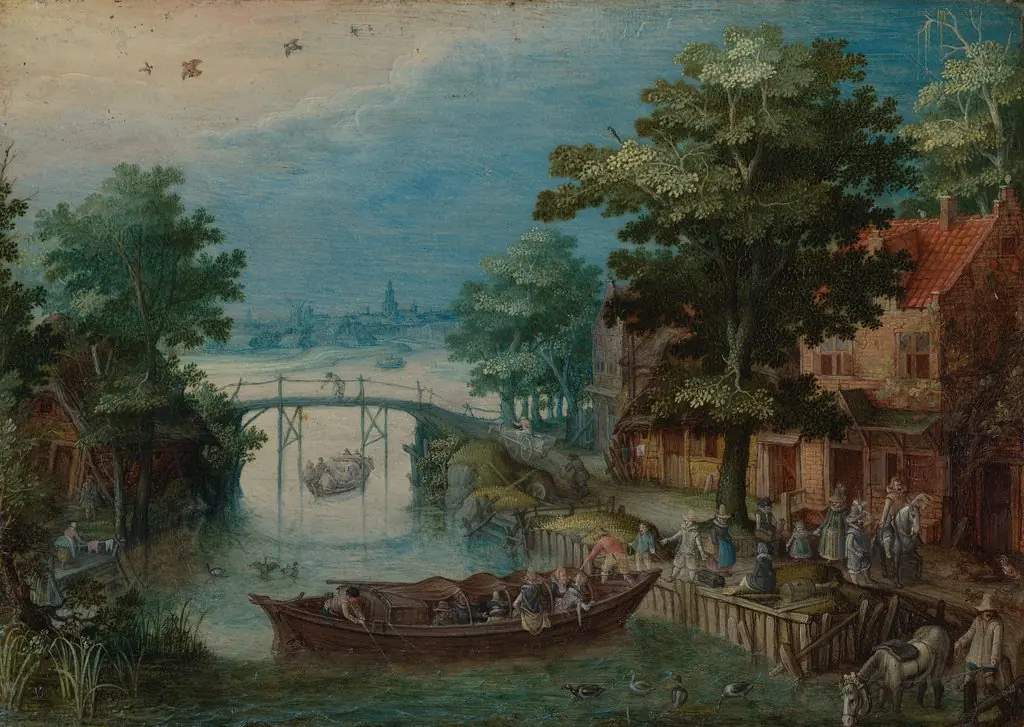 Summer Landscape
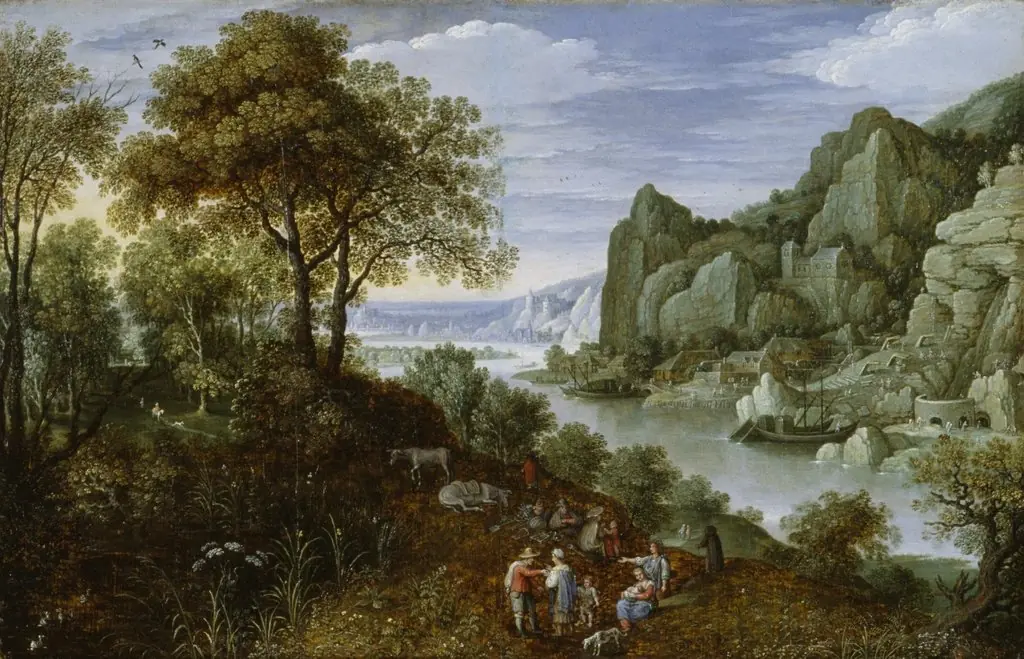 Mining Operations along a River
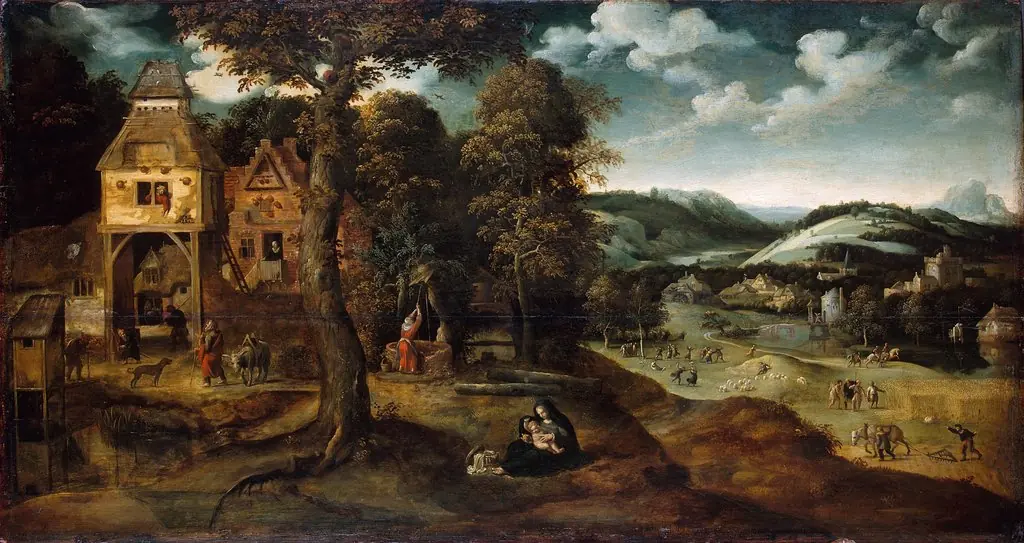 Landscape with the Rest on the Flight into Egypt
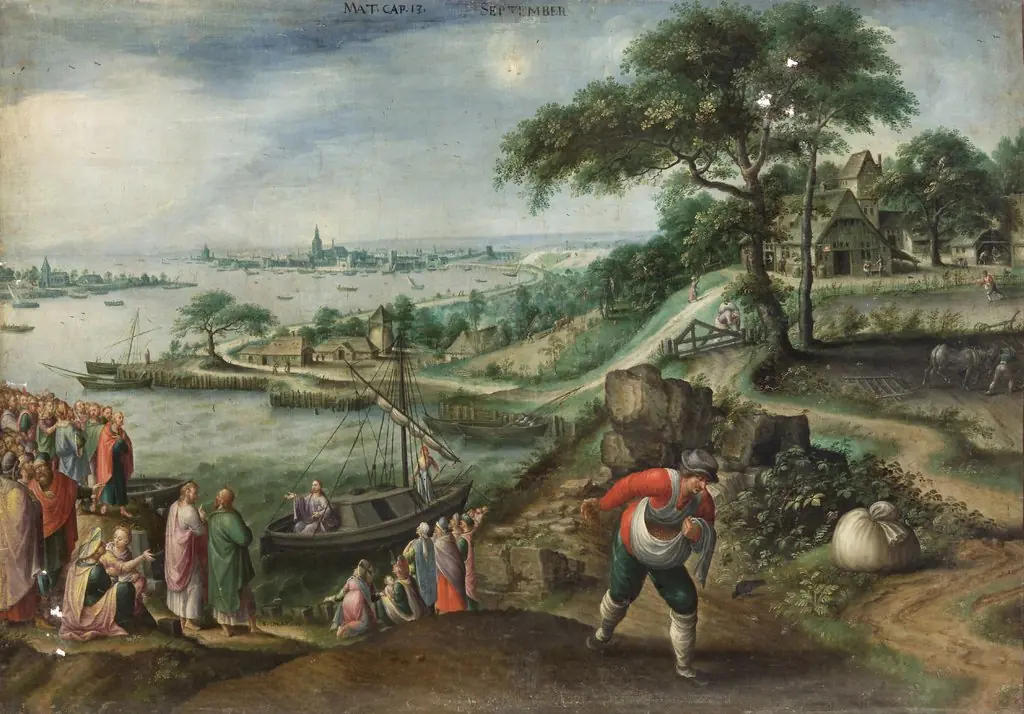 Parable of the sower (September)
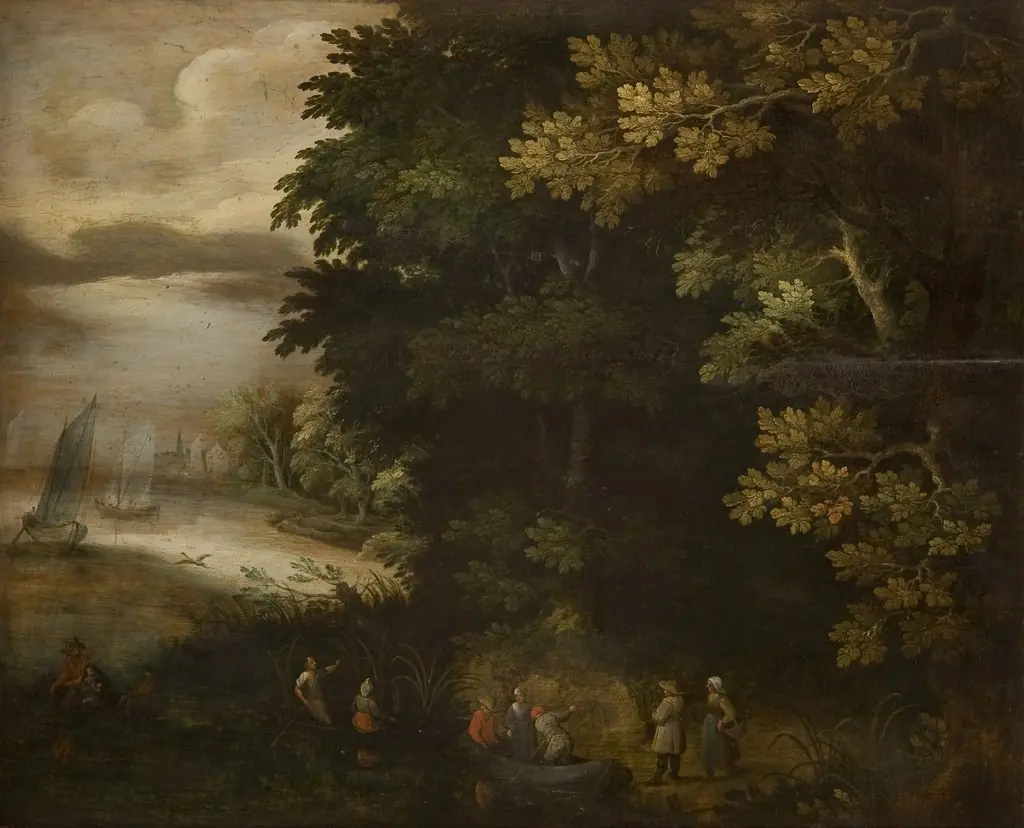 Landscape with the Scene of the Flight to Egypt
 Wooded Landscape
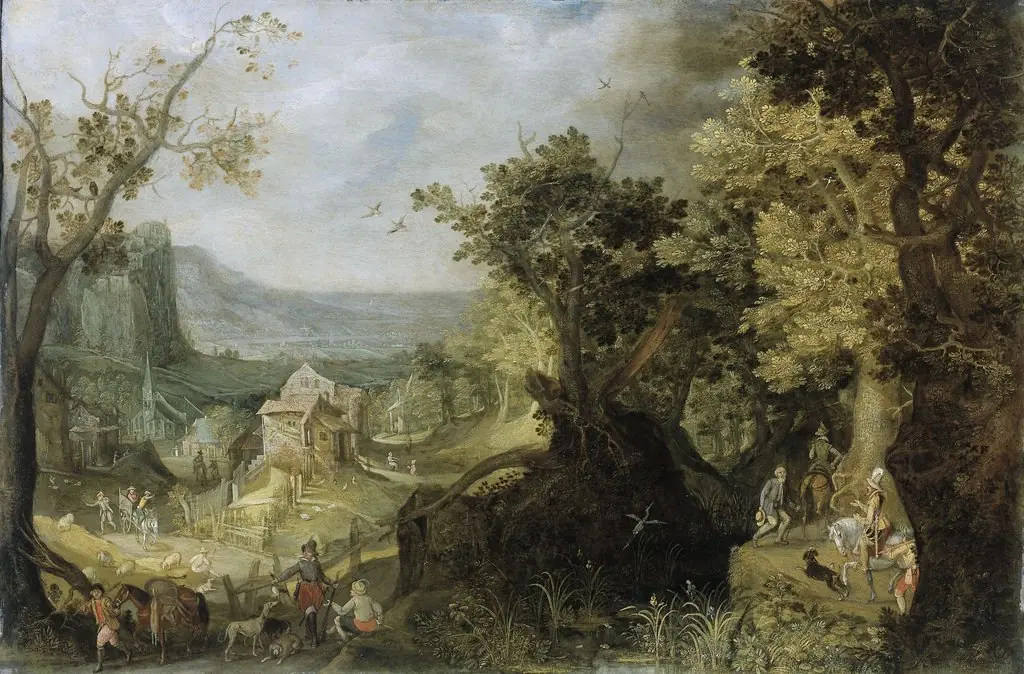
 Hunter and Horsemen on a Wooded Road, with a Village in a Valley beyond
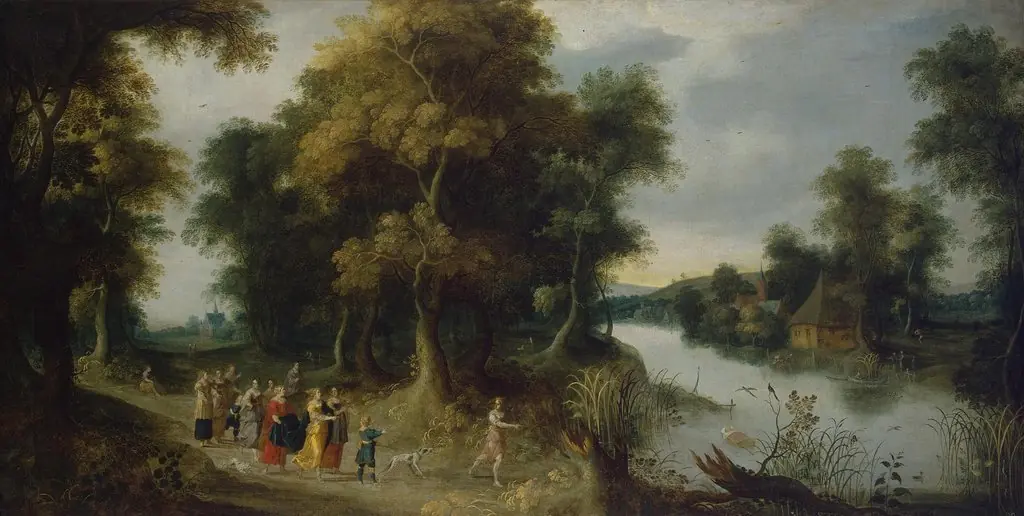 Finding of Moses
 Rocky Landscape