Artwork
Reverberations of Taiga, Volume 1 (leaf 16)
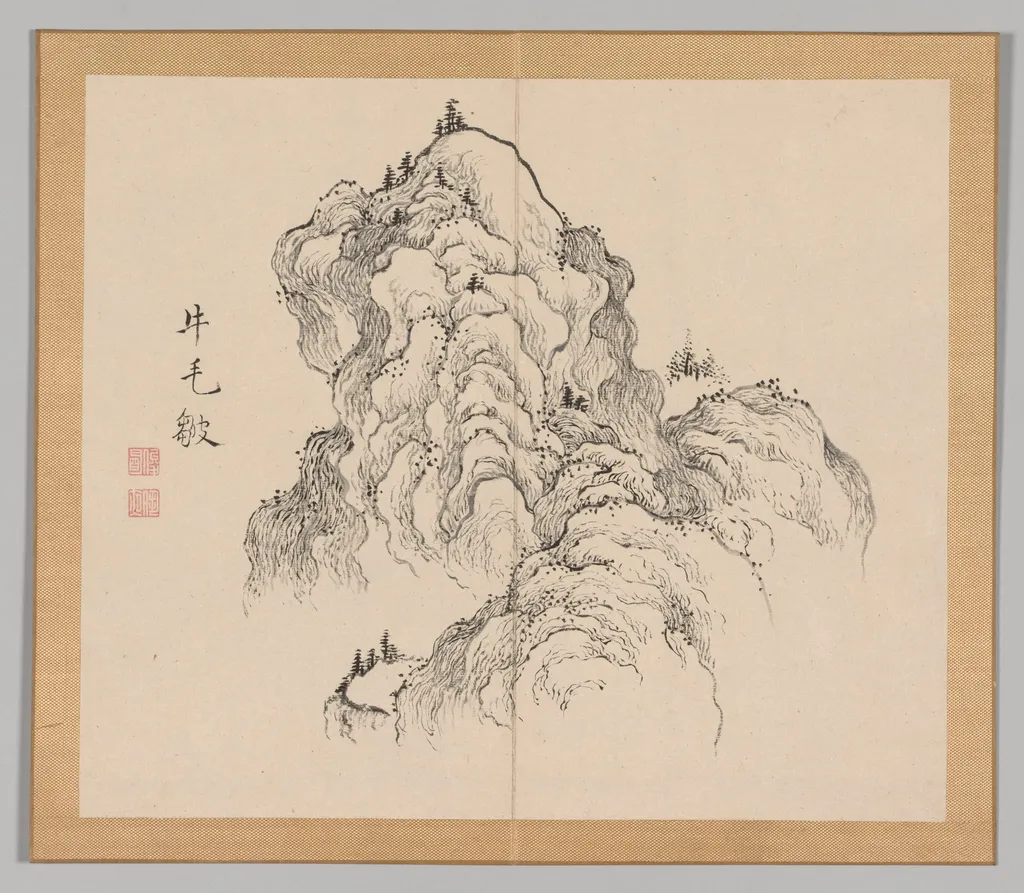
Reverberations of Taiga, Volume 1 (leaf 16) is a work on paper by the Baroque artist Aoki Shukuya. It dates from 1704 and is held in the collection of the Cleveland Museum of Art.
About this work
Overview
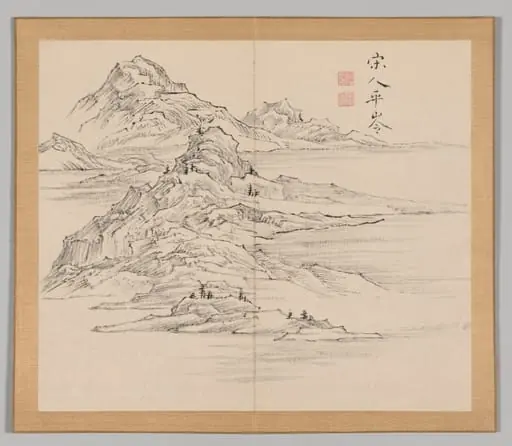
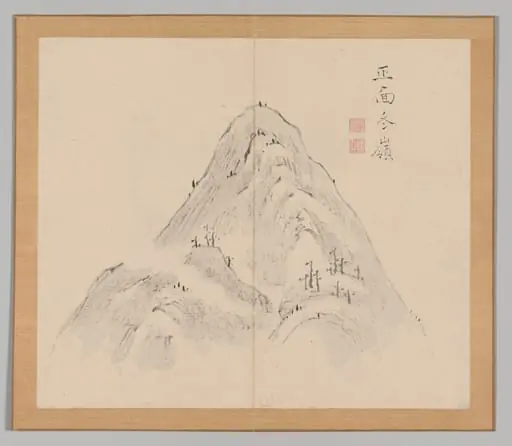
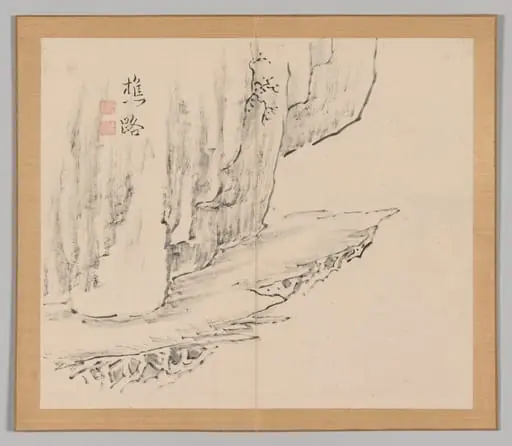
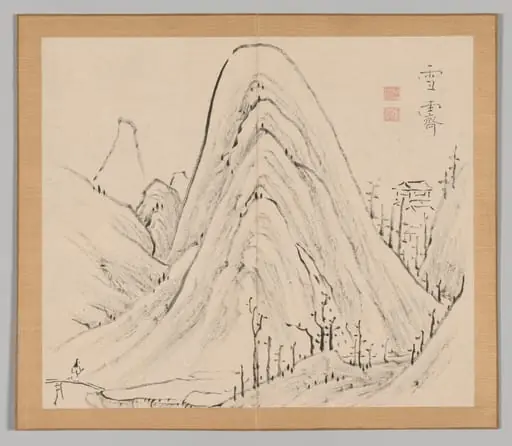
Reverberations of Taiga, Volume 1 (leaf 16) is a portfolio page featuring simple, quiet ink sketches of natural elements—rocks, trees, and misty mountains—executed in a style reflective of Shukuya's training under a prominent Kyoto artist.
Subject & Meaning
The subject matter consists of elemental natural forms (rocks, trees, mountains) depicted in a serene, minimalist manner, emphasizing the practice of technique over artistic statement. These exercises in ink and brushwork were fundamental to the traditional Japanese apprenticeship model.
Technique & Style
The piece showcases Shukuya's practice of his master's bold brushstrokes, focusing on achieving shading and flow. Faint ink lines convey movement and depth with minimal detail, illustrating the early stages of mastering traditional Japanese painting techniques.
History & Provenance
Created by Shukuya, a pupil of the renowned Kyoto artist Ikeno Taiga, this work demonstrates the traditional apprenticeship method where copying a master's style was a precursor to developing one's own. The exact date and full provenance are not specified in the provided information.
Context
This work is contextualized within the Edo period's artistic training practices, where apprentices like Shukuya would replicate their masters' compositions to hone skills before potentially innovating. For comparison, Ikeno Taiga's original works can be found at The Cleveland Museum of Art.
Legacy
While not a finished artwork in itself, this portfolio leaf illustrates the foundational learning process of Edo-era artists, offering insight into the evolution of personal styles through the replication of masters. Its significance lies in documenting the traditional apprenticeship system.
Artist & collection

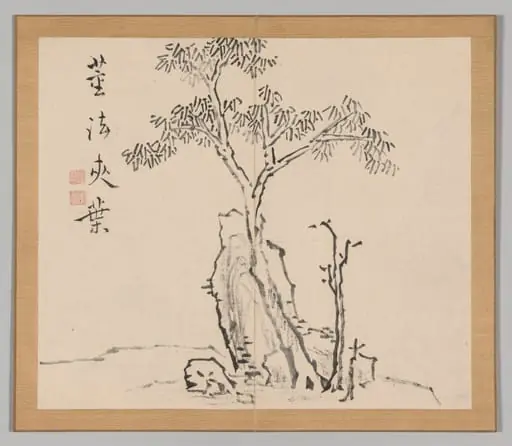 Reverberations of Taiga, Volume 1 (leaf 4)
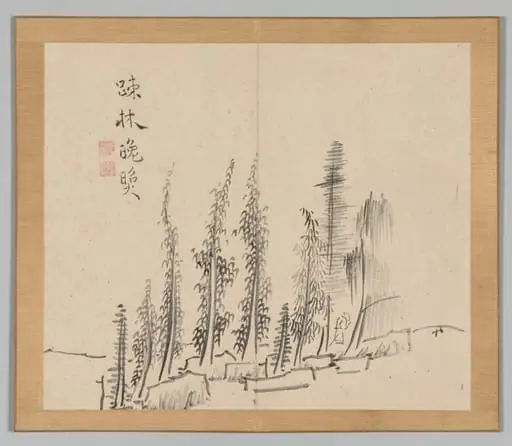 Reverberations of Taiga, Volume 2 (leaf 30)
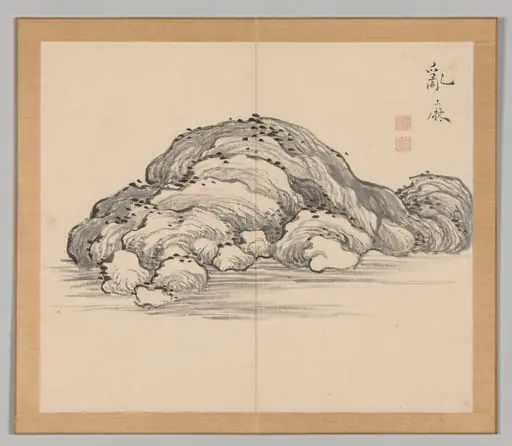 Reverberations of Taiga, Volume 1 (leaf 12)
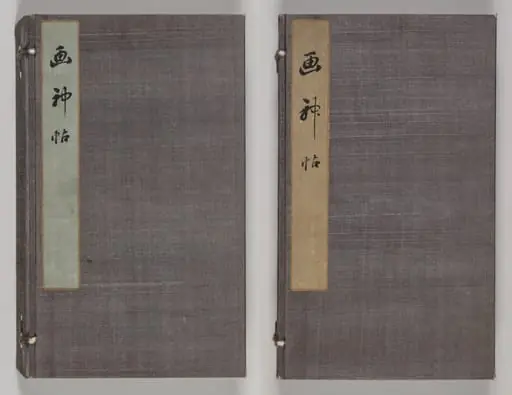 Reverberations of Taiga
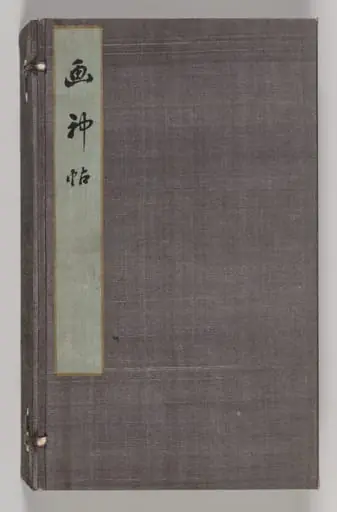 Reverberations of Taiga (Volume 1)
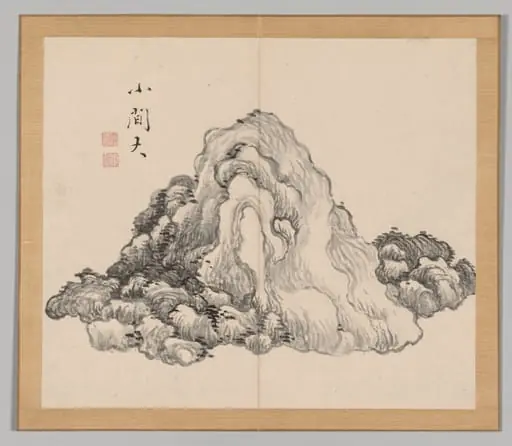 Reverberations of Taiga, Volume 1 (leaf 7)
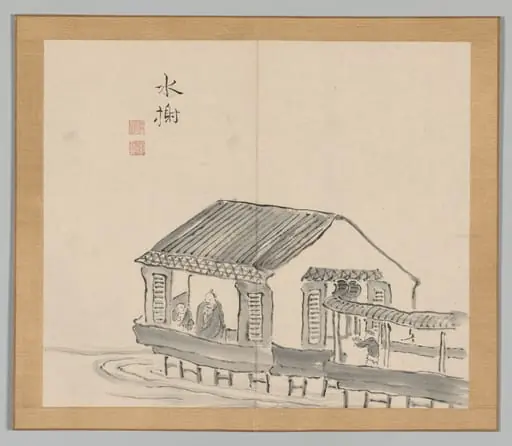 Reverberations of Taiga, Volume 2 (leaf 29)
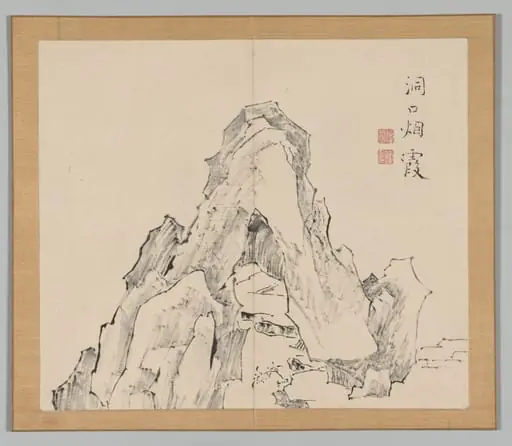 Reverberations of Taiga, Volume 2 (leaf 20)