Artwork
Reverberations of Taiga, Volume 1 (leaf 17)
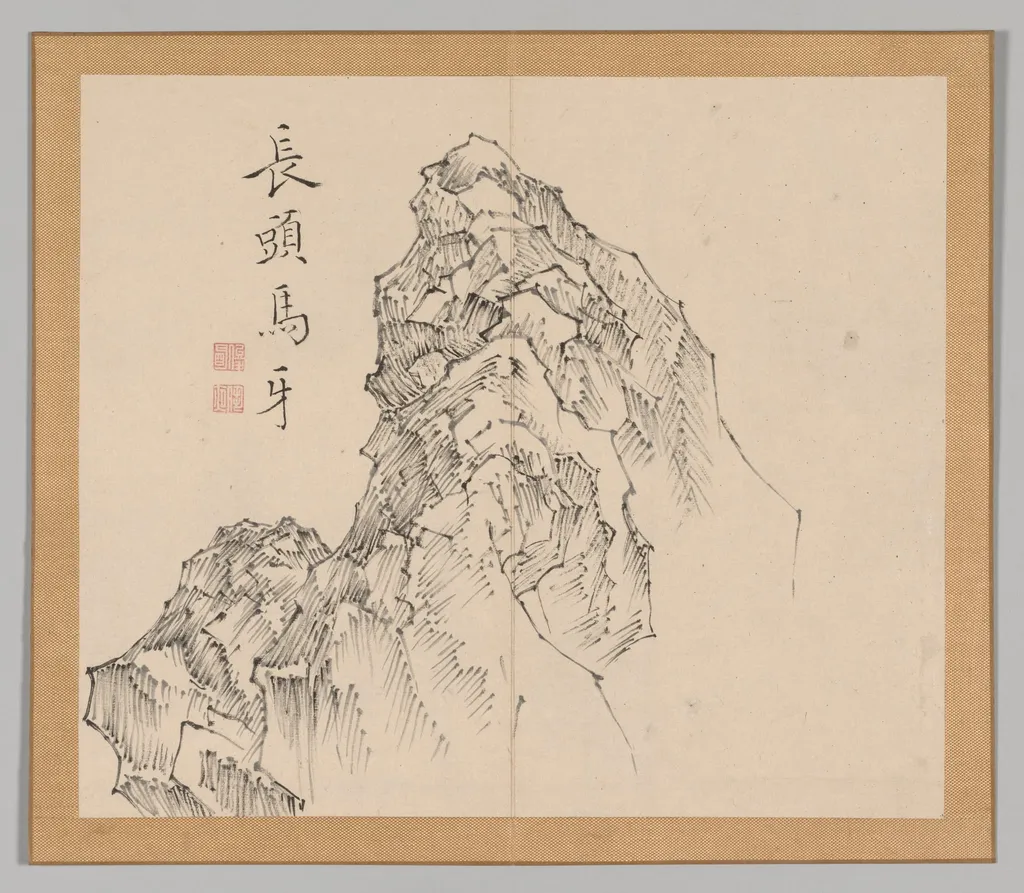
Reverberations of Taiga, Volume 1 (leaf 17) is a work on paper by the Baroque artist Aoki Shukuya. It dates from 1704 and is held in the collection of the Cleveland Museum of Art. This leaf is part of a training portfolio by Shukuya, a student of the Kyoto painter Ikeno Taiga.
About this work
Overview
Created as an exercise in ink technique, it captures natural forms—rocks, trees, and mountains—not as polished compositions, but as direct studies.
This leaf is part of a training portfolio by Shukuya, a student of the Kyoto painter Ikeno Taiga. Created as an exercise in ink technique, it captures natural forms—rocks, trees, and mountains—not as polished compositions, but as direct studies. The work reveals the process of learning: pencil underdrawings remain visible, and ink strokes are hesitant, uneven, and slightly blurred where they meet the paper.
Subject & Meaning
The subject is landscape elements rendered in minimal, expressive forms. Rocks are angular and heavy; trees twist with organic tension. These are not idealized scenes but observational fragments, meant to internalize the rhythms of nature as taught by Taiga. The lack of finish suggests intent: the goal was not representation, but understanding through repetition and gesture.
Technique & Style
Ink is applied with quick, unrefined brushwork, showing the artist’s developing control. Bleeding edges and visible pencil guides indicate a working process, not a final product. The style reflects Taiga’s synthesis of Chinese ink traditions and Japanese sensibilities, but here, the execution is less assured—marking the student’s struggle to master brush pressure, ink density, and compositional balance.
History & Provenance
Shukuya studied under Ikeno Taiga in Kyoto during the Edo period, when apprenticeship was the standard path for artists. This leaf likely belonged to a bound notebook used for daily practice. Such portfolios were rarely preserved as art objects; their survival suggests they were valued as pedagogical records, passed down or collected by later scholars of Taiga’s lineage.
Context
In 18th-century Japan, artistic training relied on copying a master’s models to internalize technique before developing individual expression. Taiga, known for blending Chinese literati aesthetics with Japanese naturalism, encouraged direct observation of nature. Shukuya’s sketches reflect this pedagogy: they are exercises in perception, not finished works, embodying the discipline required to become a painter.
Legacy
These sketches offer insight into the unseen labor behind traditional Japanese painting. While Taiga’s finished works are better documented, student exercises like this reveal how stylistic foundations were built. They remain valuable not for their aesthetic polish, but for their honesty—capturing the moment when technique begins to emerge from imitation.
Artist & collection

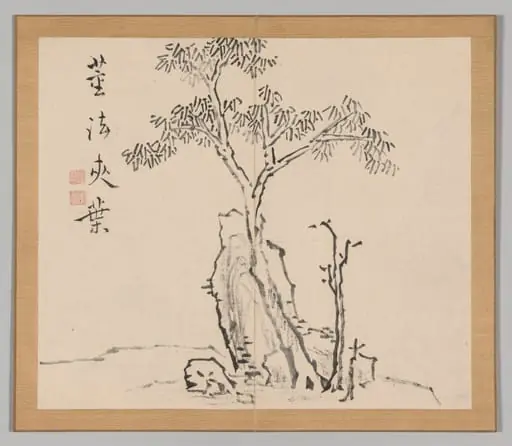 Reverberations of Taiga, Volume 1 (leaf 4)
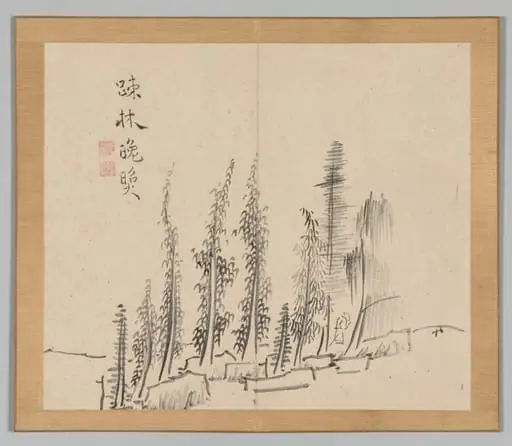 Reverberations of Taiga, Volume 2 (leaf 30)
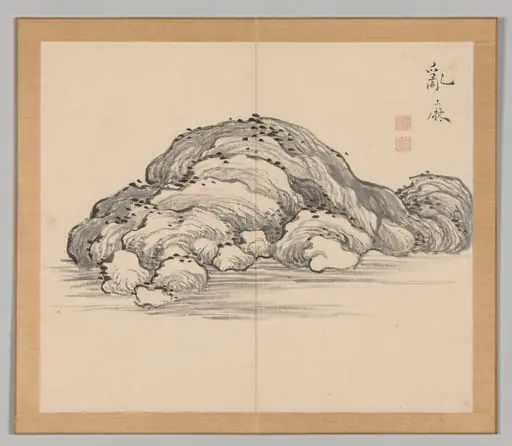 Reverberations of Taiga, Volume 1 (leaf 12)
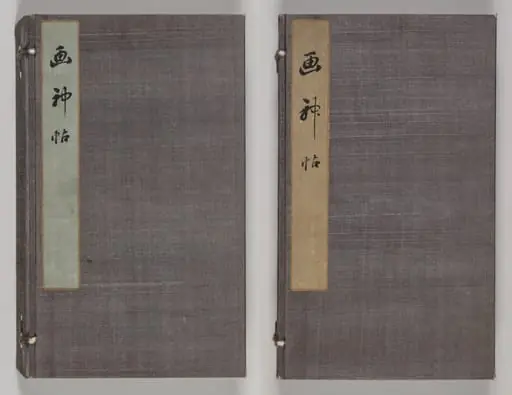 Reverberations of Taiga
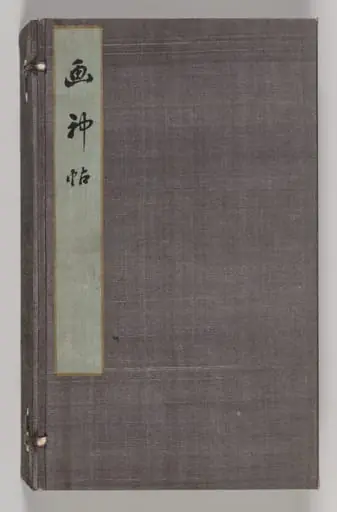 Reverberations of Taiga (Volume 1)
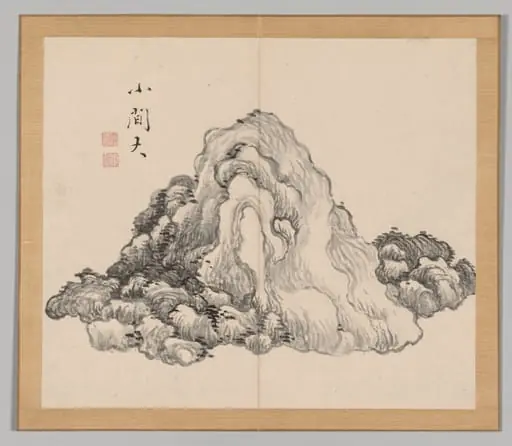 Reverberations of Taiga, Volume 1 (leaf 7)
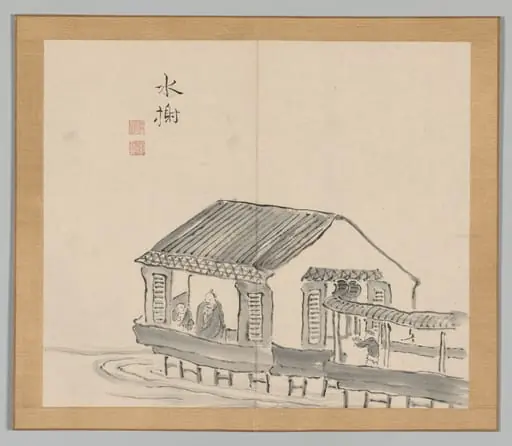 Reverberations of Taiga, Volume 2 (leaf 29)
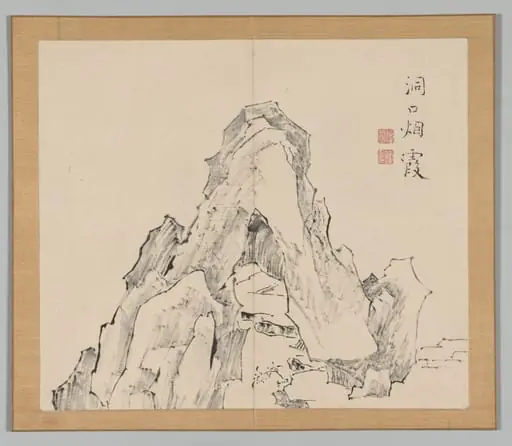 Reverberations of Taiga, Volume 2 (leaf 20)
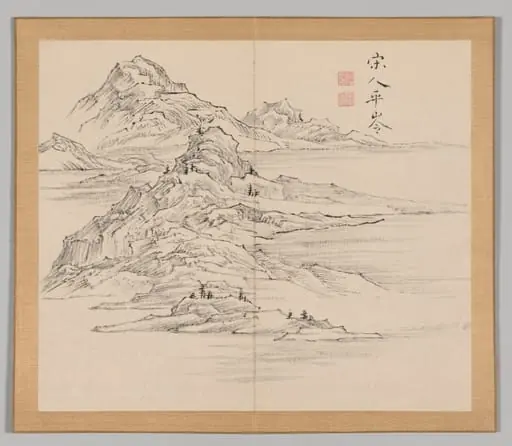 Reverberations of Taiga, Volume 1 (leaf 35)
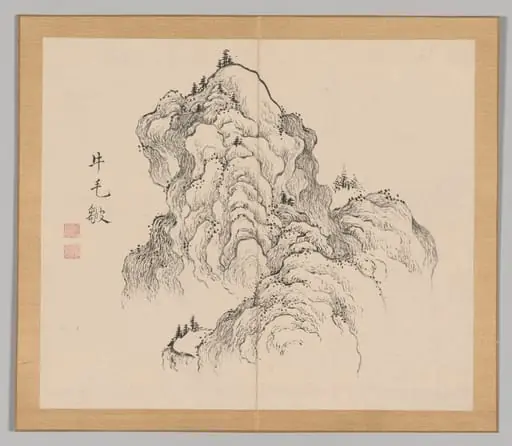 Reverberations of Taiga, Volume 1 (leaf 16)
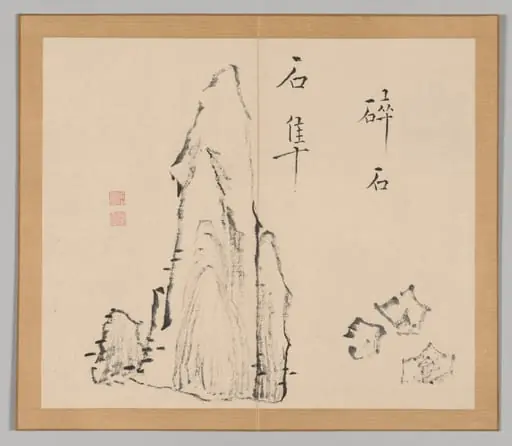 Reverberations of Taiga, Volume 1 (leaf 18)
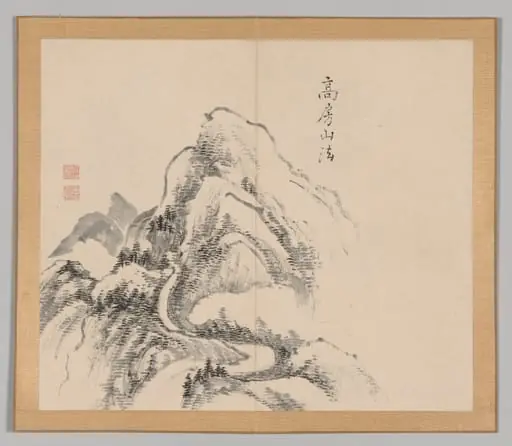 Reverberations of Taiga, Volume 1 (leaf 34)
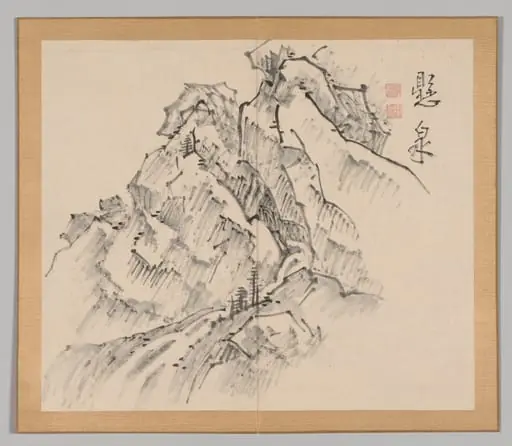 Reverberations of Taiga, Volume 1 (leaf 26)
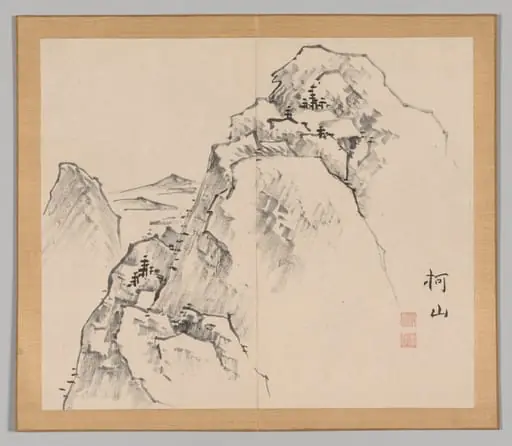 Reverberations of Taiga, Volume 1 (leaf 27)
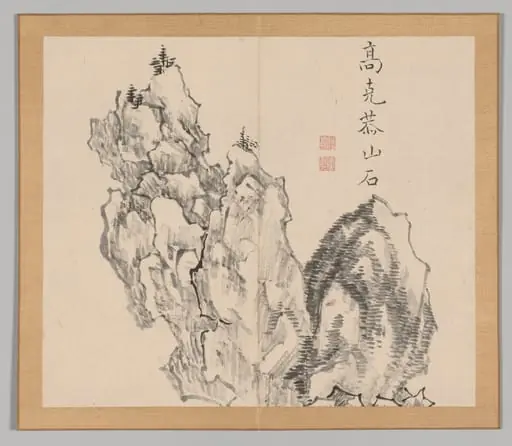 Reverberations of Taiga, Volume 1 (leaf 22)
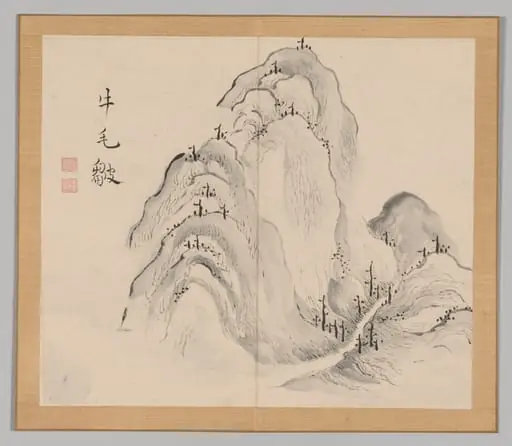 Reverberations of Taiga, Volume 1 (leaf 15)
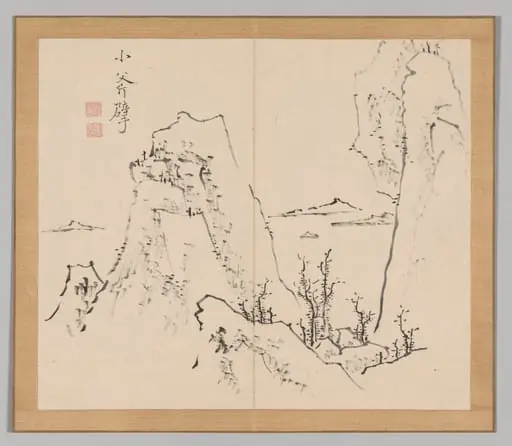 Reverberations of Taiga, Volume 1 (leaf 8)