Artwork
Reverberations of Taiga, Volume 1 (leaf 26)
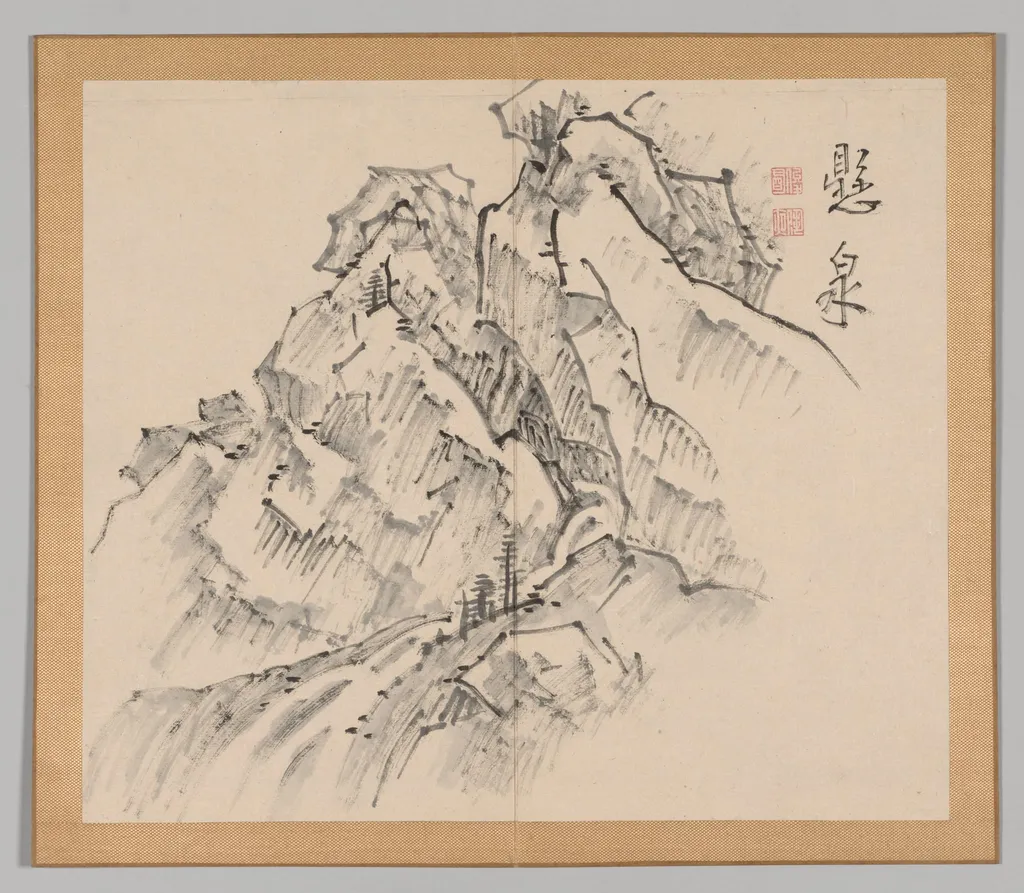
Reverberations of Taiga, Volume 1 (leaf 26) is a work on paper by the Baroque artist Aoki Shukuya. It dates from 1704 and is held in the collection of the Cleveland Museum of Art.
About this work
Overview
This leaf is part of a multi-volume ink sketch portfolio by Aoki Shukuya, created during Japan’s Edo period. Each page functions as a study in brush control and compositional rhythm, drawn from direct observation and imitation of his teacher’s approach. The work belongs to a larger set of exercises meant to internalize the language of ink painting through repetition and refinement.
Subject & Meaning
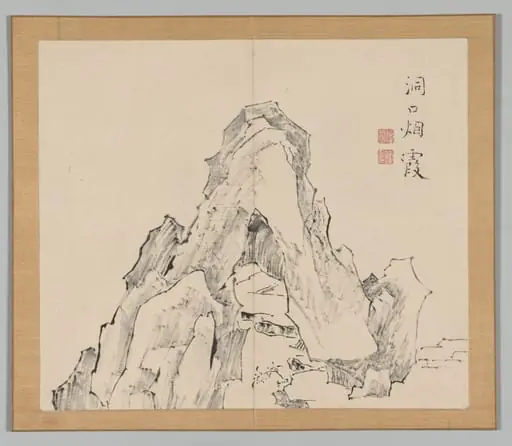
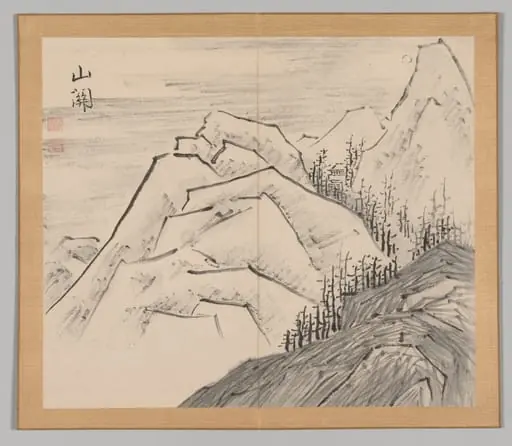
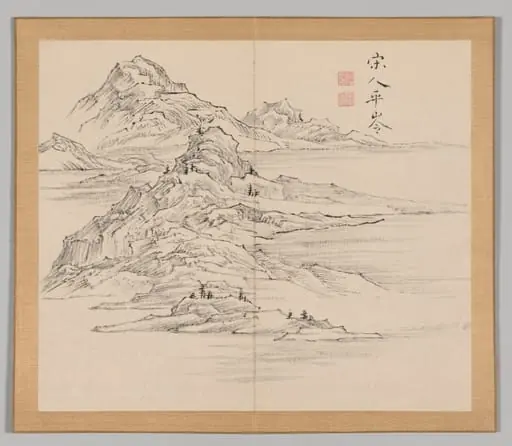
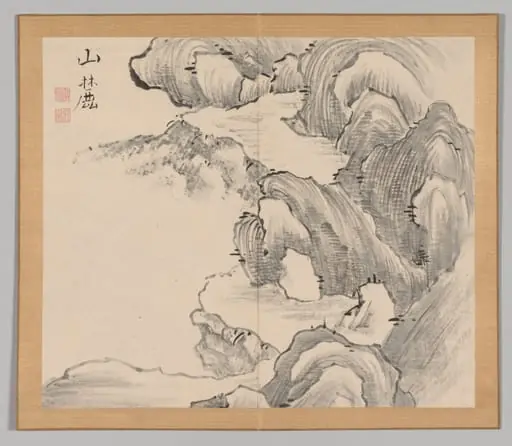
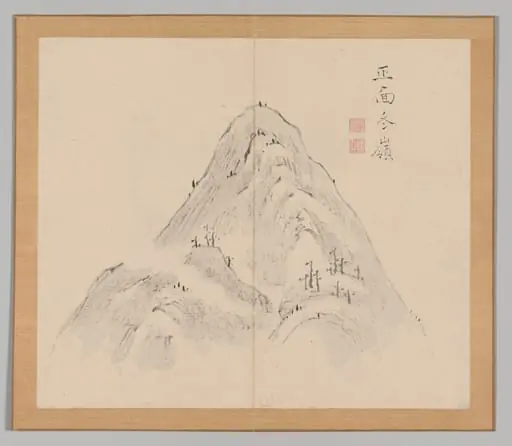
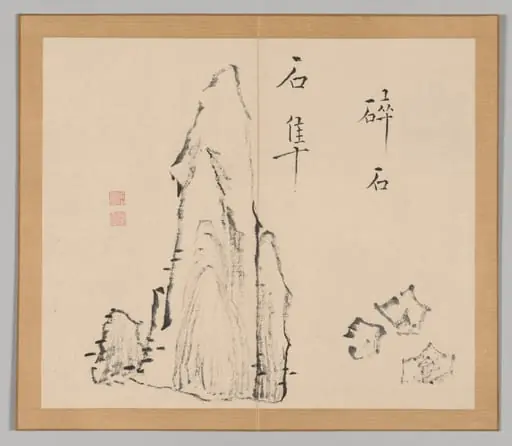
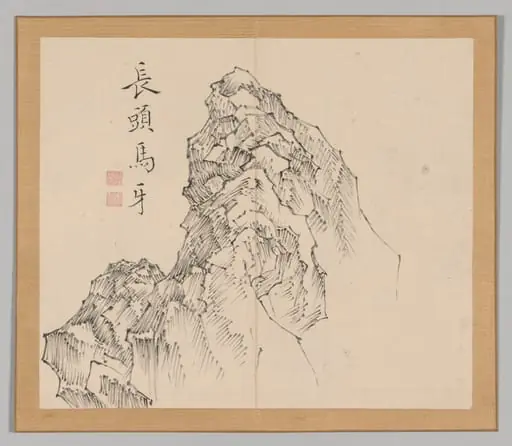
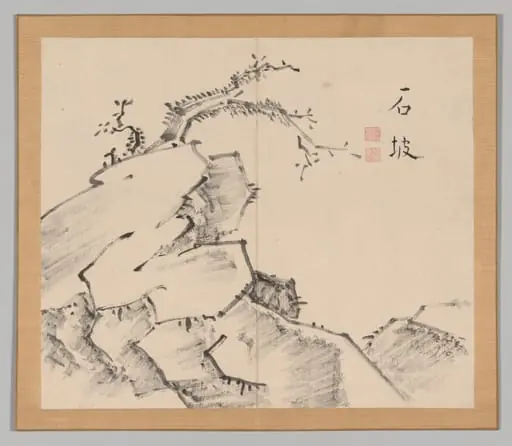
The sketches depict natural forms—jagged rocks, gnarled pines, and distant mountains—rendered without narrative or symbolism. Their purpose is pedagogical: to capture the essence of landscape elements through controlled brush movement. The absence of human figures emphasizes the quiet presence of nature as a subject worthy of disciplined attention.
Technique & Style
Shukuya employs minimal strokes and diluted ink washes to suggest texture and depth. Thin, agile lines define pine branches and rock contours, while soft gradients imply atmospheric haze. The brushwork is economical yet dynamic, revealing the artist’s growing command over ink’s variability and the speed of hand movement required to convey vitality.
History & Provenance
Created under the guidance of Ikeno Taiga, a leading Kyoto-based ink painter known for expressive brushwork, this portfolio reflects the traditional master-apprentice system of Edo-period art training. As one of many leaves in a series, it was likely used for practice and critique rather than public display, preserving the private nature of artistic development.
Context
During the Edo period, ink painting remained a core discipline for artists trained in Chinese-derived traditions. Apprentices spent years copying their masters’ compositions to internalize technique before developing individual styles. Shukuya’s sketches exemplify this rigorous method, rooted in reverence for lineage and the physical discipline of brushwork.
Legacy
Though not widely exhibited in his lifetime, Shukuya’s studies contribute to the broader understanding of how Edo-period artists learned through emulation. These sketches, preserved in collections such as Cleveland’s, offer insight into the quiet, iterative process behind the development of Japanese ink painting traditions.
Artist & collection

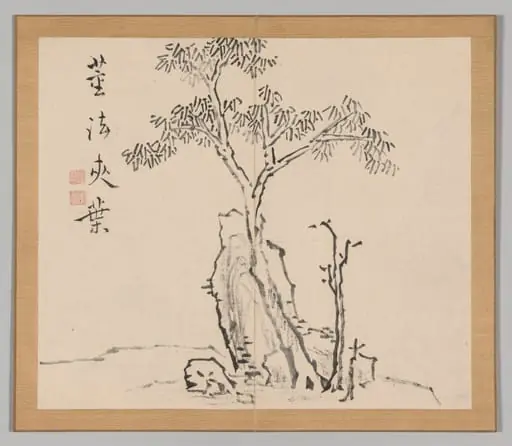 Reverberations of Taiga, Volume 1 (leaf 4)
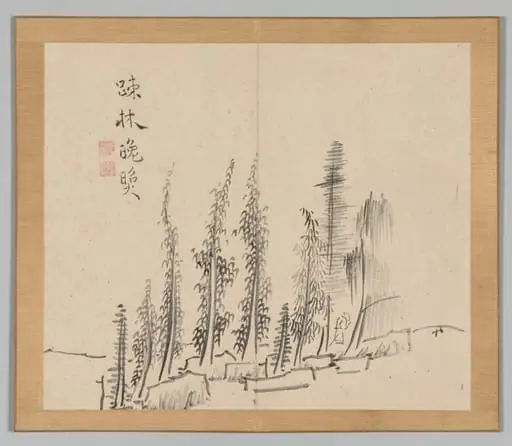 Reverberations of Taiga, Volume 2 (leaf 30)
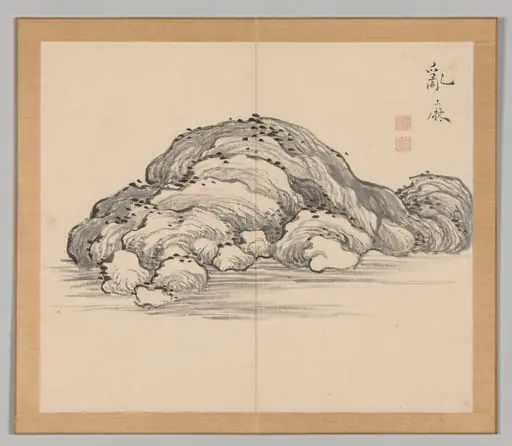 Reverberations of Taiga, Volume 1 (leaf 12)
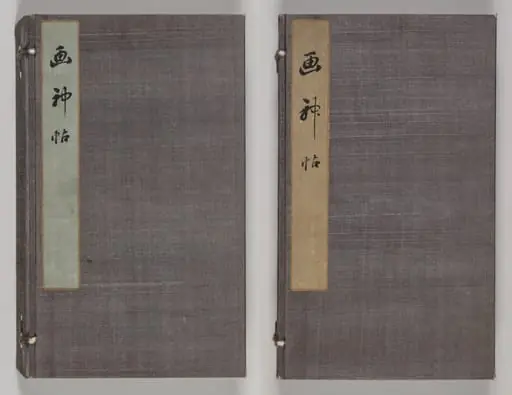 Reverberations of Taiga
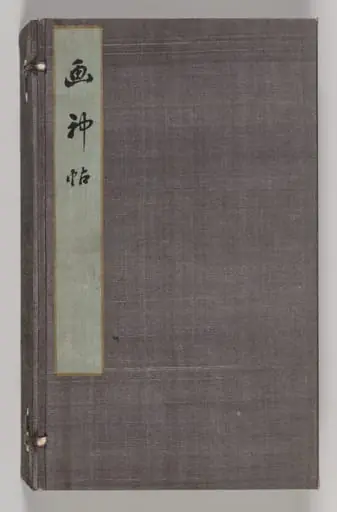 Reverberations of Taiga (Volume 1)
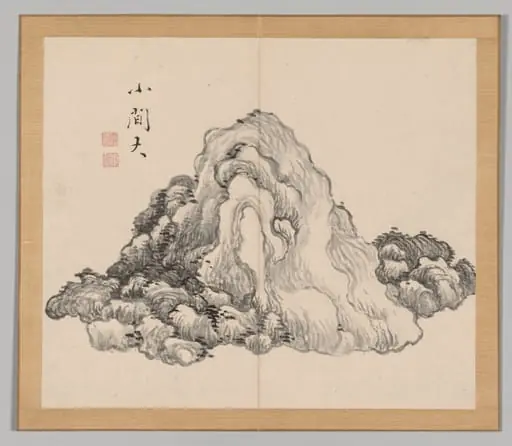 Reverberations of Taiga, Volume 1 (leaf 7)
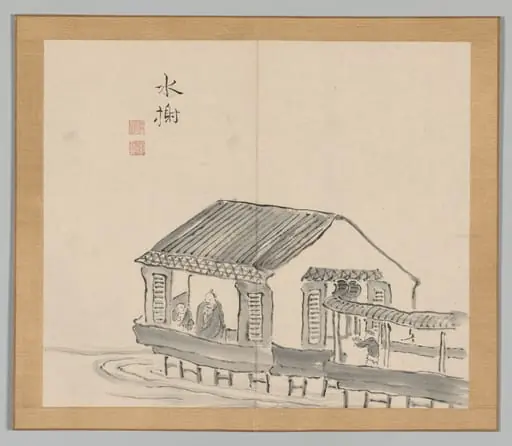 Reverberations of Taiga, Volume 2 (leaf 29)
 Reverberations of Taiga, Volume 2 (leaf 20)
 Reverberations of Taiga, Volume 1 (leaf 29)
 Reverberations of Taiga, Volume 1 (leaf 35)
 Reverberations of Taiga, Volume 1 (leaf 28)
 Reverberations of Taiga, Volume 1 (leaf 24)
 Reverberations of Taiga, Volume 1 (leaf 18)
 Reverberations of Taiga, Volume 1 (leaf 17)
 Reverberations of Taiga, Volume 1 (leaf 20)