Artwork
Reverberations of Taiga, Volume 2 (leaf 5)
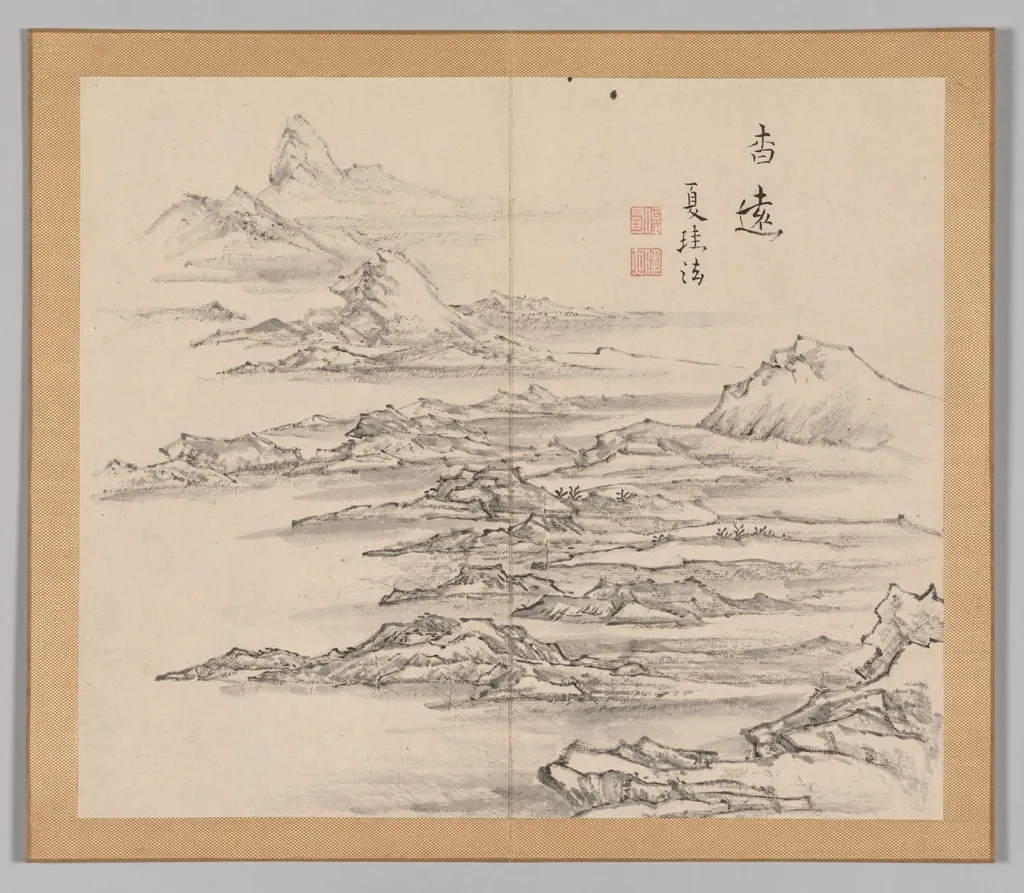
Reverberations of Taiga, Volume 2 (leaf 5) is a work on paper by the Baroque artist Aoki Shukuya. It dates from 1704 and is held in the collection of the Cleveland Museum of Art. This leaf is part of a two-volume portfolio titled Reverberations of Taiga, created by a student of Ikeno Taiga.
About this work
Overview
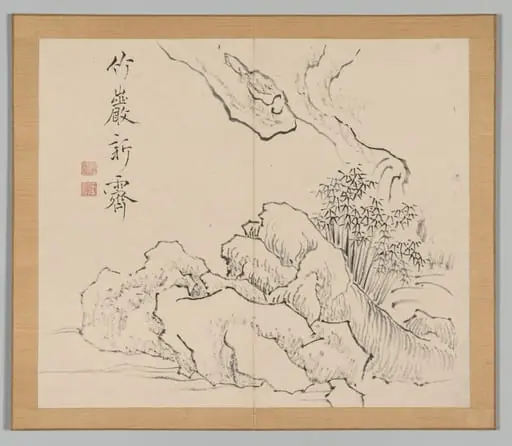
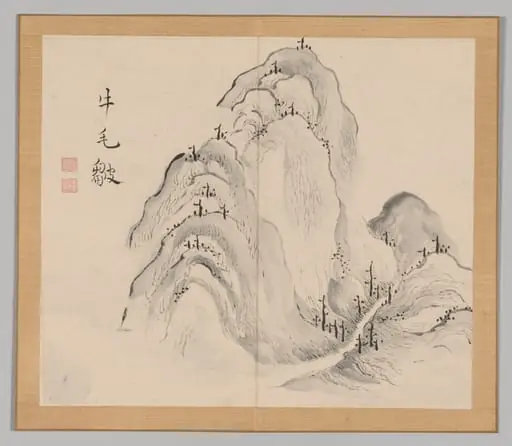
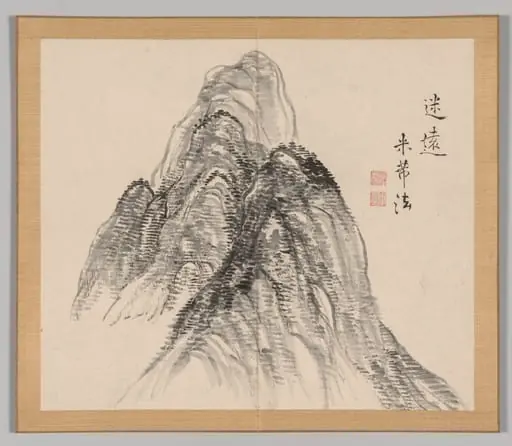
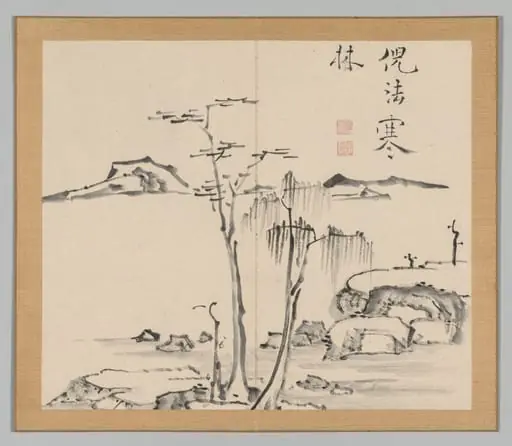
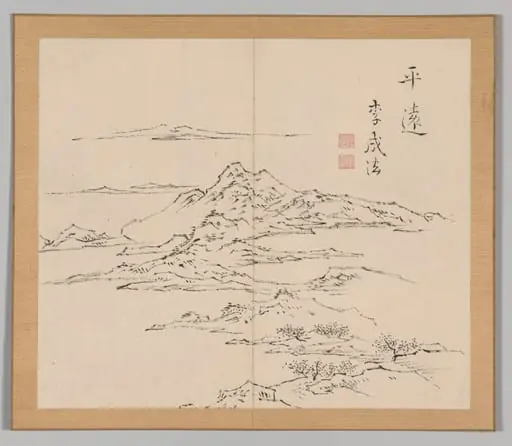
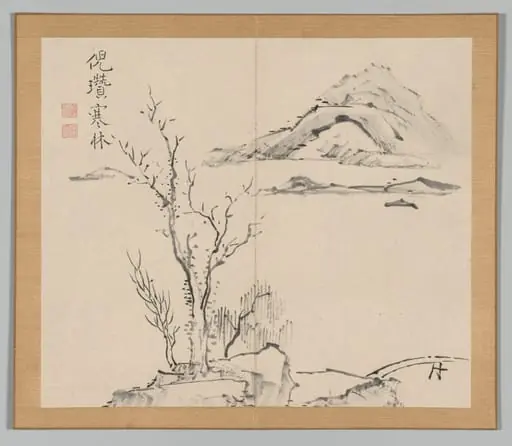
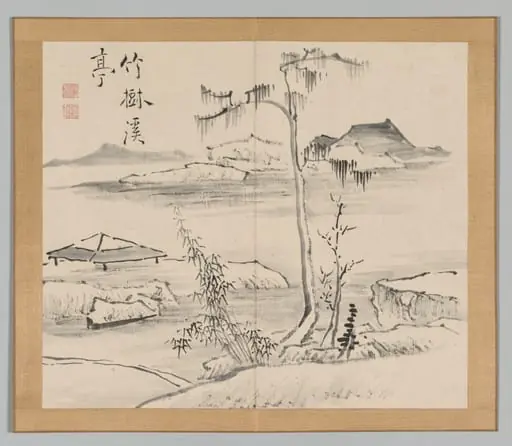
This leaf is part of a two-volume portfolio titled Reverberations of Taiga, created by a student of Ikeno Taiga. It contains ink drawings of natural forms—rocks, trees, and mountains—executed in a restrained, monochromatic style. The work reflects the traditional Japanese practice of apprenticeship, where students learned by closely imitating their master’s compositions and brushwork.
Subject & Meaning
The subject matter consists of simplified landscapes drawn from nature, without narrative or symbolic embellishment. These elements were not intended as idealized scenes but as studies in form and structure. Their quiet presence suggests an emphasis on observation and discipline, central to the training of ink painters in 18th-century Kyoto.
Technique & Style
The artist employed ink washes and varied brush pressures to suggest texture and spatial depth. Lines are economical, with subtle gradations of tone to imply volume rather than relying on sharp outlines. The approach aligns with the literati tradition, valuing spontaneity and restraint over ornate detail, and demonstrates direct engagement with Taiga’s stylistic principles.
History & Provenance
Created in the mid-18th century, the portfolio was likely assembled as a pedagogical exercise or personal record by Shukuya, a documented pupil of Ikeno Taiga. The work remained within artistic circles in Kyoto, preserving its connection to Taiga’s lineage. Its survival as a discrete leaf suggests it was valued as a study rather than a finished exhibition piece.
Context
During this period, Kyoto’s artistic community upheld the Chinese-inspired literati ideal, where painting was seen as an extension of scholarly practice. Apprenticeship was the primary mode of transmission, and copying a master’s work was not imitation but a path to internalizing aesthetic values. This leaf exemplifies that pedagogical framework.
Legacy
Works like this leaf helped sustain the Taiga school’s influence beyond the master’s lifetime. Though unsigned or anonymously attributed, such student pieces contributed to the broader recognition of Kyoto’s ink painting tradition. They remain important for understanding how artistic lineages were cultivated through disciplined practice rather than individual innovation.
Artist & collection

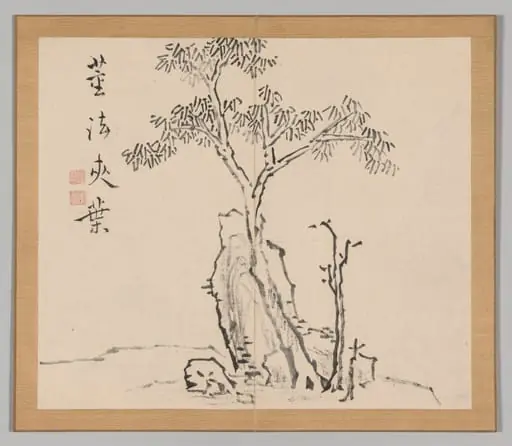 Reverberations of Taiga, Volume 1 (leaf 4)
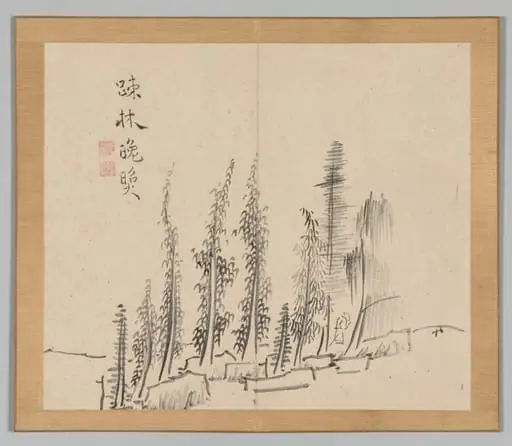 Reverberations of Taiga, Volume 2 (leaf 30)
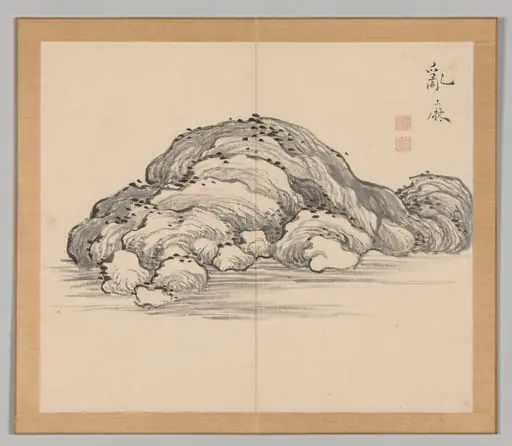 Reverberations of Taiga, Volume 1 (leaf 12)
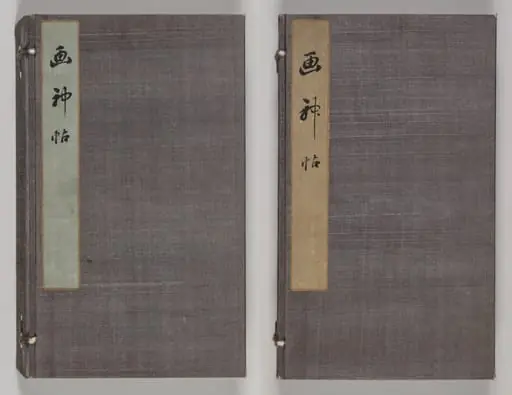 Reverberations of Taiga
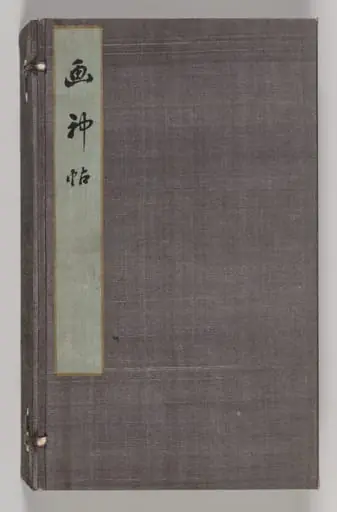 Reverberations of Taiga (Volume 1)
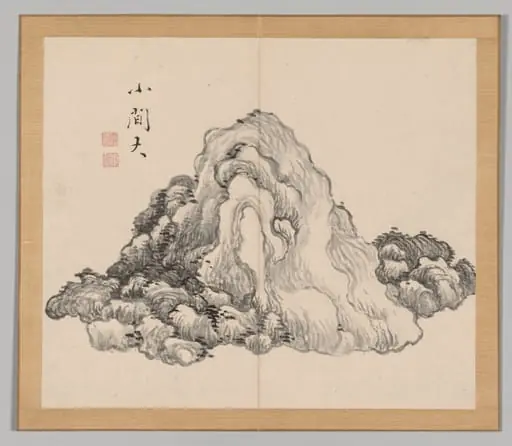 Reverberations of Taiga, Volume 1 (leaf 7)
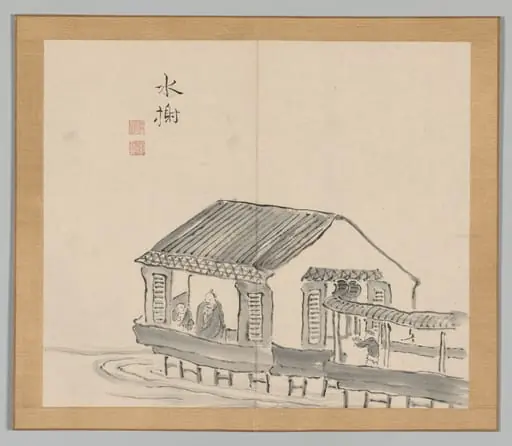 Reverberations of Taiga, Volume 2 (leaf 29)
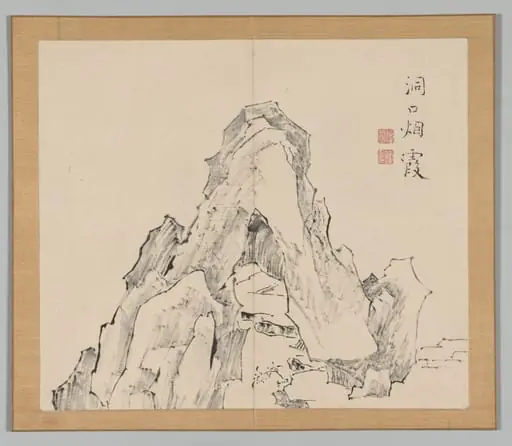 Reverberations of Taiga, Volume 2 (leaf 20)